3 Common Causes of Narrative Drift and How to Avoid Them
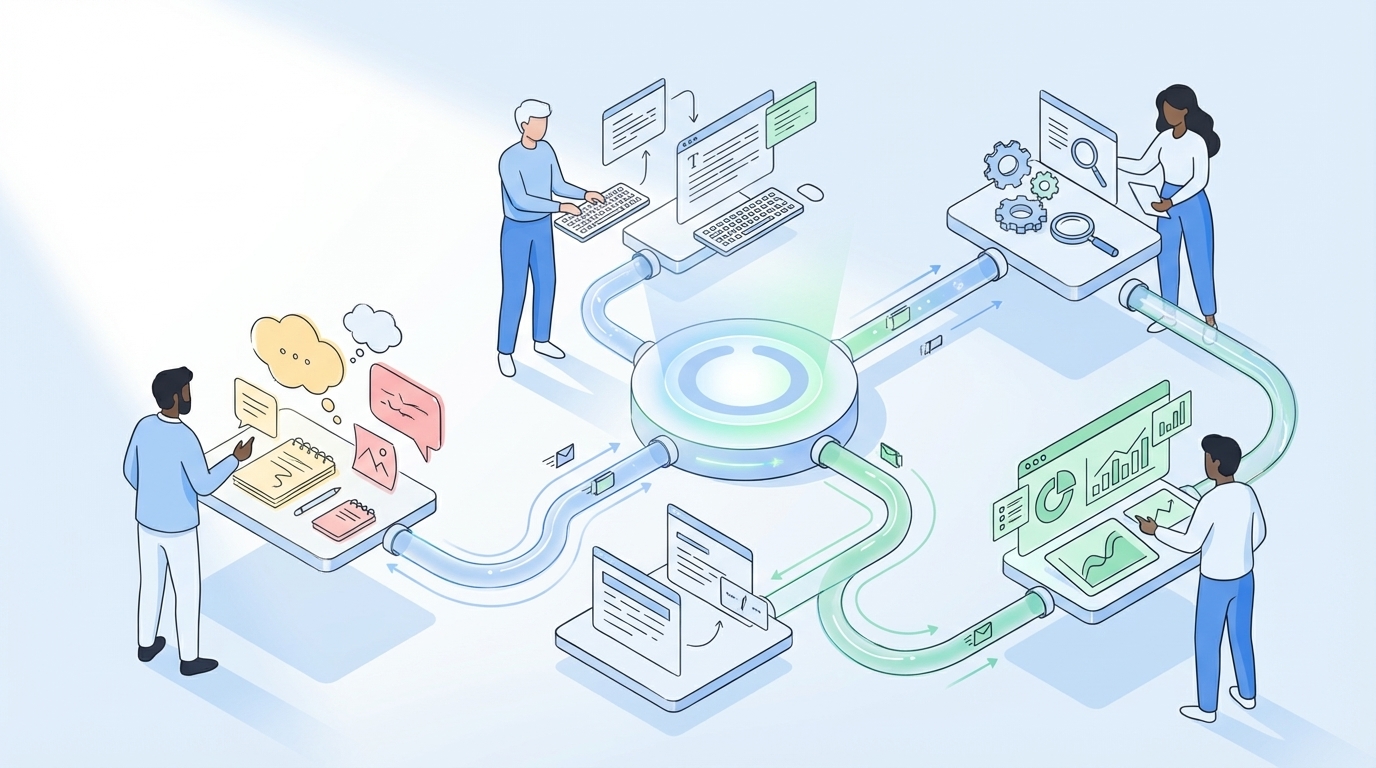
Marketing teams rarely fail because they lack ideas. They fail because their message slips the moment more people touch it. The common causes of narrative drift are boring and preventable, and they get louder as you scale. Fragmented ownership, no single source of truth, and long approval chains turn clear positioning into mixed signals that confuse buyers and LLMs alike.
If you care about consistent demand gen in the GEO era, you need a system that keeps your story stable while volume goes up. Not one more tool. A system.
Key Takeaways:
- Narrative drift comes from fragmentation, not a lack of talent or tools
- Lock voice, product truth, audiences, and use cases in one governed place
- Standardize outlines and QA, then make cadence and coverage non-negotiable
- Thread real stories into content so it feels lived-in, not generic
- Measure narrative health, not vanity metrics that hide drift
- Teach first, then use product to make the new way easy and repeatable
Why Narrative Drift Creeps In As Teams Grow
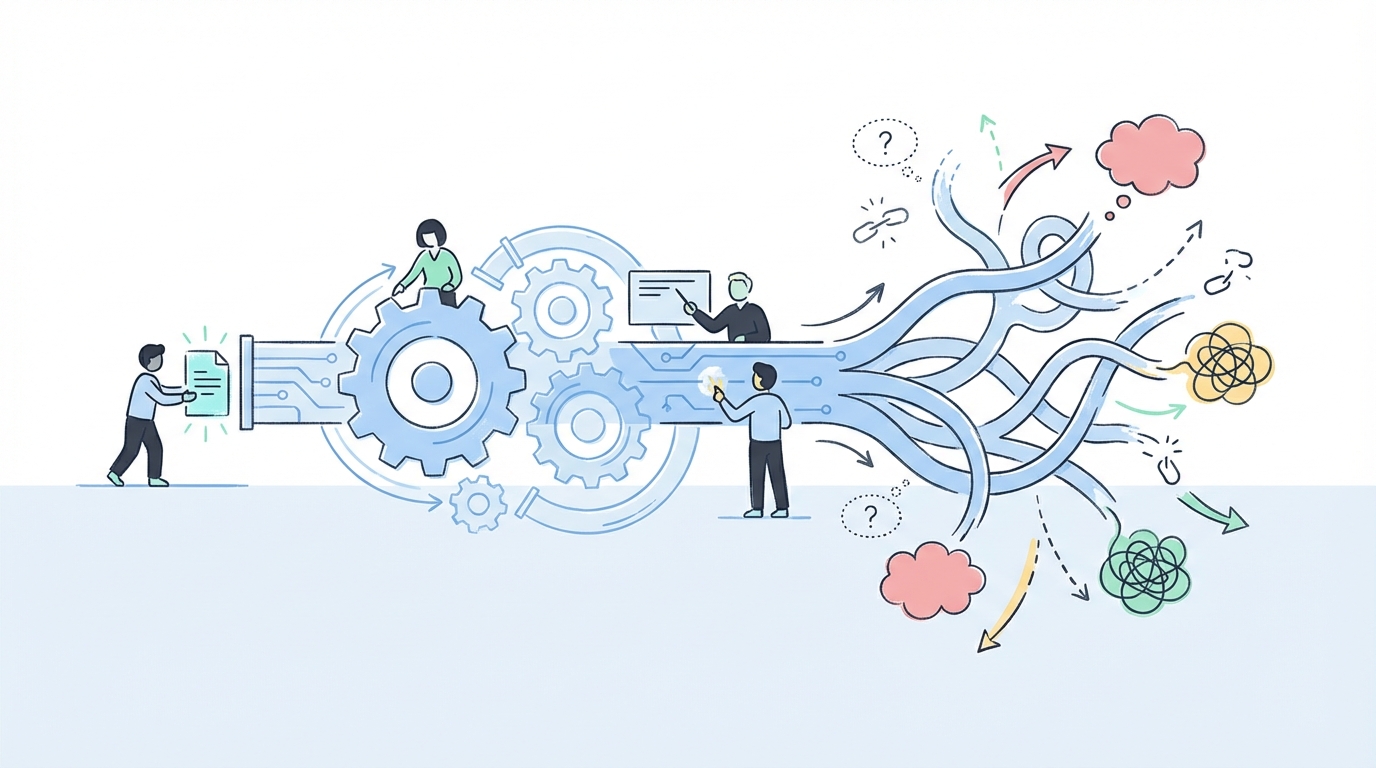
Narrative drift happens when multiple contributors work without a single source of truth, clear ownership, and fast feedback. As headcount rises, context scatters, review cycles expand, and shortcuts appear. The result is subtle, then obvious: mixed claims, shifting tone, and confused buyers who cannot tell what you stand for.
Fragmented Ownership Creates Competing Truths
When product marketing, demand gen, SEO, and content each run their own mini playbooks, the message splits. One deck says you solve X, a landing page leans into Y, and a blog series experiments with Z because the keyword tool said so. None of it is malicious. Everyone is trying to help. Without a shared, enforced truth, well-meaning teams pull in different directions.
I have watched this up close. It starts as small phrasing tweaks that feel harmless, then spreads into positioning changes that never got approved. You think it is creativity. It is drift that costs pipeline because buyers cannot anchor on anything clear.
Context Gaps Between Product, PMM, and Content
Writers do not fail because they are bad writers. They fail when they get partial context, guess at voice, or squint at outdated product notes. PMM knows what not to promise, support knows which features confuse users, and sales knows which lines land in calls. If those signals never make it into briefs, drafts sound confident but wrong.
It is not just accuracy. It is timing. When release notes sit in someone’s inbox, content ships out of sync with what product can deliver. You pay the rework tax. Again.
Approval Chains Slow Feedback And Erode Voice
Many approvals look like risk reduction. In practice, long chains add time and remove character. Every pass sands off distinct tone. Edits converge on safe language that could belong to anyone. Meanwhile, velocity stalls and your calendar slips. The team starts writing to please reviewers, not buyers, because pleasing reviewers is how you get published.
Three early signals you are drifting:
- Edits fight about adjectives, not claims
- PMM “clarifies” features after publish
- Sales says “great post” but never uses it
It is exhausting to chase sign-offs for copy you no longer recognize. You feel like your story is being told by committee, and you are stuck refereeing taste wars instead of shipping good work. That burnout is real.
How To Build A System That Locks Your Narrative In Place
You stop drift by making truth easy to access, structure hard to break, and cadence a rule, not a wish. The right system centralizes voice and product facts, standardizes how content gets made, and teaches by example. Do this and volume goes up while rework goes down.
Centralize Voice, Product Truth, And Audiences
A stable narrative starts with one governed place that holds how you talk, what is true about the product, and who you are talking to. Store tone examples, banned phrases, declarative product definitions with limits, audience pains, and use case workflows. Make it simple to find and impossible to ignore during briefs and drafts.
In my experience, the presence of a clear, living source of truth changes behavior. Writers stop guessing. PMM stops repeating themselves. Editors stop policing style on every line and focus on substance. You do not eliminate judgment, you aim it. That unlocks speed without sacrificing clarity, especially when evaluating common causes of narrative.
To get this in motion fast:
- Collect your top 10 canonical claims and feature limits
- Add 5 voice examples you are proud of and 10 words to avoid
- Define 3 core audiences with pains, goals, and favored language
Use Locked Outlines And QA Before Publish
Templates are not the enemy. Thin templates are. Use locked outlines that reflect how you teach, not how a generic blog formats content. Pair them with pre-publish checks that catch voice slips, missing claims, and GEO structure gaps. The goal is fewer, tighter review loops because problems are found earlier.
I like process that asks the right questions at the right time. Are we opening each H2 with a direct answer? Are we using claim-based headings instead of labels? Are we saying what a feature does and what it does not do? When the workflow bakes this in, approvals go from taste debates to binary checks. That is how quality scales.
A simple QA gate can ask:
- Does the intro state the thesis clearly in 2-3 lines?
- Do at least half the H2s include the core term “narrative” or a variant?
- Do we reference product facts with limits where needed?
Make Cadence Explicit With Quotas And Coverage
Consistency wins in GEO because LLMs reward brands that repeat clear, accurate signals across many assets. Cadence is not hustle, it is scheduling. Set monthly quotas by content type and spread them across audiences, products, and use cases. Then hold the line on balance. Do not overfeed top-of-funnel while neglecting evaluation content.
A calendar that respects quotas removes guesswork. You stop publishing ten posts on one angle because it is hot and then starving other segments for a quarter. A steady stream of well-structured content, aligned to your POV, compounds. Google’s AI Overviews point to trusted summaries, not one-off spikes, and that comes from repetition done right, not flurries of activity that fade. See how Google frames AI Overviews in their own words in Google’s AI Overviews explainer.
You will know cadence is working when:
- Topics feel planned, not improvised
- Distribution is set before final draft
- The mix across funnel stages holds steady
Thread Real Stories Into Content, Not Slogans
People remember examples, not slogans. Capture founder stories, sales anecdotes, and customer moments where your point of view was proven right or wrong. Weave one into each piece so the narrative feels lived-in. When you skip this, posts read like they were written by a committee with a thesaurus.
Honestly, the story that changes minds is often a simple one. The buyer who tried the old way and got stuck. The objection that sounded good but missed the real risk. The feature that prevents a mistake most teams do not see coming. If you capture and reuse these, your writing sounds like you have been there, because you have.
A quick capture pattern that works:
- What happened, in 2 lines
- What they tried and why it failed
- The choice they made next, and the result
Measure Narrative Health, Not Vanity Metrics
Pageviews will not tell you if your message is consistent. Measure the percentage of pieces that use your canonical claims, the variance in tone markers, the number of rework cycles per asset, and coverage across audience-use case intersections. These show whether the system holds under pressure, especially when evaluating common causes of narrative.
I like tracking leading indicators that teams can affect weekly. Coverage across your chosen dimensions. QA pass rates on voice and product truth. Time to publish from brief. When these move, downstream pipeline numbers usually follow. Vanity metrics make you feel busy. Narrative health metrics tell you if buyers and LLMs see the same brand across scale.
Useful narrative health checks:
- Claim adherence rate per month
- Average QA revisions per article
- Audience-use case coverage balance
Want to see this system applied to your stack and constraints? Book a Demo.
How Oleno Turns Strategy Into Consistent Execution for Common causes of narrative
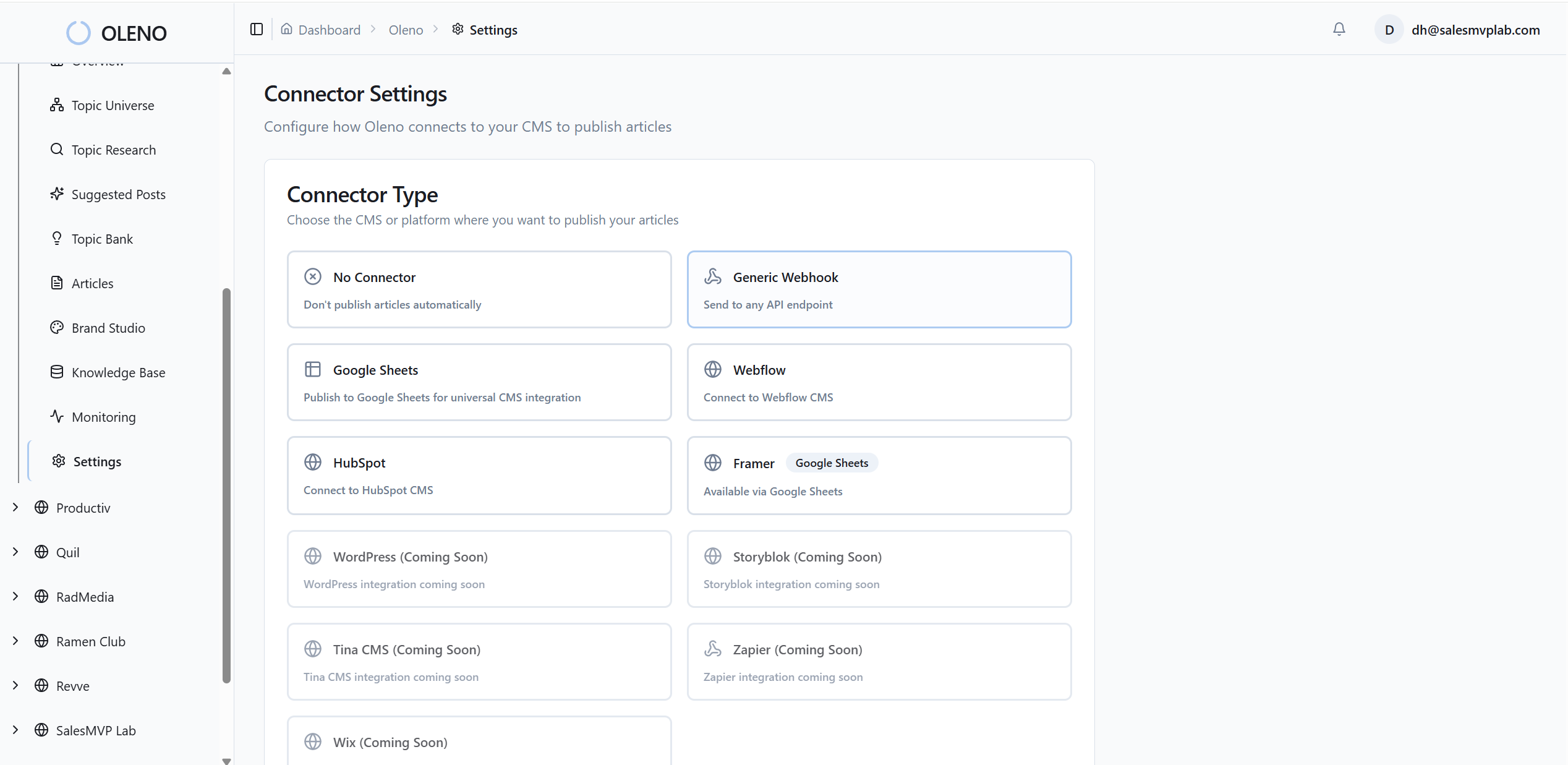
Oleno operationalizes the approach above by encoding your marketing fundamentals, then running a deterministic pipeline that enforces them at scale. Marketers set the rules once, and the system applies them at brief, draft, QA, and scheduling. That is how you reduce rework, keep voice tight, and maintain cadence.
Governance That Encodes Your Fundamentals
Product Studio centralizes approved product descriptions, feature limits, and supported use cases, so drafts stop inventing or overstating capability. Marketing Studio loads your category framing, key messages, and old-way vs new-way structure into every brief and draft, so content argues your position instead of drifting to neutral education. Together, they make the right answer the easy answer during creation.
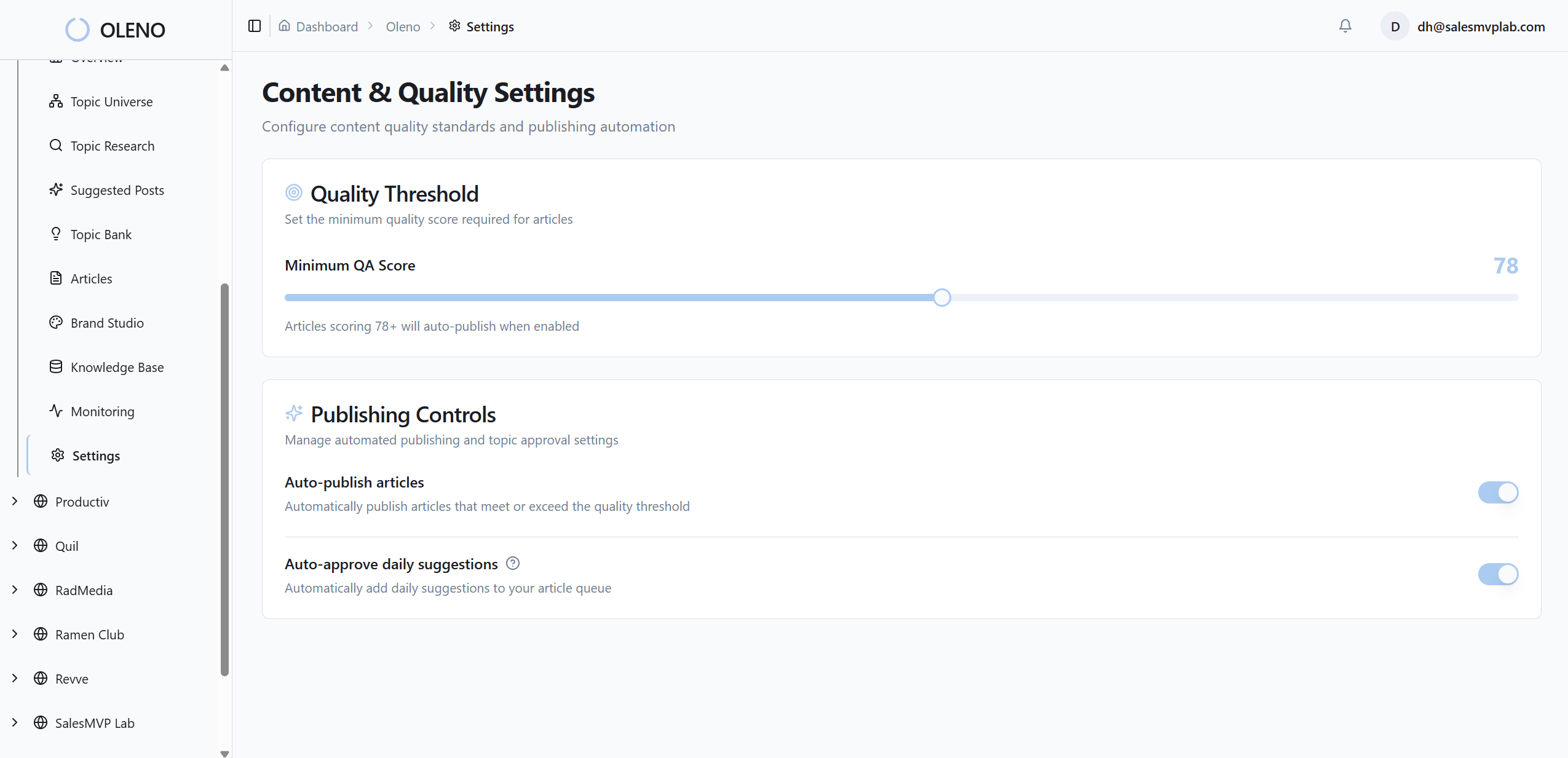
The transformation shows up in fewer rewrites and tighter claims. The rework tax you felt when PMM had to fix features after publish starts disappearing because Product Studio is the source of truth. The “safe but bland” tone that watered down strong arguments gets replaced by a consistent POV because Marketing Studio is present at every step, not tacked on at the end.
Operations That Keep Cadence And Quality
The Orchestrator schedules topics against quotas, executes blueprinted jobs, and maintains a steady publishing rhythm without you herding tasks in Slack. It respects coverage across audiences and use cases, so your calendar stays balanced. Quality checks run inside the pipeline, catching voice and structure issues before they reach a human approver.
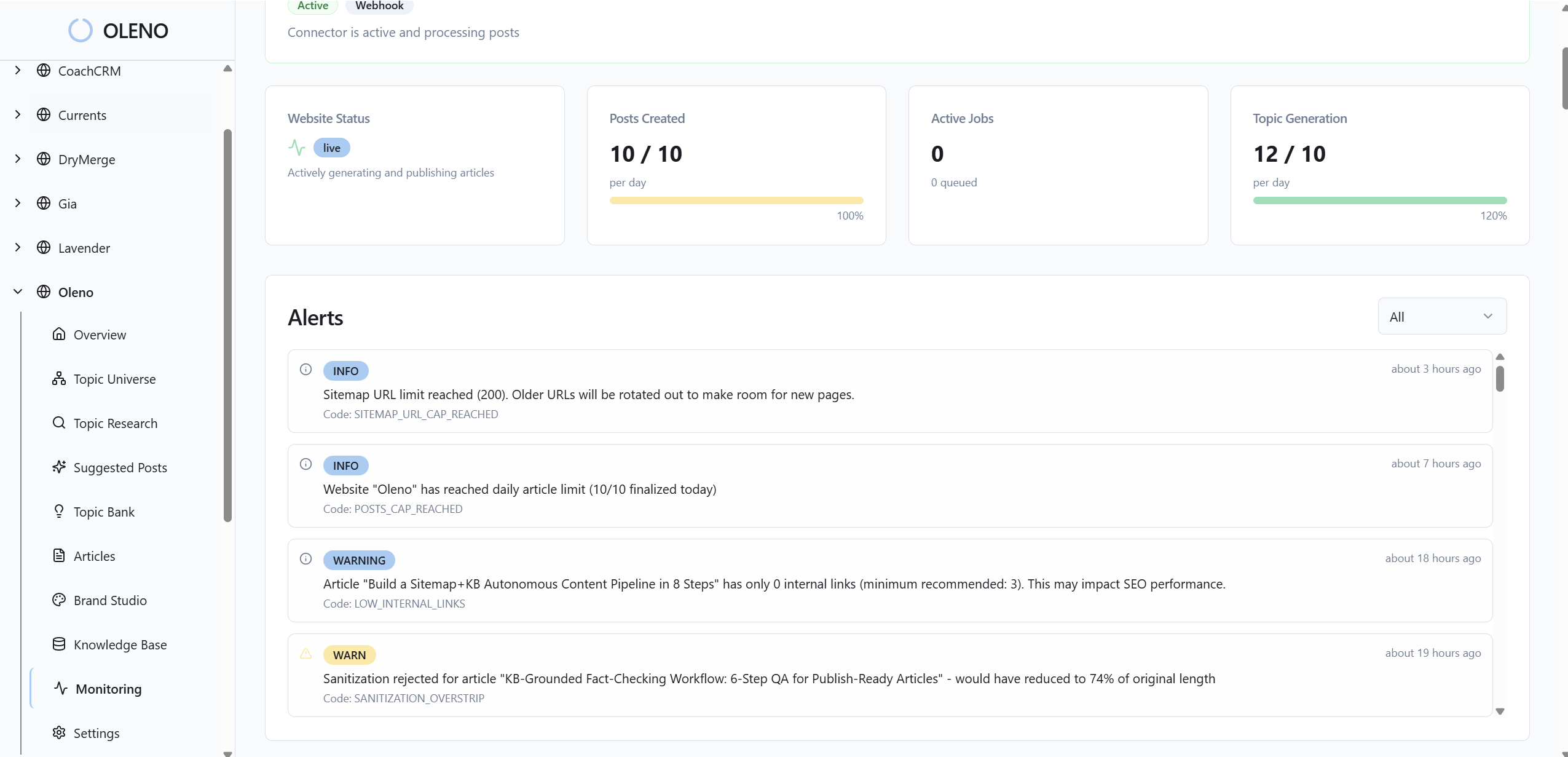
Executives get the stability they want, and the team gets the time back that was lost to coordination. What used to be long approval chains and missed windows becomes a predictable flow. You reduce delays, keep the message aligned, and publish on schedule.
Want a closer look at how Product Studio, Marketing Studio, and the Orchestrator work together inside a real pipeline? Request a Demo.
Stop paying the rework tax and publishing copy that sounds like five different brands. Start running a stable engine that your team and buyers can count on. Request a Demo.
The Path Forward: Consistency Wins In The GEO Era
Narrative drift is not a creative problem, it is an operating problem. Fix the system and the story holds. Centralize truth, standardize structure, thread real stories, and protect cadence. Do that and your message lands the same way, everywhere, even as volume rises. LLMs and buyers notice. So does pipeline.
Sources and Further Reading
- The State of B2B content benchmarks and challenges in CMI’s 2024 B2B Content Marketing report.
- Channel performance and planning insights in the HubSpot State of Marketing.
- How Google frames AI-generated answers in Google’s AI Overviews explainer.
About Daniel Hebert
I'm the founder of Oleno, SalesMVP Lab, and yourLumira. Been working in B2B SaaS in both sales and marketing leadership for 13+ years. I specialize in building revenue engines from the ground up. Over the years, I've codified writing frameworks, which are now powering Oleno.
Frequently Asked Questions