Automate Technical SEO for 1,000+ Articles: Links, Canonicals & Meta
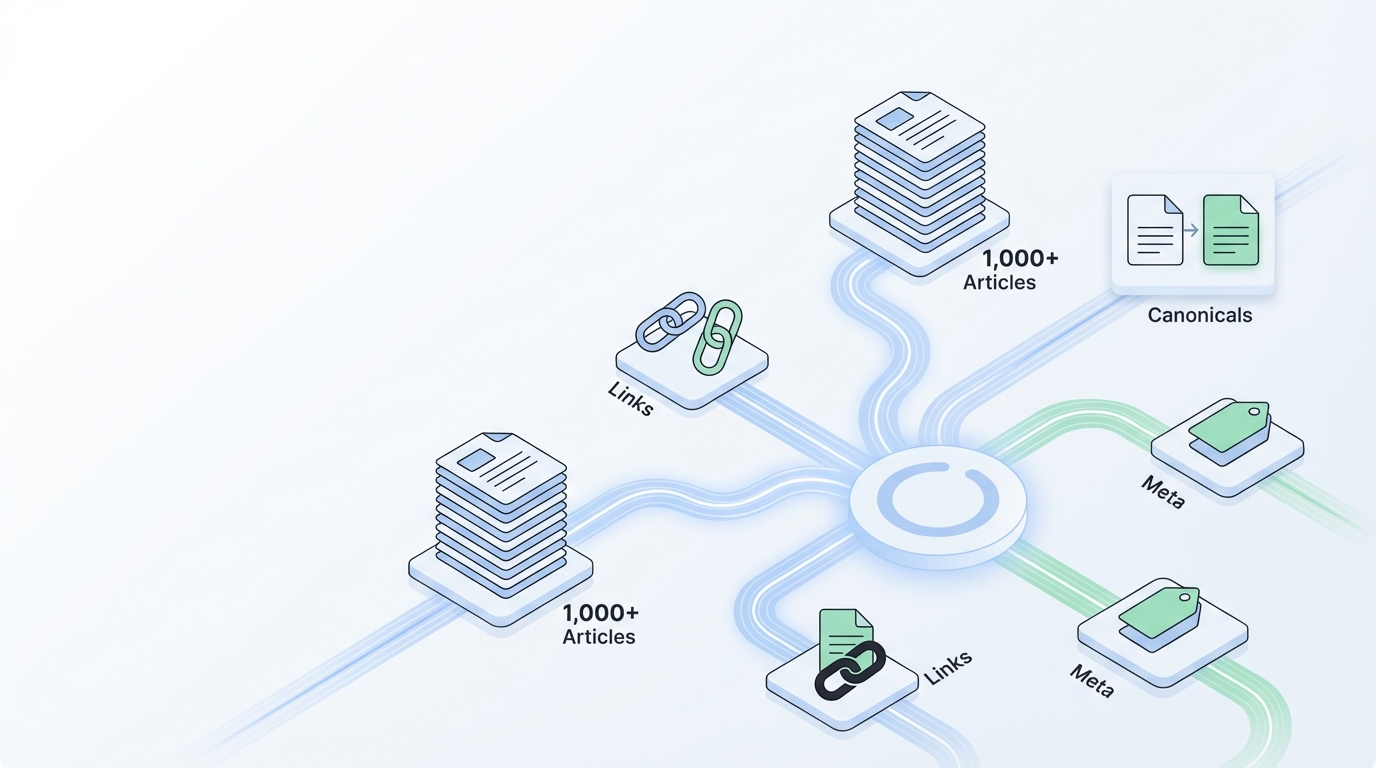
Most teams think scaling content is only about writing faster. It isn’t. If you’re trying to automate technical seo for a growing library, the real failure comes from basic site mechanics slipping as volume rises. Internal links decay. Canonicals collide. Metadata drifts. Sixty to eighty percent of ranking loss at scale traces back to avoidable technical issues, not prose quality.
I learned that the hard way. You sprint for velocity, then wake up to cannibalized URLs, mixed signals to Google, and a crawl budget burning on junk. It feels like content is working against you. It’s not your writers. It’s the system underneath.
Key Takeaways:
- Measure indexation, canonicals, and internal link coverage before you scale output
- Encode deterministic canonical rules tied to your topic model to prevent cannibalization
- Generate internal links from a topic graph, not ad‑hoc edits in drafts
- Lock metadata patterns so titles, descriptions, and schema can’t drift at volume
- Monitor crawl, index, and canonical states with alert thresholds, not quarterly audits
- Make publishing idempotent so re-runs never create duplicates or broken canonicals
The Real Reason Rankings Tank At Scale
Ranking degradation at scale mostly comes from technical decay, not weaker writing. As volume grows, broken internal links, conflicting canonicals, and drifting metadata confuse crawlers and split signals. The effect compounds across hundreds of pages until entire clusters slide, even when the content itself is solid.
Velocity Masks Technical Debt
When you ramp output, the first wins look great. Fresh URLs get crawled, some quick rankings land, and the team gets confident. Under the surface, small errors multiply. One duplicate H1 pattern becomes fifty. One category page missing a canonical turns into a cluster split across parameters and trailing slashes. You don’t notice until traffic softens and nobody can point to a single cause.
Writers keep shipping. Editors polish copy. SEOs pull small levers in tools. The real problem is structural drift. Without guardrails, every new page adds risk: an off-template title here, a missing noindex there, a link to an orphaned child topic buried two levels deep. The mistakes feel minor in isolation. Together, they’re expensive.
If you’ve been through this, you know the pattern. Dashboards look fine, then a key cluster drops, then the team scrambles. You revert titles, rework canonicals, add links, and pray the next crawl picks up the changes. It’s exhausting and avoidable.
- Common traps that masquerade as “content problems”:
- Duplicate or stale canonicals on templates
- Internal links pointing to filtered or parameterized URLs
- Titles and meta descriptions drifting off rule sets
- Category pagination without clear signals
Where The 60–80% Degradation Comes From
Most losses trace to a few categories of errors. Canonical conflicts split authority between near-duplicates. Weak or missing internal links strand pages with no path from stronger hubs. Metadata inconsistencies reduce click-through, pushing signals in the wrong direction. Each on its own is fixable. At scale, the frequency is the problem.
Think about how clusters are built. You’ve got a main topic, supporting subtopics, and related variants by persona or industry. If relationships aren’t encoded, people guess. Guessing leads to links that don’t map to intent. Guessing leads to canonicals that pick the wrong representative URL. Guessing leads to titles that don’t follow the pattern that worked.
You don’t need a grand reinvention. You need rules that machines can enforce. When the rules live in docs instead of code, they drift. When they drift, rankings follow.
- The most common sources of decay:
- Canonicals pointing across variants instead of the representative URL
- Orphaned subtopics without incoming links from the parent
- Mixed indexation signals on thin tag or filter pages
- Template updates that silently change title or H1 structures
Technical SEO Is Ops Work, Not One-Off Audits
Treat technical SEO like operations. Settings, not opinions. Rules, not vibes. When governance is encoded and enforced on every publish, you stop fighting fires and start preventing them. Audits find problems. Ops prevents them from existing.
Treat Settings As Code
If canonicals live in a spreadsheet and titles live in someone’s head, you’re going to lose the plot. The fix is simple to say and a little harder to build: express your rules as data and have the system apply them. Canonicals should be resolved from your topic model. Title patterns should be locked to the content type. Indexation rules should key off content state, not gut feel.
In practice, that means capturing the relationships between topics, variants, and representatives. It means deciding which URL is canonical by design, not by last‑minute choice. It means your templates pull title and description patterns from a registry so nobody can “just tweak” them in a rush. Review still matters, but reviewers confirm intent, they don’t re-engineer the plumbing.
You don’t need to be fancy. You need to be consistent. If it can be represented as a rule, it can be enforced every time. That’s how ops work scales.
- Rules to encode up front:
- Canonical selection per topic cluster and variant
- Title and meta description patterns per content type
- Index/noindex for faceted, tag, and archive pages
- Pagination and parameter handling defaults
Topic Graph, Not Keywords In Isolation
Internal links shouldn’t be a copyedit. They should fall out of your topic graph. Parents link to children with defined anchor patterns. Siblings connect where intent overlaps. Children link back to the parent with a standard placement near the top third of the article. When the graph exists, links can be generated. When it doesn’t, links are improvised and often wrong.
Anchors matter. If five writers guess five anchors, you confuse both users and crawlers. If anchors map to intent patterns, signals get cleaner. The same goes for placement. Burying links in conclusions misses the point. Give readers and crawlers the path early, then reinforce it deeper in the page.
You don’t need dozens of links per post. You need the right ones, in the right place, with the right wording. Over‑linking is noise. Under‑linking is waste.
- Internal link generation basics:
- One link from parent to each child, near the top third
- One link from child back to parent, above the fold
- Select 1–2 sibling links by highest intent overlap
- Standardized anchor patterns per relationship type
The Hidden Costs Of Sloppy Canonicals And Links
Technical mistakes tax every part of the system. Crawl budget goes to the wrong places. Authority splits across duplicates. Editors burn hours on rework. Worst of all, trust erodes when leaders see volatility without a clear cause. The cost is real and compounding.
Budget And Crawl Waste
Large sites get crawled on a schedule, not a wish. When parameters, archives, or thin pages aren’t managed, crawlers keep paying attention to pages you don’t want promoted. That’s budget you’re losing for pages that matter. The larger the library, the bigger the waste, especially when evaluating automate technical seo for.
You can see it in logs and in coverage reports. Spikes in “Discovered, currently not indexed” often point to poor signals. Mixed noindex patterns on paginated series create more confusion. It’s not a mystery; it’s a byproduct of missing rules. Fix the rules, reduce the waste.
Google’s guidance is clear on managing crawls and large sites. You don’t need hacks. You need clean signals and a consistent approach, especially when volume rises. See Google’s overview of managing large sites and crawl patterns in Google’s crawl budget documentation.
- Crawl waste symptoms to watch:
- High crawl count on non‑canonical or parameterized URLs
- Large “Discovered, not indexed” bucket growth
- Frequent re-crawls of archive or tag pages
Duplicate Clusters And Cannibalization
When near-duplicates point at each other, no page gets full credit. That’s cannibalization. It often shows up when you add persona or industry variants without locked canonical logic. The right answer isn’t “delete variants.” The right answer is “choose the representative and make every other variant reinforce it.”
You also see cannibalization when templates change and titles drift. If your core title pattern changes for half a cluster, signals split. CTR drops. Rankings wobble. Editors try to write their way out of it when the fix sits in the template and the rules behind it.
Google explains how to consolidate duplicates and signal the representative URL. It’s boring, and it works. Read the guidance in Google’s canonicalization best practices and then encode those choices so they can’t drift again.
- Cannibalization red flags:
- Multiple URLs ranking intermittently for the same query
- Variant pages without self‑referencing canonicals
- Inconsistent H1/title patterns across a cluster
What It Feels Like When The Site Is Fighting You for Automate technical seo for
You feel stuck. New articles go live, traffic doesn’t move, and the backlog of “we should fix this” grows longer than the roadmap. People start blaming content quality. The truth hurts more. The system is noisy and fragile, so effort leaks out the sides.
The Late-Night Fire Drill
It’s 10:30 PM. A product launch needs support. A few updates go live, and suddenly a hero page slips five spots. Slack lights up. You re-check titles, revert a template tweak, and spend an hour diffing canonicals to find the mismatch. You hit publish and hope.
Nobody wants to run marketing like this. It burns energy you should spend shaping the story and reinforcing what works. The saddest part is that most of these fires come from rules that never got written down in a way machines can enforce.
You don’t need a bigger team. You need fewer chances for drift.
- Telltale signs of fragile ops:
- Frequent urgent edits to fix “mystery drops”
- Chatter about quality when root causes are technical
- Fixes that don’t stick because templates keep changing
Stakeholders Lose Trust Fast
Leaders understand volatility happens. They don’t accept repeat volatility with fuzzy root causes. Sales hears “SEO is soft again” and loses faith in the calendar. Product wonders why launch support didn’t land. Your team feels the weight of defending work they know was good.
You can turn that around. Not with better pitch decks, but with boring reliability. Show that the publishing engine obeys the same rules every time. Show that indexation and canonicals are stable. Show that internal links always connect the way your model says they should. Confidence follows stability.
Trust is strategy’s oxygen. Without it, momentum dies.
- How trust erodes:
- Moving rankings without clear reasons why
- Repeated fixes for the same class of error
- No shared view of system health
How To Automate Technical SEO For Scale Without Breaking Content
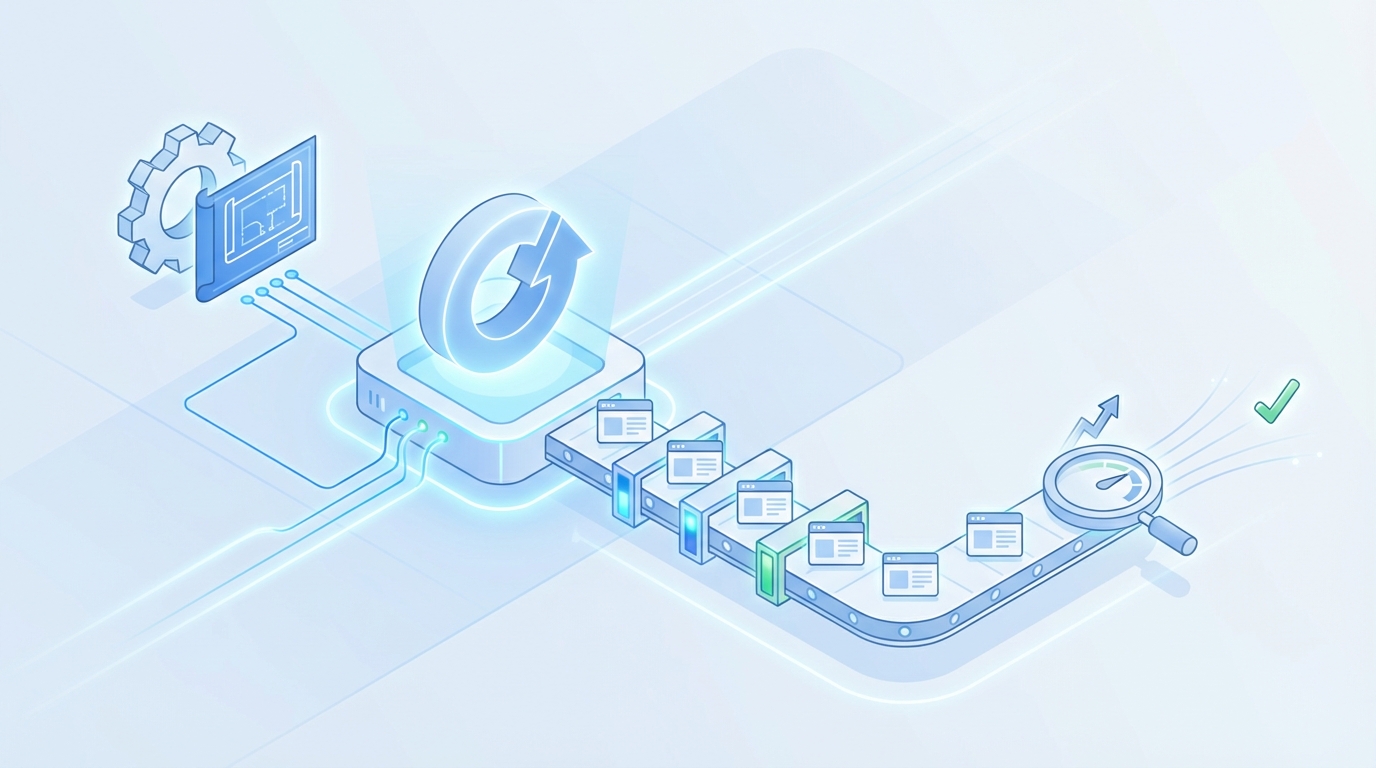
Automating technical SEO at scale means encoding rules once, applying them on every publish, and watching for drift. The work is front-loaded into governance and templates. After that, systems enforce decisions writers shouldn’t carry in their heads, so quality stays high while volume rises.
Baseline, Then Lock The Rules
Before you change anything, measure your current state. Quantify indexation errors, canonical conflicts, and internal link coverage by cluster. You can’t prove improvement without a baseline. Then write the rules that eliminate the top causes. Titles follow patterns. Canonicals resolve from your topic model. Indexation follows content state. Publishing becomes idempotent so re-runs don’t multiply pages.
From there, make templates pull from those rules, not free‑text. Humans still author and review. Machines handle enforcement. The aim is simple: remove 80% of foot‑guns that cause ranking loss, and cut manual SEO touches by more than half. You’ll feel the difference in two weeks of publishing.
To put it in order you can follow:
- Define your topic graph and representative URLs for each cluster This is particularly relevant for automate technical seo for.
- Encode canonical selection rules against that graph
- Lock title and meta patterns per content type in templates
- Generate internal links from graph relationships and anchor rules
- Add alerts for indexation, canonical drift, and orphan detection
Generate Internal Links From Your Topic Graph
Take your graph and decide how parents, children, and siblings relate. For each relationship type, define anchor patterns that map to intent. Put link placement rules into templates so links land in predictable spots. Then let the system render those links on publish. Editors can override in rare cases, but they shouldn’t need to often.
As new content lands, your graph updates, and links refresh. That keeps clusters tight and discoverable. Readers get a clear path. Crawlers do too. You’ll see crawl coverage improve on new subtopics, and cannibalization drops as children route authority back to the representative URL.
No heroics, just mechanics done right every time.
- Practical linking rules to bake in:
- Parent anchors emphasize the core problem or definition
- Child anchors emphasize “how to” or specific angle
- Sibling anchors call out comparisons or adjacent questions
- Cap on-page generated links to avoid noise
Ready to see a governed path to automate technical SEO for scale without firefighting? Request a Demo
How Oleno Automates Technical SEO Guardrails While You Publish
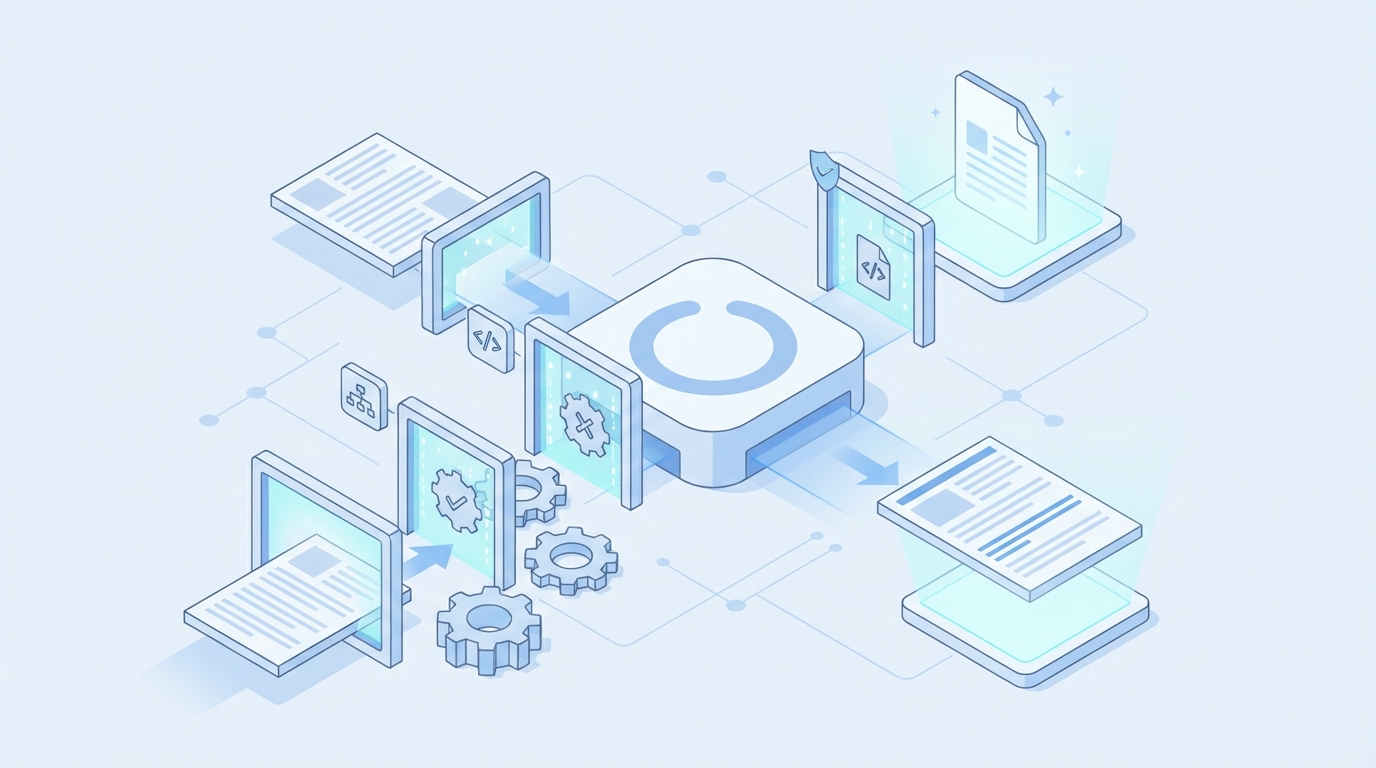
Oleno enforces technical guardrails by turning governance into rules the system applies every time. Brand voice and narrative stay consistent, but the key for scale is that SEO structures, canonicals, and links follow your model, not ad‑hoc choices. The result is steady publishing with fewer regressions.
Governance Makes Rules Real
Oleno starts by capturing how you operate, then applies it during Brief, Draft, QA, and Publish. Brand Studio locks tone and structure so templates don’t drift. Marketing Studio keeps narrative consistent across clusters. Product Studio grounds claims so content stays accurate and safe. The Knowledge Archive makes sources citable inside the system, so facts stay aligned with your truth.
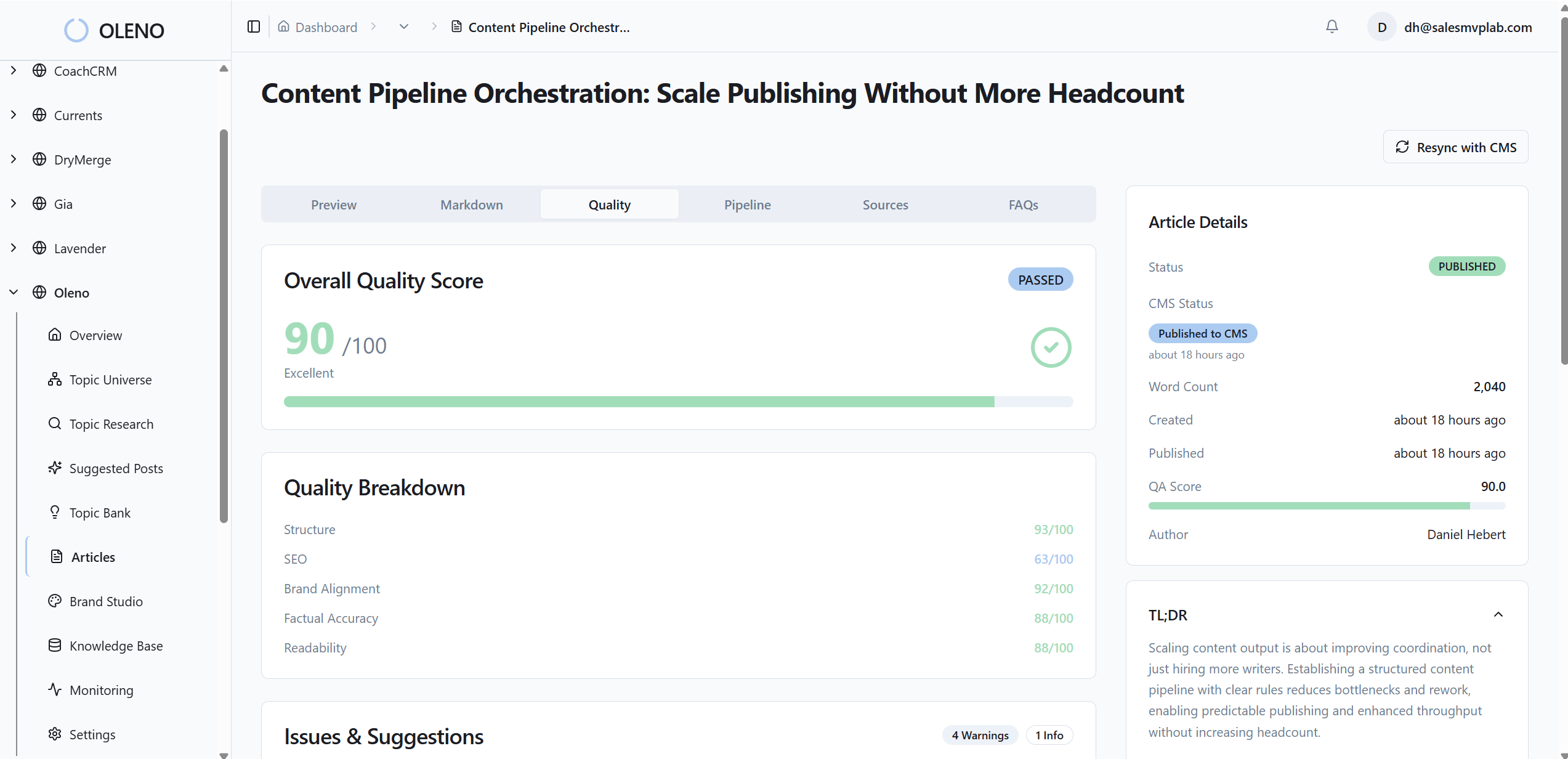
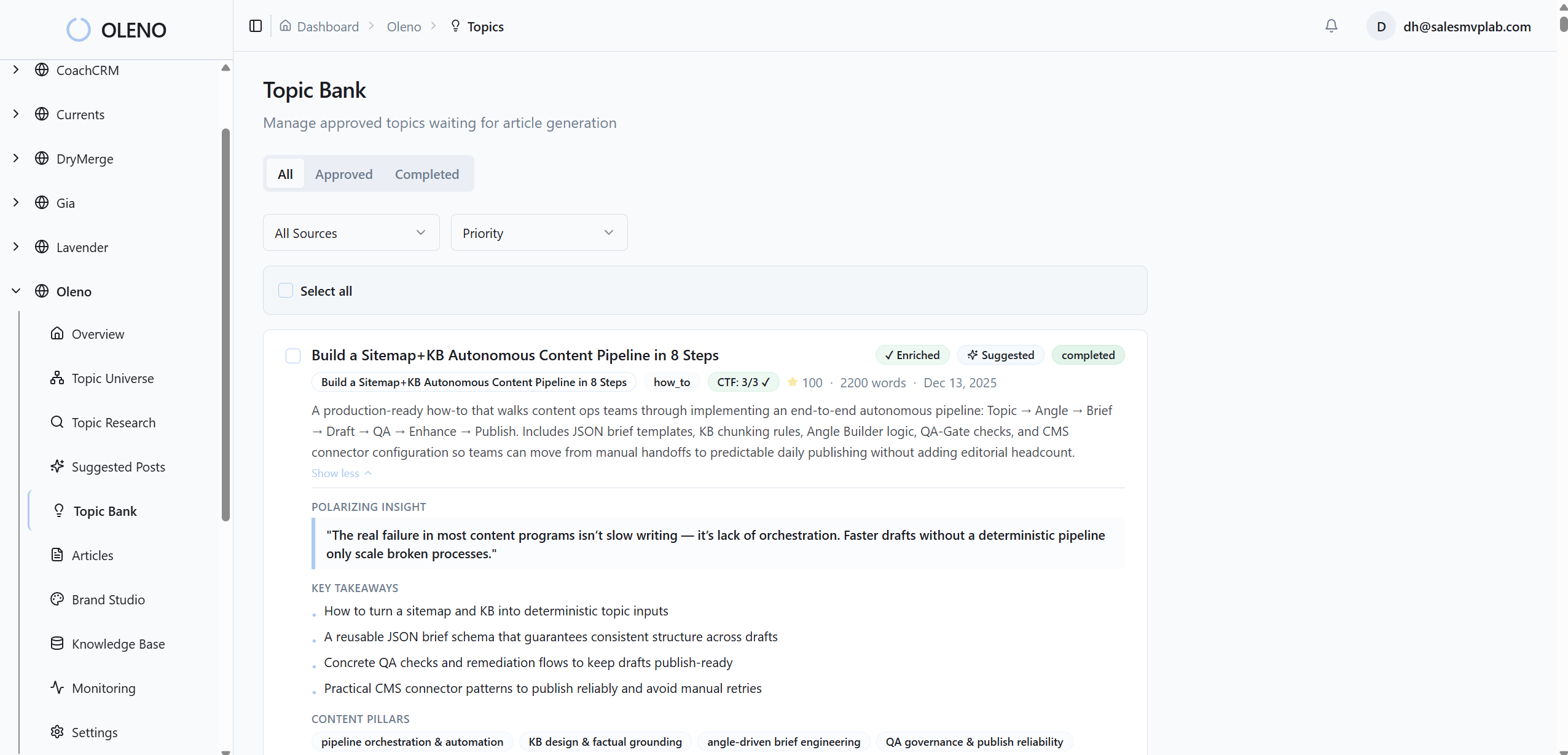
Where technical guardrails show up is in the execution. Programmatic SEO Content uses locked structures and readability checks so H2/H3 patterns stay consistent. Quality Control runs a non‑negotiable gate that catches structural and grounding issues before anything can publish. Measurement & System Health watches cadence and failure patterns, so you spot issues before they spread.
- Oleno capabilities that support technical SEO at scale:
- Programmatic SEO Content: Produces governed, long‑form articles with locked structures and duplication protection
- Quality Control: Blocks publish until voice, structure, grounding, and readability pass your standards
- Knowledge Archive Grounding: Centralizes approved facts so drafts don’t invent claims or drift
- CMS Publishing: Pushes approved content as drafts or live posts with idempotent checks to avoid duplicates
- Measurement & System Health: Surfaces trendlines and failure taxonomies so you can correct fast
From Draft To CMS, Idempotent And Reversible
Publishing is where drift usually sneaks in. Oleno maps fields to your CMS through APIs and checks for existing canonical IDs before it posts. That prevents duplicate URLs from re-runs and keeps canonical relationships intact. You decide draft or live. Scheduling aligns with your cadence. If something fails QA or governance, it doesn’t ship.
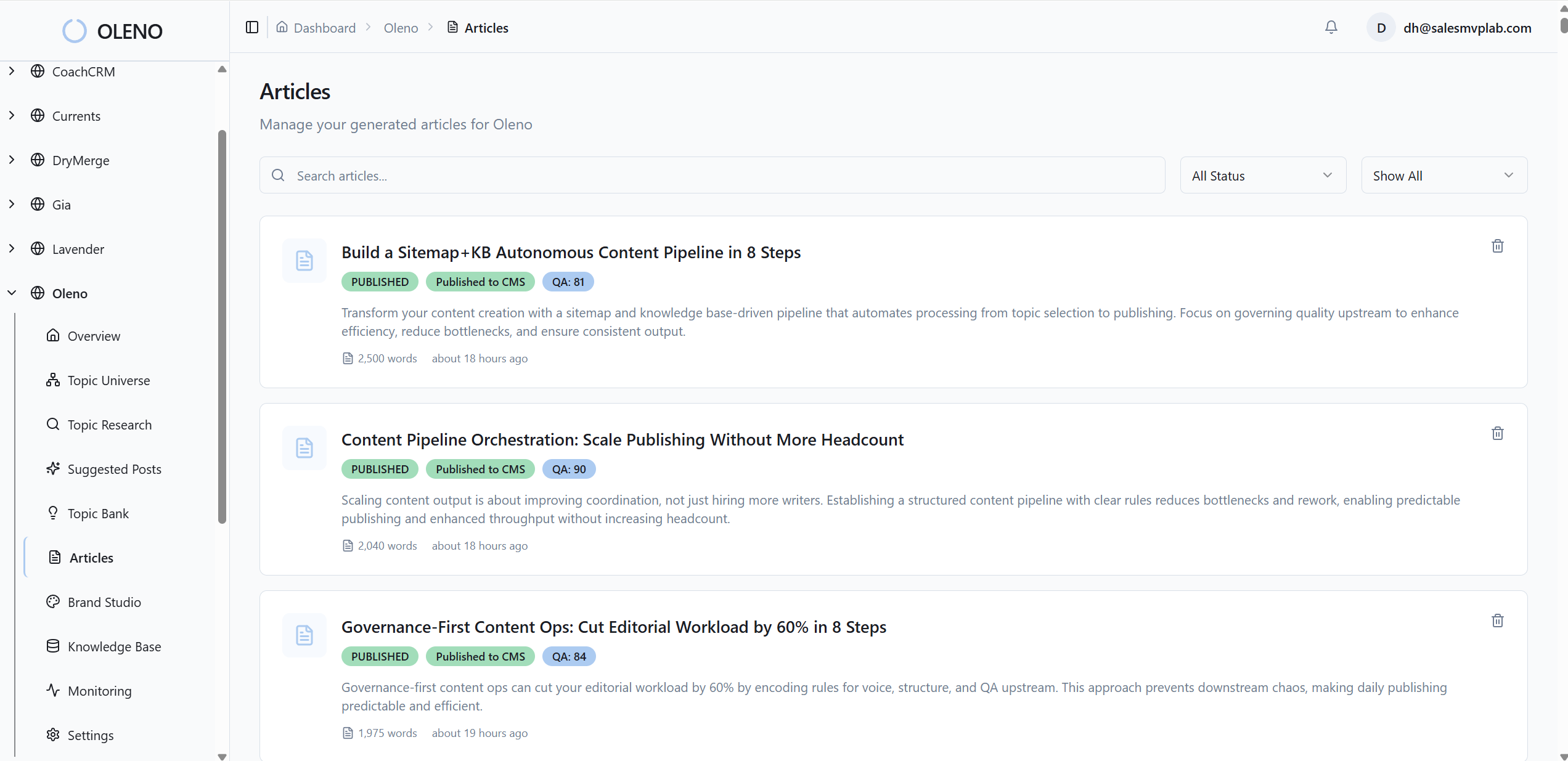
Tie that back to the costs we covered. Canonical conflicts fall when representative URLs are chosen by rules, not memory. Manual SEO touches shrink because titles, metas, and internal links follow templates and the graph. Editors do less rework. Leaders see stability in crawl and index states instead of surprise swings.
If you run WordPress, the REST API handles content creation and updates cleanly, which supports idempotent publishing patterns. You can find the reference in the WordPress REST API Handbook.
80% fewer canonical conflicts and far fewer manual SEO edits is the bar you should set for automation. Oleno is built to meet that bar in production, not slides. Want to see what that looks like on your stack? Book a Demo
Before you ship your next big cluster, lock the rules and let the system enforce them. Oleno’s Quality Control gate and CMS Publishing integration stop broken metadata, missing links, and bad canonicals from slipping out. If you’re ready to make that your default state, Request a Demo
Conclusion
Speed without guardrails is a trap. If you’re serious about scale, treat technical SEO as ops. Encode the topic graph, lock canonical and metadata rules, generate links from relationships, and watch indexation and canonicals like a hawk. Do that, and velocity becomes an advantage instead of a risk.
The aim is simple and measurable: cut indexation and canonical errors by roughly 80 percent, reduce manual SEO touches per article by about 60 percent, and keep crawl and index health stable as you grow from hundreds to thousands of pages. Small teams can absolutely get there. The trick isn’t more people. It’s a system that won’t let the basics break.
About Daniel Hebert
I'm the founder of Oleno, SalesMVP Lab, and yourLumira. Been working in B2B SaaS in both sales and marketing leadership for 13+ years. I specialize in building revenue engines from the ground up. Over the years, I've codified writing frameworks, which are now powering Oleno.
Frequently Asked Questions