12 Rules to Prevent Content Cannibalization Effectively

Most teams try to fix duplicate content with more editing. Feels productive. Doesn’t solve it. If you don’t enforce uniqueness before a single word gets drafted, including the rise of dual-discovery surfaces:, you’ll keep shipping rephrased versions of the same idea. I learned that the hard way across a few roles—fast output without rules equals rework, redirects, and a lot of awkward reviews.
When I ran Steamfeed, we hit serious volume by design—hundreds of authors, tons of angles, and yes, plenty of overlap. Later at PostBeyond and LevelJump, the failure mode flipped: thin time, founder-driven ideas, and ad hoc topics that sounded smart but cannibalized real search intent. Different teams. Same pattern. No operational rules meant the CMS became a dumping ground for duplicates.
Key Takeaways:
- Treat uniqueness as a governance problem, not an editing task
- Approve briefs only when they prove information gain and angle separation
- Canonicals, anchors, and cooldowns do most of the prevention work
- Link policy should funnel equity to primaries and clarify intent on peers
- Monthly audits catch drift; documented boundaries prevent repeat collisions
- Encoding these rules in your pipeline reduces rework and redirect thrash
Why Volume Becomes Noise Without Operational Rules
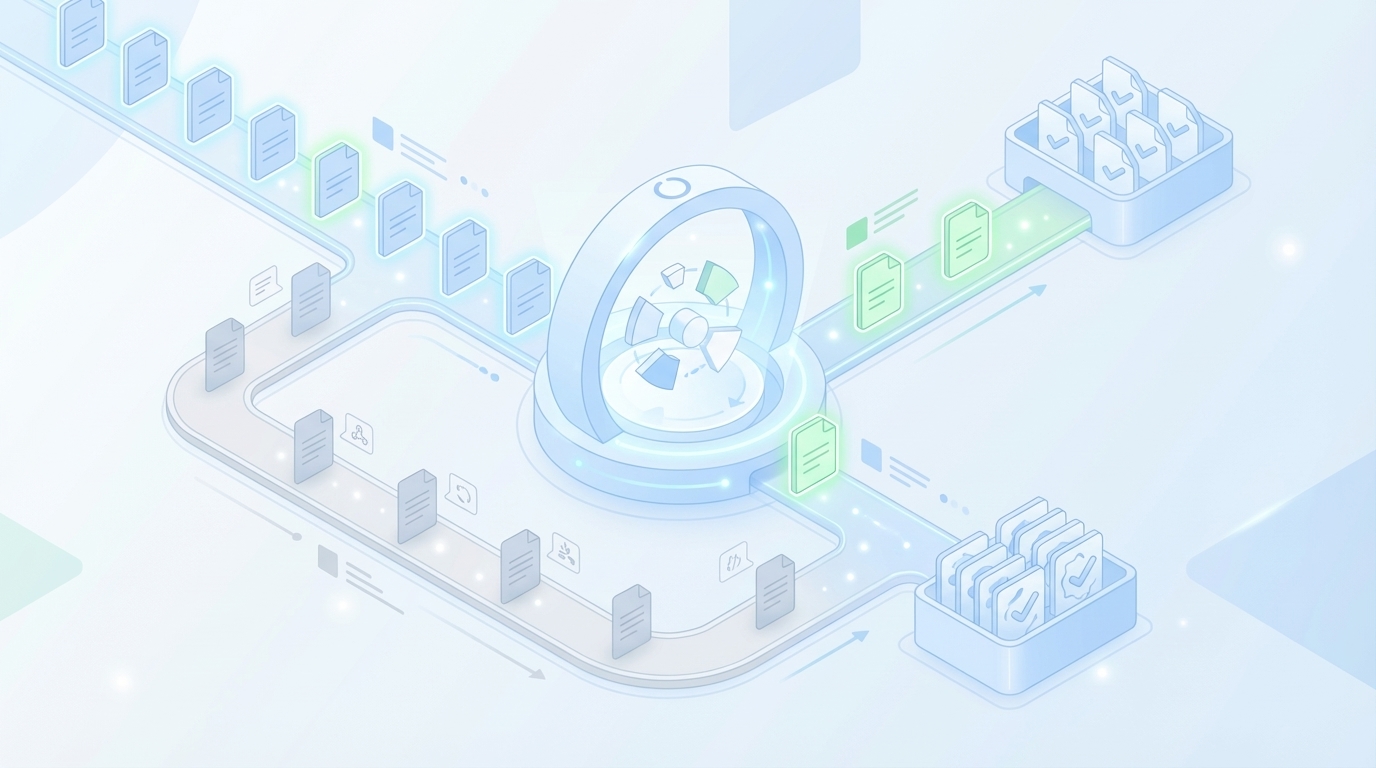
Publishing faster without operational rules turns scale into noise by multiplying near-duplicate angles and shallow rewrites. The real unlock is enforcing uniqueness upstream, before briefs are approved. For example, gating approvals on information gain and anchor discipline stops collisions before they hit your CMS.
The Checklist Mindset That Actually Scales
Uniqueness isn’t a vibe check. It’s governance. If your team relies on heroic editors to catch overlap at the eleventh hour, you’ll burn cycles without fixing root causes. Write the rules down. Assign ownership. Decide thresholds. Then wire the checks into your approval flow so the system—not an editor’s gut—prevents repeats.
When this works, drafts arrive distinct by default. People still write with voice and nuance, but the structure guides them into new ground: different audience, different intent, different format. We used this model when bandwidth was tight; the more burden we shifted to rules, the less we fought over duplicates in Slack. Your future self will thank you.
Why One Keyword To One Page Is Not Enough
“Own one keyword with one page” sounds clean. It misses how duplication actually happens—by angle, including the shift toward orchestration, by format, and by cluster neighbors stepping on the same head term. The blog post, the comparison page, and the template can all blur. If you don’t gate for difference at the brief stage, you’ll create siblings that rhyme too closely.
Define canonical pages per cluster and intent. Force every new brief to justify its difference up front: new format, new persona, new use case, or don’t ship. I’ve seen teams with solid keyword maps still collide because formats and audiences weren’t separated. The map helps. Angle gates prevent the subtle stuff.
What Signals Are You Sending To Search And LLMs?
Search engines and LLMs read structure, anchors, and hierarchy as priority signals. Mixed anchors, sibling pages reusing H2s, and missing canonicals blur your story. You’re teaching machines what’s primary every time you link or repeat a heading. Make it explicit. Pillar-to-cluster links should be consistent, not improvised.
If you need a quick primer on intent alignment and consolidation tactics, steer a strategist to Yoast’s guide to keyword cannibalization. Use it as a sanity check, not a replacement for policy. The fix is operational: clear canonicals, anchor discipline, and outline separation that’s enforced, not hoped for.
What Really Causes Cannibalization Inside Teams
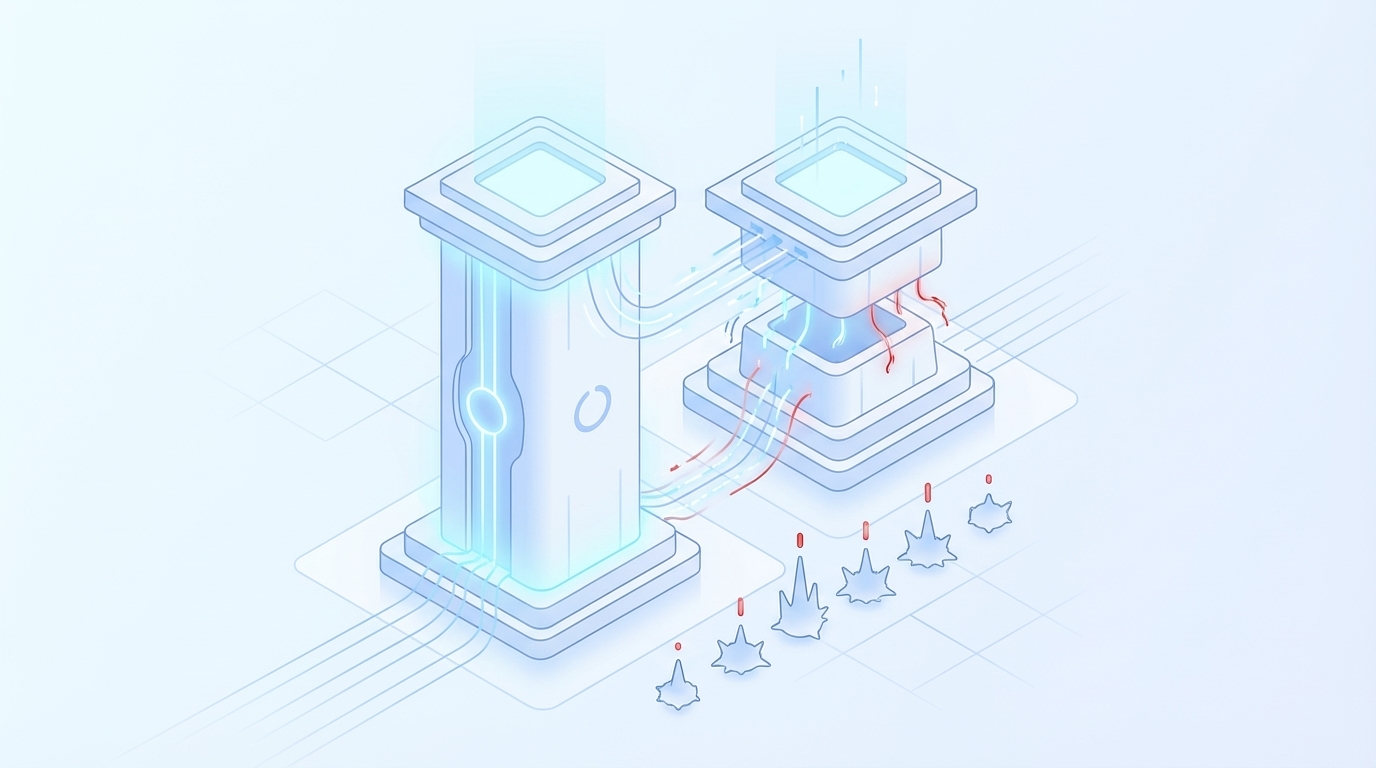
Cannibalization is not a writer problem; it’s a pipeline problem. Fragmented tools, fuzzy ownership, and no topic cooldowns let multiple authors chase the same SERP with lookalike outlines. Internal links go sideways. Headlines rhyme. Your CMS says “sure.” Fix the upstream causes and duplication drops without heroics.
Fragmented Workflows Create Accidental Duplicates
When strategy, briefs, drafting, and publishing live in different tools, no one sees the full picture. The writer chasing a timely topic can’t see that a teammate queued a similar angle last week. Create a single topic inventory with cluster ownership and route every brief through it. Ownership reduces collisions more than any editing checklist.
Cooldowns matter here. Without a per-topic cooldown, trends trigger pile-ons. I’ve seen three “hot takes” on the same head term in a month—each sincere, each overlapping. Codify a delay. Make exceptions rare and documented. Friction early saves merges later.
How Does Shallow Angle Reuse Slip In?
Writers reuse examples and frameworks because they work. It’s not malicious. It’s momentum. If you don’t require novelty at the brief stage—new data point, new case, new persona twist—the draft will reach for the familiar. That’s how we end up with the same three playbooks across half the cluster.
Force differentiation before drafting. Make it a gate: What’s new here? Which persona? What use case? If the brief overlaps with a canonical page or a recent sibling, redirect the energy into enrichment or a different intent. It’s less demoralizing than killing a finished draft later.
Internal Links Quietly Confuse Relevance
Links are votes. Random anchors and peer-to-peer links on the head term tell crawlers you’ve got two primaries. That’s how strong pages undercut each other. Set an anchor policy per cluster: reserve the head term for the canonical; use intent-clarifying anchors on peers. Your map should make priority obvious at a glance.
If you need a practical detection lens, skim the workflows in Nightwatch’s cannibalization guide. It’s a good reminder that prevention beats cleanup. Anchors aren’t decoration—they’re governance.
The Hidden Cost Of Duplicate Ideas At Scale
Duplicate ideas split rankings and soak time. You’ll waste hours planning, auditing, and merging while your best page loses clarity. Worse, LLMs may paraphrase a weaker sibling because your signals are muddled. That’s a brand risk, not just an SEO annoyance. Prevention returns time to creation.
What Duplication Does To Rankings And Pipeline
Two URLs competing for one head term often split impressions, clicks, and backlinks. Your flagship page underperforms, new drafts stall, and the cleanup work begins. Multiply this by quarters and your roadmap gets reactive. Consolidation helps, but the better play is blocking near-duplicates at the source with rules, anchors, and cooldowns.
I’ve watched mature clusters wobble after a single lookalike post siphoned internal links. Momentum died, and morale dipped. The operational fix is boring: a canonical owner, a link funnel, and a brief gate. That boredom saves quarters.
Want to see this prevention model in the wild? If you’re testing workflows, you can Try Generating 3 Free Test Articles Now and evaluate how upstream gates change downstream work.
A Quick Cost Picture You Can Sanity‑Check
Let’s pretend two near-duplicate pages each take eight hours to brief, write, and edit. You discover overlap three months later. You spend four hours auditing, three merging, and two redirecting. Twenty‑five hours for one mishap. Do that five times in a quarter and you just lost a full week of senior time.
Teams often underestimate the aftershocks—retrofitting anchors, updating internal links, and re-explaining the boundary to sales or support. That’s why consolidation examples, like the ones in Backlinko’s cannibalization guide, are useful to calibrate expectations. Cleanup is expensive. Prevention is cheaper.
The Frustration Of Watching Winners Undercut Winners
Nothing stings like a winner undercutting a winner. Your pillar earns links, then a new post reuses the same H2s and anchor phrases. Rankings wobble. Slack pings spike. The quarterly review gets awkward. You don’t need hero edits. You need rules that make repeats hard—and consolidation a clean, fast decision.
The Quarterly Review Nobody Wants
The deck blames “competition.” The problem lives at home. Sibling pages cannibalized the head term with careless linking and lookalike outlines. Developers don’t fix production incidents with vibes; they use runbooks. Content needs the same discipline—angle separation, anchor policy, and topic cooldowns enforced before writing begins.
Bring this into the open. Show the shared queries, the internal link drift, and the title similarity. Then change the process, not just the pages. That’s how you stop reliving the same review next quarter.
When A Flagship Page Gets Undercut By Its Sibling
Two peers linking to each other on the same head term look like two primaries. Google shrugs. LLMs pull mixed lines. The fix is decisive: pick the survivor, including why content broke before ai, migrate unique value, 301 the rest, and push all cluster links to the canonical entry. Do it fast, then update your rules so it won’t recur next month.
Need a simple playbook for the fixes themselves? This overview on practical cannibalization fixes is a decent refresher. But the durable solution isn’t in the one-off cleanup—it's in upstream governance.
The 12 Rules That Stop Cannibalization Before It Starts
The checklist that follows is meant to be auditable and, where possible, automated. Use it as policy and as a monthly audit. Most rules can be enforced in your brief template, topic inventory, or CMS gating so issues are blocked before publish and not retrofitted after the damage.
Rule 1: Assign Canonical Ownership Per Topic Cluster
One cluster, one canonical per primary intent. Document the URL, queries, and anchor phrases in your topic inventory. When everyone knows the owner and the chosen page, peer drafts naturally pivot to secondary intents rather than stepping on the head term. It’s basic, but it stops so many avoidable collisions.
That ownership should include the right to say “enrich the canonical” when new ideas don’t clear a differentiation bar. I’ve seen this save weeks of work. Consistency compounds.
Instructional key points:
- Define one primary URL for each cluster and intent
- Document target queries and anchors to avoid drift
- Require differentiation plans for any related proposal
Rule 2: Enforce A 90‑Day Topic Cooldown
Trends trigger pile-ons. Without a cooldown, you’ll approve three near-identical takes in a month. Set a 90‑day delay per head term or near-match angle. Add exceptions sparingly and only with a scoped enrichment plan that adds measurable information gain.
Cooldowns reduce collisions and force better timing. Sometimes waiting yields the better idea.
Instructional key points:
- Track topics and enforce a 90‑day delay for repeats
- Use the inventory as the system of record
- Allow exceptions only with a defined enrichment plan
Rule 3: Run A Brief‑Level Information Gain Check
Every brief should prove novelty before drafting: new data, new example, or a distinct framework. If it reuses the canonical’s methods or claims, pause. Either redirect to a different format/persona or enrich the canonical. The goal isn’t to block publishing—it’s to ship distinctive work.
Score the brief’s information gain and show reviewers the delta. Visibility drives better decisions.
Instructional key points:
- Require specific novelty elements before drafting
- Compare against canonical page content and H2s
- Use a simple score to visualize differentiation
Rule 4: Lint Titles And H1s For Uniqueness
Title/H1 similarity is a fast proxy for overlap. Add a linting step in your CMS or generator. If the draft’s title crosses a similarity threshold with any cluster page, stop and review. You’ll catch lots of “good” duplicates with this one rule.
Borderline cases deserve human judgment, but the stoplight should be automated.
Instructional key points:
- Add a title and H1 similarity check to your pipeline
- Set a threshold that stops near-duplicates
- Escalate borderline cases for editorial review
Rule 5: Use Canonical Tags And 301 Merge Policy
When duplicates slip through, consolidate decisively. Choose a survivor based on fit and performance. Migrate anything uniquely valuable, including why content now requires autonomous, 301 the rest, and update internal links. Document the merge and lock down head‑term anchors to the canonical so the wound heals cleanly.
Delaying a merge just prolongs confusion—for users and machines.
Instructional key points:
- Choose a survivor URL based on performance and fit
- Merge unique value, 301 the weaker pages
- Update internal links and anchors immediately
Rule 6: Standardize Anchor Text To Funnel Equity
Anchor policy is leverage. Reserve head-term anchors for the canonical. On peer pages, use intent-clarifying anchors that reflect secondary roles. Avoid peer-to-peer linking on the primary phrase. This alone can stabilize rankings inside a cluster that’s been cannibalizing itself.
It also keeps LLMs from mixing your signals.
Instructional key points:
- Reserve head anchors for the canonical page
- Use intent-clarifying anchors elsewhere
- Disallow peer links on the primary phrase
Rule 7: Diff New Outlines Against The Inventory
Before drafting, compare proposed H2s and bullets with the canonical and the last few posts in the cluster. If more than one-third overlaps, reject or reframe. Require new sections, new data, or a different content type. Save a diff report for audit trails so decisions don’t become debates.
It’s better to move upstream than to untangle two finished drafts.
Instructional key points:
- Compare outline structure to recent cluster content
- Set an overlap threshold that triggers a stop
- Capture a diff log for accountability
Rule 8: Separate Content Types By Intent
If you must return to the same topic, change the content type and query intent. Pair a how‑to with a comparison, a checklist with a use-case story, a playbook with a teardown. Different formats answer different searches and reduce cannibalization while expanding coverage.
Format is a strategic choice, not a cosmetic one.
Instructional key points:
- Map content types to distinct intents
- Require type differentiation for related topics
- Reflect the intent shift in title and H2 structure
Interjection.
Rule 9: Require Section‑Level Novelty
A draft should contribute something new at the section level—fresh data, a real case, or a proprietary framework—so readers and bots find real value beyond the headline. Make this a checkbox in the brief and verify it during review. If novelty is missing, enrich the canonical and cancel the new draft.
Discipline beats volume here.
Instructional key points:
- Add a novelty requirement to briefs
- Verify during review with citations or evidence
- Redirect thin ideas into canonical enrichment
Rule 10: Map Every Draft To Pillar And Cluster Links
No orphans. Every draft must link up to its pillar and across to at least three cluster siblings. After publish, add inbound links from those pages. This clarifies hierarchy, pushes equity to the canonical, and reduces ambiguity about which page owns which intent.
The link graph is part roadmap, part ranking signal.
Instructional key points:
- Force pillar and cluster linking in briefs and drafts
- Add inbound links post‑publish as a checklist step
- Audit monthly for orphan or mislinked pages
Rule 11: Audit Monthly Using Impression Cutoffs
Run a monthly overlap report—but focus on material pages. Use impression thresholds to avoid noise. Look for paired URLs sharing head queries, CTR drops after new posts, and anchor drift. Consolidate or re-angle quickly. Record which rule would’ve prevented the issue and update the playbook.
Audits aren’t finger-pointing. They’re feedback loops.
Instructional key points:
- Use impression cutoffs to focus on material pages
- Flag shared queries and post‑launch CTR drops
- Close the loop by updating your rules and docs
Rule 12: If You Keep Both, Document The Angle Boundary
Sometimes two pages stay. Fine. Write the boundary down. Define explicit modifiers like industry, persona, maturity stage, or use case. Update titles, H2s, and anchors to reflect the split. Add link constraints so these pages never compete on the same phrase again.
Ambiguity today is cannibalization tomorrow.
Instructional key points:
- Define explicit boundaries and modifiers
- Refactor structure and anchors to reflect the split
- Add link constraints to prevent future overlap
For a visual refresher on detection and consolidation patterns, this summary from Yoast on cannibalization detection pairs nicely with the meta workflows outlined by Nightwatch’s detection overview. Use both as references while you implement the rules.
How Oleno Enforces These Rules At Scale
You can run this checklist by hand, or you can encode the heavy parts in your pipeline. Oleno reduces repeats by moving enforcement upstream, scoring briefs for differentiation, and making internal linking and publishing deterministic instead of manual. It doesn’t promise perfection, but it changes the baseline.
Topic Universe Tracks Coverage, Ownership, And Cooldowns
Oleno maps your topic landscape into clusters, labels saturation, and enforces cooldowns before you re‑cover the same area. That directly supports canonical ownership and 90‑day delays. The practical benefit: proposals auto‑align to gaps, not duplicates, so fewer ideas collide and your pillar structure strengthens without more headcount.
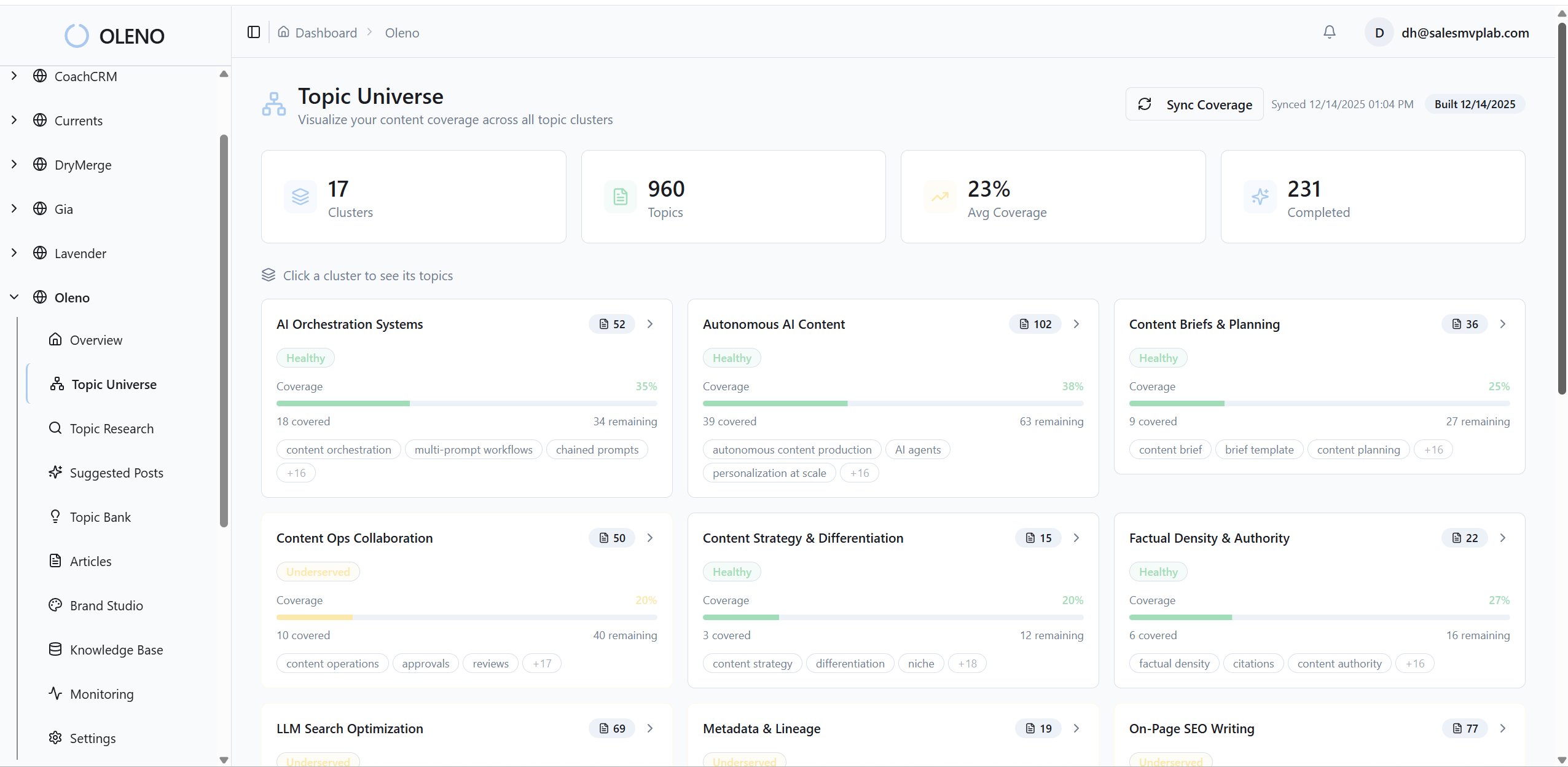
When coverage is visible and governed, teams stop stepping on the same head term. The system nudges them where authority is thin instead.
Instructional key points:
- Cluster mapping clarifies canonical ownership
- Cooldowns reduce accidental re‑coverage
- Prioritization nudges teams toward gaps, not overlaps
Information Gain Scoring Flags Duplicate Angles Early
Before a draft exists, Oleno analyzes each brief for uniqueness and assigns an information gain score. Low‑differentiation outlines are flagged, which reinforces the brief‑level novelty rule. Writers start from a distinct angle, reducing shallow repeats and the “we’ll fix it in editing” spiral.
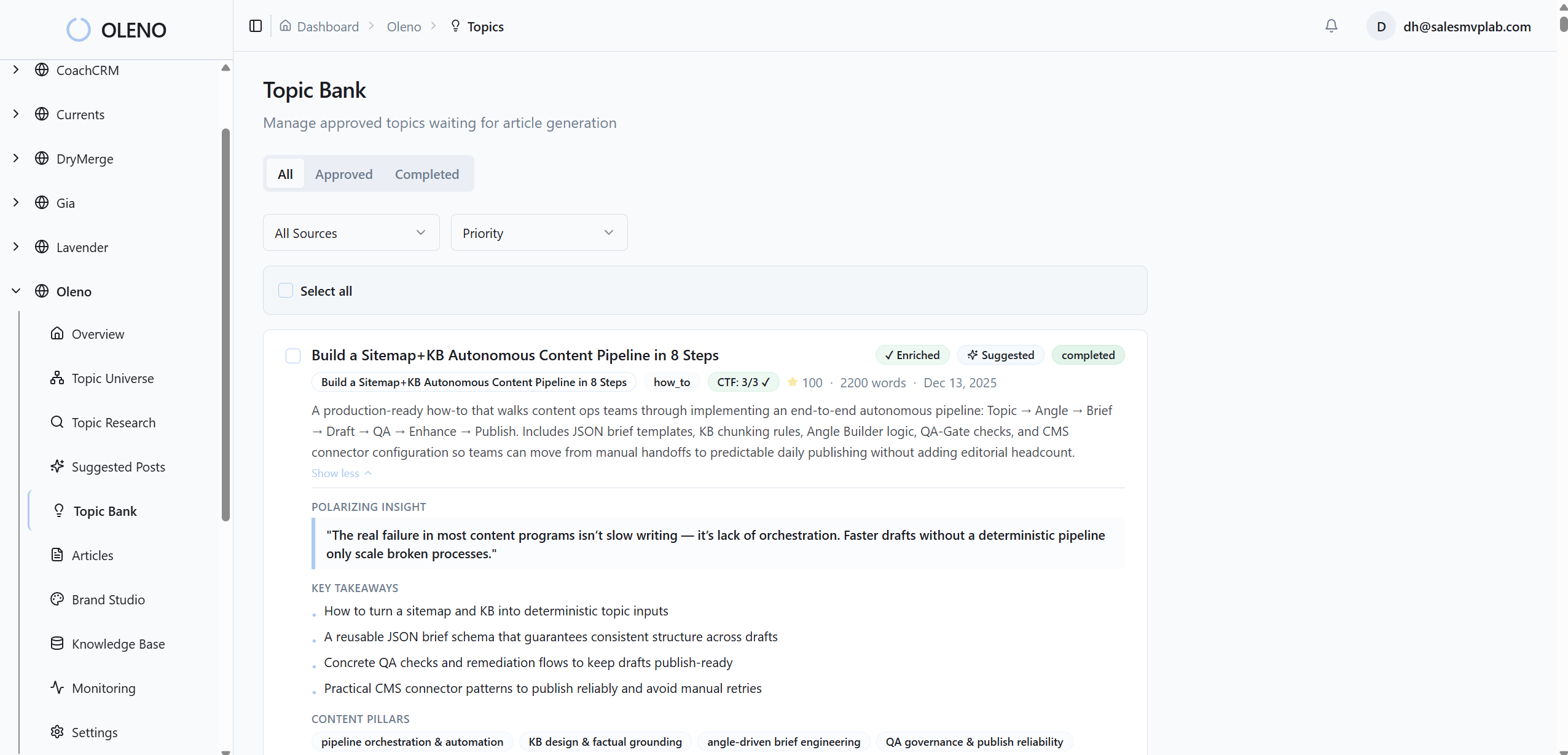
Reviewers see the delta, not just the pitch. That transparency speeds decisions.
Instructional key points:
- Competitive scan happens before writing
- Scores visualize what is new versus repeated
- Flags trigger revision or consolidation decisions
Deterministic Internal Linking Protects Canonicals
Internal links are injected from a verified sitemap with exact-match anchors that follow your per‑cluster policy. Head‑term anchors go to the canonical. Peers use intent‑clarifying anchors. Orphan pages get fixed programmatically. By controlling anchors at publish, Oleno supports the funnel you defined in your checklist.
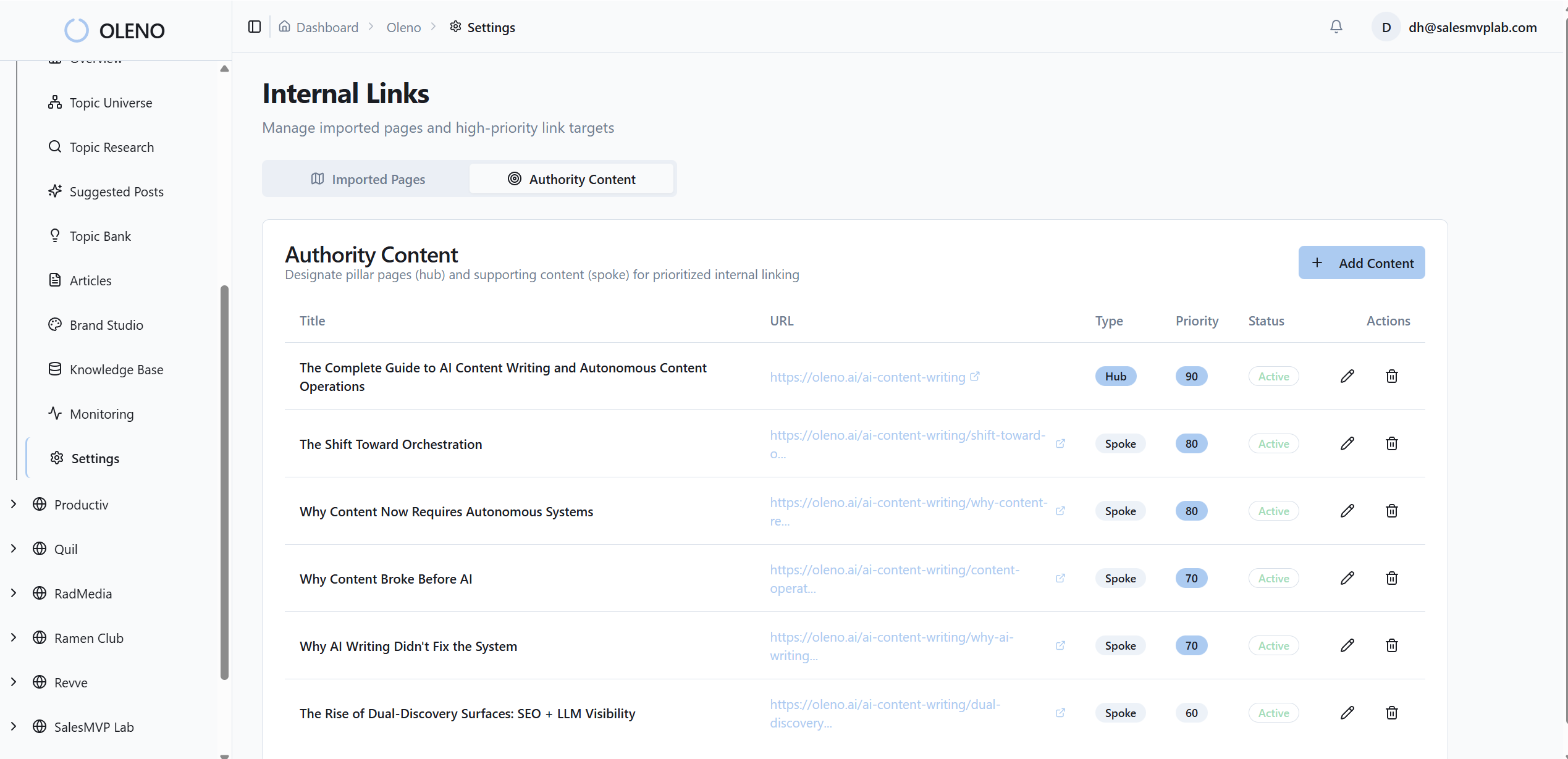
This is where rules become code and drift slows down.
Instructional key points:
- Links placed algorithmically with exact anchors
- Canonical‑first anchor policy enforced in code
- Contextual placement reduces noise across pages
QA Gates And Publishing Controls Prevent Duplicates At Source
Oleno’s QA checks titles, structure, and snippet readiness before publish. Publishing connectors map fields and prevent duplicates by design. Schema is generated automatically so sections stand alone cleanly, which makes intent legible to both search and LLMs. These gates backstop your title linting, merge policy, and monthly audits.
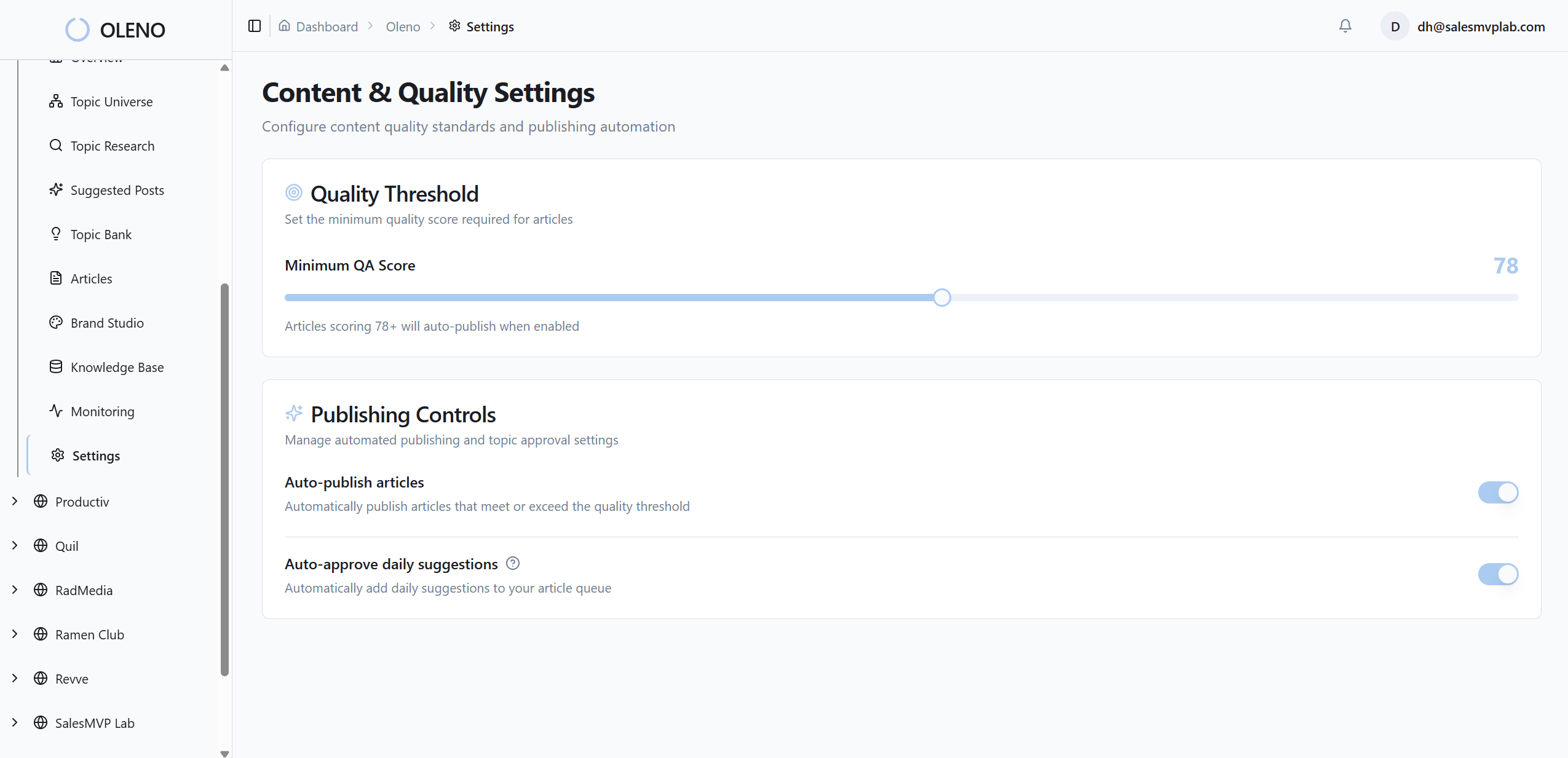
Fewer near-duplicate titles slip through. Merges are cleaner when needed. And shipping is less brittle.
Instructional key points:
- Title and structure checks happen pre‑publish
- CMS delivery is idempotent to avoid dupes
- Schema and section structure reinforce distinct intent
If you’d rather automate enforcement than police it manually, you can Try Using An Autonomous Content Engine For Always-On Publishing and see how the gates change your output in week one. Want a faster taste? Try Oleno For Free and run a few test articles through your rules.
Conclusion
You don’t need more edits. You need upstream rules that make duplication unlikely and consolidation uncontroversial. Treat uniqueness as governance: canonicals, anchors, cooldowns, and brief‑level information gain. Hand‑run it if you must. Or encode it so the system blocks repeats before they reach your CMS. Either way, you’ll trade frustrating rework for compounding authority.
About Daniel Hebert
I'm the founder of Oleno, SalesMVP Lab, and yourLumira. Been working in B2B SaaS in both sales and marketing leadership for 13+ years. I specialize in building revenue engines from the ground up. Over the years, I've codified writing frameworks, which are now powering Oleno.
Frequently Asked Questions