Co-Marketing Playbook: 6-Step Partner Campaigns That Drive Qualified Leads

Co-marketing looks easy on a deck. Big logo, joint webinar, two email lists, and a promise to “go to market together.” Then the actual work starts. Two systems, two calendars, two legal teams, and a funnel that only half overlaps. I’ve run these. Some worked. A lot looked good on the surface and quietly produced nothing.
The pattern is always the same. Brand halo covers for weak buyer fit. Ops gets bolted together the week before launch. Post-form routing is fuzzy, so sales doesn’t trust the leads. You get a spike in registrations and a trough in SQLs. If the math isn’t visible up front, you end up debating feelings instead of pipeline.
Key Takeaways:
- Validate partner fit with a scorecard, not logos, so you predict SQL yield before launch
- Standardize the operating model first (brief, SLAs, data contract), then produce assets
- Encode narrative, claims, and banned terms to cut approval churn across two brands
- Wire UTMs, hidden fields, and CRM mapping before design to save weeks of cleanup
- Start with three reusable templates and scale only after the pilot proves conversion
- Use a preflight checklist to catch broken links, missing UTMs, and routing gaps
Why Logo-First Partnerships Miss The Pipeline
Logo-first partnerships miss pipeline because brand recognition hides weak audience overlap and misaligned sales motions. Qualified leads require ICP congruence, a tight joint offer, and clean routing to the right rep. You can get 1,000 registrants and zero SQLs if the joint value isn’t explicit. I’ve seen it.

The Mismatch Between Logos And Buyer Fit
Famous brands feel safe to pitch internally, but their audience often isn’t your buyer. Or the slice that overlaps doesn’t care about your use case. If your SDRs sell to mid-market revops and your partner’s strength is enterprise product teams, you’ll fill a list you can’t work. Pretty, not pipeline.
Start with segments. Define who actually buys, what triggers interest, how they evaluate, and what adjacent tools they already use. Then pressure test the partner’s list quality, not just list size. Ask for previous conversion rates into opportunities by segment. If they can’t share it, assume it’s lower than you want. That’s not pessimism, it’s adult math.
I learned this the hard way when we chased a better-known logo at a past company. We got 2,300 registrants and celebrated. Two weeks later, four opportunities. The overlap was shallow. Our message made sense to 10% of the list. The rest were window shopping. That stung.
The Difference Between Attention And Pipeline
Attention is registrations, views, and downloads. Pipeline is SQLs, opportunities, and revenue. You need both, but they are not the same thing. Attention spikes when the topic is broad. Pipeline rises when the offer is specific, the next step is obvious, and post-form motion is tight.
If you can’t forecast SQLs per asset, you’re probably tracking vanity. Define message-market fit for the joint use case, not the category. Decide what happens after the click, page by page. Landing page to form, form to CRM, CRM to owner. If that path takes a flow chart to explain, slow down. You’re not ready to launch.
A simple test helps here. Ask, “What problem does the buyer solve with both of us that they can’t solve with one of us?” If the answer is vague, you’ll work too hard to convert. If it’s sharp, your copy writes itself. You’ll see it in the sign-up rate and the meeting acceptance rate.
What Do Qualified Leads Actually Need From Partners?
Buyers want proof, clarity, and less risk. Integration proof beats a generic joint story. A narrow use case beats a “better together” claim. A de-risked next step beats “book a demo.” Spell out the combined outcome, show the path, and close the gap between interest and action.
That means your webinar isn’t a panel. It’s a walkthrough of the exact workflow buyers care about, with before and after metrics. Your guide isn’t a thought piece. It’s a step-by-step that a sales engineer could follow tomorrow. Your CTA isn’t “learn more.” It’s “see the integration working” or “get the checklist.”
If you need a place to start, borrow formats from partner programs that share specifics. The outlines in Impartner’s co-marketing plan are simple and focused on outcomes, not theatrics. Then make the use case yours.
Ready to stop logo-chasing and run partner plays that actually produce SQLs? Request A Demo.
What Actually Breaks In Partner Campaigns
Partner campaigns break because two companies try to ship one motion without a shared operating model. You’re juggling two CRMs, two MAPs, and two review paths. Without a common brief and SLA template, small decisions take weeks. Align the system first, then build content. That order matters.
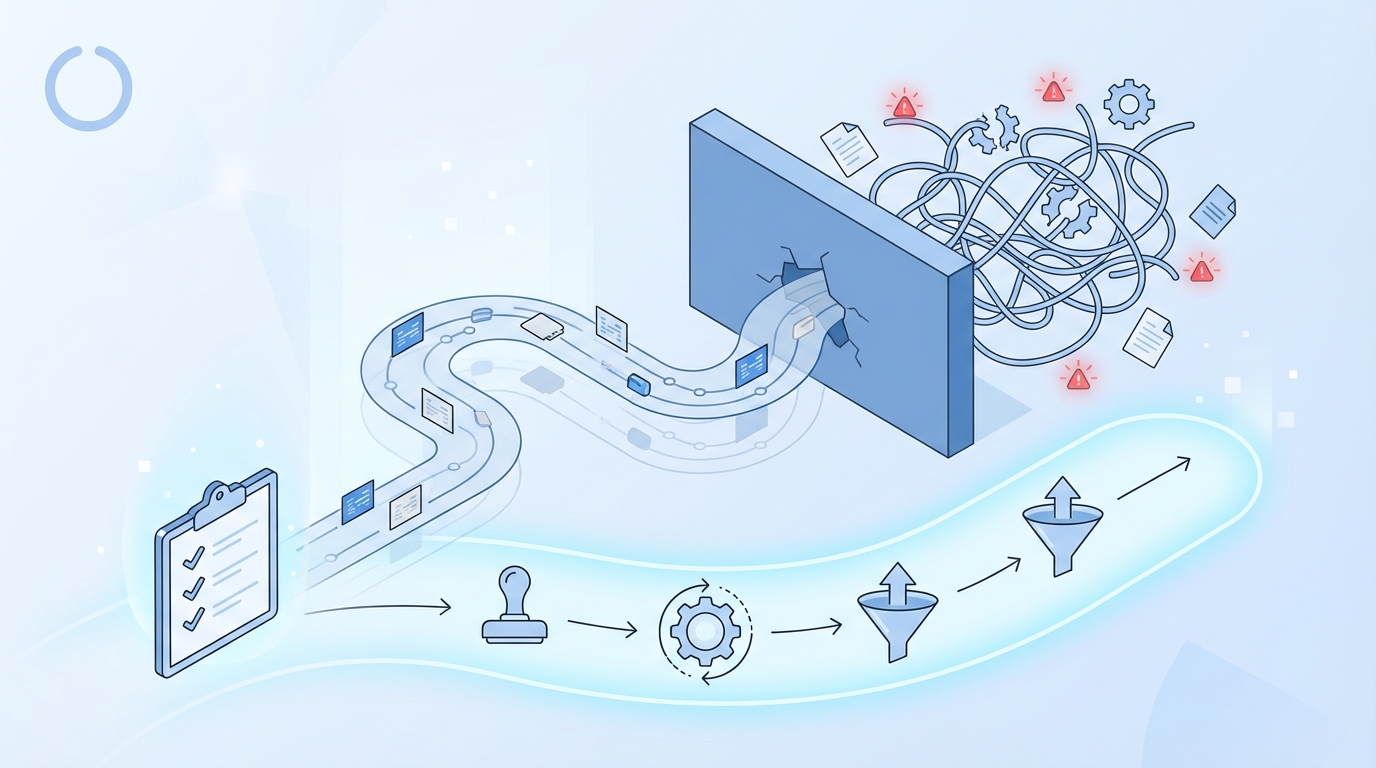
Two Companies, Two Stacks, No Shared Operating Model
On paper, it’s simple. In practice, your “one” campaign is stitched across different calendars, brand rules, QA gates, and tools. Someone owns landing pages in one tool. Someone else owns email in another. Sales wants one source value. Marketing wants another. You’re negotiating every trivial thing, which kills velocity.
Solve the operating model first. Agree on a single brief format, a routing diagram, and a review path with turnaround times. Decide what is a blocker and what isn’t. Set escalation rules with names, not roles. This makes approvals a checklist, not a negotiation.
And yes, it feels slow at the start. You’re writing the rules instead of writing copy. That time pays you back for the rest of the quarter. Your campaign hits dates without heroics. Your partner trusts the process, because it’s shared and visible.
Why Picking Partners By Overlap, Not Logo, Fixes More Than You Think
A partner-fit matrix forces clarity. When you quantify audience overlap, shared use cases, and historic conversion, all the fuzzy conversation disappears. You avoid misaligned campaigns before they start. You also move faster, because the plan maps to shared outcomes, not “awareness.”
Score partners on ICP congruence, list reach quality, integration story strength, and prior pipeline created. Weight criteria by business goals. If a partner can’t clear the floor, you pass. No hard feelings. It’s just math. And when a partner does clear the floor, you both commit to execution, because the prize is clear.
For structure ideas, the outline in Channeltivity’s partner marketing guide is practical. Use it as a starting point, then switch their generic fields for your exact segments and ops rules.
Where Most Teams Underestimate Complexity
Complexity hides in the glue work. Legal review sounds like a day, then turns into a week. Brand rules are “light” until the partner bans your favorite claim. UTM strategy “should be standard,” but you’ll find six versions of source and none of them match. Each line item is small. Together, they stall you.
The fix isn’t more meetings. Encode what’s negotiable and what isn’t in the brief. Pre-commit a data contract that defines UTMs, hidden fields, and source mapping. Write a governance checklist that covers claims, banned terms, and disclaimers. Once these are in the brief, you enforce rules without arguing every time.
If you prefer a different perspective, the walkthrough in the Introw partner marketing guide covers coordination pitfalls that show up late. The patterns are universal. The guardrails are boring. That’s why they work.
The Hidden Costs Draining Your Partner Budget
Hidden costs in partner campaigns come from coordination debt, not ad spend. You leak hours in review cycles, clean-up work, and attribution rework. If you standardize UTMs, claims, and approval paths up front, you cut most of this drag. The rest is discipline and a checklist before launch.
Let’s Pretend One Webinar Burns 60 Hours And Yields 0 SQLs
Walk the math. Six people times ten hours each across topic alignment, design, copy, landing pages, email, rehearsal, and follow-up. Add legal. Add approvals. That’s 60 hours before you count post-event routing. If form fields don’t enrich cleanly, or the list wasn’t ICP, you just spent a week of team time for noise.
Multiply by three quarters. That’s two to four weeks of human time with nothing to show. The opportunity cost is real, and it compounds. You didn’t just miss this quarter’s pipeline. You delayed learning, so next quarter starts at zero again.
This is why a partner-fit matrix and joint value workshop are non-negotiable. They improve your odds before production starts. Friction avoided here shows up as sales conversations, not internal standups.
Attribution Gaps That Erase Your Work
If UTMs are inconsistent or your CRM can’t reliably separate partner-sourced from partner-influenced, your true ROI disappears. You’ll make bad calls. You’ll kill a working channel or double down on a dud. All because the data isn’t trustworthy.
Standardize UTM fields and enforce required parameters with validation. Add hidden fields to your forms for partner name and campaign ID. Map lead source and partner source in your CRM with a lookup, not free text. Lock scoring rules so manual edits can’t overwrite them. Then pressure test with dummy submissions.
If you need examples of field-level standards, the structure in Cisco’s partner marketing playbook is a good reference. Adapt the idea, not the exact fields.
The Slow Leak From Duplicate Work And Approval Churn
Every time copy drifts off-voice, or a claim gets rewritten, you lose a day. Every time a partner catches a banned term late, you redo design. That churn is silent, and it’s expensive. Most of it is avoidable if you encode voice, claims, and narrative rules once.
Give partners approved messaging blocks and banned terms at the start. Use a single copy doc with locked sections for claims and CTA. Add a “do not change” label to anything that legal already reviewed. Suddenly, reviews get faster because reviewers trust the template. You also reduce risk, because you’re not inventing language under deadline.
Still losing weeks to rework and attribution cleanup? There’s a simpler path. Stop manual patchwork and move to deterministic execution. Request A Demo.
When Good Logos Lead You Into A Dead End
Dead ends show up as clean launches with messy data, approvals that ripple through every asset, and leads that stall in two CRMs. The fix is boring and effective: preflight checklists, authority rules, and explicit handoffs. Make the rules visible before you start, not during the scramble.
The 3am Scramble To Fix A Broken UTM
You launch. Traffic spikes. Someone notices the medium tag is missing. Now no one trusts the numbers. You export CSVs and try to reconstruct attribution from timestamps. It’s not fun, and it’s avoidable.
Adopt a required UTM schema. Use validation at build time and a preflight checklist before any link goes live. Store partner and campaign IDs in hidden fields so you can reconcile performance even if a link slips. Then add a spot-check after the first 25 clicks. This is simple insurance.
This pairs nicely with claim governance. When you treat rules as code, not memory, surprises fade. If you want to see how teams formalize guardrails, the short guide from Total Expert’s co-marketing playbook covers the discipline side more than the hype.
The Approval Pileup No One Planned For
Legal asks for new disclaimers. Brand wants different phrasing. The partner insists on their CTA. Every change ripples through landing pages, emails, and social. You burn days, and nothing ships.
Decide copy authority up front. Lock banned terms and product claims before design. Freeze the offer and the CTA. Put the approval sequence and turnaround times in the brief. Now when changes come, they route through the path you already agreed to, not a DM war.
The teams that do this well don’t do more meetings. They do fewer, with better inputs. And they get time back to prepare presenters, tighten demos, and follow up well.
What Happens When Leads Stall In Two CRMs?
Two sales teams get the same lead, or worse, neither does. Owners change. Follow-ups get delayed. Each system thinks the other one is responsible. Your conversion rate quietly decays while everyone argues about logic.
Agree on lead flow before you launch. Who gets first touch. When you share. What the SLA is on handoffs and follow-ups. Map it to fields you can report on and verify ownership with a test submission. If you can’t explain the flow in 60 seconds, it will break under pressure.
For a second angle on partner pitfalls, the Introw partnership guide calls out common traps in the middle of execution. Use it as a checklist for what to pre-commit.
A 6-Step Co-Marketing System That Produces Qualified Leads
A reliable co-marketing system selects partners by fit, aligns on a narrow joint value, runs standard templates, and wires data end to end. It looks simple because the rules are encoded. The payoff is predictable SQL yield per asset. That’s the point of the program.
Step 1: Build A Partner-Fit Matrix
Start by scoring potential partners on buyer overlap, list reach quality, integration story strength, and historical conversion. Weight each criterion by your current goals. If you’re weak in mid-market, overweight that segment. If you need faster sales cycles, score down partners who skew enterprise.
Use a 1 to 5 scale per criterion and require a minimum composite score to proceed. Keep a short list of three to five candidates so you can pivot if approvals stall. This removes politics and simplifies “why them” conversations. Everyone can see the math.
The benefits start immediately. Your outreach is focused. Your workshop is grounded in a real use case. Your approvals move faster, because you framed the prize the same way.
Step 2: Run A 60-Minute Joint Value Proposition Workshop
Make the hour count. Align on ICP, problem framing, the better-together outcome, and one primary offer. Capture banned terms and required claims. Agree on the CTA and what happens after the click.
Leave with a one-page JV sheet, approved messaging blocks, and your first campaign template choice. The test is straightforward. Could a new marketer run with these notes tomorrow? If the answer is no, you weren’t done. Stay in the room.
This is also where you set the tone on accuracy. If a claim needs a source, find it now. If a phrase is off-brand for either team, cut it. You’re buying speed later.
Step 3: Use Reusable Campaign Templates
Start with three. A webinar, a co-authored guide, and a three-email nurture. Each template lists assets, roles, timelines, and review gates. Pre-bake copy blocks, UTM placeholders, and design specs. Repetition creates speed.
Paragraphs first, then small tweaks. That’s the cadence you want. Interrupting: brand polish is allowed, but only inside the rails. You’re not reinventing your campaign three times in two weeks.
Templates also reduce risk. When copy blocks are pre-approved, fewer surprises slip through. Legal moves faster. Partners can say yes sooner because you’re showing a finished shape, not a blank slate.
Step 4: Set SLAs, Governance, And A Data Contract
Define lead handoff timing, MQL criteria, and how disputes get resolved. Lock a content approval sequence with turnaround times for each stage. Put names to steps, not just roles. That’s what makes escalations real.
Write a data contract that covers UTMs, enrichment, required fields in both CRMs, and deletion rules. Add legal guardrails and banned terms to the brief. Make each item binary: pass or fail. The goal is an unambiguous checklist that a coordinator can enforce without a meeting.
When you put all of this in the brief, you stop arguing about process mid-stream. You focus on message, audience, and follow-up. The parts that actually change outcomes.
Step 5: Wire Attribution And Measurement
Standardize UTMs, implement hidden fields for partner and campaign IDs, and map lead source plus partner source in your CRM. Add scoring rules that reflect the joint offer, not your generic model. Document how you will report sourced versus influenced opportunities.
Run a preflight with dummy submissions. Click every link. Verify every field. Check owner assignment and scoring. If something misfires, fix it before launch, not after. This validation step is where most leaks are caught when the cost is low.
If you need a structure for ROI reporting, the approach in Collective OS’s partner strategy playbook covers planning through payoff in a logical arc you can adapt.
Step 6: Scale From Pilot To Program
Once the first campaign works, freeze the template. Codify onboarding, roles, and a quarterly ROI cadence. Package the JV worksheet, templates, UTM schema, and the SLA doc into a partner playbook. Add a short retro format so you capture what made the pilot convert.
Keep a backlog of qualified partners using your matrix so you always have the next launch ready. Then run the same system. You’re not trying to get clever. You’re trying to get consistent. That’s what scales pipeline.
One more point. Share wins and misses with the partner transparently. Trust compounds when you make the math visible. Decisions get easier next time because the criteria are clear.
How Oleno Powers Repeatable Co-Marketing Content, Without Running Your Campaigns
Oleno turns your co-marketing content into a reliable execution system. You set voice, claims, and the joint value once, then ship on cadence without babysitting every draft. It won’t plan campaigns or run events, but it will make your content production predictable so you can focus on partner management.
Governance Rules Keep Joint Assets On Voice And On Truth
Set brand voice, positioning, and product claims once, then apply them to landing pages, guides, and nurture drafts. Oleno enforces approved claims and banned terms so joint copy stays credible. This reduces rework late in approvals and lowers risk, because standards get applied consistently across assets from both teams.
When both sides operate from the same rules, the conversation shifts. Legal asks fewer clarifying questions. Product doesn’t flag phrasing on the eve of launch. You move faster, with less friction. And you do it without watering down the message to please everyone.
If you’ve ever lost a week to wording debates, the difference is obvious. You shift from memory and preference to policy that’s encoded.
QA Gates Prevent Drift And Reduce Review Cycles
Nothing ships until clarity, structure, and accuracy checks pass. Oleno’s QA gate catches tone drift, narrative gaps, and grounding issues before a partner ever sees a draft. That means fewer edits, fewer meetings, and less back and forth across two teams.
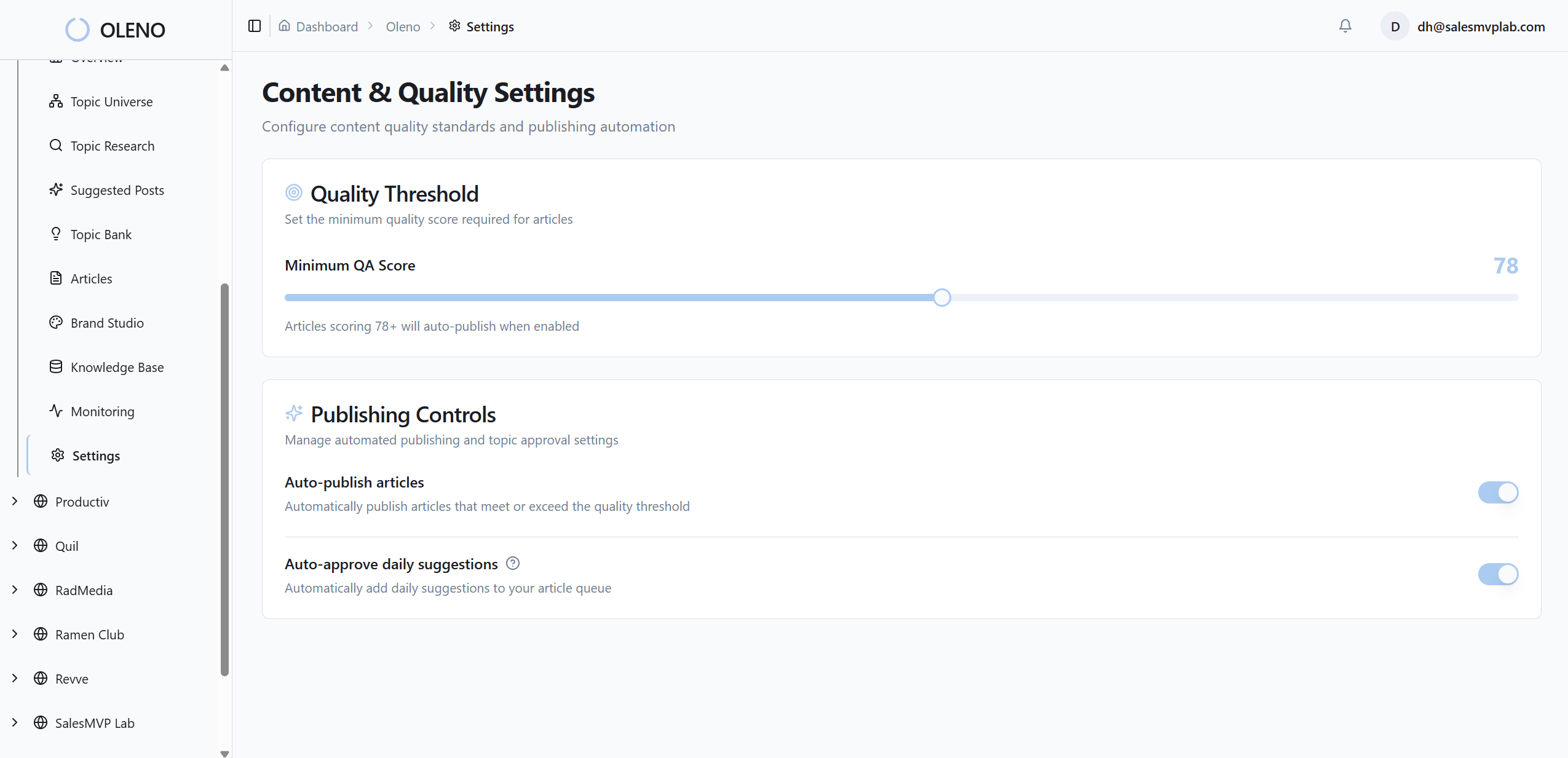
This is especially useful when multiple assets move in parallel. Your co-authored guide, the landing page, and the follow-up emails all carry the same voice and claims. Reviewers start trusting the baseline, which shortens every cycle. You spend time on the parts that matter, not rewriting the same paragraph three times.
Over a quarter, that time back turns into more launches, not just faster launches. Velocity compounds.
CMS Publishing And Optional Distribution Keep The Cadence
Publish directly to your CMS with idempotent control that avoids duplicates. If you enable distribution, reuse approved messaging across channels without inventing new positioning. This helps small teams ship on schedule, even when people get pulled into other work.
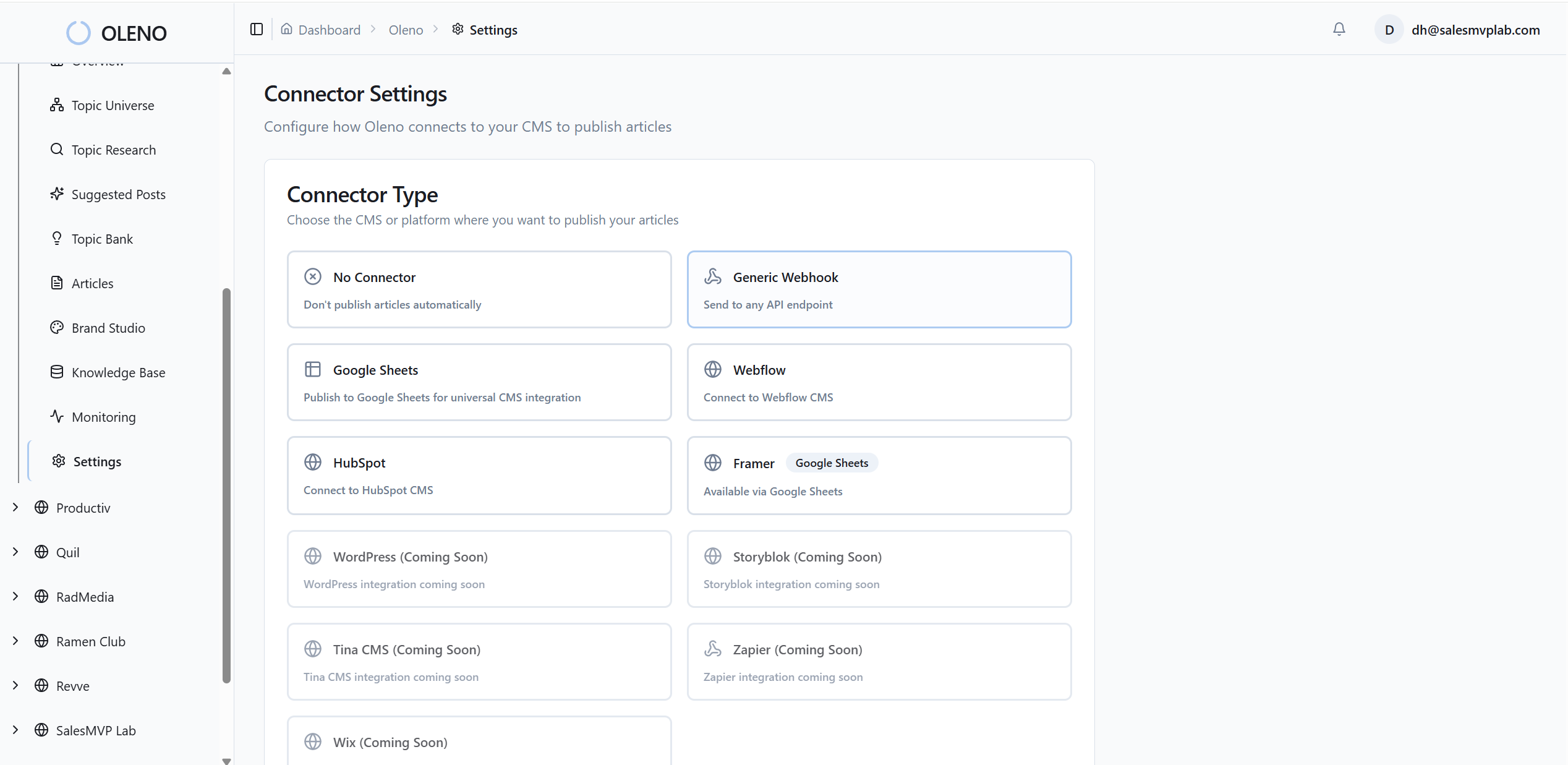
You set the cadence once and keep it. No campaign resets. No “we’ll publish when design is free.” The system maintains momentum while you manage the relationship and the sales follow-up. That separation of concerns is what makes the engine sustainable.
This is the difference between hoping content gets out and knowing it will. You can plan partner launches with confidence because the execution layer doesn’t wobble.
Knowledge Base Grounding Turns SME Notes Into Clean Drafts
Upload your internal docs, positioning, and proof points. Oleno grounds drafts in your real knowledge so co-authored guides and landing pages align to product truth. This is especially helpful when each company brings different expertise. You get credible, on-voice assets faster, without starting from a blank page.
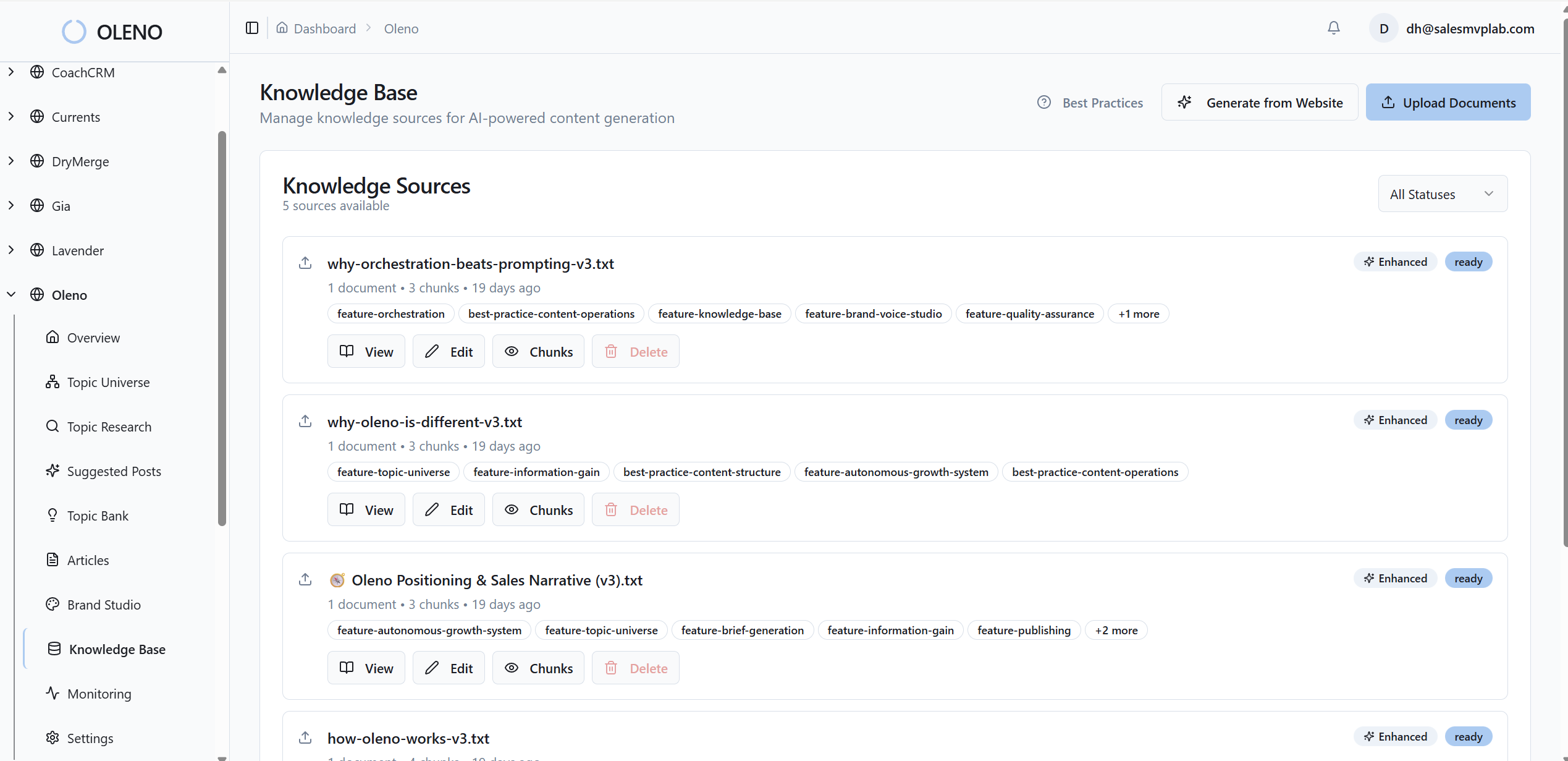
Grounding also reduces factual drift that tends to creep in when external teams write about your product. Claims stay within approved boundaries. Differentiators show up consistently. You keep authority without slowing the process down with endless reviews.
Note: Oleno doesn’t plan campaigns or run events. It makes your content execution reliable once your plan is set. Ready to turn your partner content into a system that ships every week? See Oleno In Action.
Conclusion
Co-marketing works when you pick partners by overlap, define a narrow joint value, and run a standard play with clean data and clear rules. The rest is just discipline. Encode the operating model once, then let a system handle the repetitive parts so you can focus on partners and pipeline. That’s how small teams turn logos into SQLs, predictably.
About Daniel Hebert
I'm the founder of Oleno, SalesMVP Lab, and yourLumira. Been working in B2B SaaS in both sales and marketing leadership for 13+ years. I specialize in building revenue engines from the ground up. Over the years, I've codified writing frameworks, which are now powering Oleno.
Frequently Asked Questions