Compliance-First Automated Content: Regulated Industry Workflow

Most teams assume they can bolt compliance on top of their content engine later. That’s the wrong bet. If you want compliance-first automated content to work, you have to teach the system your rules before it writes a single word. Otherwise, automation just multiplies risk and review overhead. I learned that the hard way, watching fast output turn into slow, expensive cleanup.
The pattern is simple to say and easy to miss. Compliance lives in people’s heads and scattered docs, so the machine runs blind. Then legal has to catch everything at the end. That’s slow, demoralizing, and costly. Flip the order. Encode rules first, then automate. Your output gets faster and safer at the same time.
Key Takeaways:
- Turn regulations into machine-readable checks before you automate anything
- Route only high‑risk items to human‑in‑the‑loop review to cut legal workload
- Log every publish with immutable versions and reasons to pass audits
- Start small with rollout controls, expand coverage only after passing thresholds
- Ground content in an approved knowledge base to prevent risky claims
- Enforce voice and message rules automatically so edits don’t drift into non‑compliant language
Why Compliance-First Automated Content Beats After-The-Fact Review
Compliance-first automated content works because rules live upstream in the system, not in a final manual gate. When checks run at brief and draft, risky claims never ship. You also keep tone and terminology in bounds, so reviews shrink. In practice, legal sees fewer items and better ones.
Where Automation Goes Wrong in Regulated Work
Automation fails in regulated work when it treats compliance like spellcheck. The model ships fast text, then humans scramble to fix risky parts. You carry the cost twice, once in creation and again in review. Worse, teams still miss things under deadline pressure.
Most orgs keep policy in PDFs, training decks, and tribal knowledge. Machines can’t use that. So the system keeps guessing, and guesswork in regulated content is a liability. The lever isn’t “better prompting.” It’s moving rules into the pipeline so the machine stops guessing at all.
Why After-The-Fact Review Fails at Scale
End-stage review feels safe. It isn’t. Volume rises, humans get tired, and the queue grows. People start waving things through to hit dates. That’s when incidents happen. And when one slips, you don’t just edit a line. You escalate, investigate, and sometimes disclose.
The irony is you could prevent most of it earlier with basic guardrails. Voice constraints catch risky adjectives. Claim allowlists block forbidden features. Grounding prevents made-up references. When those checks run before final review, legal becomes a scalpel, not a broom.
The Root Cause: Automation Without Compliance-Grade Inputs
The real problem isn’t AI. It’s running automation without compliance-grade inputs. If your knowledge base is thin and your rules aren’t machine-readable, the system will invent, drift, or over-claim. Then legal becomes a bottleneck, and trust erodes.
Symptoms You Notice vs The Real Risk
Slow approvals look like the problem. The real risk is inconsistent inputs. One writer uses old pricing, another uses a banned claim, and a third copies a tweet that never passed review. Legal fixes it once, only to watch the same mistake appear next week.
You may see rising “edits per piece” and assume quality is dropping. It’s not quality. It’s entropy. Without encoded rules, every contributor reinterprets compliance on the fly. That’s how drift becomes incident risk.
Translate Rules Into Machine-Readable Checks
Compliance becomes predictable when you translate policy into structured checks. Think allowlist terms, denylist claims, required disclaimers by use case, and approval chains for higher-risk categories. Machines can run those rules every time. Humans don’t have to remember them.
You don’t need every rule on day one. Start with the top five that actually catch incidents: claims boundaries, pricing references, unsupported use cases, required disclaimers, and audience restrictions. Add more as you see patterns.
The Costs of Skipping Compliance in Automated Content
Skipping compliance up front increases cost twice: you review more pieces, and you remediate more incidents. Each round also slows go‑to‑market. Over a quarter, that waste compounds. The hidden bill is the team’s time, morale, and the trust you lose with buyers.
Time Cost and Review Load
Every manual legal pass adds minutes that add up. If each review burns 23 minutes and you ship 200 pieces a quarter, you just lost 76 hours to checking what a machine could have flagged. That is two full work weeks with no net new value.
Those minutes don’t include context switching. Reviewers bounce from a landing page to an email to a long article. Cognitive load spikes, and accuracy drops. That’s how obvious mistakes slip.
Incident Risk and Remediation Cost
Incidents are rare until they aren’t. A risky claim in healthcare or fintech can trigger formal remediation, customer outreach, and leadership time. You don’t just edit the page. You pull logs, prove your controls, and sometimes engage counsel. The direct cost is painful. The trust cost is worse, especially when evaluating compliance-first automated content.
Regulators care about controls and proof. Frameworks like the NIST AI Risk Management Framework and AICPA Trust Services Criteria emphasize governance, monitoring, and auditability. Without system logs and version history, your defense is weak.
Hidden Opportunity Cost
Every hour in rework is an hour you don’t spend shipping useful work. Campaigns slip. Sales waits. Your brand looks slow. Most teams feel this as “constant chaos.” The real number is the pipeline you didn’t create because you were fixing preventable mistakes.
What It Feels Like When Compliance Is Manual for Compliance-first automated content
Manual compliance feels like late nights, Slack pings, and “one more pass.” You don’t trust your own system, so you rely on heroics. That burns people out. It also trains the org to accept slow as normal. You shouldn’t accept it.
The Late-Night Rewrite
You’ve been there. It’s 10:30 pm and a launch page has a banned phrase. Legal flags it. Product wants nuance. Brand wants tone. You rewrite under pressure, hoping you didn’t miss a second-order rule. That stress is the tax of a broken process.
I’ve seen teams celebrate the save, then repeat the mistake a week later. Saves are not systems. Systems are boring. Boring wins.
The Approval Ping-Pong
Ping-pong happens when ownership is unclear. Marketing writes, legal edits, PMM defends a claim, and leadership weighs in. The doc history reads like a novel. By the end, everyone is frustrated, and nobody wants to own the next one. That’s a cultural cost you can avoid.
When rules live in the workflow, you cut most of this back-and-forth. People talk about judgment calls, not basics. Meetings get shorter. Confidence goes up.
The New Way: Build a Compliance-First Automated Content Workflow
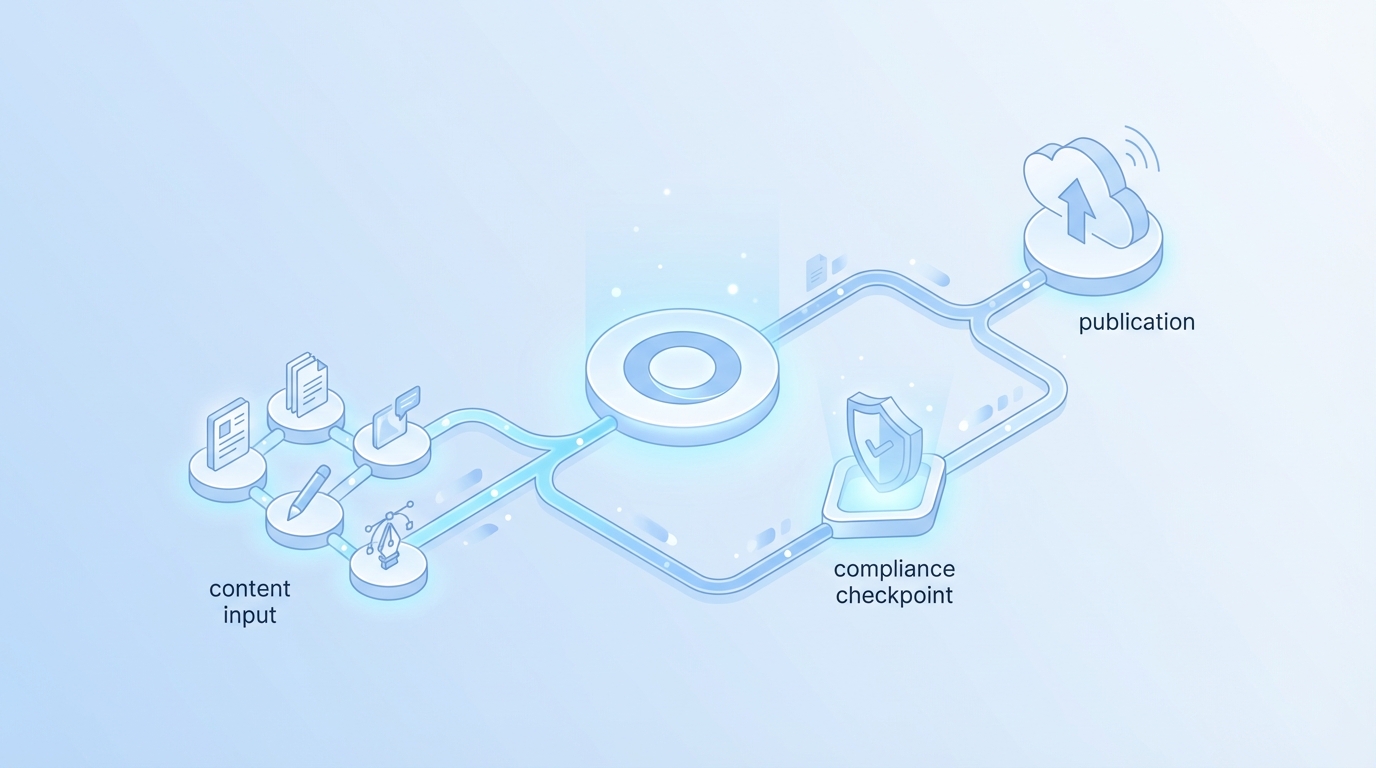
The new way encodes policy into the machine and routes only high‑risk work to humans. Content is grounded in an approved knowledge base, scored against voice and claim rules, versioned on publish, and rolled out behind guardrails. You get speed and safety together.
Build the KB First, Then Automate
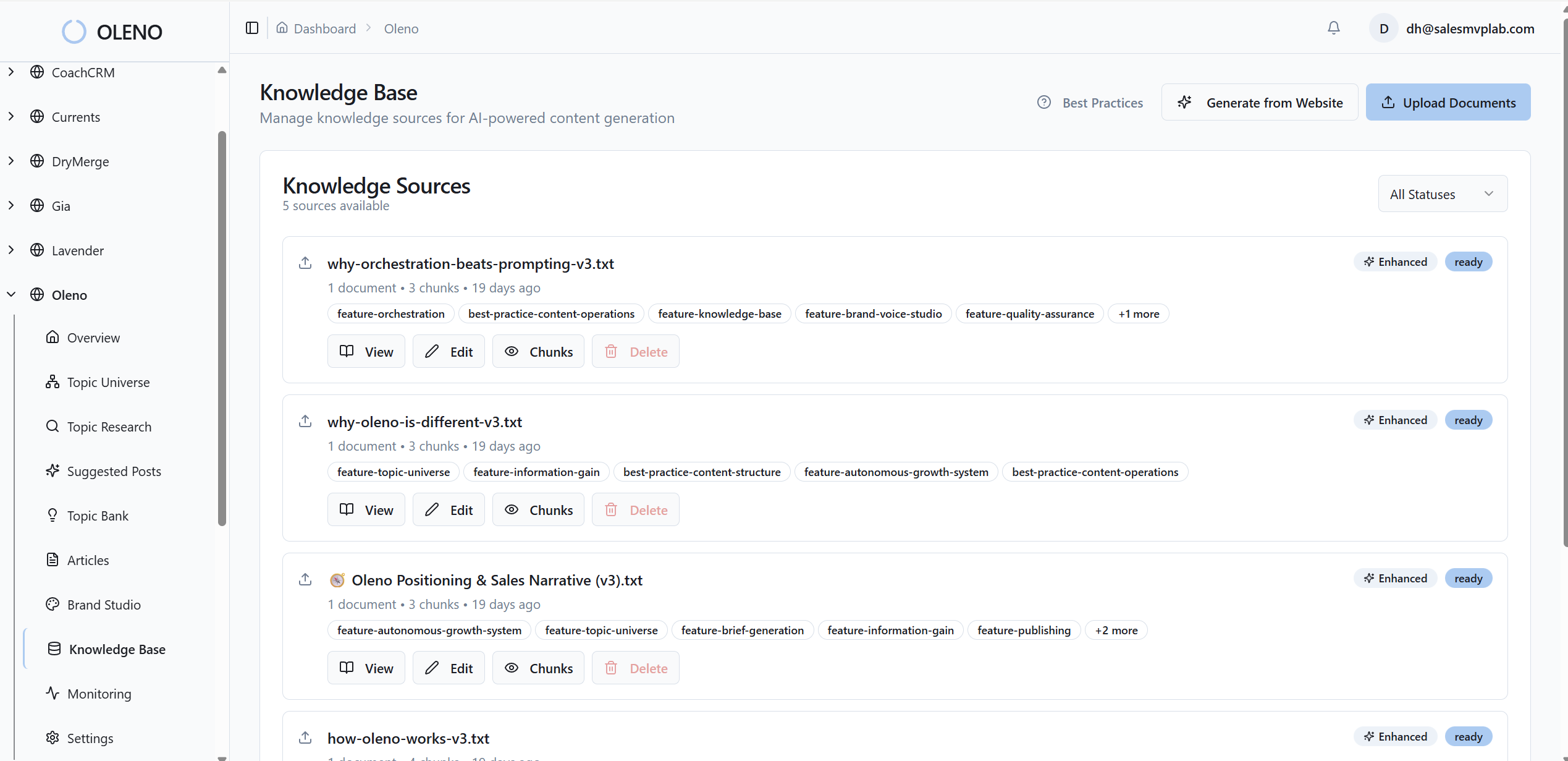
You can’t enforce truth you haven’t written down. Start by centralizing approved product descriptions, claims boundaries, supported and unsupported use cases, and pricing notes. That knowledge base becomes the single source the system retrieves from on every draft.
Keep it tight and current. Archive stale docs. Mark forbidden claims clearly. If a writer can’t cite it, it doesn’t go in the content. That one policy cuts a lot of risk.
Define HIL Escalation Triggers
Human-in-the-loop shouldn’t mean every piece. It should mean only high‑risk cases. Define clear triggers: new regulatory territory, sensitive verticals, competitive comparisons, or any claim outside the allowlist. Everything else passes automated checks and ships.
Escalation needs routing rules, response SLAs, and a short checklist. Make it predictable so legal can plan. The payoff is less review volume and higher review quality.
Ship With Audits, Not Vibes
Auditors don’t want a story. They want proof. Log every publish with version history, the rules that passed, and who approved exceptions. Use immutable records. When someone asks “why did this go live,” you can answer in seconds.
A short rollout plan helps too:
- Pilot on one content type, measure incident rate and review time This is particularly relevant for compliance-first automated content.
- Expand to adjacent formats after you hit target thresholds
- Add new rules only after you’ve proven stability
Want to see a compliance-first pipeline working end to end? Request a Demo
How Oleno Enables Compliance-First Automated Content
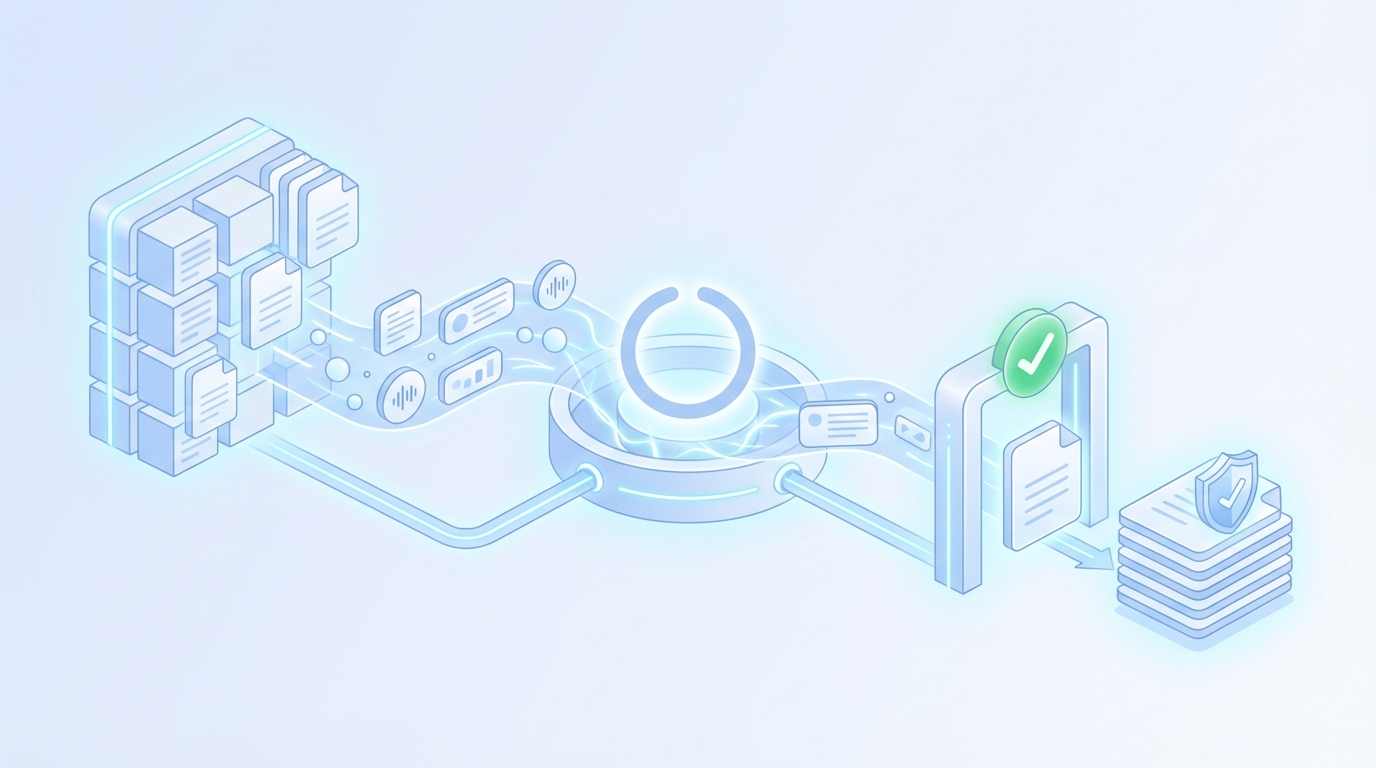
Oleno makes the new way practical by encoding voice, narrative, and product truth, grounding drafts in an approved archive, and enforcing a QA gate before anything publishes. It isn’t legal counsel, but it reduces review volume and catches risky drift early. That changes your day-to-day reality.
Governance That Locks Voice and Truth
Brand Studio captures tone, preferred terms, and CTA style so writers don’t wander into risky language. Marketing Studio encodes your point of view and category stance so content doesn’t overreach to make a claim. Product Studio holds approved features, boundaries, and pricing notes so the system stays inside what’s real.
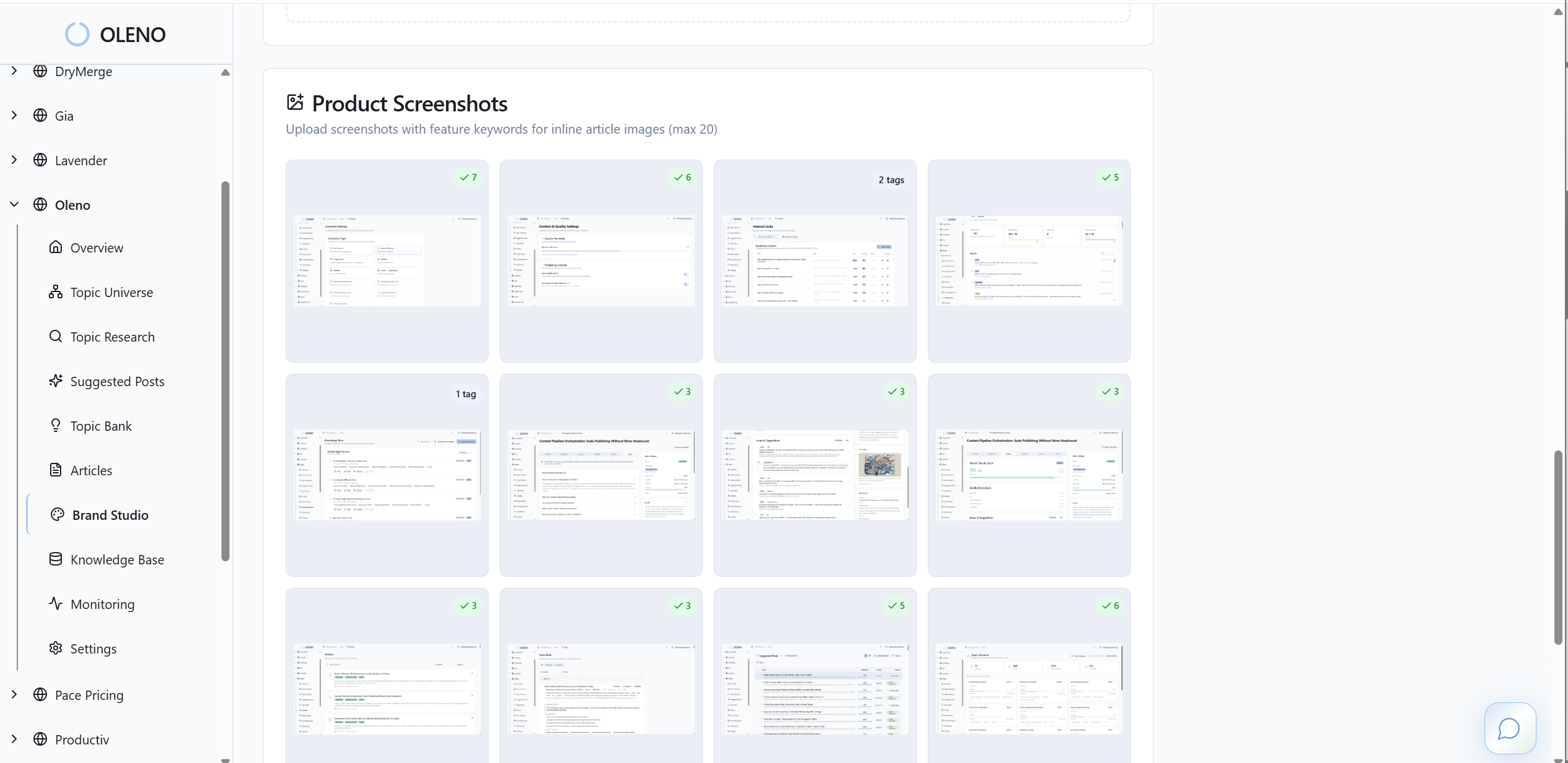
When those three run together, you cut the most common mistakes: banned adjectives, invented features, and off‑narrative claims. One setup, consistent enforcement.
Grounding and QA That Reduce Review Load
Oleno’s Knowledge Archive Grounding pulls from your approved docs during brief and draft. The QA gate then checks voice alignment, structure, clarity, and factual grounding before publish. If something fails, the system revises and re-tests. Legal sees fewer pieces, and the ones they see are better.
Tie this back to cost: if manual review burns 23 minutes per piece, a 60 percent reduction saves dozens of hours per quarter. That is time you can spend shipping, not fixing.
3x faster approvals are nice. Fewer incidents are better. Both come from encoded checks, not hope. Request a Demo
Operational Controls That Keep You Safe
CMS Publishing pushes approved content as drafts or live, with idempotent checks to prevent duplicates. Measurement & System Health tracks cadence and quality trends so you spot drift early. If you work in higher-risk categories, keep HIL triggers on and expand only after you hit your thresholds.
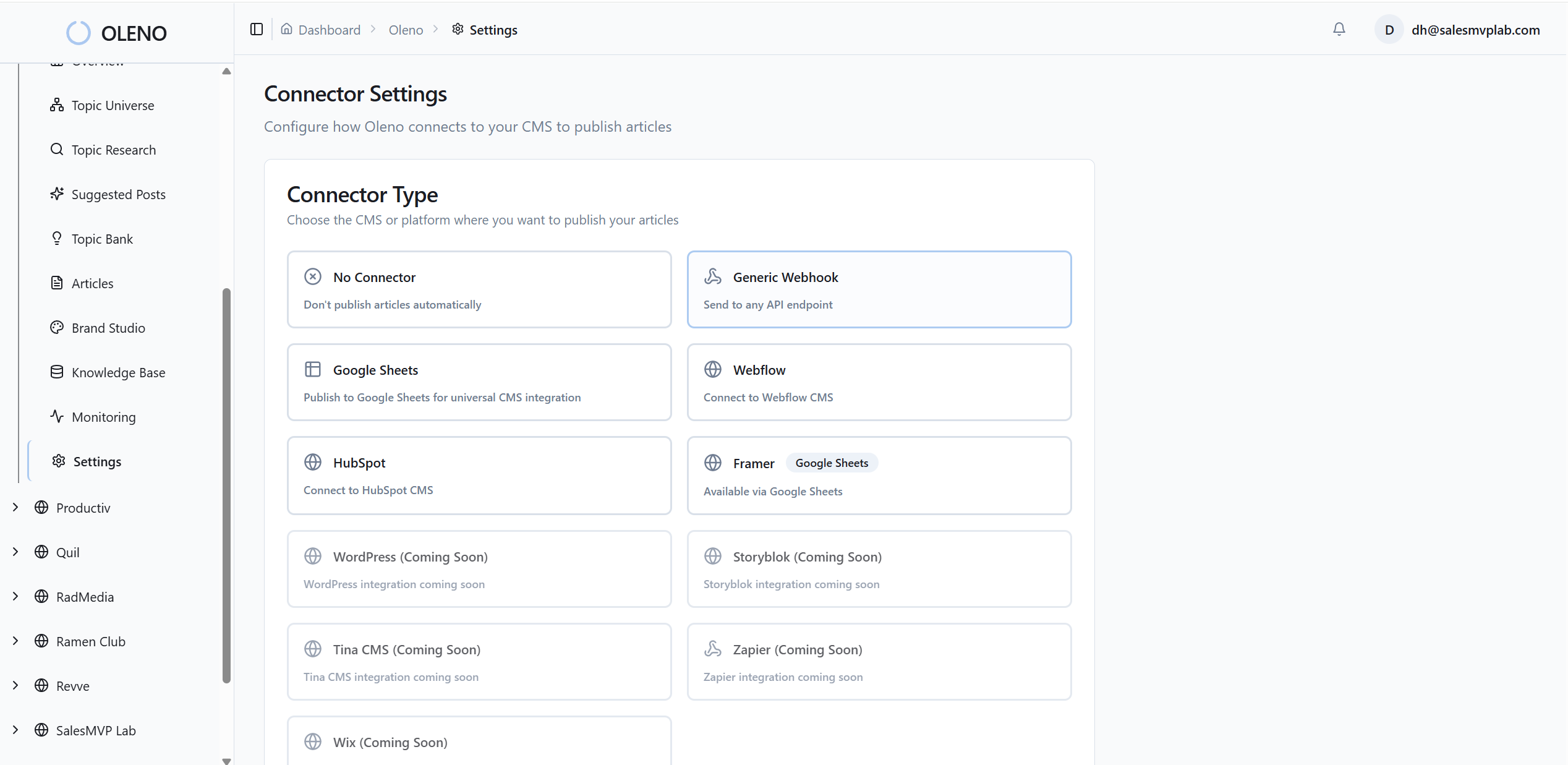
Oleno doesn’t replace legal. It reduces their load and gives them proof. In regulated contexts shaped by the EU AI Act overview and expectations like ISO/IEC 27001 information security, those audit trails matter.
Conclusion
Compliance-first automated content isn’t about slowing down. It’s about building a system where speed and safety reinforce each other. Encode your rules. Ground every claim. Escalate only when risk demands it. Then log everything.
Do that and you cut full manual legal review volume by roughly 60 percent and reduce compliance incidents by up to 80 percent. More pipeline, fewer pings, better sleep. When you’re ready to see it in your world, Oleno is built for this. Book a Demo
About Daniel Hebert
I'm the founder of Oleno, SalesMVP Lab, and yourLumira. Been working in B2B SaaS in both sales and marketing leadership for 13+ years. I specialize in building revenue engines from the ground up. Over the years, I've codified writing frameworks, which are now powering Oleno.
Frequently Asked Questions