Content Pruning & Refresh Schedule: Keep Topical Authority at Scale

Publishing more pages is not a growth strategy. It’s a tax. If you don’t run a content pruning refresh schedule, your library bloats, your topical authority gets fuzzy, and your maintenance cost creeps up every quarter. I’ve watched sites grow faster by cutting 30–50% of low-value pages, then refreshing what’s left on a set schedule. Counterintuitive, but true.
Here’s the usual story. You stack content for months, sometimes years. Then traffic flattens or slides, and everyone says, “we need more content.” Wrong target. You need a system that removes what’s stale, merges duplicates, and refreshes assets with real upside. That’s where a pruning and refresh schedule pays off—fast.
Key Takeaways:
- Set a clear KPI matrix for pruning and refresh decisions, so you stop arguing and start acting.
- Automate detection on decay, CTR drops, and cannibalization, but require human QA before anything gets deleted or merged.
- Prioritize micro-refreshes over full rewrites for near-term wins; reserve rewrites for pages with clear upside.
- Plan redirects and canonicals up front to preserve link equity during merges and deindexing.
- Expect to cut 30–50% of dead weight and lift median traffic per retained page by ~30% within 90 days.
- Track a simple weekly cadence: detect, decide, do—then measure and repeat.
- Treat “publish more” as the last lever, not the first.
Why Your Content Pruning Refresh Schedule Beats Publishing More
Publishing more without pruning reduces average page value, increases maintenance debt, and blurs topical authority. Search engines reward clarity, freshness, and consolidation of signals—not raw page count. Mature sites grow by pruning thin or duplicative pages and refreshing winners, for example merging four weak posts into one authoritative guide.
Publishing More Without Pruning Backfires
Most teams think traffic comes from volume. It doesn’t—at least not past the early stage. Once you’ve covered a cluster, more pages that say the same thing split clicks, dilute internal links, and confuse search engines. I’ve seen libraries with a dozen near-duplicates on one topic steal from each other.
The problem isn’t effort. It’s waste. Every extra page needs updating, monitoring, and links—or it rots. That rot drags down averages, which makes leaders panic and push for more content. The loop repeats. The library gets heavier and slower. Pruning breaks that loop by cutting dead ends and focusing equity.
Consolidation sends a clean signal. One strong page, fully refreshed, often outranks five scattered takes with thin updates. It’s simpler to maintain, easier to link to, and clearer for users. Buyers don’t want six answers. They want the best one, right now. Search engines respond the same way.
Signals Google Cares About, Not Page Count
Search engines care about helpful, up-to-date content that satisfies intent—not sheer quantity. Behavioral signals like CTR and dwell time show if you solved the problem. Technical signals like canonicals and redirects show how you consolidate authority. Links and internal structure confirm importance.
Page count becomes a vanity metric once your core topics are covered. I learned that chasing volume spikes that faded in weeks. The pages that stuck were the ones we refreshed with better examples, tighter intros, and clearer outcomes. Simpler answer, stronger signals.
So stop grading yourself on “posts per month.” Grade the library on median traffic per page, decay reduction, and conversion lift from refreshed assets. Those are the numbers that actually move pipeline. Page count can even drop while leads rise. That’s the goal.
The Real Problem: Inventory Bloat, Not Idea Shortage
The real problem isn’t a lack of ideas. It’s inventory bloat that hides winners and keeps losers on life support. Most libraries carry hundreds of pages with little traffic, overlapping angles, and stale claims. That bloat wastes crawl resources and splits internal links. A refresh schedule kills the noise.
Inventory, Not Ideas
Teams rarely run out of angles. They run out of clarity. Without governance and a pruning cadence, everything gets published, nothing gets retired, and the signal gets buried. You end up working on pages that can’t win while neglecting pages that could.
This isn’t a writing failure. It’s an editorial operations gap. No one owns the inventory. No one says, “these five pages are now one,” or “this post is past saving, retire it.” So the pile grows, and your best content competes with your own backlog. Expensive. Slow.
Inventory bloat also hides decay. A page that used to drive signups can quietly slide for months if no one’s watching CTR drops or ranking slippage. Then Q3 arrives, and you’re scrambling. A schedule prevents that by catching decay early and setting small, cheap fixes.
Topical Authority Dilution
Authority comes from depth and coherence on a topic, not random breadth. When ten pages nibble at the same query, each one looks weaker. Internal links get shallow. External links split across duplicates. The cluster underperforms because the signal is fuzzy.
Consolidation fixes this. Merge thin variants into a canonical hub, map sub-intents as H2s, and push internal links to the hub. Keep one URL as the primary home for the topic. That structure invites stronger links, clearer engagement, and better ranking stability.
I’ve watched a single consolidated guide outpace a dozen fragments within weeks. It feels almost unfair. But it’s just clarity doing its job. You reduce risk, lift relevance, and make future refreshes cheaper.
The Cost of Skipping a Pruning and Refresh Schedule
Skipping a pruning schedule costs traffic, money, and time. Decay compounds quietly, while coordination overhead grows. You also risk losing link equity during messy merges or missed redirects. A simple schedule avoids those failures and protects gains you already earned.
Traffic, CTR, and Decay Math
Content decay is real. Studies like Ahrefs research on content decay show predictable drop-offs when articles age without updates. I’ve seen CTR fall 30–50% on once-strong posts, usually driven by fresher competitors or stale intros that fail to win the click.
Decay math hurts. A 40% CTR drop on a top-5 page can mean thousands of lost sessions per quarter. If that page converts even at 1–2%, your pipeline takes a hit fast. Multiply that across five to ten decaying posts, and you’ve got a real cost, not a rounding error.
The fix is often a micro-refresh, not a rewrite. Tighten the title, improve the first 100 words, update examples, add a recent stat, and revalidate the answer. That work takes an hour, not a sprint, and usually restores position and clicks quicker than any net-new piece.
Crawl Budget and Index Waste
On larger sites, index bloat burns crawl resources. Search engines recrawl pages that don’t deserve it, while more important URLs lag. That slows discovery of your good updates. It’s a silent failure most teams miss until they audit logs or watch indexing lag pile up.
Basic hygiene helps. Remove true dead pages, 410 or 301 as needed, and point legacy variants at the canonical home. Google’s guidance on consolidating duplicate URLs is clear. Clean inputs create cleaner outputs, and stronger pages get recrawled faster.
Index waste also shows up as thin tag pages, orphaned posts, or duplicative paginations. Each one chips away at clarity. Pruning and consolidation return focus to what matters. The crawl gets smarter because you gave it fewer, better targets.
What It Feels Like To Carry a Bloated Library
Carrying a bloated library feels like pushing a broken cart uphill. Every release cycle turns into cleanup. Stakeholders escalate random asks. Your writers spend half their week on updates that don’t move the needle. You’re busy, but losing ground. It’s exhausting and demoralizing.

The Slog of Endless Updates
You know the rhythm. Someone flags an outdated claim on a page nobody loves, and now two people are stuck rewriting it. Then product launches force a dozen copy changes across “meh” assets. Finally, the quarter ends, and you realize the winners never got touched.
That’s the trap. The library works you, not the other way around. Without a schedule and clear rules, urgent beats important. I’ve been there, juggling edits at 10 pm because a page slipped down two spots and leadership panicked. It’s not sustainable.
When you add a pruning cadence, the noise drops. You stop carrying dead weight. Writers focus on refreshes that have clear upside. Reviews get faster because rules exist. Morale goes up, not down. That feeling alone is worth the shift.
Stakeholder Noise, No Signal
Everyone has a pet page. Sales wants one rewrite. Product wants another. The CEO wants to keep a thought piece from 2019 that never ranked. Without a framework, you say yes too often and spread your effort thin. Then you miss where the real risk lives.
A simple KPI matrix ends the debate. If a page fails traffic, CTR, conversion, or recency thresholds, it’s on the block. If it passes and shows decay, it gets a micro-refresh. If it’s duplicative, it merges. That’s the conversation. Emotions out, signal in.
When teams see the data, they get on board. People want results, not busywork. Clear criteria turn opinions into decisions. And decisions move the program forward.
Build a Content Pruning Refresh Schedule That Compounds
A compounding schedule runs weekly detection, monthly consolidation, and quarterly audits. It aligns on KPIs, prioritizes micro-refreshes, and reserves rewrites for high-ROI bets. With redirects and canonicals planned up front, you protect equity while you clean up. This turns maintenance into growth.
Define Your KPI Matrix First
Decisions fail without rules. Define your pruning and refresh triggers before you touch a URL. Aim for a simple, objective matrix the whole team can use without debate. If it reads like a checklist, you’re on the right track.
Here’s a practical matrix I like using:
- Traffic: below the 25th percentile for 90 days, flag it.
- CTR: down 25%+ versus 6-month average, refresh it.
- Rankings: position drop of 3+ spots on target queries, review intent.
- Overlap: two or more pages share the same primary intent, plan a merge.
- Recency: factual content older than 12 months, audit claims before it bites you.
Keep this light. You don’t need perfect science to start. You need a bar everyone understands so you can move. You’ll tune thresholds as you go.
Detect, Decide, Do: The Weekly Loop
The engine is a weekly loop, not a quarterly fire drill. Small, steady moves beat heroic sprints that never repeat. Fifteen to thirty minutes of detection can save you weeks of decay.
Run a simple cadence:
- Detect: pull decay, CTR, and overlap signals from your analytics and GSC.
- Decide: tag pages as micro-refresh, merge, rewrite, or retire.
- Do: ship 3–5 actions per week, then measure changes next cycle.
I’ve found that micro-refreshes deliver the fastest wins. Tighten titles, rewrite intros for intent, add a current stat, fix internal links, and update screenshots. Reserve full rewrites for pages with top-3 potential and clear business value. Everything else gets merged or retired.
Micro-Refresh vs Full Rewrite
Micro-refreshes are surgical. Keep the URL, sharpen the answer, modernize proof points. They lift CTR and time on page fast, which usually brings rankings back. HubSpot’s long-running playbook on historical optimization captured this years ago, and it still works.
Full rewrites are different. They’re bets. Do them when intent shifted, the SERP format changed, or your original angle is wrong. Otherwise, you risk wasting cycles. I’ve watched teams rewrite perfectly fine pages when a stronger title and better examples would’ve done the job.
Use both, but bias to refreshes. Most decay is fixable without starting from scratch. And your team will thank you for not turning every small problem into a new project.
Redirects, Canonicals, and Merges Done Right
Merges fail when links get lost. Plan mapping before you touch copy. Choose the strongest URL as the canonical home, fold overlapping content into it, and 301 redirect the rest. Validate internal links so they point at the new home, not the dead variants.
Follow platform guidance. Google’s documentation on duplicate consolidation and canonicals is a good baseline. For old paths with real backlinks, 301s protect equity. For junk, a 410 is fine. Don’t leave soft 404s hanging. That’s just index noise.
One more guardrail: track results. After merges, watch crawl stats and rankings for two to four weeks. If something slips, re-check internal links, titles, and on-page structure. Issues usually come from sloppy mapping, not the idea of consolidation itself.
Quick checklist for merges:
- Pick the winning URL (authority + relevance)
- Map all duplicates to target intents (H2/H3s)
- 301 legacy URLs; remove soft 404s
- Update internal links and sitemaps
- Revalidate titles/meta for the new scope
Ready to cut the noise and run a real schedule? Request a Demo
How Oleno Runs Your Pruning and Refresh Schedule Reliably
Oleno makes this approach practical for small teams by turning governance, detection, briefs, QA, and publishing into one flow. Brand, market POV, and product truths are enforced up front, so refreshes stay on-message. Then the QA gate blocks low-quality outputs, which protects your gains.

Governance Makes Pruning Safe
Governance is the difference between fast and reckless. Oleno’s Brand Studio, Marketing Studio, and Product Studio encode voice, POV, and allowed claims so refreshes and merges don’t drift. This keeps edits tight, accurate, and aligned with how you want to show up.
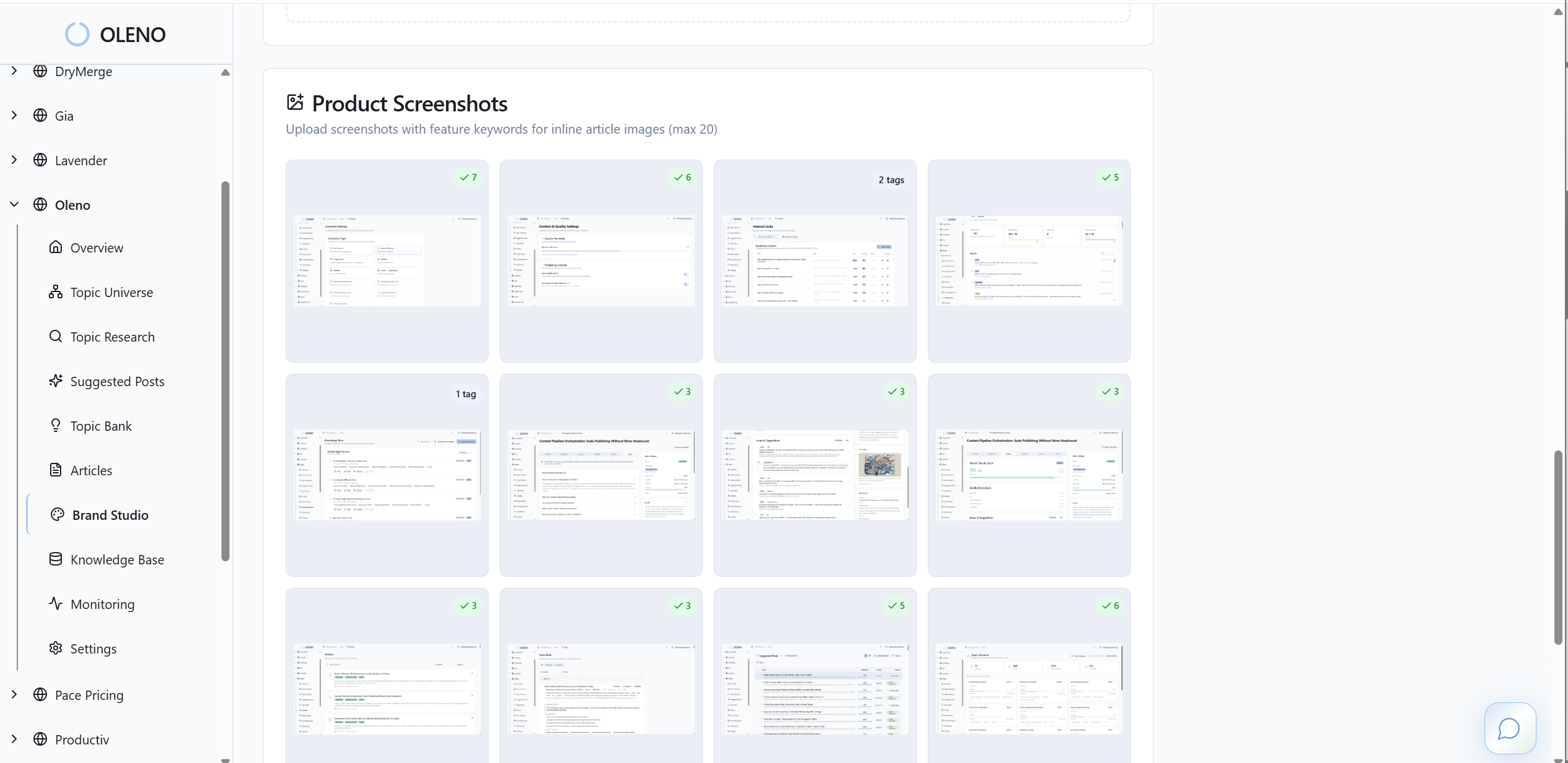
In practice, that means your merged hub still sounds like you, uses the right terms, and stays within claim boundaries. No last-minute rewrites because the tone slipped or a feature was misrepresented. I’ve seen this cut approvals from days to hours. Less back-and-forth, more shipping.
Consistency also boosts authority. When every refreshed page reinforces the same narrative and vocabulary, internal links feel natural, not forced. That cohesion helps both readers and search engines. Quiet, compounding leverage.
Detection, Briefs, and QA in One Flow
Oleno’s SEO Studio and Knowledge Archive Grounding give you a clean loop. You catch decay and overlap, generate governed briefs that reflect your rules, then draft updates grounded in your approved knowledge. The QA gate checks voice, structure, clarity, and factual grounding before anything moves forward.
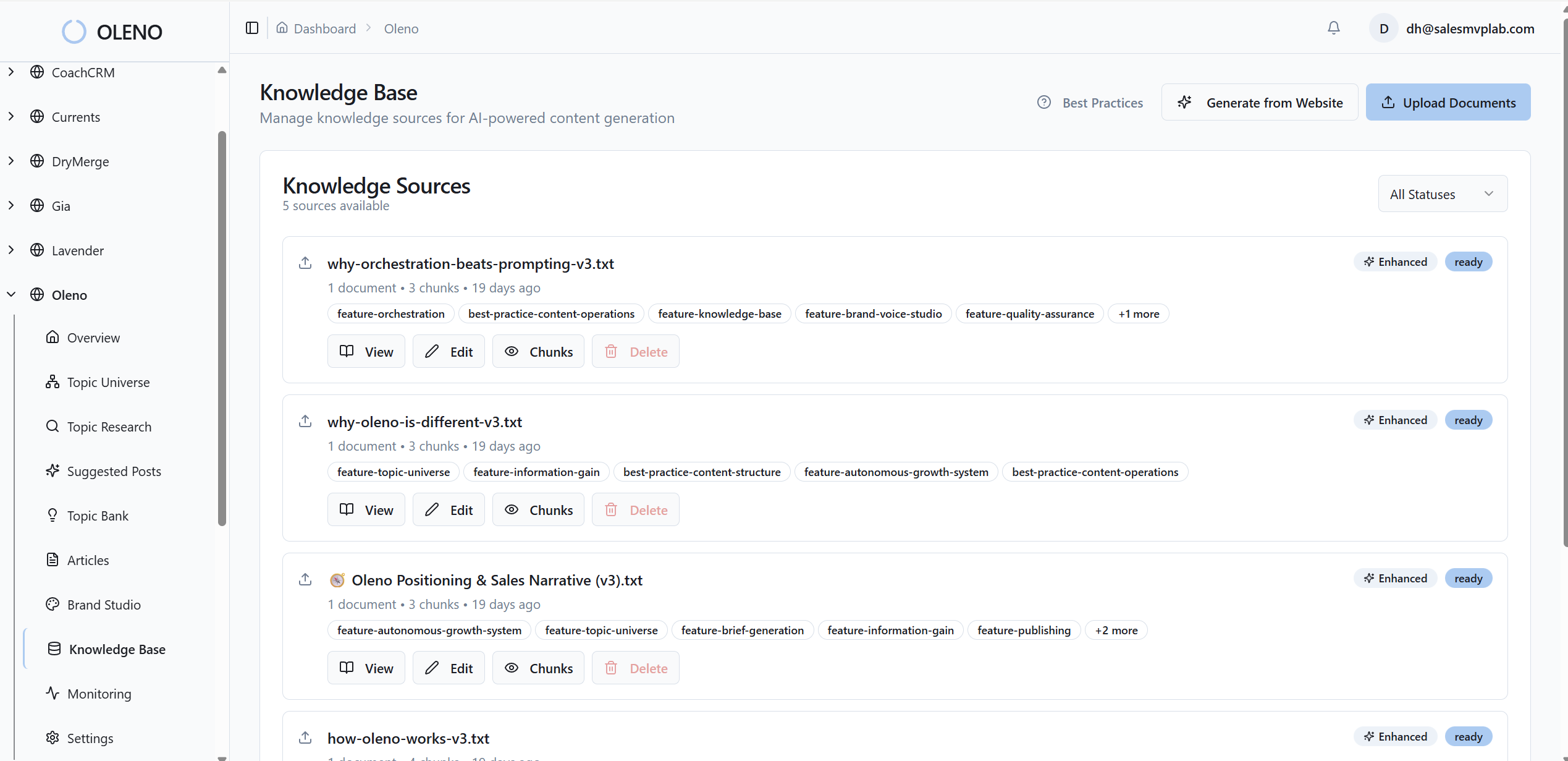
That gate matters. It stops sloppy merges, thin updates, and unvetted claims from slipping through. You avoid the classic mistake of “refreshing” a page with filler that doesn’t answer the query. The result is fewer failures and faster recovery on decaying pages.
Hook this into your weekly cadence and you’ll see lift where it counts. Median traffic per retained page rises, CTR rebounds, and time-to-publish for refreshes drops. That’s where the early wins pile up.
Cut decay and consolidate authority the simple way. Request a Demo
Publishing and Distribution Keep Cadence
Shipping matters. Oleno’s CMS Publishing pushes approved refreshes and merged hubs into WordPress, Webflow, HubSpot, and more as drafts or live posts—no copy-paste handoffs. Distribution then repurposes those updates into social variants, so the work gets seen without spinning new narratives.
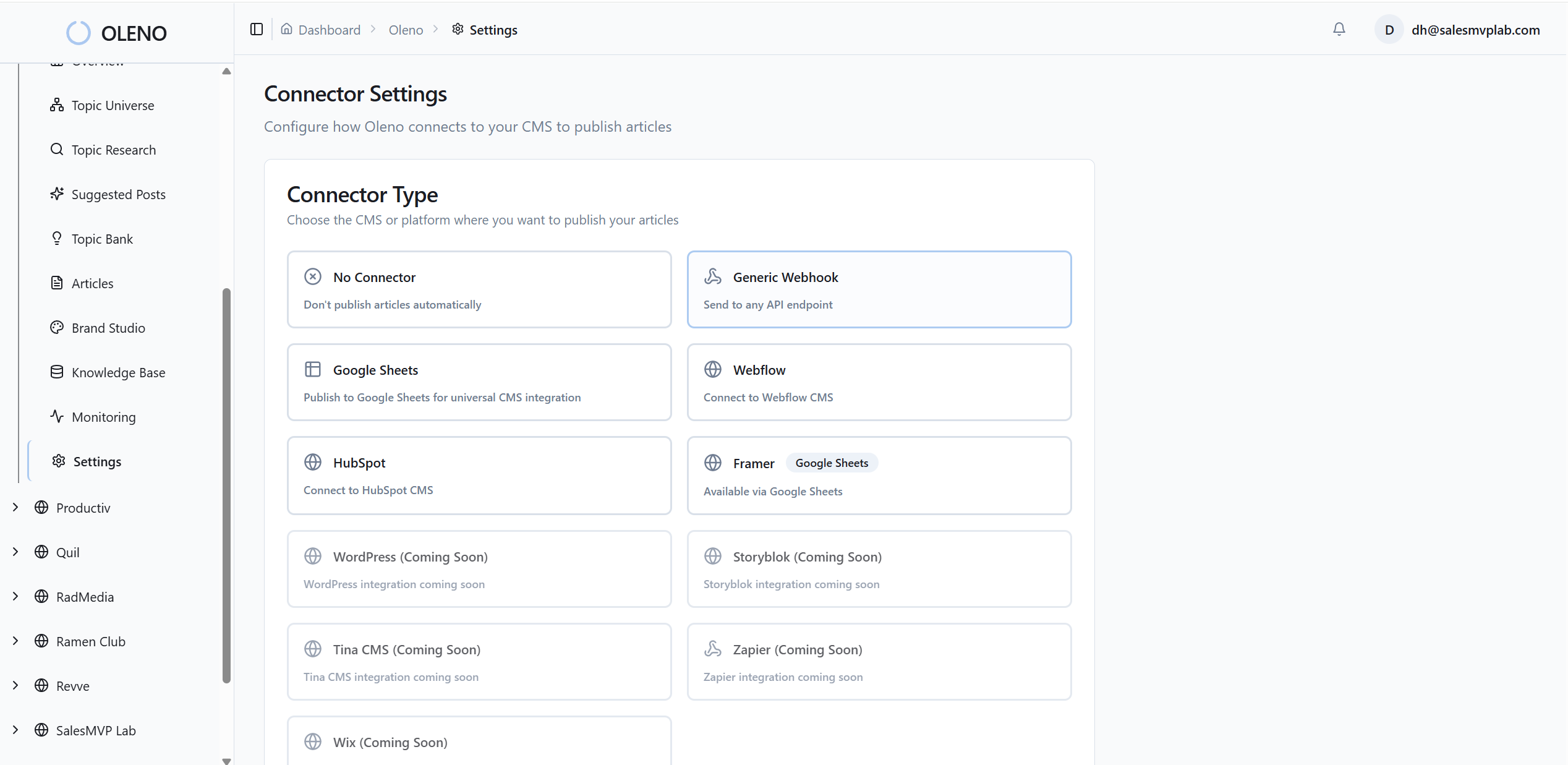
This closes the loop. Your refreshes go live on schedule, then get amplified in-channel using the same governed voice and claims. You stay consistent even when the team is busy with launches or events. That reliability is hard to beat with manual coordination.
And because Measurement & System Health tracks cadence and quality trends, you can spot bottlenecks early. If QA fails spike or refresh volume dips, you know where to focus. That keeps the engine running instead of lurching.
Conclusion
Cut to grow. That’s the play. When you adopt a content pruning refresh schedule, you stop wasting cycles on pages that won’t win and start investing in the ones that will. Do the boring work weekly, protect equity during merges, and bias to micro-refreshes for quick recovery.
If you stick to the KPI matrix and cadence, you can cut 30–50% of low-value pages and lift median traffic per retained page by ~30% in about a quarter. It feels great, and it compounds. Ready to make this real with guardrails and speed? Book a Demo
About Daniel Hebert
I'm the founder of Oleno, SalesMVP Lab, and yourLumira. Been working in B2B SaaS in both sales and marketing leadership for 13+ years. I specialize in building revenue engines from the ground up. Over the years, I've codified writing frameworks, which are now powering Oleno.
Frequently Asked Questions