Content Throughput Engineering: Measure SLIs & SLOs to Scale Production

I used to think more writers solved content problems. Back at Steamfeed, we scaled to 120k monthly visitors with volume, depth, and a ton of contributors. It worked because the machine kept moving. At PostBeyond and later LevelJump, small teams broke that illusion fast. Creative capacity wasn’t the only constraint. The pipeline was.
When you treat content like a series of one-off tasks, you’re flying blind. You plan an editorial calendar, ship a few posts, miss a handoff, then the month slips. Sales asks where the evaluation cluster went. You don’t know, because you weren’t measuring the system. You were managing tasks, not service levels.
Key Takeaways:
- Treat content like a service with clear SLOs and an error budget, not a list of tasks
- Pick 5-7 SLIs tied to buyer value, then instrument stage transitions end to end
- Use error budgets to throttle intake and make tradeoffs visible and defensible
- Codify QA gates and narrative rules to reduce rework and drift
- Plan capacity with queues, not hope, and pre-write runbooks for breaches
- A system like Oleno stabilizes the pipeline, so small teams ship predictably
Why Content Needs Service-Level Thinking, Not More Writers
SLO-driven content makes a promise about reliability, not volume, then manages to that promise with an error budget. You measure the stages that matter to buyers, like time to publish and first pass QA. When reliability slips, you slow intake or reassign capacity, instead of pushing deadlines and praying.
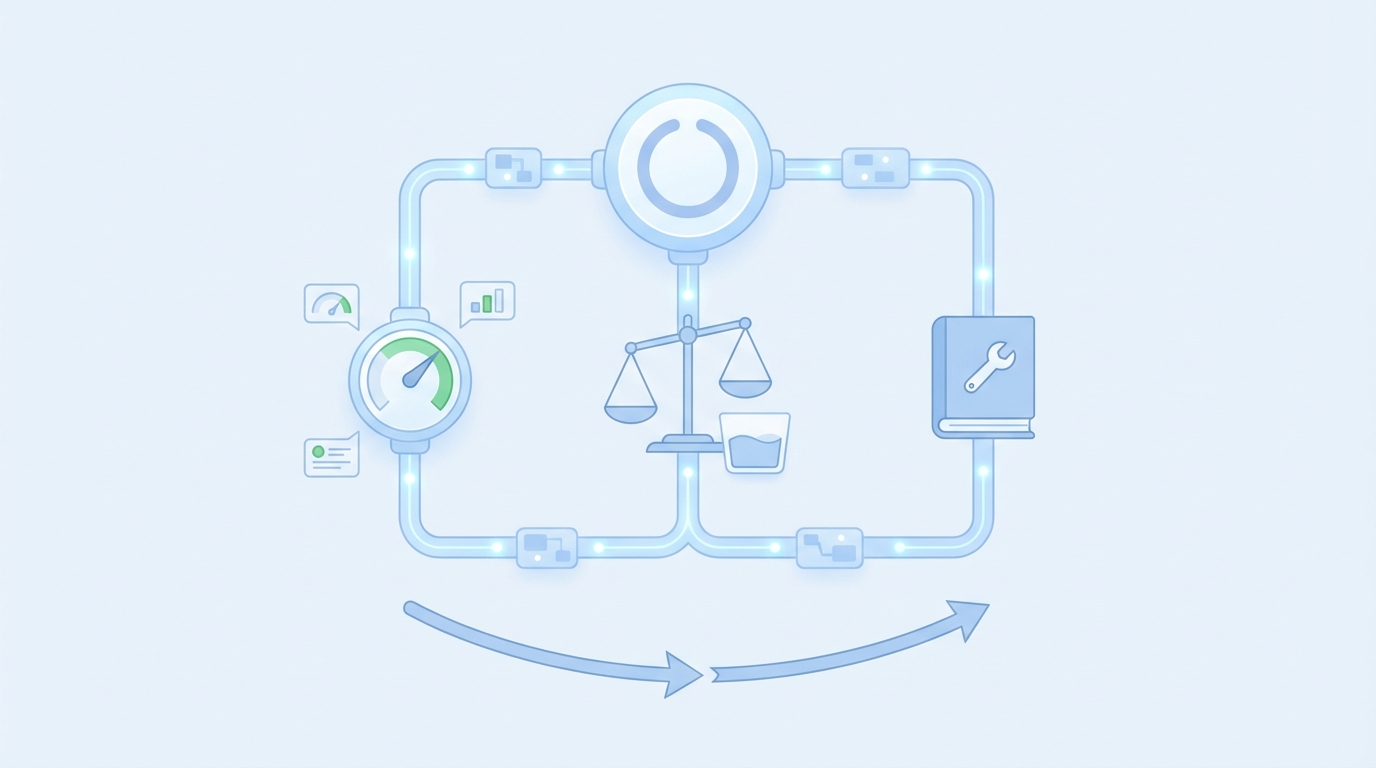
What does SLO‑driven content look like?
You define a clear promise that reflects buyer value, not vanity throughput. Example, 90 percent of tier A articles publish within five business days of brief approval. Then you set an error budget, the percent of drafts allowed to miss the bar in a four week window. Once you state the bar, you can manage to it.
In practice, this means writing breach policies before trouble hits. If the error budget burns too fast, you throttle intake for tier B work, or you move a senior reviewer to the evaluation lane. You don’t debate opinions in a weekly meeting, you follow the rules you wrote. It feels strict at first, then it becomes calming because tradeoffs are explicit.
When we ran Steamfeed, we didn’t call it SLOs, but we had a cadence promise. New posts went live daily, and we protected that rhythm. Later, at LevelJump with three people, we lost that muscle. That’s when I learned reliability beats heroics.
The metrics that actually govern throughput
Translate fuzzy editorial ops into concrete service level indicators. Start with time to first draft, QA first pass rate, time to publish after QA approval, and topical coverage velocity for priority clusters. Add draft rework rate and blocked state time. Each one aligns to a pipeline stage you can instrument.
Keep the set small and stable. If you can’t explain how a metric ties to buyer value in one sentence, cut it. When you get the basics right, the rest compounds. Engineering teams think this way by default. If you need a model, read how teams frame throughput and flow in the context of delivery in the engineering throughput overview.
Why creative‑first planning keeps you in the dark
Editorial calendars without service levels create an illusion of control. You “planned” the month, then reality hits. A subject matter expert goes on PTO, QA gets jammed, a publish fails. SLIs expose bottlenecks in real time, so you can slow intake, adjust staffing, or trigger automation.
Without SLIs, you guess. You rehash the same arguments because you don’t have the data to act. With SLOs and an error budget, the conversation changes. “We’ve burned 60 percent of budget on evaluation. We’re pausing net-new education topics for two weeks to recover.” If you want a lightweight pattern for writing these targets, borrow how product and engineering teams set objectives in [Sourcegraph’s planning approach].
Ready to see how this shifts from theory to a running system without more headcount? Request A Demo.
What Really Breaks In Content Pipelines When You Scale
Content doesn’t fail in the writing, it fails in the waits. Work queues at each stage, and subjective gates make it worse. You need entry criteria, a definition of done, and measured wait times. Once you define gates, you can fix where cycle time spikes instead of blaming “slow writers.”
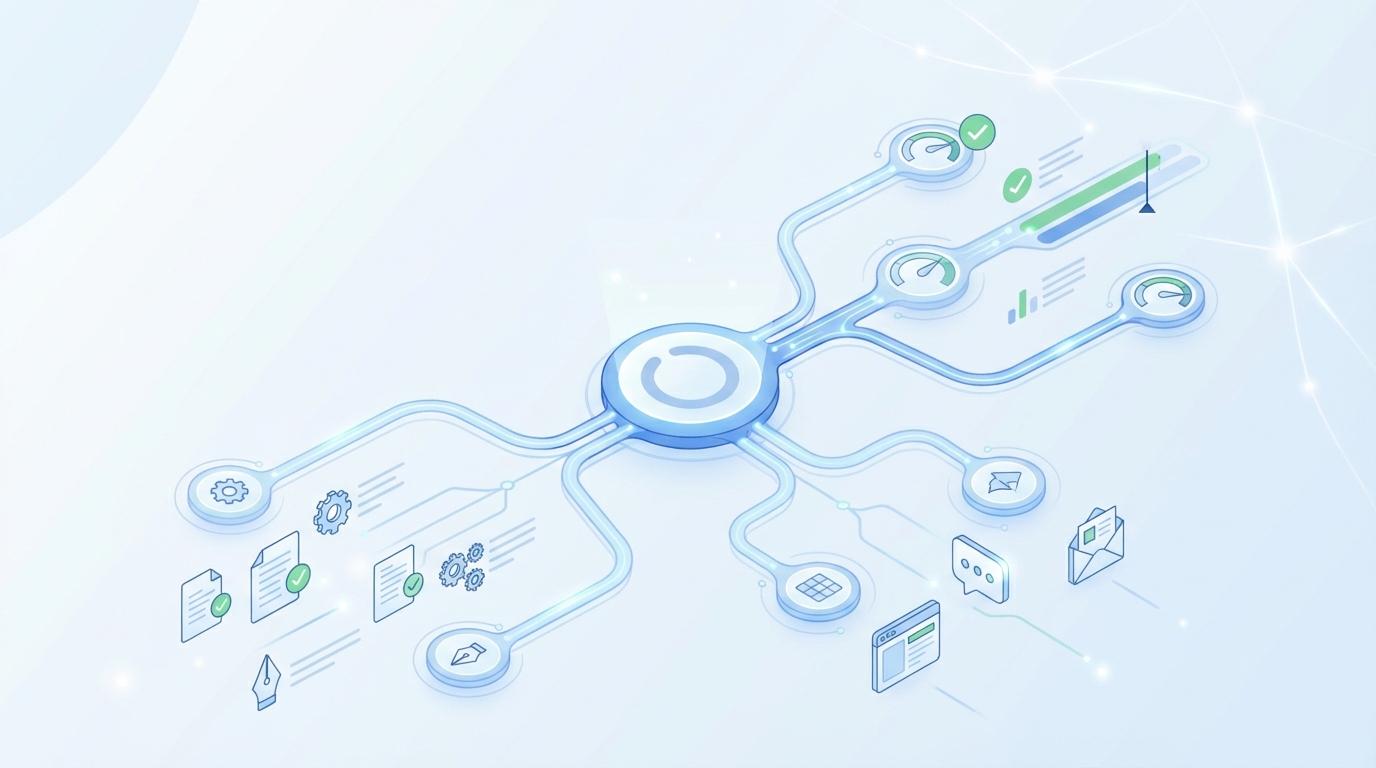
The hidden queueing, handoffs, and QA gating
At scale, work waits more than it works. Discovery queues up briefs, briefs queue up drafts, drafts queue at QA, QA queues at publish. Each stage needs entry criteria and a clear definition of done. If your QA gate is subjective, queue depth grows and cycle time spikes.
Measure wait time per stage, not just overall cycle time. If drafts are sitting three days before QA even looks, that’s a staffing or prioritization problem, not a quality one. When you make these waits visible, decisions get easier. You can move capacity to the real bottleneck instead of nudging everything a little and hoping it clears.
When I looked at Proposify’s content from a sales lens, we had volume and rankings, but the pipeline still felt brittle. Missed handoffs created drama. SLIs would have caught that earlier.
Where traditional dashboards mislead teams
Pageviews and rankings tell you if the market liked what made it out. They don’t tell you why your pipeline stalled. Operational telemetry does. Track stage transition timestamps, blocked reasons, and retries. Use this to spot systemic issues like “briefs missing product facts” or “images failing schema checks,” then fix upstream.
You don’t need an observability stack to start. A shared sheet with IDs and event timestamps works. If you want to borrow a mindset, the performance tracing approach used for debugging front-end performance translates well, you’re mapping where time disappears, like in the Chrome DevTools performance reference.
How do you translate narrative drift into a measurable signal?
Operationalize narrative checks before drafts hit QA. Create a ruleset in your governance layer for message pillars, banned claims, and voice constraints. Measure drift by the percent of drafts failing narrative or claim checks at QA. Set an SLO for narrative compliance, then watch first pass rates climb.
You’ll catch drift early, reduce rework, and keep positioning intact. This matters when writers change or priorities shift. You’re not relying on memory or taste, you’re enforcing rules. And when those rules block publishing, it’s a feature, not a bug. Drift is expensive if it ships.
The Cost Of Missing SLOs Adds Up Fast
SLO misses look small day to day, but they compound across the funnel. A delay in first draft pushes QA, which pushes publish, which shrinks ranking windows. This is where teams underestimate cost. Tie misses to funnel coverage, then people take it seriously.
Time‑to‑first‑draft delays multiply across the funnel
Let’s pretend your SLO is three days to first draft for tier A topics, but the actual is six. If you ship ten tier A pieces per month, you lose roughly 30 days of cumulative wait time. That delay pushes campaign windows and reduces the opportunity to rank. Even small drifts compound across discovery, QA, and publish.
This isn’t about being fast for its own sake. It’s about being reliable so downstream teams can plan. When a launch depends on evaluation content, the cost of a slip is real. I’ve been on the receiving end in sales, watching a cluster miss a window we promised. Not fun.
QA failure rates create expensive rework
A 25 percent failure rate at QA sounds manageable until you translate it. If each failure requires 1.5 hours of fixes and you push 40 pieces monthly, that’s about 15 hours of rework. On a small team, that’s strategy time gone. Lower failure by codifying rules as checks, not comments. Your error budget should make rework visible.
Codifying rules takes effort upfront. It pays off when first pass rates jump. If you need a reminder on why freeform prompting tends to push judgment back onto humans, skim the core guidance on prompt structure and reliability from the AWS prompt engineering guidelines.
What a one‑week slip does to revenue coverage
Let’s pretend one week of delay in comparison content removes 500 qualified visits this quarter. With a two percent lead rate and a 600 dollar average SQL value, that’s around 6,000 dollars of potential pipeline pushed out. These are directional numbers, not forecasts. The point is to tie SLO misses to funnel coverage, then justify capacity moves.
This is the argument leadership understands. When you can say, “We’re burning error budget on evaluation, here’s the pipeline impact,” you get decisions made. When it’s a vague “we’re behind,” you get sympathy and the same problem next month.
Stop reacting to surprises and start running to clear promises. Want to see the SLO model in a working system? See It In Action.
When Cadence Slips, Trust Slips
Trust rides on predictability. When cadence breaks, confidence breaks. Missed handoffs feel worse than visible bugs because they’re silent until it’s too late. SLOs and error budgets make the system legible, so you can protect what matters and explain tradeoffs in plain English.
The 3 pm board ping about pipeline coverage
You promised an evaluation cluster before month end. It’s the 28th, QA is stuck on claims, and publishing is blocked. Sales asks where the pages are. This is where SLOs help. You can say, “We have consumed 70 percent of error budget. We’re throttling intake and reassigning review to protect the evaluation SLO.”
That kind of clarity changes the tone. People may not love the slip, but they understand the plan. You’re not guessing or pushing weekends. You’re managing the system. That distinction matters more as volume grows.
Why missed handoffs feel worse than bugs
Bugs are visible, handoffs are silent. A brief that sits unassigned for five days erodes confidence, even if the draft is great. Make queue depth and blocked states visible, with clear escalation rules. You reduce drama and the 3 am fixes. People want predictability more than heroics.
There’s a broader governance parallel here. Highly regulated teams already do this in other parts of the business. Borrow the same playbooks. And keep it simple, visible, and enforced.
What happens when your best writer becomes the single point of failure?
If one person holds context, your effective error budget is zero. Any PTO or priority shift blows the SLO. Spread governance, encode voice, and standardize QA gates so others can step in. You’ll still have experts, you just won’t be hostage to them when production needs to move.
Encoding context works. If you want a deeper dive on how structured context reduces human bottlenecks, the mindset from Anthropic’s context engineering writeup maps neatly to marketing systems. The goal isn’t clever prompts, it’s reusable constraints.
A Practical SRE Approach For Content Throughput
You don’t need a data warehouse to start. You need a small set of SLIs, SLOs with error budgets, basic instrumentation, and a runbook for breaches. Keep it simple and stable, then iterate. The point is a system you can run weekly, not a dashboard you admire monthly.
Define SLIs that reflect user value
Pick five to seven SLIs tied to real outcomes. Recommended set, time to first draft, QA first pass rate, time to publish post QA, topical coverage velocity by cluster, draft rework rate, blocked state time, and publishing success rate. Document calculation, owner, target sampling window, and acceptable measurement lag. Simpler is better.
Explain each SLI in plain language. If a new teammate can’t repeat it back, it’s too complicated. Short names help. Decision making gets easier when everyone uses the same vocabulary without debate.
Set SLO targets and error budgets by job and priority tier
Different jobs, different promises. For tier A comparison pages, target 95 percent publish within seven days, QA first pass at 90 percent, error budget 10 percent per four weeks. For education posts, relax to 85 percent within ten days. Write breach policies per tier so you know the moves before you need them.
When budget burns too fast, throttle intake or trigger remediation. The rule of thumb I like, protect evaluation first, then acquisition, then education. Your order might differ. What matters is consistency. If you want sensible backpressure ideas, review rate limits and retry patterns in the Power Automate limits guide, the same thinking applies to content flow.
Instrument the pipeline from discovery to publish
Log stage transitions with consistent events, discovered, briefed, drafted, QA passed, published. Capture reasons for blocked states and failure categories like “narrative drift,” “claim check,” or “schema error.” Use these fields to spot systemic fixes. You don’t need a data warehouse, a sheet and IDs work day one.
As volume grows, add lightweight sampling to catch edge cases. A weekly spot check of 5 percent of outputs can surface weirdness before it becomes a pattern. The key is consistency, not perfection.
Plan capacity with queues and forecast decisions
Model throughput per stage and target queue depth. If writers average three drafts per week, QA can process four per week, and you plan ten new topics weekly, you have a mismatch. Either add QA capacity, reduce intake, or add automation at QA. Decide which move you’ll take at specific thresholds, then codify in your runbook.
This avoids the “we’ll figure it out” trap. You’re not figuring it out, you’re executing the plan you already wrote, based on data you trust. It’s boring. That’s the point.
Runbooks for SLO breaches, backpressure, and triage
Write playbooks ahead of time. For example, when QA failure rate exceeds the SLO by three points for two weeks, route tier B work to a hold queue, increase claim strictness, assign a senior reviewer to evaluation content. If publish success rate drops, pause auto publish and enable retry with idempotency checks. Keep it specific and short.
Interjection. If your runbook is 20 pages, nobody will use it. One page per class of breach is enough.
Reporting, governance alignment, and ROI hooks
Build a one page weekly, SLO status by tier, error budget burn, top three failure modes, capacity view, and the planned moves. Link SLOs to ROI by mapping priority clusters to funnel jobs. Don’t overcomplicate. A consistent report drives better decisions than a beautiful one that ships monthly.
As this matures, the conversation with leadership gets cleaner. You’re not defending opinions, you’re pointing to reliability against promises.
How Oleno Implements SLI/SLO‑Driven Content Operations
Oleno runs content as a system with deterministic stages, governed rules, and publishing control. You set direction once, then the engine produces continuous output across jobs. The result isn’t magic, it’s fewer surprises, less rework, and a cadence you can actually defend.
Governed pipelines with deterministic stages reduce variance
Oleno runs a consistent flow, discover, angle, brief, draft, QA, enhance, visuals, publish. Rules are set once in governance and applied everywhere. That reduces stage variance, which stabilizes SLIs like time to draft and time to publish. You get fewer edge cases and cleaner capacity planning, so error budgets stop evaporating on preventable misses.
This matters most for small teams. When priorities shift, Oleno keeps the system moving without constant coordination. Humans set direction, the system executes.
Quality gates and narrative enforcement lower rework
Nothing publishes unless it passes quality checks for voice, narrative, accuracy, and structure. Oleno converts manual edits into rules, so QA becomes a deterministic gate instead of a subjective back and forth. The benefit is higher first pass rates and less rework, which directly protects your QA SLO and preserves error budget across the month.
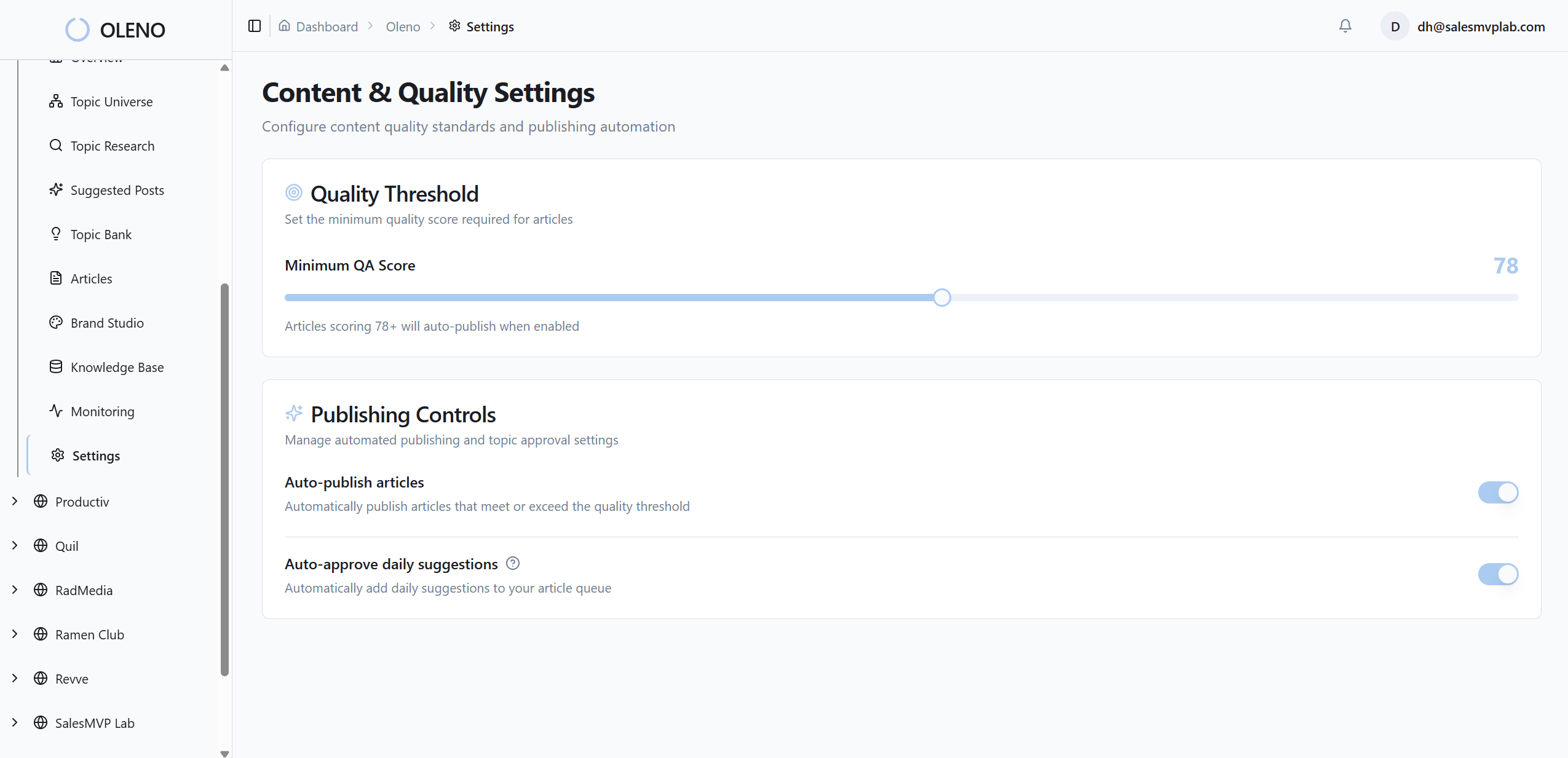
You decide the rules, Oleno enforces them. If something fails, it’s revised automatically until it meets the bar. You’re not chasing comments in docs, you’re shipping.
Topic coverage and job selection align SLOs to outcomes
Use Oleno Jobs to tie outputs to funnel roles, acquisition, education, evaluation, and product education. Use Topic Universe to prioritize clusters and track coverage velocity. The payoff is that SLOs aren’t abstract. They map to specific business jobs and priority tiers, which makes tradeoffs clear when you need to throttle or reallocate.
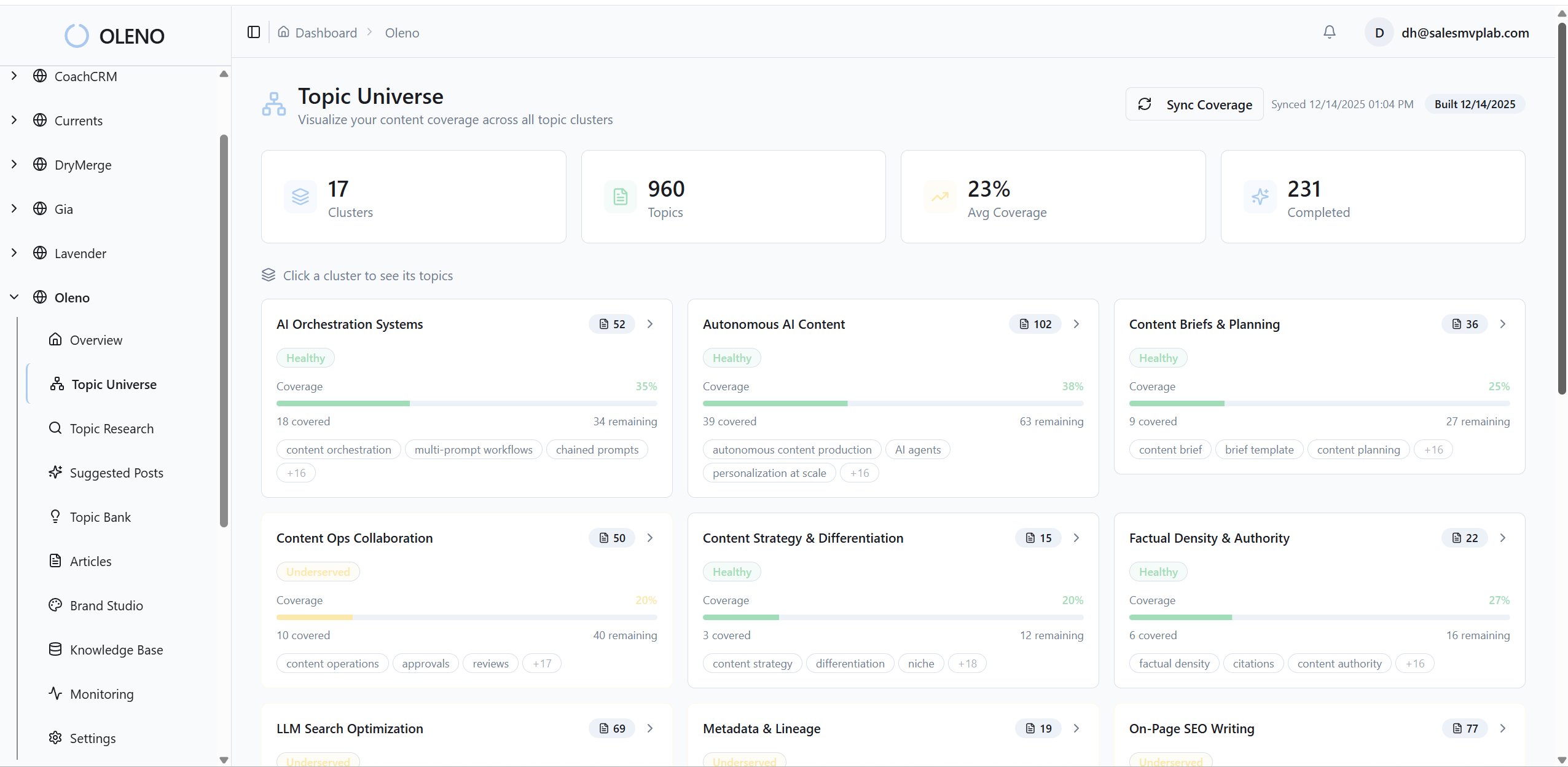
When you say, “We’re protecting evaluation this week,” Oleno already knows which jobs and topics that means, and routes work accordingly.
Publishing control, idempotency, and safe retries
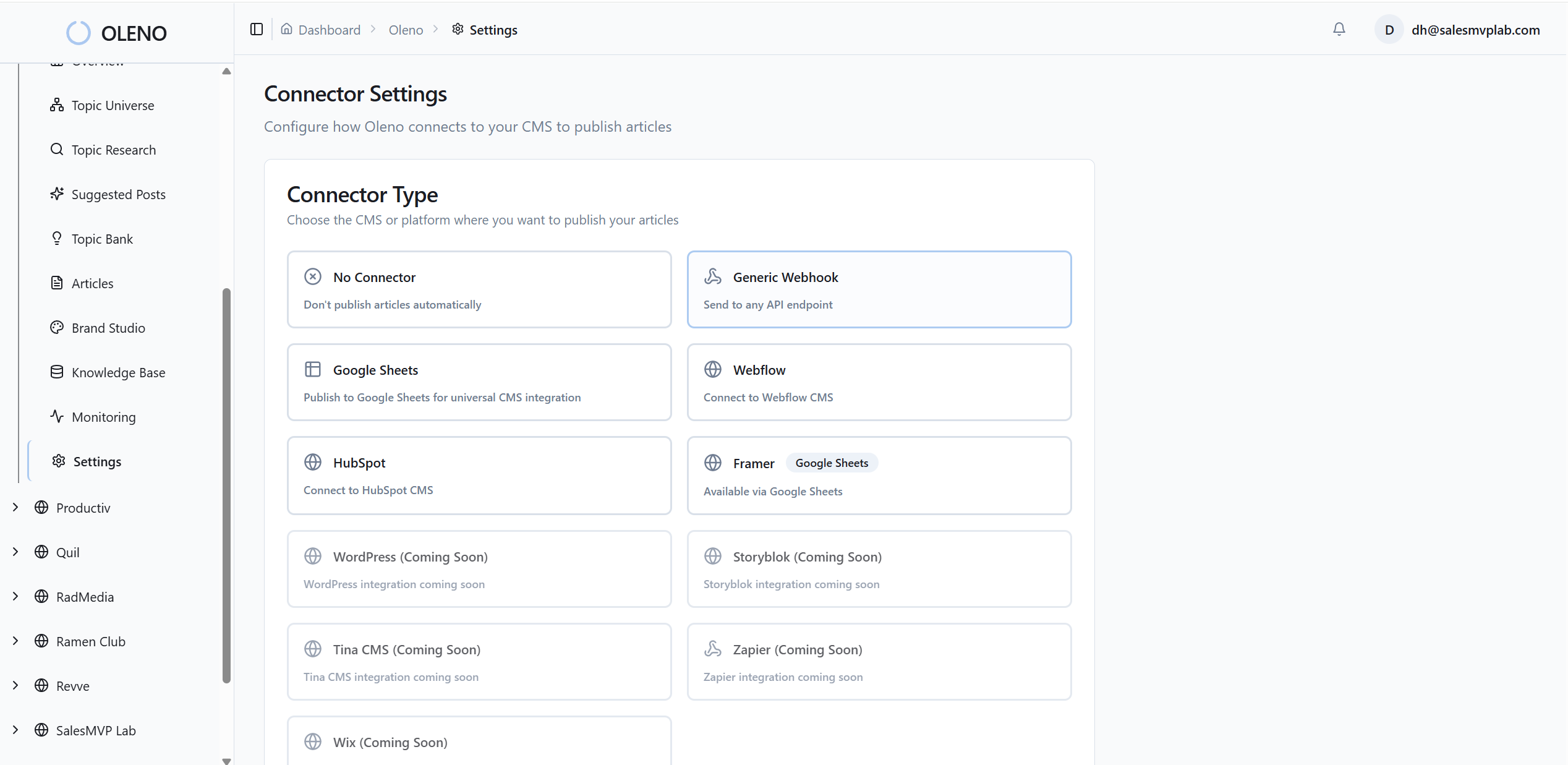
Publish directly to your CMS with idempotent controls and clear state management. If a publish fails, you can retry without duplicates. Your publish success rate improves, incident remediation is straightforward, and error budget burn stays predictable. You can see how this operates in practice in the Publishing Pipeline overview.
Three outcomes tie back to the earlier costs. First pass QA improves, rework drops, and time to publish stabilizes. That’s how small teams ship a steady cadence without adding people. Ready to align SLIs with a system that runs daily? Request A Demo.
Conclusion
If you’re still treating content like a list of tasks, you’ll keep getting surprised. Set service levels, measure the stages that matter, and manage with an error budget. Reliability beats heroics. We learned this the hard way across teams of three and sites with ten thousand pages. The system wins. Oleno just makes running that system realistic for a small team.
About Daniel Hebert
I'm the founder of Oleno, SalesMVP Lab, and yourLumira. Been working in B2B SaaS in both sales and marketing leadership for 13+ years. I specialize in building revenue engines from the ground up. Over the years, I've codified writing frameworks, which are now powering Oleno.
Frequently Asked Questions