Demand‑Gen Content Types: Brief Templates & Production Checklist

Most teams can list content types off the top of their head. Programmatic SEO. POV pieces. Frameworks. Comparisons. Product explainers. That’s not a system. That’s a menu. When you’re under-resourced and juggling requests, menus don’t ship. Rules do. The difference sounds subtle on paper. It shows up as missed launches and late-night edits in real life.
I learned this the hard way. At PostBeyond, I could crank out 3-4 posts a week because my framework did the heavy lifting. As the team grew, context diluted, quality wobbled, and I had less time to write. No one forgot how to type. We just lost the rules that made shipping predictable. You don’t need more ideas. You need production contracts that force good outcomes.
Key Takeaways:
- Lock brief templates by funnel job so drafts are deterministic, not ad hoc
- Encode product truth, stance, claims, and structure in the brief, not the reviewer’s head
- Treat QA as a gate with pass/fail checks, not a meeting
- Route work by intent (“find, teach, compare, prove”), then pick the matching template
- Publish with idempotency and rollback so mistakes don’t become morale-killers
- Use orchestration to shift judgment upfront, prompting alone won’t keep you on-voice
Ready to skip theory and see a working pipeline? Try the engine that encodes your rules once and runs daily. Try Oleno For Free
Ideas Without Production Rules Waste Time And Budget
Most teams think listing content types equals strategy. It doesn’t. Without locked inputs, structure rules, and QA gates, content turns into a stream of one-ops. You burn time resetting context and rewriting. Briefs aren’t paperwork, they’re production contracts that make outputs predictable.
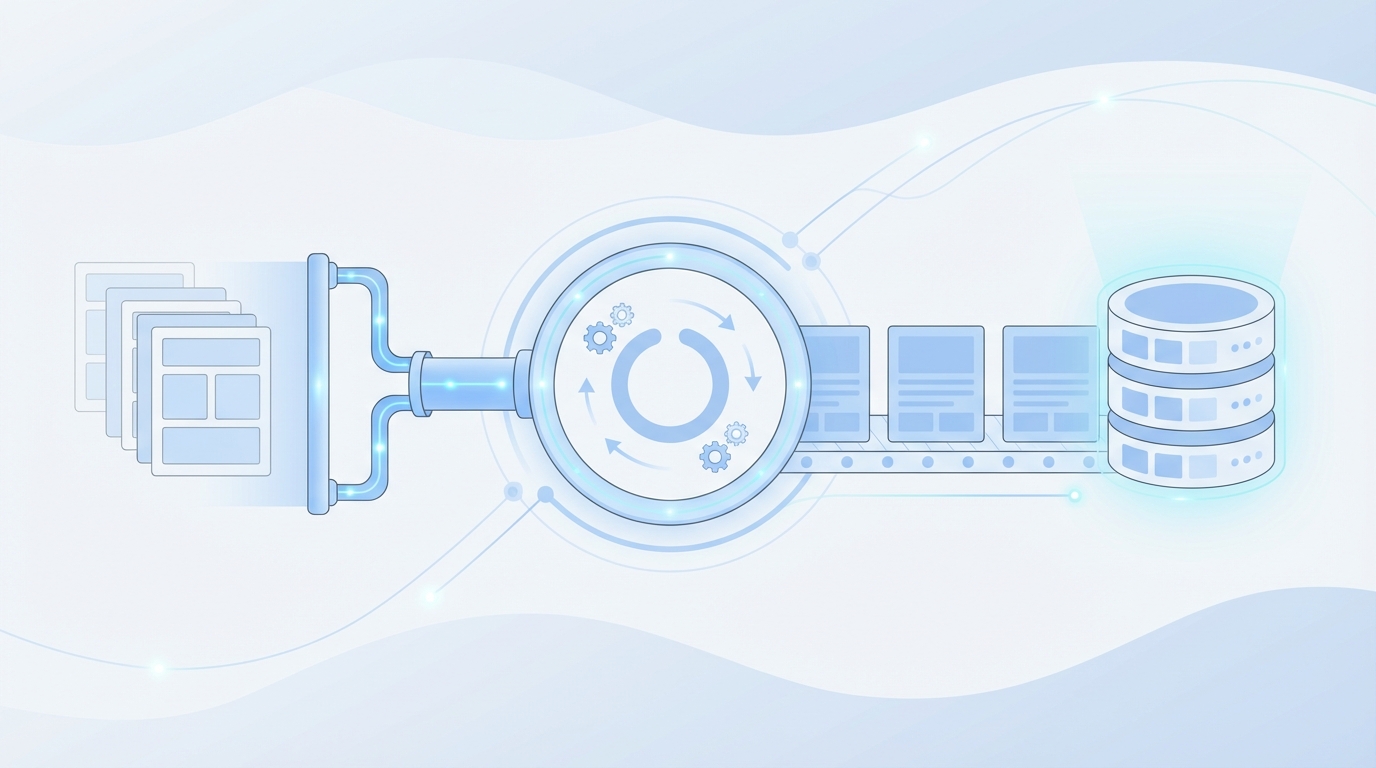
Why listing content types is not a system
It feels productive to say, “We’ll do programmatic SEO, then some POV pieces, and a few comparisons.” It isn’t. Without constraints, each piece starts at zero: fresh debates on audience, claims, format, and links. You get velocity theater, not reliable delivery. The enemy isn’t ideas, it’s fragmentation.
A working system pushes decisions upstream. The brief encodes job-to-be-done, target query or question, stance, allowed claims, and the locked H2 skeleton. QA enforces those decisions later. That’s how you go from “we wrote something” to “we shipped the right thing.” It’s also how volume stops eroding quality.
If you need a common language anchor, take a quick scan of Salesforce’s “What Is Demand Generation Marketing” and Smart Insights’ demand generation definition. Useful scope. Just remember: definitions aren’t execution.
Where briefs go wrong without constraints
Most teams treat briefs like “helpful context.” That’s how they slip. Vague audience, muddy job-to-be-done, no banned terms, no canonical or internal link rules, and fuzzy acceptance criteria. Reviews become subjective. Rewrites multiply. You start trusting the loudest opinion, not the rules.
The fix isn’t complicated, but it is disciplined. Lock fields. Require evidence slots. Encode voice and banned phrases. Write pass/fail QA checks. If a template can’t be validated, it shouldn’t ship. I’ve seen teams cut review cycles in half by making the brief the control surface, not a suggestion doc. The work shifts from judgment to compliance, which is where software actually helps.
For program architecture context, cross-check your stages against Oracle’s demand generation overview and keep sales alignment tight, which platforms like Salesloft’s demand generation guidance talk about through the lens of handoff quality.
What is the minimum viable brief template?
You need required inputs, a locked H2 skeleton, evidence fields, approved/allowed claims, voice rules, internal link targets, an effort estimate, and a publish checklist. That’s it. Not fancy, just complete. Long enough to constrain, short enough to complete in one sitting.
Here’s a quick gut check I use: if you can’t fill it in under 20 minutes, your fields are too vague or too many. Tighten. On the flip side, if QA can’t evaluate pass/fail from the brief alone, it’s not deterministic enough. A brief should let a competent writer or AI produce the right shape the first time, no handholding required.
The Work Is Deciding Templates By Funnel Job Then Making Them Deterministic
A content system starts by mapping jobs to stages, not formats. Acquire, educate, convert, retain, each gets its own template, inputs, and QA rules. The execution pipeline stays the same, the inputs change. That’s how three people operate like ten without chaos.

How studios map to acquire, educate, convert, retain
When you think in “studios” or job lanes, everything snaps into focus. Acquire runs Programmatic SEO. Educate runs POV and frameworks. Convert runs comparisons and product explainers. Retain runs customer proof. Each lane has its own locked brief, structure, and publish steps.
Same pipeline every time: Discover → Angle → Brief → Draft → QA → Enhance → Visuals → Publish. That consistency does more than save time, it preserves your narrative. Execution gets predictable. Coverage grows intentionally. And the team stops debating mechanics and focuses on substance.
Why prompting alone cannot enforce repeatability
Prompting creates output. It doesn’t create a system. Two prompts a week apart won’t match tone, stance, link policy, or claims. As volume grows, so does drift. Humans end up policing structure and accuracy in review, which is costly and dull.
Deterministic execution starts with rules encoded up front: voice, stance, claims, structure, internal links, canonical policy. Write once. Enforce forever. This is the orchestration mindset. It’s harder to set up than “just prompt,” but it pays you back every week because drafts arrive in the right shape and within the boundaries you set. That’s leverage.
If you need a sanity check on process emphasis and ops alignment, skim Smart Insights’ process view of demand generation and the operational alignment threads in Salesloft’s demand-gen content.
How do you route templates to the right stage?
Decide by intent, not format. Ask one question: what job does this asset perform today, find, teach, compare, prove, or renew? Then pull the matching template. “What is” queries route to Programmatic SEO. “Why now” routes to POV. “X vs Y” routes to Comparison. “How it works” routes to Product Explainer. Route first. Write second.
This tiny change removes debate later. You’re not arguing “should this be a blog or guide?” You’re saying, “this is an Educate job, so we use the POV template with stance and evidence slots.” Clear lanes enable momentum. And momentum is the difference between a plan and a pipeline.
The Hidden Cost Of Ad Hoc Briefs And Manual QA
Ad hoc briefs and manual QA look harmless. They’re not. They quietly tax every draft and review loop, inflate risk on claims, and slow publishing. Quantify it once and you’ll never go back. The costs are mostly preventable with encoded rules and a blocking QA gate.
Hours lost to rework and review loops
Let’s pretend you ship eight articles a month. You lose two hours per draft to unclear briefs. Add an hour per review loop. Average two loops. That’s 48 hours of drag a month. Six working days. On what? Guesswork and preventable fixes.
When acceptance rules live in the brief, QA verifies the rules. Reviews become spot checks, not rewrites. I’ve watched teams reclaim a full workweek by moving from opinion-driven edits to pass/fail checks: voice alignment, stance present, claims grounded, structure matched, links correct. It’s not romantic. It works.
The risk profile of false claims and voice drift
Unbounded claims cause legal headaches and erode trust. Voice drift forces you to rewrite good ideas because they don’t sound like you. Both are avoidable. Codify product truth. Define allowed claims and banned phrases. Require proof artifacts by field, not by memory.
Then enforce it. QA should block anything that breaks product truth or voice rules. Over time, your writers stop testing boundaries and start internalizing them. You protect credibility and ship faster. For a conversion lens on trust, see Salesforce’s take on how trust impacts conversion in demand gen. Keep it tight.
What would a safe, fast path save a small team?
If a three-person team eliminates one review loop per asset and cuts publish errors close to zero, you free ten to twenty hours a month. That’s one more comparison or two explainers. More importantly, fewer nervous publishes and late-night fixes. Reliability compounds. Creativity returns.
I’ve seen this trend repeat: once the system handles structure and truth, humans spend their time on better angles and stronger proof. That’s where the upside lives. You don’t need to work harder, you need failure modes to be impossible or, at least, obvious and fixable before publish.
Still wrestling with rework? Run a small experiment. Try Generating 3 Free Test Articles Now and compare review time against your current flow.
When Execution Stalls, Momentum Dies
Execution doesn’t stall from lack of effort. It stalls when shipping feels risky. One rollback, one bad claim, or one broken canonical, and your team hesitates. Momentum fades. Build preflight checks and rollback patterns into the template, so publishing becomes routine, not a high-wire act.
The publish rollback you never forget
Everyone has the story. Broken schema, wrong canonical, or a claim legal rejects after going live. You roll back. Morale dips. Trust in the system erodes. The fix is boring and worth it: a publish checklist baked into the brief, plus preflight checks every time.
Staging publish. Idempotent writes so duplicates can’t happen. Verify links and schema. Then go live. If something misbehaves, roll back with a known procedure. When teams see that safety net in action, they stop tapping the brakes. They start shipping on cadence again.
When traffic grows but pipeline does not
I’ve been there. At Proposify, content ranked, but too much of it was detached from the solution. Great traffic. Weak conversion. Not a bad problem, just an incomplete one. Templates help here. Force a “why us” bridge and a relevant proof point per asset. Otherwise, you educate competitors’ buyers.
This isn’t about stuffing CTAs. It’s about narrative discipline. Each piece should advance a job in the journey. When it doesn’t, you create attention without direction. That looks like progress in analytics. It doesn’t look like pipeline.
Who owns quality when no one has time?
When everyone’s busy, no one owns quality. Meetings can’t solve that. Gates can. Encode voice, structure, claims, internal links, and schema. Make QA a blocking step with clear failure messages. If a check fails, revise automatically or send it back with specifics.
Ownership moves from a person to the system. People still write, decide, and approve, but the gate stops bad output regardless of who’s paying attention that day. It also creates a feedback loop your team can learn from, instead of subjective “feels off” comments.
Lock Your Templates And A Reusable Production Checklist
Lock templates by job. Keep the checklist short, strict, and enforceable. This is the difference between “we try to be consistent” and “we are consistent even on messy days.” The goal isn’t perfect content. It’s reliable shipping and compounding narrative.
How to choose the right template for the job
Start with the funnel job: acquire, educate, convert, retain. Write the one-sentence goal, primary audience, and the intent signal you’re addressing. Then select the matching template. Add voice constraints and proof sources. Estimate effort in hours and roles so scheduling is honest.
If selection feels fuzzy, you probably need a POV or framework piece to clarify your stance. Don’t skip it. Clarity work today prevents months of meandering content later. And don’t be afraid to say, “this doesn’t fit a job.” That’s a sign to pause, not invent a new format.
Universal QA and publish checklist for small teams
Your checklist should be ten to twelve items, max. Voice rules, narrative compliance, product truth checks, accuracy/grounding, SEO structure, and LLM readability. Then operational checks: staging publish, idempotency, schema validation, internal links, visual alt text, and rollback plan.
Mark passes in the brief itself. No pass, no publish. You can automate many of these checks, but even a manual sheet is a step-change improvement over ad hoc judgment. Keep the burden light, the rules clear, and the enforcement strict. Cadence will stabilize without extra headcount.
For format evolution ideas, I like Foleon’s take on demand-gen content formats. Use it for inspiration, not governance. Governance lives in your brief.
How Oleno Turns Templates Into A Reliable, CMS-Ready Pipeline
Oleno runs the operational layer of demand gen, turning your rules into continuous execution. You define voice, claims, and structure once. Oleno converts that into deterministic briefs, blocks unsafe claims at QA, and publishes to your CMS without duplicates. Small team. Steady cadence. Fewer headaches.
How Oleno runs a QA gate before publish
Oleno enforces product truth and safe claims by design. You define approved product descriptions, allowed claims, banned phrases, and proof sources once. Drafts are grounded in your knowledge base, and the QA gate blocks anything outside those boundaries. That reduces rework and protects credibility. It’s not flashy, but neither is shipping on time.
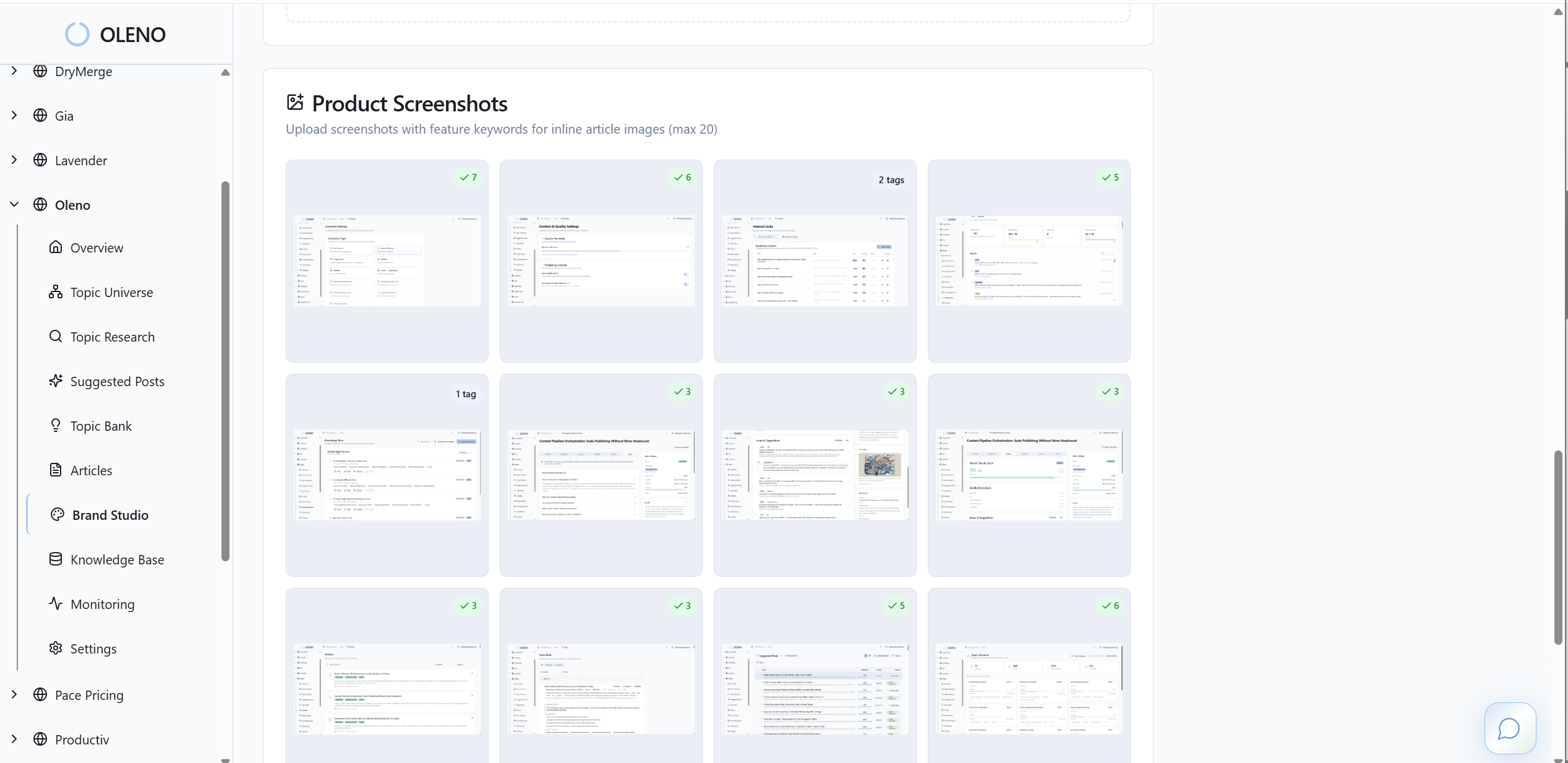
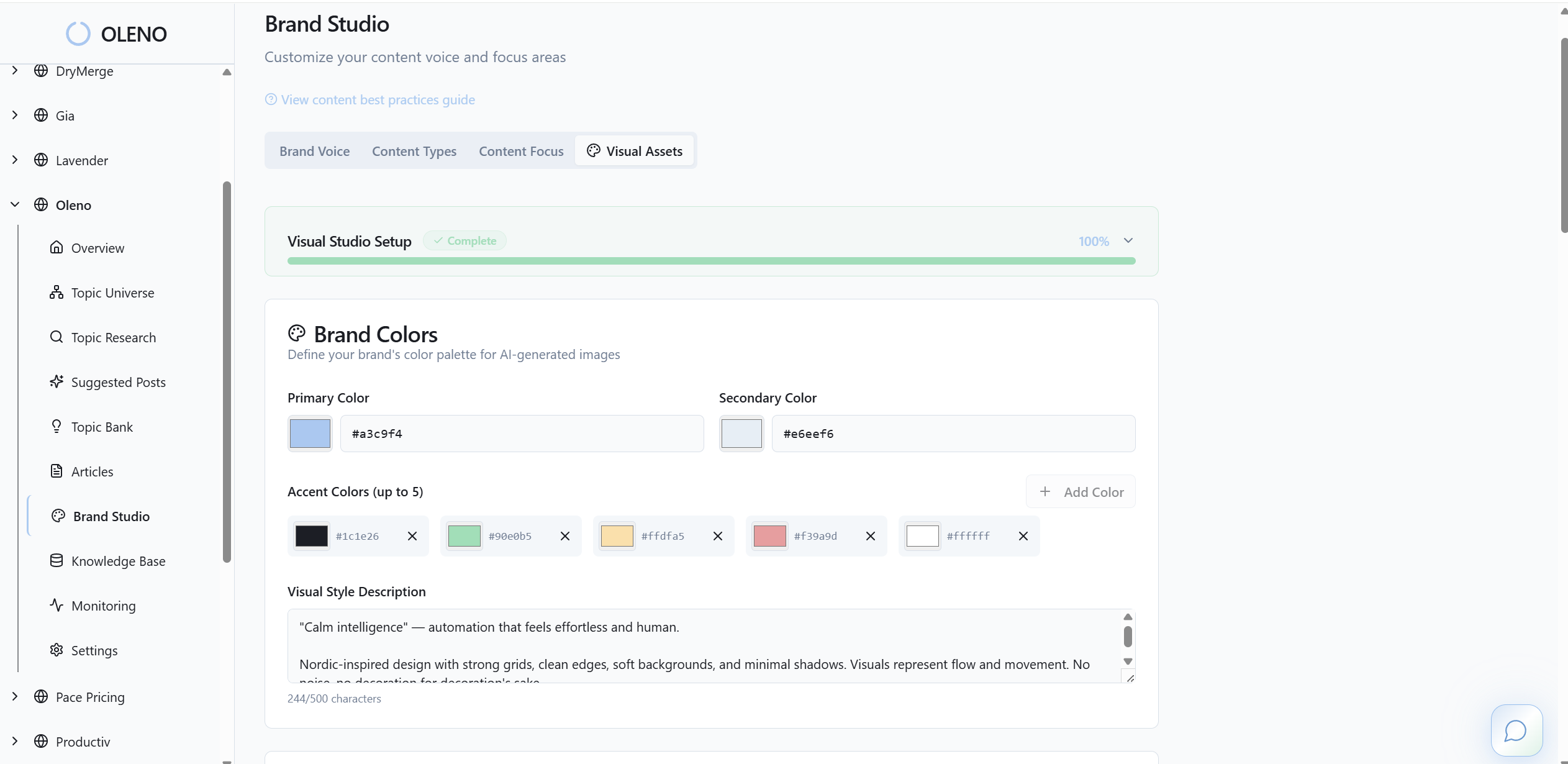
Beyond claims, Oleno checks voice and narrative structure, clarity, grounding, and SEO/LLM readability. Fails trigger automatic revision, keeping humans focused on angle and story while the system polices structure. As volume rises, you can add sampling to catch edge cases without turning QA into a bottleneck. This is where teams recapture days per month and lower risk at the same time.
If publishing has been your bottleneck, there’s another piece worth calling out. Oleno publishes to CMSs you already use, WordPress, Webflow, HubSpot, and more, with idempotent writes to prevent duplicates. Use staging, verify links and schema, and cut over with a rollback plan. Shipping becomes a checklist, not a dice roll.
Curious how this feels in practice? Let Oleno handle the boring parts so your team can focus on story and proof. Try Using An Autonomous Content Engine For Always-On Publishing
Conclusion
Here’s the throughline. Ideas aren’t your constraint. Execution is. When briefs are production contracts, templates map to real jobs, and QA is a gate, not a meeting, you stop reliving the same week. You ship on cadence. Narrative compounds. And your small team starts operating like a bigger one, without pretending to be.
If you want a shortcut, we built for this exact reality. Encode your rules once. Let the system run the work. When you’re ready, Try Generating 3 Free Test Articles Now and compare the review time to your current process.
About Daniel Hebert
I'm the founder of Oleno, SalesMVP Lab, and yourLumira. Been working in B2B SaaS in both sales and marketing leadership for 13+ years. I specialize in building revenue engines from the ground up. Over the years, I've codified writing frameworks, which are now powering Oleno.
Frequently Asked Questions