Design Tokens Workflow: Maintain Visual Consistency Across Teams
Most teams swear their brand is consistent. Until you open a CMS page next to a component library and a designer’s Figma file and realize the blues don’t match, the spacing feels off, and the hero image looks like it came from another company. I’ve lived that mess. It’s subtle at first, then it quietly wrecks trust.
Here’s the real kicker. Drift doesn’t sneak in during design critiques. It shows up at the seams, where tokens stop and publishing begins. If your tokens don’t drive templates, CMS fields, and image generation, you’re babysitting visuals forever. You don’t want that. You want a system that enforces decisions everywhere the brand shows up.
Key Takeaways:
- Treat tokens as code and wire them into every surface that renders your brand
- Use a semantic token model to decouple meaning from raw values
- Lint content, CSS, and prompt templates before publish to block drift
- Shift reviews from manual cleanup to automated enforcement with human judgment on edge cases
- Translate tokens into CMS fields and image parameters, not just component themes
Why Visual Drift Keeps Sneaking In And Wrecking Trust
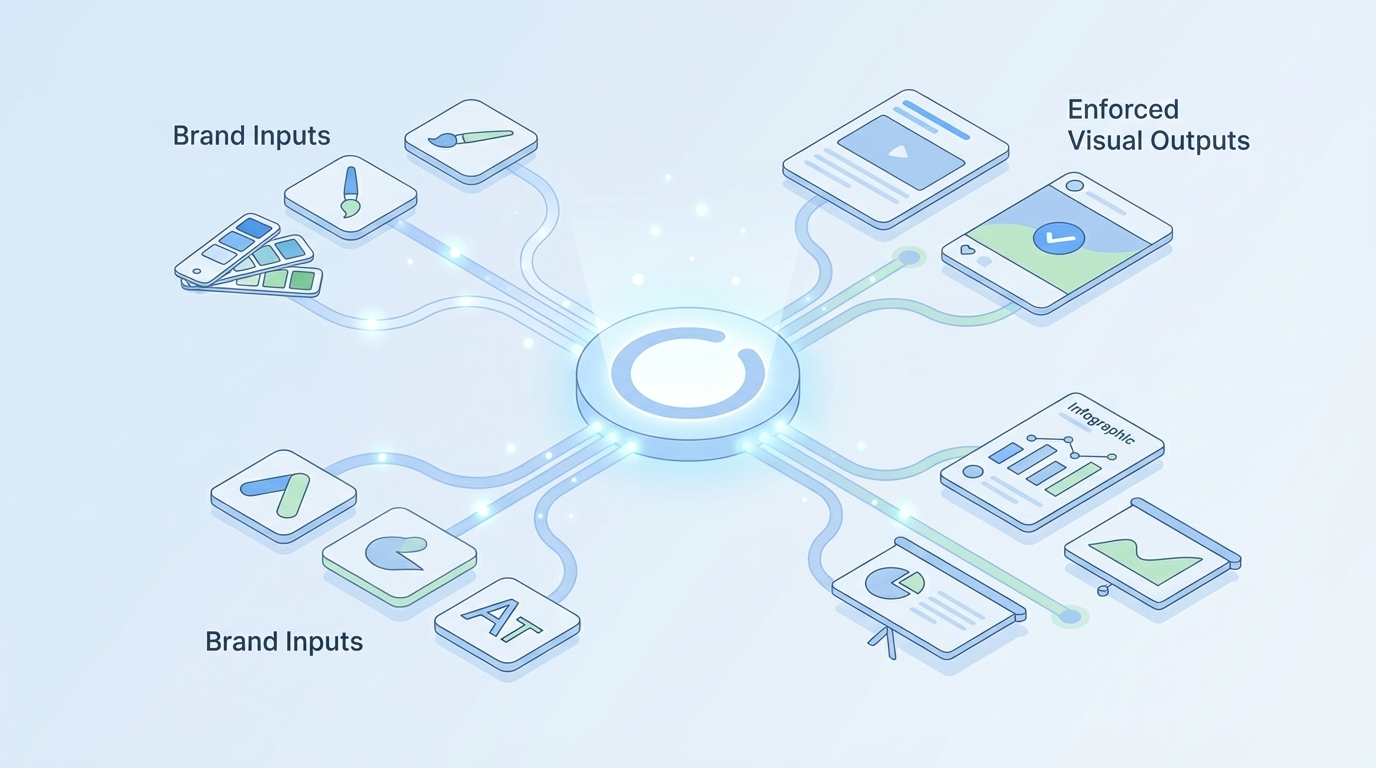
Visual drift happens where systems don’t agree on brand decisions. Tokens sit in Figma, components pull a theme, the CMS has free-form color fields, and image generation ignores all of it. That gap is the problem. Close it by mapping tokens to templates, content fields, and image pipelines that actually render the page.
The Hidden Complexity Across CMS, Images, And Components
Drift doesn’t come from one bad decision; it comes from many independent ones. A writer picks a “nice” background. A template falls back to a hex value from last quarter. An image prompt uses generic “cool blue” instead of your surface brand primary. Each choice makes sense locally and breaks globally.
In practice, that means your React components, your CMS, and your image tools operate on different sources of truth. Design tokens remain theoretical unless they’re the variables everything else reads. This is why teams feel like they “fixed it in Figma” and still ship off-brand pages. The fix isn’t harder reviews. It’s wiring.
What Is A Design Token Workflow Really?
A token workflow is the system that turns brand decisions into variables downstream tools actually consume. It’s not just naming colors. It’s mappings, defaults, versioning, and pre-publish checks that fail the build when something goes off-brand. The boring parts, frankly, are the ones that make consistency possible.
If you need a baseline, the emerging standard in the Design Tokens Format (W3C Draft) is helpful. It pushes you toward portable, structured values instead of ad hoc names. From there, the work is stitching those values through your component library, CMS fields, and image pipelines so they change together.
Why Leaving Consistency To Designers Creates Systemic Drift
Designers should define intent. Code should enforce reality. If reviews are the only gate, you’ll catch drift late and rework will bite your sprint. It’s avoidable. Treat tokens as code, apply them to templates and content controls, and add checks before publish. Consistency stops being a hope and becomes default.
This isn’t anti-design. It’s pro-systems. When teams move checks earlier and automate enforcement, designers spend time on judgment, not detection. If you want to see what enforcement looks like end-to-end, Try Generating 3 Free Test Articles Now.
The Real Bottleneck Lives Between Tokens And Publishing
The bottleneck isn’t creating tokens, it’s getting them to drive every output surface. Most teams stop at “we have a spec,” then handoffs fall apart. You need translation layers that pipe tokens into templates, CMS fields, and image generation. When tokens drive rendering, drift loses its favorite hiding spots.
What Traditional Approaches Miss
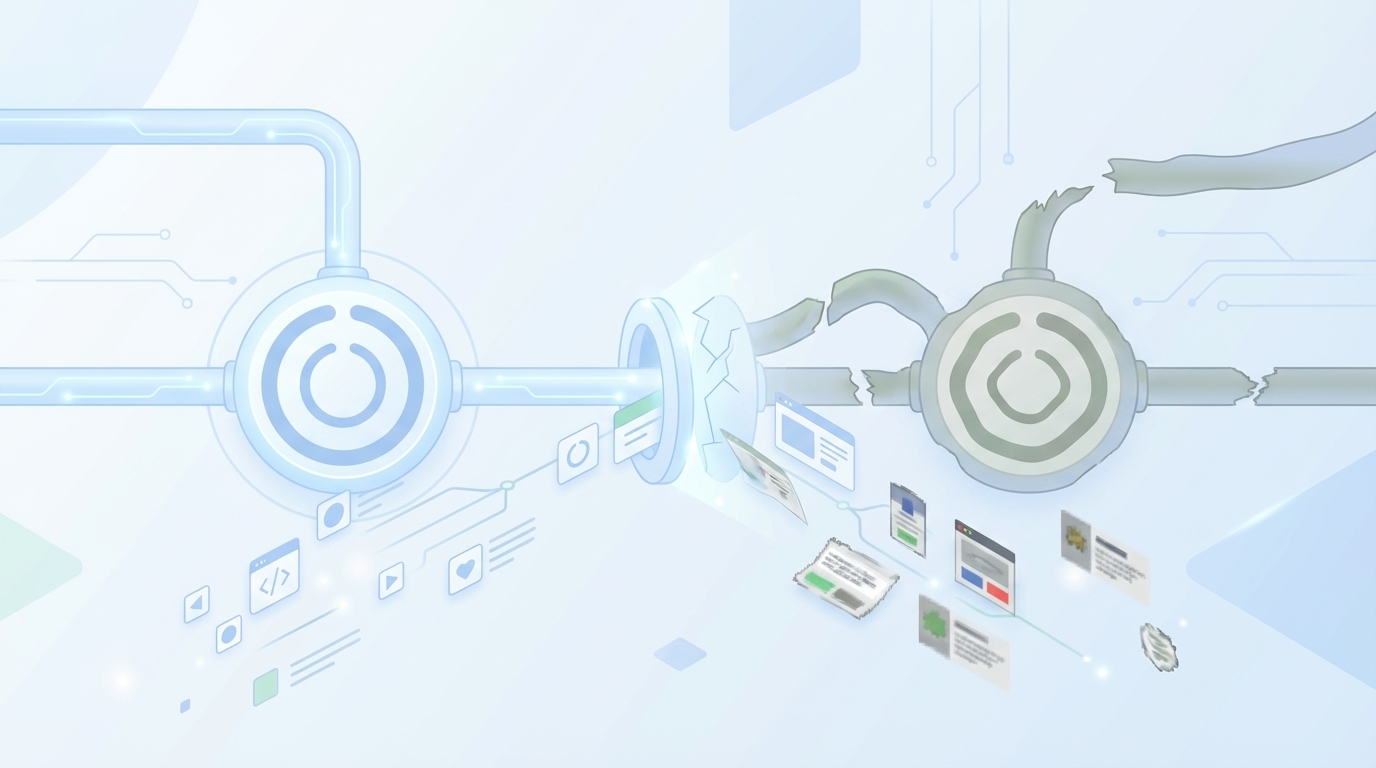
Most teams define tokens and theme a component library. Then the last mile breaks. The CMS exposes free-form color pickers. The hero overlay uses an inline hex. The image generator defaults to whatever “brand-ish” looks like. Each layer believes it’s an exception. That’s where drift takes hold.
The fix is less romantic than a redesign. Replace free-form controls with token-bound fields. Wrap screenshot overlays in token classes. Give your image prompts a parameterized palette. Tools like Tokens Studio explain fundamentals well, but the missing piece is the runtime wiring. The output has to read the same variables the components do.
Semantic Layers Prevent Sprawl And Enable Change
A three-layer model keeps you sane: reference values, semantic tokens, and component tokens. Reference values hold raw hex, spacing, and type scales. Semantic tokens capture intent, like color.foreground.subtle or surface.brand.primary. Component tokens bind that intent to real parts: button.primary.background, hero.overlay.tint.
When leadership wants to adjust your brand warmth or increase contrast, you update semantics once and let components inherit. You’re not hunting hex codes across CSS, CMS fields, and image prompts. You’re changing meaning. That’s the real power, decoupling intention from implementation so restyling doesn’t become archaeology.
Where Do Integration Points Usually Break?
Integration breaks at naming collisions, missing defaults, and silent overrides. The CMS field named "brand_blue" doesn’t match “surface.brand.primary.” A missing token quietly falls back to #000. An image prompt template forgets to pass palette variables. None of this triggers alarms, so it ships.
Close those gaps with strict naming conventions, a fallback matrix, and a linter that inspects content, CSS, and prompt templates. If a token is missing or overridden, block the publish. Treat failures as feedback, not punishment. It’s cheaper to catch a missing semantic token than to refactor 40 pages next quarter.
The Cost Of Drift Is Bigger Than You Think
Drift taxes every team in small increments that add up. A “quick” image swap here, a CSS tweak there, a Slack thread to confirm the right blue. Those aren’t one-offs. They’re systemic costs. Quantify them and you’ll see why enforcement beats heroics.
Engineering And Editorial Hours Lost To Fixes
Let’s pretend you ship 30 posts a month with one hero and two inline visuals each. If 30 percent need visual corrections and each fix burns 45 minutes across writer, designer, and PM, that’s 13.5 hours per month on rework. And that’s before you count component regressions or screenshot updates.
Now layer in the compounding effect. A template tweak to fix contrast touches five layouts. A screenshot update requires re-exporting, renaming, and updating alt text. A simple miss becomes a mini-project. Costs spread across roles, so no one sees the full bill. You just feel slower.
The Cascading Impact On Experience And Credibility
Off-brand visuals don’t just look off. They make the whole story feel suspect. A product that looks different in the article than in-app creates hesitation. Hesitation hurts conversion. Multiply small mismatches across a quarter and you’ve got a credibility leak.
Documenting your tokens and rules helps, but documents alone don’t enforce behavior. That said, the structure recommended in the Supernova guide to documenting tokens can anchor your model and change log. Pair it with pre-publish checks, and velocity stops dying by a thousand paper cuts.
When The Image Lands Off Brand You Feel It Immediately
You can spot the off-brand image instantly. The hue is wrong, contrast is low, the screenshot shows last month’s UI. The problem isn’t taste, it’s governance debt. If rules aren’t encoded upstream, launch day turns into a scramble. That stress isn’t sustainable, and it’s avoidable.
The 3PM Publish Scramble That Derails A Sprint
You’re minutes from shipping. Someone flags the hero image, clashing tones, and the inline screenshot shows an old sidebar. Now the PM is re-cutting images, design is hunting the right palette, engineering is updating a CSS token. Your slot is gone. The team loses a day it can’t afford.
I’ve lived this during founder-led cycles. Small team, big goals, and content slots treated like runway. When we didn’t encode the rules, we paid the price in context-switching. The fix wasn’t more design reviews. It was building a path where the right decision was the only decision available.
The Internal Slack Thread No One Wanted To Reopen
You know that thread. Which blue is “the blue”? Why is alt text inconsistent? Should product marks appear in the hero? None of this is strategic work. It’s the conversation tax you pay when rules live in heads and docs instead of code. Decide once. Encode the decision. Move on.
When drift causes missed dates, nobody wins. Writers take the hit. Designers become the bottleneck. Engineering loses time to small tweaks. Users feel the chaos in subtle ways. If your team is still debating basics weekly, it’s time to shift from opinions to enforcement. Still wrestling with this manually? Try Using An Autonomous Content Engine For Always‑On Publishing.
A Practical Tokens-To-Publish Workflow Teams Can Stick To
A usable workflow starts by mapping reality, then encoding decisions where they’re applied. Keep it minimal. Keep it semantic. And wire it into the tools that actually ship your pages, not just the ones that design them.
Step 1: Audit Visual Debt Across Sites And Systems
Start with an inventory. Pull live pages across web, docs, app surfaces, and social. Tag where drift appears and why, CMS overrides, outdated screenshots, off-palette images. Rank hotspots by user impact so you’re fixing the pages that matter first, not just the ones that annoy you.
Now map your current tokens, component themes, CMS fields, and image prompts in one place. Identify which changes must be enforced by code versus what can remain as guidelines. Store this map somewhere permanent and visible. A shared source of truth lowers the debate load and speeds decisions.
Step 2: Define A Minimal, Semantic Token Set
Create a tight three-tier model: reference values, semantic tokens, and component tokens. Keep the reference layer small. Express intention with semantics like color.surface.brand.primary or text.foreground.subtle. Bind components to intention, not hex codes. It’s the difference between being adaptable and being brittle.
Version your tokens, publish changelogs, and set deprecations with fallbacks. If you need an external primer, Design Tokens 101 is a solid overview. But don’t stop at theory. Plan how those semantics show up in CMS fields and image parameters so your brand shows up the same way everywhere.
How Oleno Turns Your Brand Inputs Into Enforced Visual Outputs
Oleno turns brand inputs into outputs your audience actually sees, consistently. Visual Studio uses your colors, logos, and style references to generate on-brand images, while deterministic systems handle links, schema, and publishing. The goal isn’t more content. It’s consistent, credible content that ships without last‑minute repair work.
Visual Studio Uses Your Asset Library To Generate On‑Brand Images
You load brand colors, logos, style references, and tagged product screenshots. The Visual Studio feature generates a hero and 2–3 inline visuals per article that align with your palette and style. Alt text and SEO‑friendly filenames are produced automatically, so accessibility and search basics aren’t left to chance or memory.
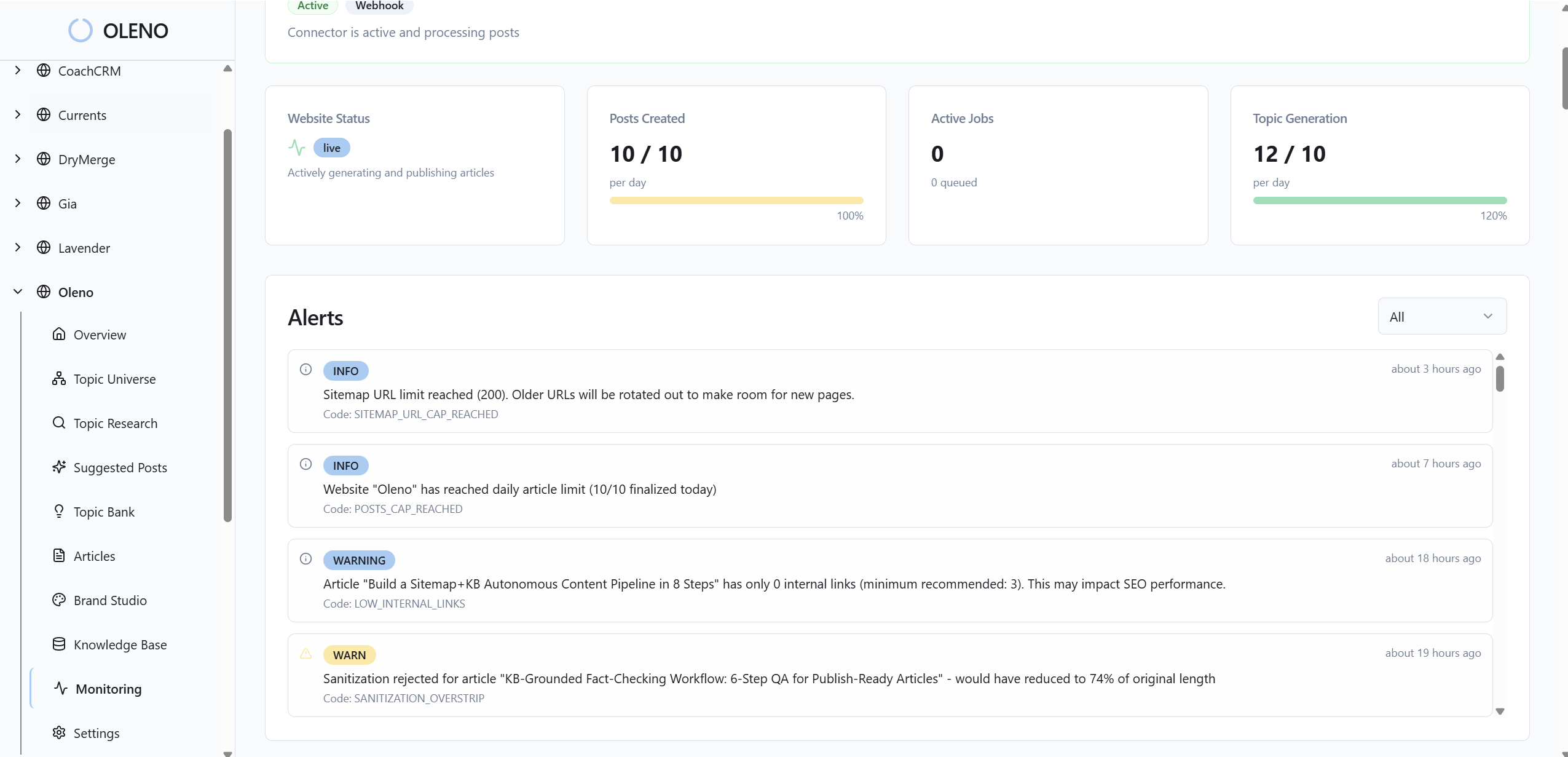
Because the Visual Studio feature accepts token-driven parameters, you avoid generic AI imagery and stock photo compromises. Screenshots are matched to relevant sections using semantic similarity, with a bias toward solution areas where they matter most. That keeps the story tight and saves your team the “which screenshot goes where” shuffle.
Deterministic Structure, Screenshots, And CMS Connectors
Oleno handles the parts humans shouldn’t police on repeat. Internal links are injected from a verified sitemap only, with exact-match anchors. JSON‑LD schema is generated for Articles, FAQs, and Breadcrumbs. Those non-negotiables get handled in code, not in a late-night edit.
Publishing is handled through connectors for WordPress, Webflow, and HubSpot. Oleno maps fields, embeds visuals and metadata, prevents duplicates, and supports draft or live pushes. QA gates check structure, tone, information gain, visual placement, and snippet readiness before anything ships. That’s how Oleno helps you recover the hours you’re currently losing to rework and reduce the credibility tax drift creates. If you want to see that pipeline in action with your brand inputs, Try Oleno For Free.
Conclusion
Consistency isn’t a design problem. It’s a systems problem. When tokens drive templates, CMS fields, and image generation, drift has nowhere to hide. You ship faster, argue less, and look like one brand across every surface. That’s the job. And once the workflow is real, the work feels lighter.
About Daniel Hebert
I'm the founder of Oleno, SalesMVP Lab, and yourLumira. Been working in B2B SaaS in both sales and marketing leadership for 13+ years. I specialize in building revenue engines from the ground up. Over the years, I've codified writing frameworks, which are now powering Oleno.
Frequently Asked Questions