Detect Brand-Voice Drift: Build a Style-Classifier Pipeline with CI Alerts
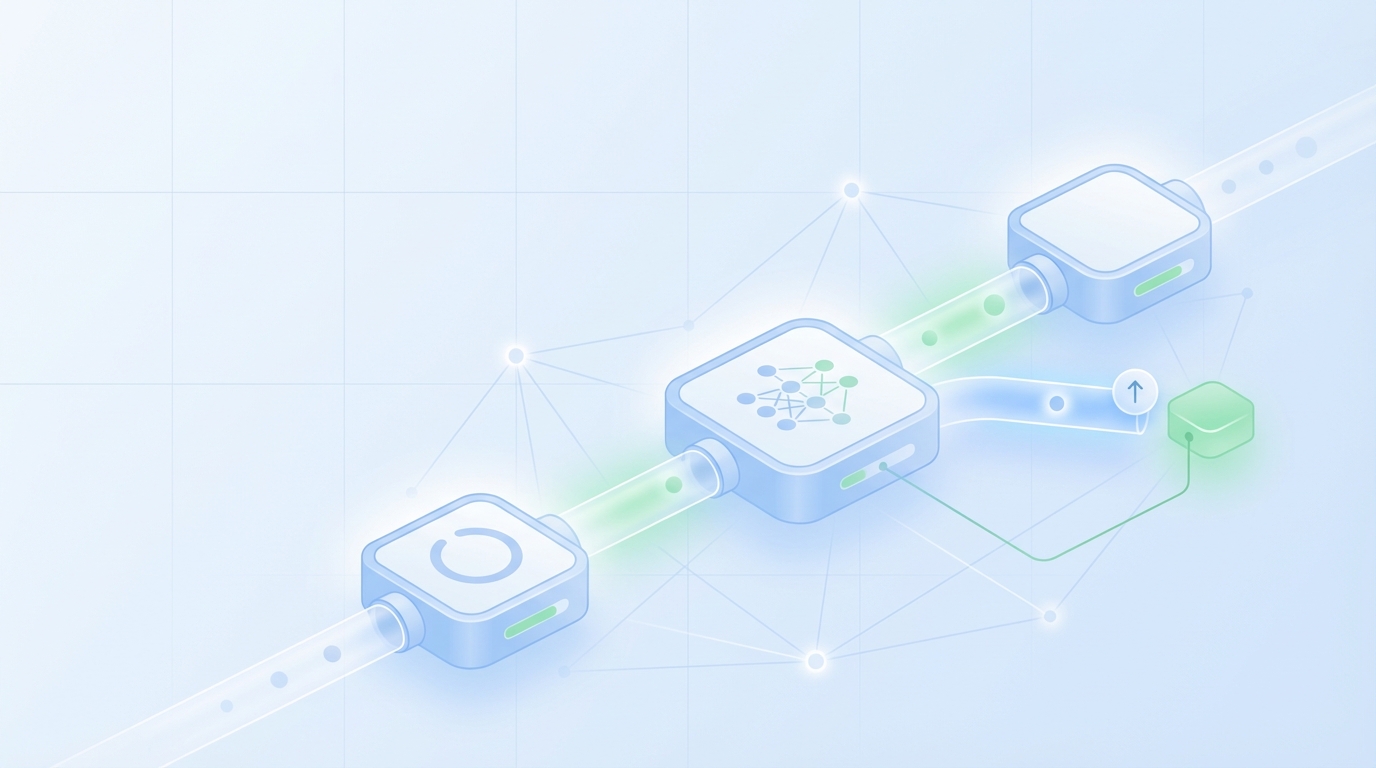
Most teams treat brand voice like a vibe check. That is the mistake. If you cannot measure voice, you cannot enforce it. The fix is boring and powerful, you detect brand-voice drift early, right in CI, with a style classifier that scores tone the same way every time. Once you wire scores into publishing, tone stops being a debate and starts being a gate.
I learned this the hard way. I used to ship a lot by sheer will, editing late at night and rewriting intros that felt off. It worked, until volume climbed and the rewrites snowballed. The pattern was obvious after a while, speed without enforcement just burns time and trust. Move enforcement into the pipeline, score every artifact, and you get consistency without more meetings.
Ready to get started? request a demo.
Key Takeaways:
- Turn voice into data: build a labeled set of on‑voice exemplars and off‑voice counter‑examples
- Engineer style features that track tone, cadence, and vocabulary preferences
- Train a lightweight, explainable classifier and validate it with holdout sets
- Set thresholds that minimize false positives, then wire checks into CI to block risky merges
- Route alerts to owners with rewrite templates so fixes take minutes, not days
- Track drift by channel and persona so you can tune rules without slowing cadence
Detect Brand-Voice Drift Before It Hits Publish
You catch drift before publish by scoring tone as part of CI, not after the fact in comments. Define what on‑voice means, extract measurable signals, and set a pass threshold that blocks or flags off‑voice drafts. When every asset gets a score, you reduce waste and protect credibility across channels.
What Is Brand-Voice Drift and Why Does It Matter?
Brand-voice drift is a gradual shift in tone, vocabulary, and rhythm that makes content feel off even when facts are correct. The danger is subtle because readers feel it before they can name it. Treat voice like a measurable property, use clear tone dimensions like those in Nielsen Norman Group’s guidelines, then enforce a standard so trust does not erode quietly.
Drift compounds when teams scale output or mix writers, agencies, and AI. What once felt consistent splinters into multiple micro‑voices. You end up spending hours fixing hedging, jargon creep, and pacing issues that a simple classifier could flag earlier. Catch it at the source and the rest of your system stays clean.
The Overlooked Signals That Predict Drift Early
Early drift shows up in small stylistic moves, not just obvious word choices. Sentence length variance shifts. Hedging creeps in with maybe, might, could. Imperatives drop while passive constructions rise. Jargon density climbs. Preferred terms fall off. Those tiny changes add up, and they are easy to measure.
Map these signals to your brand exemplars. Build a profile for your typical cadence, term preferences, and voice markers. Then watch for deviations in new drafts. You will see drift long before a human reviewer notices, which saves the rewrite cycle that wrecks timelines.
Enforcement Is the Bottleneck, Not Writing Speed
Teams fail on consistency because enforcement lives in meetings and comments, not systems. Speed is not the real constraint, review is. If QA depends on memory and taste, you will miss rules and catch problems late. Move governance into code and your writers stop carrying the entire burden.
Why Do Teams Blame Writers Instead of Systems?
Blaming writers feels intuitive, but it is wrong. The system is missing a single source of truth and automated validation. Without governed rules exposed to tools, even great writers will drift. Define your voice once, centralize it, and make it machine‑readable so checks can run before humans spend time on polish.
First‑line QA belongs to the pipeline. Humans should handle edge cases and creative judgment, not routine enforcement. Frameworks like the NIST AI Risk Management Framework exist for a reason, controls beat hope. Put guardrails where mistakes start, not after they spread.
The System Requirements for Reliable Voice
You need four pieces to make this reliable. First, governed exemplars and explicit rules. Second, a labeled dataset so the model learns real on‑voice and off‑voice patterns. Third, a validated classifier with stable thresholds. Fourth, CI hooks that score every draft and return actionable feedback.
Then add alert routing and remediation playbooks. Scores without owners do not move outcomes. Owners without fix patterns get stuck in rewrite limbo. Tie the pieces together and the whole machine gets faster and cleaner over time.
The Cost of Failing to Detect Brand-Voice Drift in Production
Missing drift in production creates wasted edits, delays, confused messaging, and lost pipeline. You pay twice, once in internal cycles and again in public trust. When multi‑channel operations scale, the risk multiplies, so costs compound across quarters.
Where the Money and Time Get Lost
Every manual rewrite causes context switching and delay. Review cycles stretch, launches slip, and momentum dies. Multiply that by the number of channels, partners, and assets in flight. The cash cost is real, but the silent cost is trust, conversion drops when tone wobbles even a little.
You also lose learning. When energy goes to cleanup, no one has time to analyze performance or refine the narrative. The system stalls. You ship less, learn less, and pay more for results that feel flat.
How Drift Spreads Across Channels and Tools
One off‑voice blog post seeds off‑voice snippets, social captions, nurture sequences, and sales decks. AI rewrites amplify the error if they learn from bad outputs. Without a classifier gate, drift spreads through repurposing and syndication quickly.
Contain problems at the source. Score early. Block merges that risk spread. A small change upstream prevents weeks of slow, grinding fixes downstream.
What Voice Drift Feels Like for Lean B2B Teams
It feels like déjà vu. The same comments on tone. The same hedging to remove. The same intro to tighten. You are fixing problems that should have been caught earlier, and the team starts to lose patience. Confidence slips because rules feel fuzzy.
The Late‑Night Rewrite Spiral
You publish under pressure, then someone flags tone at the eleventh hour. You scramble, rewrite intros, strip hedging, and adjust CTAs. It drains energy. The pattern is predictable and, honestly, preventable. Put tone checks in CI so you do not fight fires at midnight again.
A repeatable check cuts rework. Writers get clear targets. Editors focus on real quality, not hunting for the same mistakes. Morale improves because everyone knows what good looks like.
The Stakes for Brand, Sales, and Morale
Inconsistent voice confuses positioning and weakens differentiation. Sales pays the price when they have to explain mixed messages. Writers feel whiplash when feedback contradicts itself. Replace subjective debates with objective scores and clear thresholds so the team can move faster with less stress.
Trust is hard to win and easy to lose. A consistent voice is one of the few levers you control daily. Treat it like a system, not an opinion.
How to Detect Brand-Voice Drift with a CI-Backed Style Classifier
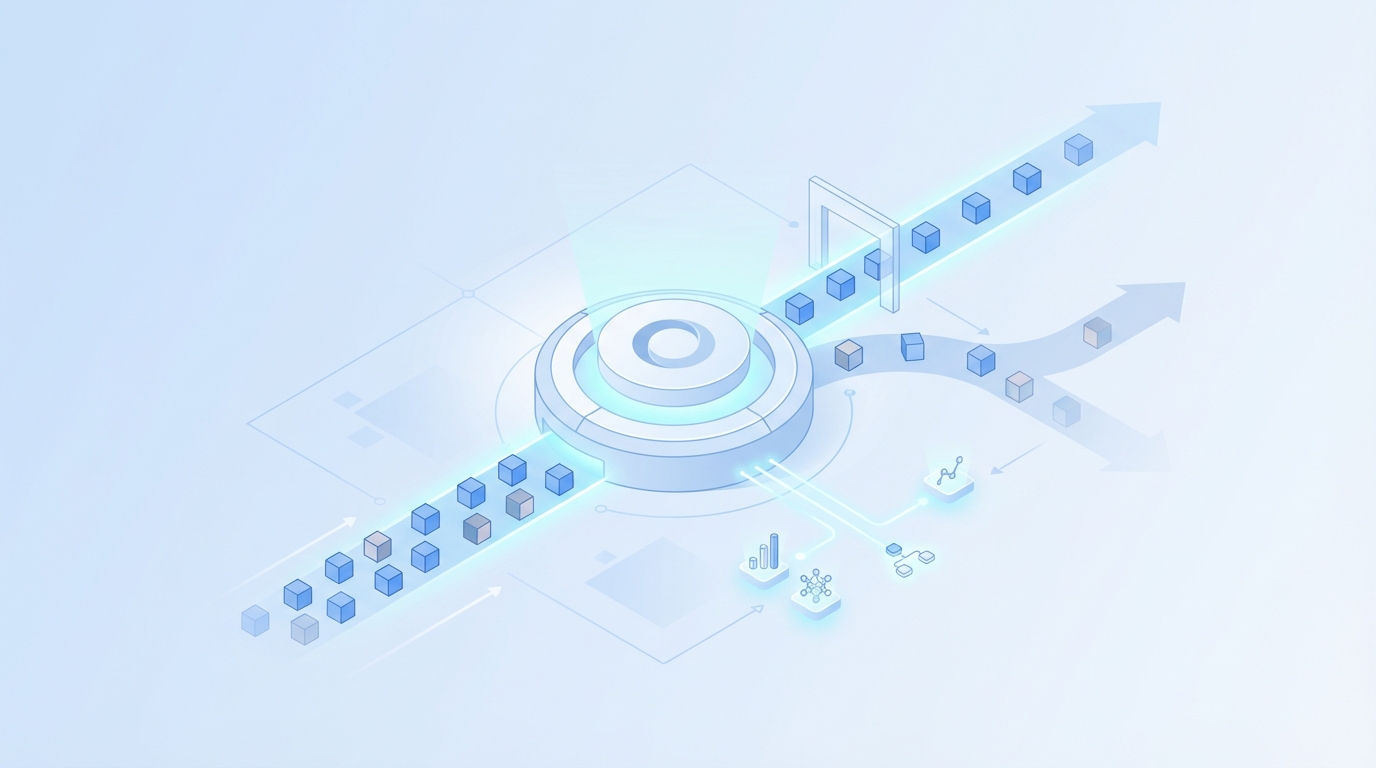
The playbook is simple and proven. Collect labeled exemplars, engineer style features, train a lightweight classifier, validate on holdout sets, set thresholds that reduce false positives, and integrate checks into CI. Then route alerts with remediation steps so fixes are fast and repeatable.
Collect Training Data the Right Way
Start with 200 to 1,000 paragraphs of approved on‑voice content, plus near‑miss and off‑voice negatives. Tag by channel and persona so the model does not confuse blog tone with product docs. Balance classes and split by document to avoid leakage between train and test.
Keep metadata like funnel stage, audience, and content type. Build a rolling update process so the dataset refreshes as you approve new work. That prevents your classifier from freezing an outdated version of your voice while the market evolves.
To operationalize the dataset:
- Inventory sources: CMS, sales decks, email sequences, social posts, and help docs
- Label in batches: on‑voice, near‑miss, off‑voice with short notes on why
- Normalize formatting: strip HTML, keep paragraph boundaries, preserve casing
- Split by asset: train, validation, test without cross‑contamination
- Refresh monthly: add new approved samples and retire stale patterns
Design Features and Models That Capture Style
Start simple and explainable. Compute lexical features, character and word n‑grams, readability scores, modal and hedging counts, preferred and banned term hits, and cadence statistics like sentence length variance. Add syntactic patterns such as passive voice ratio and imperative versus declarative counts.
Train a logistic regression or linear SVM first. They are fast and transparent, which matters when you tune thresholds with editors. Then compare to a small transformer if you need a lift. The scikit‑learn text classification tutorial is a solid baseline any engineer can ship.
A practical feature stack:
- Term preference index: ratio of preferred words to synonyms
- Hedging score: counts of maybe, might, could divided by sentences
- Cadence profile: mean and variance of sentence length per paragraph
- Voice flags: passive rate, imperative share, questions per 500 words
- Jargon density: domain terms per 100 words against your allowed list
Validate, Threshold, and Tune for Low False Alarms
Use stratified train, validation, and test splits. Track precision, recall, F1, and calibration. Pick a threshold that minimizes false positives without missing real drift, then adjust per channel if needed. Document failure modes so editors know what to check when a score is borderline.
Calibrate with humans in the loop. Run a pilot where the classifier scores drafts but does not block merges. Compare alerts to editor judgments for two weeks, then tighten the threshold once agreement is high. That way alerts feel helpful, not noisy.
How Oleno Helps You Detect Brand-Voice Drift and Fix It Fast
Oleno turns this method into a system you can run daily. Governance Studios define voice and rules, the execution engine scores drafts automatically, CI hooks block risky merges, and alerts route to the right owners with clear fixes. You get the consistency gains without building the plumbing yourself.

Governance Studios Become Your Ground Truth
Oleno’s Brand Studio centralizes tone rules, preferred terms, banned phrases, and exemplars in one place. Marketing and Product Studios align narrative and product truth so the classifier learns from the right source. Those rules feed every content job, which avoids the mistake of training on stale or contradictory guidance.
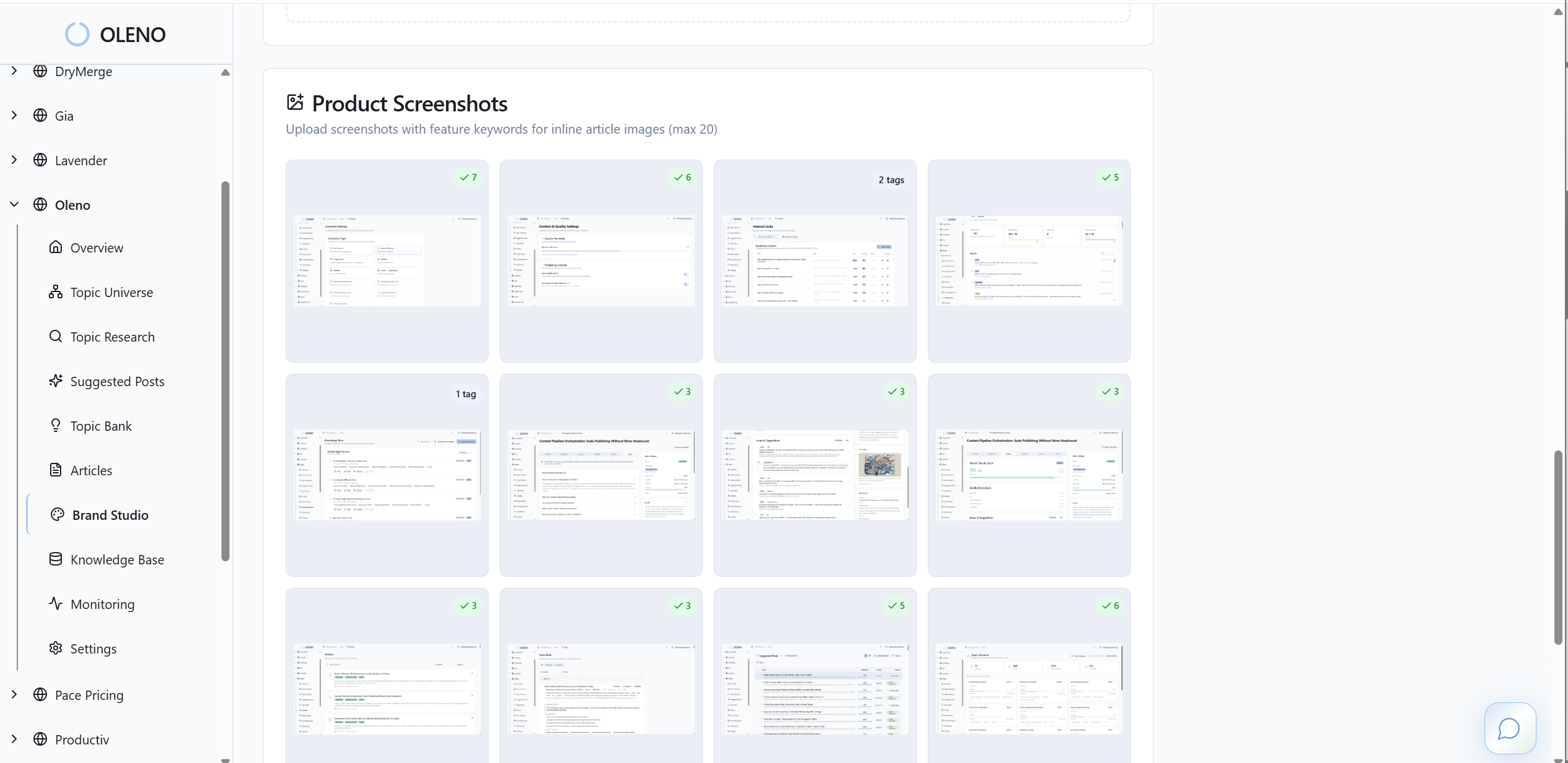
When rules change, the system updates the checks. Editors are not guessing. Writers see the same signals the reviewers see. That alignment cuts back and forth and speeds approvals.
CI Integrations, Scoring, and Drift Alerts
With Oleno, each draft gets a score inside your pipeline. GitHub Actions or GitLab CI receive pass or fail statuses with confidence scores and rule hits, and required checks stop merges when tone drifts. You can set per‑channel thresholds and monitor model performance over time, like any other guardrail. The GitHub Actions status checks guide shows the pattern many teams already use.
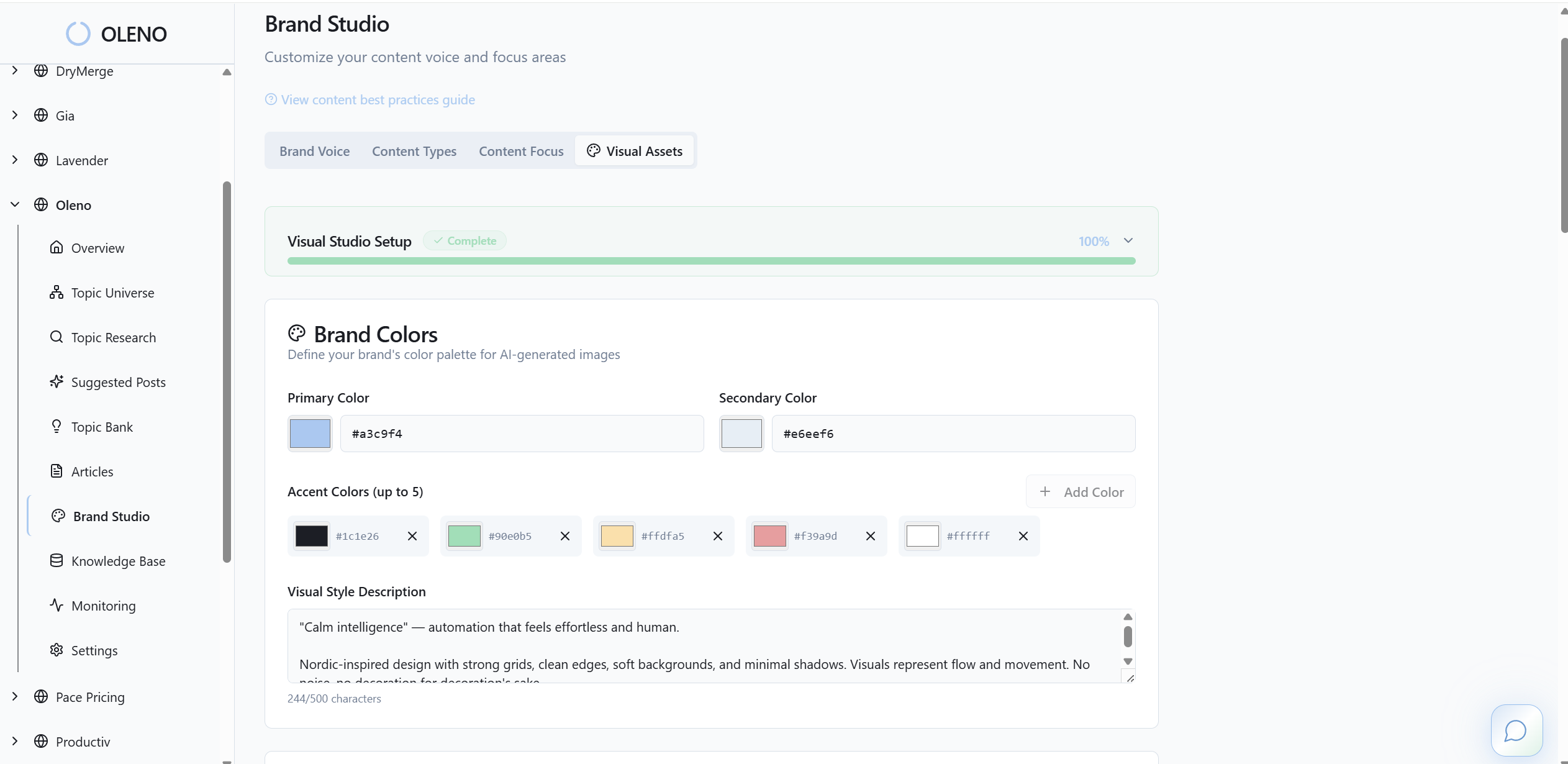
Editors get alerts in Slack with the specific issues and suggested fixes so they do not dig through long docs. That cuts the review cycle, reduces context switching, and keeps launches on track.
Key capabilities at a glance:
- Bold, consistent scoring: one standard across writers, agencies, and AI
- Clear evidence: rule hits and feature highlights that explain each score
- Required checks in CI: stop risky merges without manual policing
- Smart routing: alerts go to owners with context and fix options
- Threshold control: tune by channel and persona to avoid false alarms
Remediation Playbooks Without Extra Headcount
Oleno surfaces targeted fixes, remove hedging, replace off‑brand terms, tighten sentences, align CTAs. Editors can accept quick‑apply suggestions or request a regenerated pass that respects governance. The result is faster recovery, fewer escalations, and a steady cadence that does not depend on heroics.
You also get feedback loops. When editors approve changes, Oleno can add fresh exemplars to your dataset, which keeps the classifier current without heavy lifting. Quality improves month over month instead of decaying.
80 percent fewer tone rewrites in 60 days is a realistic target when governance and CI do the heavy lifting. That is the point. Outcome first, not features.
Want to see drift scoring, thresholds, and CI blocks working end to end? Book a Demo.
Conclusion
If voice is not measured, it will drift. That is predictable. The fix is to move tone from opinion to data, then let CI enforce it before humans spend time. Build a small style‑classifier, wire it into your pipeline, and route clear alerts with fast remediation.
Do that and you protect brand trust, shorten review cycles, and publish on a steady cadence. Ready to catch tone issues before they hit your CMS and cut rewrites by 80 percent in the next two months? Request a Demo.
About Daniel Hebert
I'm the founder of Oleno, SalesMVP Lab, and yourLumira. Been working in B2B SaaS in both sales and marketing leadership for 13+ years. I specialize in building revenue engines from the ground up. Over the years, I've codified writing frameworks, which are now powering Oleno.
Frequently Asked Questions