Editor Playbook: Turn AI Drafts into SEO-Ready, Brand-Consistent Posts in 45 Minutes

If you’ve ever opened an AI draft thinking it’ll be quick and easy, then spent an hour rebuilding the whole thing, you’re not alone. I did this when I built a small B2C app last summer. I was prompting, copying, pasting into my CMS, and tweaking the output by hand. It ate 3 to 4 hours a day. Total waste. So I hard‑coded a small engine to do the work for me, and the difference was immediate. We started indexing fast, traffic showed up, and my editing time dropped to minutes instead of hours.
Same pattern when I led teams at PostBeyond and LevelJump. When content works, it’s because the system is right, not because one person wrote a brilliant paragraph. When it breaks, it’s almost never the writer’s fault. It’s voice drift, fuzzy claims, and structure that doesn’t match intent. That stuff turns “edit” into “rewrite.” The fix is simple in theory: define rules, time box the edit, and push judgment out of the line of fire.
Key Takeaways:
- Treat AI drafts as raw material, not finished copy, and time box your edit into 5 clear passes
- Encode voice, claim boundaries, and structure rules before output so editing becomes verification
- Quantify rework costs and reduce risk by grounding claims in a maintained knowledge base
- Use a 45‑minute editorial workflow to ship consistently without late‑stage rewrites
- Governed drafts, QA gates, and direct CMS publishing shrink edit time and last‑mile friction
Why AI Drafts Feel Slower To Edit Than To Write
AI drafts feel slow to edit because teams treat them like finished copy instead of raw material. Editors strip tone, rebuild structure, then chase claims that aren’t grounded in product truth. That’s a rewrite. A simple shift to time‑boxed editing, plus rules that reduce judgment, turns “cleanup” into a reliable, 45‑minute pass.

The trap of treating AI like a blank page
Most teams drop a draft into Docs and start from the top. You read a lifeless intro, you rewrite it. You notice generic claims, you rewrite them. You hit a weak H2, you rebuild the whole section. By the end, you’ve rewritten 60% of the piece without meaning to. That’s not editing. That’s starting over with a helper on your shoulder.
I fell into this when I was the only marketer at PostBeyond. I could crank out 3 to 4 strong posts a week, but only because I had a structure that made editing mechanical. Once the team grew and context spread out, editing slowed because judgment entered the loop. Every change was a decision. Every decision was a delay. If you treat an AI draft like the blank page, you invite judgment into every sentence.
What works instead is reframing the draft as material. Keep what’s useful, drop what isn’t, and avoid open‑ended rewrites. That means your first pass isn’t finesse. It’s triage. You’re hunting for voice problems, risky claims, and structure drift. You want a yes or no answer on whether this draft can be saved in under an hour.
What changes when you time box the edit
Constraints focus attention. Five minutes on voice and the headline trains your eye on the right things. Ten minutes on facts forces you to verify what matters and delete what doesn’t. Another ten on structure makes you decide which H2s align to search intent and which don’t. The final pass handles QA and publishing details, fast.
Before I built my own small content engine, I was manually prompting and pasting for hours. Once I put constraints in place, my edit time dropped because there were fewer decisions to make. You don’t chase perfection. You hit a quality floor you trust, every time. That’s the difference between a rewrite and a release.
Want to cut your edit cycle without hiring more editors? See how governed drafts change the first pass. Request A Demo
The Real Bottleneck Is Voice, Truth, And Structure
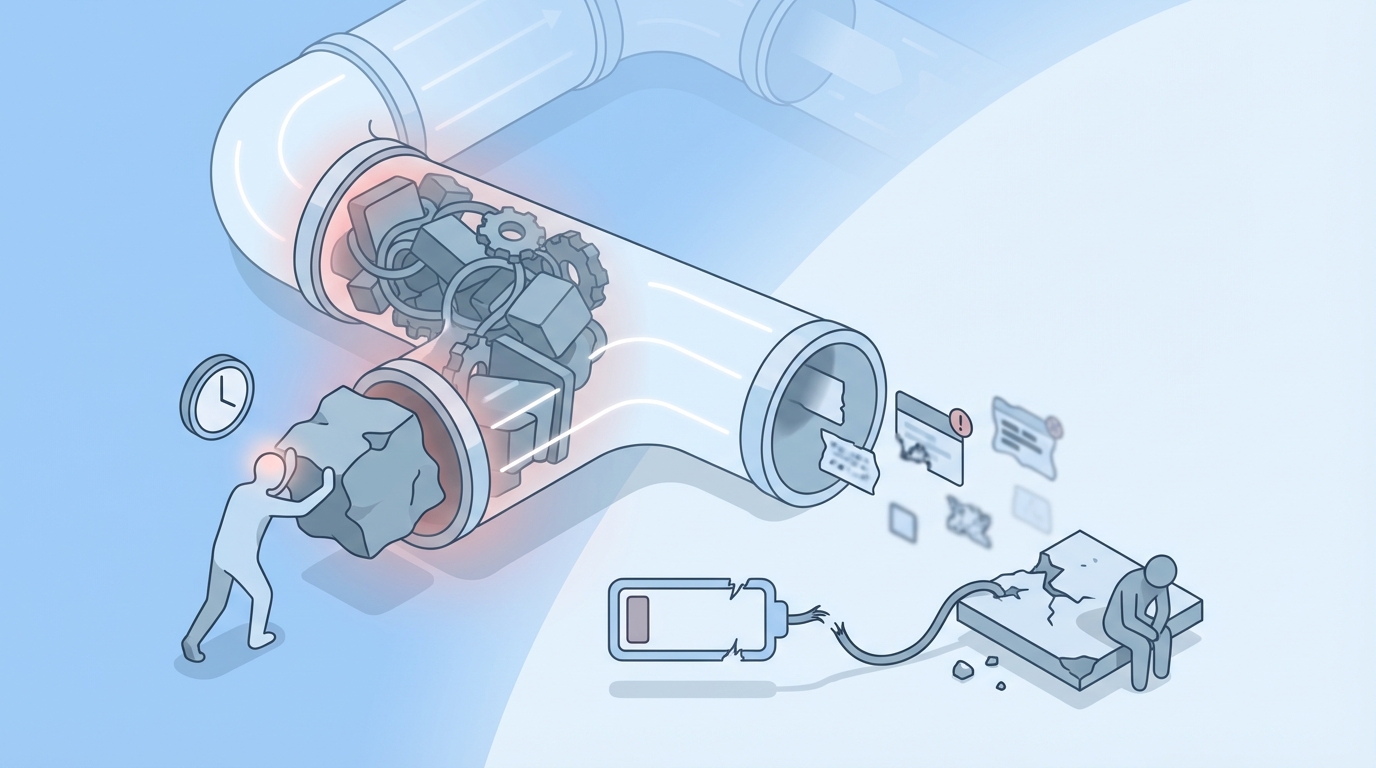
Editing breaks down because teams don’t define voice, claim boundaries, and structure up front. Without those rules, every draft “feels off,” and editors fix symptoms instead of cause. When you encode the guardrails and apply them at the point of edit, you reduce judgment, speed up decisions, and ship reliably.
Why conventional reviews miss root causes
Most edits target phrasing. You clean up passive voice and tidy transitions, then wonder why the piece still doesn’t land. The real problems usually live one layer deeper. Voice rules are implied, not written. Product truth is scattered across docs and Slack. Structure is left to the writer’s best guess for each query.
I’ve watched great writers struggle in this setup. At LevelJump we were three people juggling sales, product, and marketing. Good ideas, little time. When voice and claims weren’t explicit, the same edits happened over and over. Editors played whack‑a‑mole with the output. Fixing sentences is easy. Fixing the system is what actually saves time.
What governance before output looks like
Write down your voice attributes, preferred verbs, banned phrases, product claims, structure rules, and CTA patterns. Put them in one place. Make them the source for briefs and drafts. Now editing becomes verification against rules instead of taste and memory. You lower variance across editors because you’ve moved judgment upstream.
This matters more as AI shows up in discovery. Brand consistency is part of how large models and users recognize you, so your voice and facts have to stay stable across volume. If you want a quick overview of why that consistency now affects visibility, this summary on why AI‑driven surfaces reward consistent branding is worth a scan. The point stands either way. Rules first, output second.
The Hidden Costs Of Unstructured Editing Time, Risk, And SEO Waste
Unstructured editing looks harmless in the moment, but the costs stack fast. Minutes lost per post roll into hours per month. Unverified claims trigger legal escalations. Weak structure and intent mismatch kill SERP performance. Quantify the waste, then build a workflow that removes it.
Minutes lost add up fast, let’s do the math
Let’s pretend you spend 70 minutes per post. Twenty rewriting the intro, fifteen on voice fixes, ten hunting claims, ten rescuing headings, fifteen on SEO odds and ends. At eight posts a month, that’s nine extra hours. Stretch that across a quarter and you’ve burned a full week on preventable rework.
The real cost isn’t just hours. It’s momentum. When editing routinely runs long, you publish less and you publish later. Your pipeline of topics falls behind. Teams shift back to reactive work. That’s how a content engine stalls without anyone deciding to stop.
Rework and legal risk from vague claims
Unverified claims are a quiet risk. They cruise through draft and review, then catch someone’s eye after publish. Cue the Slack thread, the executive ping, the edit under pressure. Now you’re republishing, which can cause index churn and confusion. That’s avoidable with a simple claim boundary checklist and a rule: if we can’t verify it now, we downgrade or delete it.
Credibility matters. Editors can’t outsource that judgment. If you want a quick explainer on how audiences evaluate AI‑assisted content and trust, this paper from Frontiers in Communication on trust and AI is a good backdrop. The takeaway is practical. Guardrails reduce fire drills.
SEO penalties from weak structure and intent mismatch
When headings don’t mirror intent, you miss the click. When answers are buried, you lose the snippet. When metadata is vague, CTR drops. Micro‑structure matters. Fix H2 and H3 slots to match the query, compress intros, and front‑load answers. That’s not fluffy guidance. It’s the difference between page two and steady traffic.
AI recommendation lists also rotate more than you think, which means you need consistent structure and clarity to earn mentions across variations. Here’s a quick study on how AI recommendation lists rarely repeat. And if you’re tracking how AI‑driven search is reshaping visibility, this primer on brand visibility in AI‑driven search frames the shift well. Structure is your hedge against variability.
When Editing Drags, Quality Slips And Teams Burn Out
Slow edits drain energy and erode trust in the process. People push work late in the day, take shortcuts, and stop believing the system will save them. The fix isn’t more effort. It’s a workflow that keeps judgment light and progress visible.
The 3 pm to 7 pm spiral you recognize
You open a draft for a “quick polish.” Two hours later, you’ve rewritten half the piece and you’re still uneasy. That window you saved for strategy or family is gone. I’ve lost plenty of evenings to that spiral. It doesn’t happen because you don’t care. It happens because the process asks you to make too many decisions.
When this becomes normal, teams start dodging the work. They drop half‑finished drafts into the queue and hope someone fixes them. Editors do heroics. Quality dips. It feels small in the moment, but it’s a system failure. You don’t need more hands. You need fewer decisions.
When your biggest post goes live with a risky claim
Launch day. A fuzzy benchmark slips through. Your VP pings legal. You scramble a fix. This is preventable. Define claim boundaries, verify sources before publish, and keep a rollback note you can execute in minutes, not hours. Ownership is clear. Editors own accuracy, and the system helps them move fast.
Still relying on manual fixes and late‑night edits? There’s a calmer path. Stop chasing approvals and start shipping governed drafts. Request A Demo
A 45-Minute Editor Workflow That Ships Consistently
A 45‑minute edit works because it removes judgment and creates a repeatable cadence. You run five focused passes: voice, headline and intent, grounding and facts, structure and flow, then QA and publish. You don’t chase perfection. You enforce rules and ship on time.
Minute 0 to 10 brand voice triage and SEO headline intent
Open the draft and scan for tone drift, banned phrases, and preferred terms. Fix the headline for intent match and CTR, not cleverness. If voice is off, rewrite only the lead to set tone. Add a one‑line promise that maps to the query. Get the first screen right and the rest gets easier.
Now you can apply a tight checklist without thinking too hard. You’re looking for simple passes, not rewrites. You want a clear yes or no on whether this piece can move forward.
- Checklist: banned terms, preferred verbs, persona match, headline variants, meta description
- Example: replace “revolutionize” with “reduce edit time,” swap “AI writes perfectly” with “AI drafts you can ship today”
- Optional: gather 2 headline variants for later CTR testing
Minute 10 to 20 KB grounding and quick retrieval check
Highlight every fact, number, competitor name, and product reference. Verify each against your knowledge base or a linked authoritative source. Anything you can’t ground in under two minutes gets downgraded or deleted. If the draft lacks product truth, add one governed proof point that ties back to your solution, not a sales pitch.
You’re not trying to win a debate with legal here. You’re trying to make fact checks fast and visible. Editors need to see the source, hit approve, and move on.
- Checklist: source link present, claim within allowed boundaries, competitor references neutral and accurate
- Example: “We cut edit time” becomes “Editors typically save 30 to 45 minutes when draft rules match voice and claim boundaries”
- Tip: keep a short list of allowed sources next to the KB so retrieval is quick
Minute 20 to 45 structure, flow, QA, and publish settings
Slot H2s and H3s to mirror search intent. Compress intros to two or three sentences. Front‑load answers in subsections. Add one scannable list or a small table if it unlocks a snippet. Then run a final QA pass for links, schema, image alt text, and title tag length. If a high‑risk claim remains, trigger a five‑minute peer review. If blocked, schedule and add a rollback note with a safe variant.
This is the pass where small habits compound. You’re not polishing for style. You’re aligning structure to how people search and how pages are evaluated. It’s the difference between “good writing” and “content that performs.”
- Checklist: H2 order maps to SERP, one question‑form H3 added, paragraph length 2 to 4 lines, internal links added, schema present
- Example rollback note: “If challenged on benchmark X, replace with Y and remove paragraph 3”
- Reality check: don’t add lists for the sake of lists, add them where they unlock scannability
How Oleno Reduces Edit Time With Governed Drafts And QA Gates
Oleno reduces edit time by encoding voice, claims, and structure rules up front, drafting against your knowledge base, and enforcing quality gates before anything publishes. Editors spend minutes on triage, not hours on rewrites. The system handles the checks you used to carry in your head.
Voice, claim, and structure enforcement at draft time
You define voice attributes, preferred terms, banned phrases, claim boundaries, and CTA patterns once. Oleno applies those rules during drafting so the first pass already sounds like you and stays within allowed claims. Editors stop doing the same fixes over and over, which directly cuts the 20‑minute triage to a few quick checks.
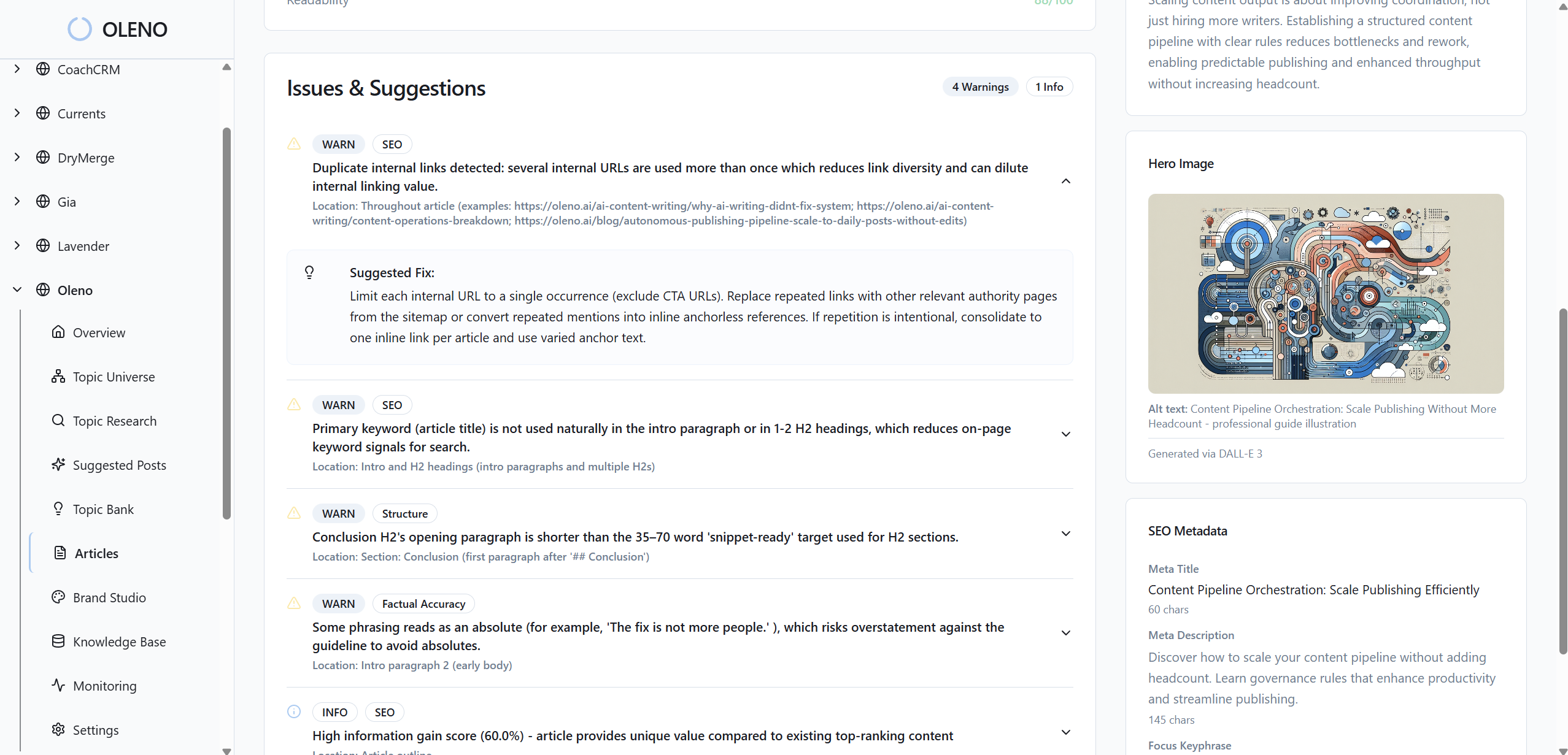
What this looks like in practice is simple. Drafts arrive already aligned to your tone, with risky phrases flagged and removed. Structure follows your H2/H3 patterns for the target intent. You still make judgment calls, but you’re no longer rebuilding basics on every piece.
Knowledge‑grounded drafting with your archive
Import product docs, help docs, positioning, and customer stories into the knowledge archive. Oleno drafts against your truth so facts are easier to verify. That shrinks the 10‑minute fact check window because fewer lines need edits and sources are already linked. Editors highlight fewer risky claims and move on.
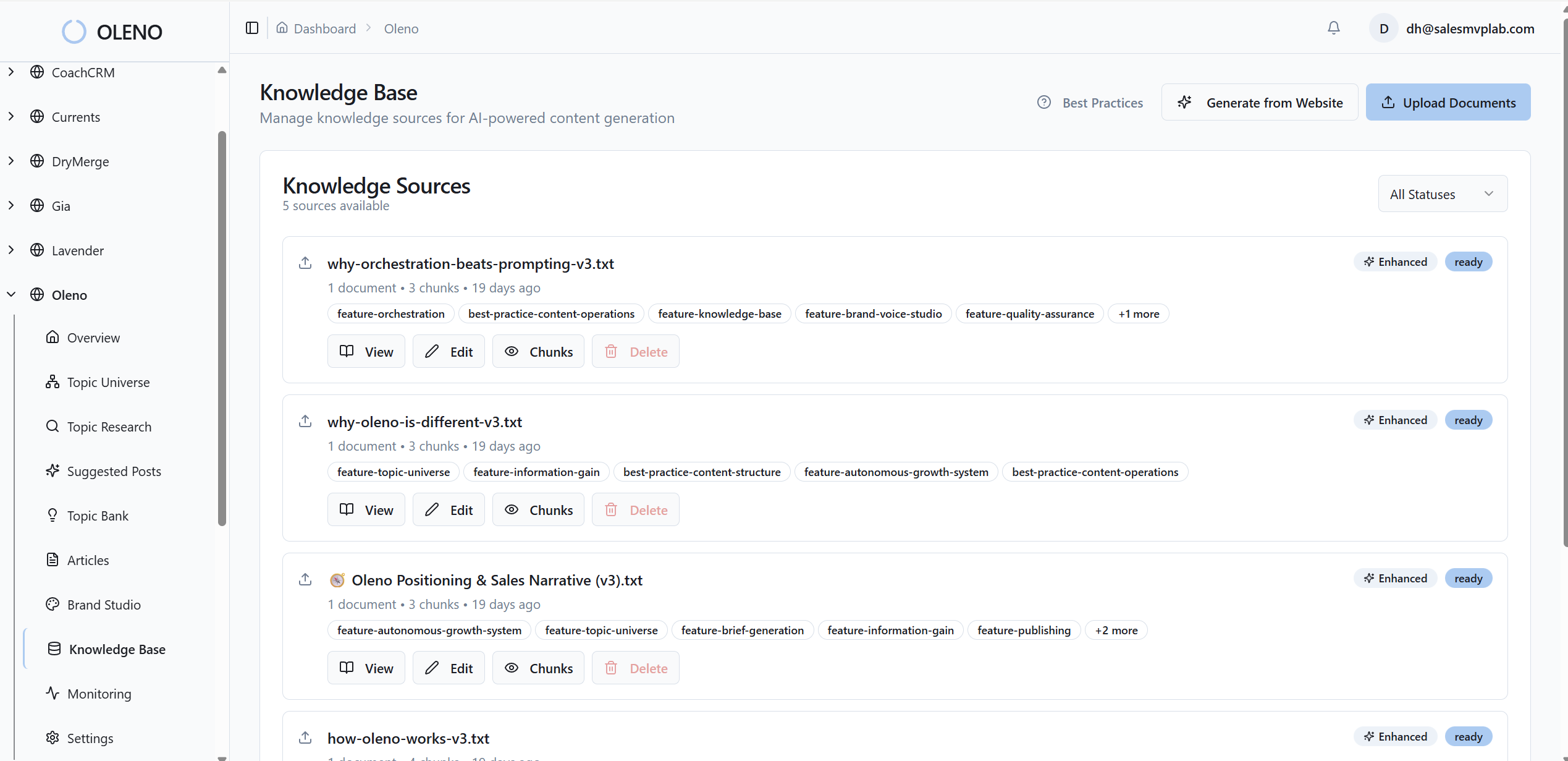
This is not about analytics or rank tracking. It’s about operational reliability. If the claim isn’t in your truth set, it doesn’t go in the draft. If it needs a source, it has one. That’s how you avoid late escalations and rework.
Automated QA gates and direct CMS publishing
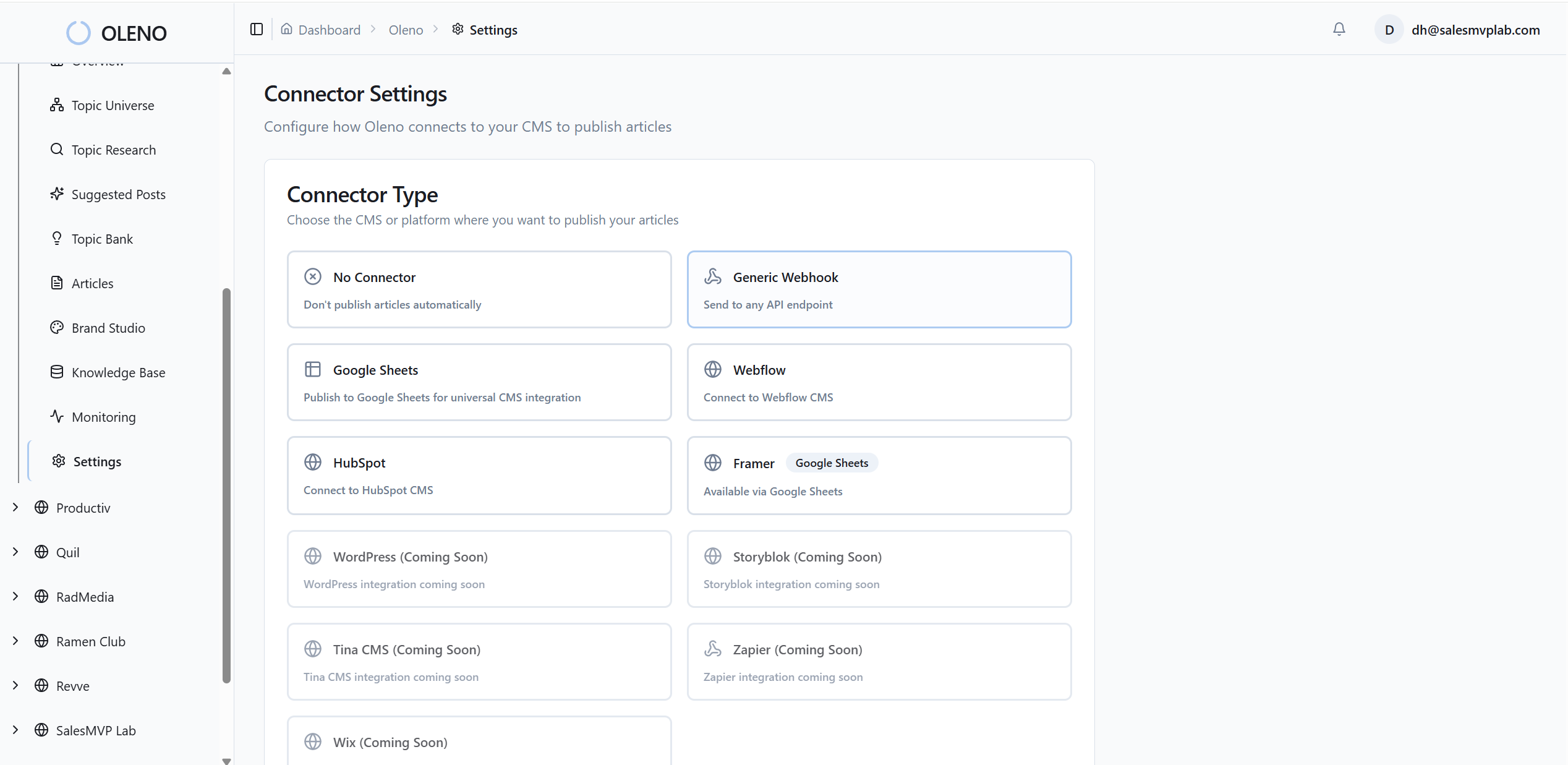
Nothing publishes until it passes quality checks for voice, structure, grounding, clarity, and SEO essentials. If a check fails, Oleno requests a fix and blocks publishing. Once approved, you publish directly to WordPress, Webflow, HubSpot, and more, with title tags, meta descriptions, schema, and alt text set in the same flow. No duplicate posts. No paste errors. That removes the last‑mile friction that usually stretches editing past the hour.
If you’re weighing whether AI‑assisted content affects ranking, the nuance matters. Editorial oversight still drives outcomes, as outlined in this overview of AI content and SEO performance. Oleno’s job is making that oversight fast, consistent, and safe.
Ready to turn your editing from judgment calls into a system? 3x faster content velocity is a realistic outcome for small teams using governed drafts and QA gates. Request A Demo
Conclusion
When I ran Steamfeed, we scaled by combining volume with structure. Years later, the same rule applies to AI‑era editing. You don’t need more writers. You need fewer decisions. Define your voice, claims, and structure once. Treat AI drafts as material, not finished copy. Run a tight 45‑minute edit. And, if you want to make this effortless for a small team, let Oleno handle the guardrails so your editors can finally ship on time.
About Daniel Hebert
I'm the founder of Oleno, SalesMVP Lab, and yourLumira. Been working in B2B SaaS in both sales and marketing leadership for 13+ years. I specialize in building revenue engines from the ground up. Over the years, I've codified writing frameworks, which are now powering Oleno.
Frequently Asked Questions