Governance Playbook: Run 10+ Content Brands with One Team
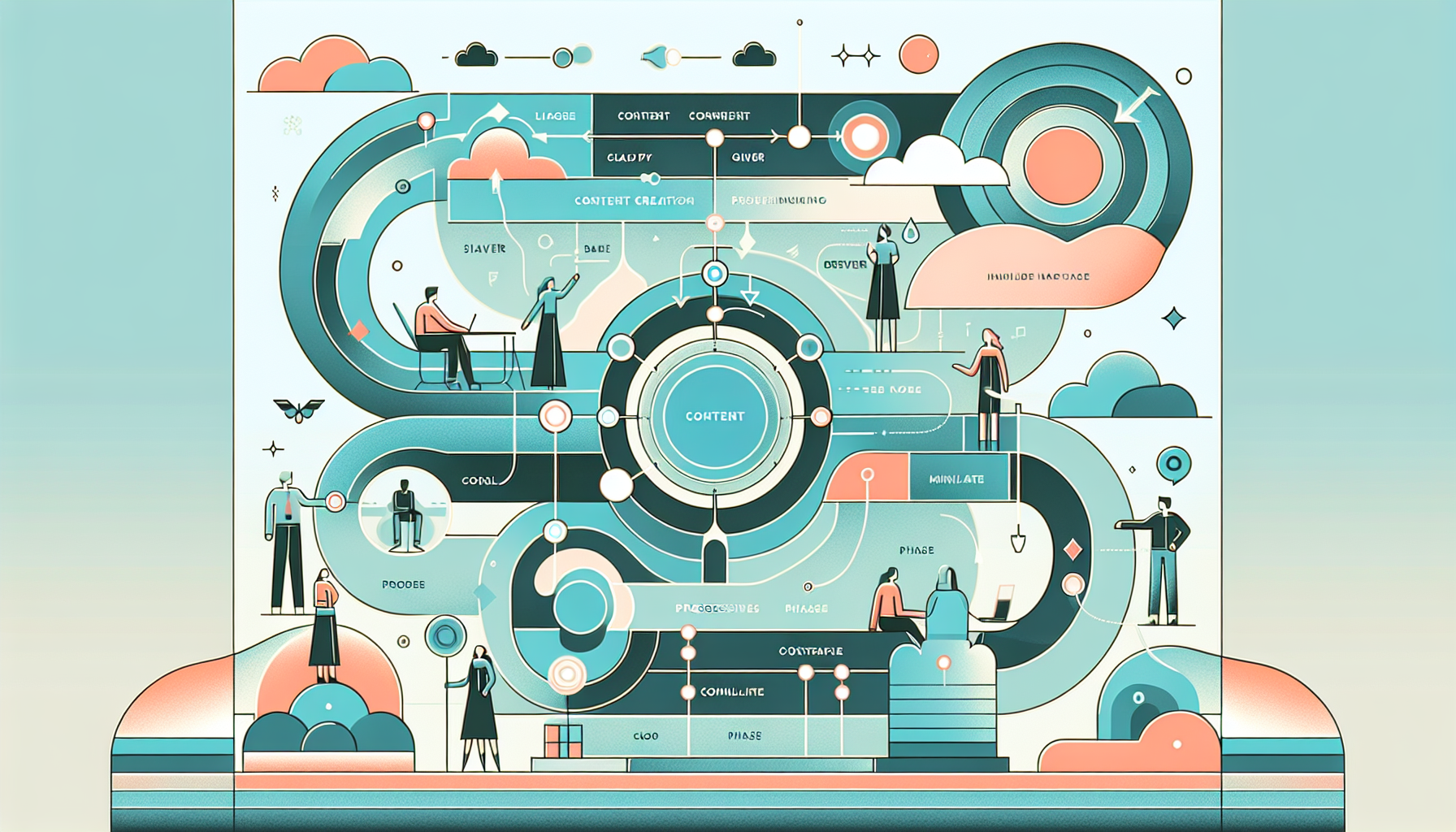
Most teams try to scale content by multiplying people and workflows per brand. That looks like progress on paper, including the rise of dual-discovery surfaces:, until the calendar fills with approvals, edits, and handoffs, and the team spends more time coordinating than publishing. The pattern is predictable: you ship less, spend more, and still miss the narrative across brands.
There is a simpler way. Treat multi-brand publishing like a governed pipeline, not six different newsrooms. Put rules upstream, make publishing deterministic, and separate the control plane from each brand’s expression. Operators who adopt this mindset, and run it with tools like Oleno, find the ceiling lifts without hiring sprees or heroic editing sessions.
Key Takeaways:
- Standardize a shared control plane, then keep voice and facts local per brand
- Replace line edits with durable Brand Studio rules and a minimum QA pass score
- Make cadence a policy, not a calendar, to prevent CMS collisions and fire drills
- Quantify the rework tax to expose where governance beats staffing
- Encode approvals in a Topic Bank so routing and reuse stay predictable
- Use a deterministic pipeline to turn topics into published posts with minimal intervention
Why Managing Each Brand Like A Newsroom Doesn’t Scale
Audit duplication across brands
If you map your week, you will see the same steps repeated per brand: topic discovery, briefs, drafts, edits, QA checks, and publishing handoffs. The same conversations, the same fixes, the same “reminders” about voice or structure. That duplication is not craftsmanship, it is ungoverned work. The fastest way to unlock scale is to circle the steps that do not change by brand and turn them into a control plane you configure once.
Hidden hours stack up in exceptions. Slack approvals, including the shift toward orchestration, last-minute rewrites, and CMS collisions do not look like big issues in isolation. Together they define your operating model. Track exceptions for two weeks, including who touches what and when. If your calendar is dominated by exceptions, you are managing chaos, not a system.
Memory is the biggest scale risk. If quality depends on people remembering prompts, macros, or “how we do it,” you will stall at eight brands and dread the ninth. Move those memory rules upstream into configuration. If the rule exists, the pipeline can apply it the same way, every time. For a deeper view into why systems beat staffing, read the primer on autonomous content operations.
Challenge the “more editors” instinct
When volume rises, the default reaction is to ask for headcount. Test centralization first. Define one shared definition of quality that covers structure, voice, Knowledge Base use, and clarity for both search engines and LLMs. Apply it across brands for two weeks. If drafts improve without new hires, you found the lever.
Turn per-brand feedback into durable Brand Studio rules. Replace line edits like “avoid passive voice” or “never say X” with banned language, tone, and phrasing constraints. Small upstream rules eliminate recurring downstream fixes. Freeze manual rescue for a week. If quality dips, you are missing a rule, not an editor. Fix the rule, not the draft, and you will stop teaching the same lesson eight times.
Curious how this looks in practice across multiple sites? Try one small experiment, then expand what works. Try generating 3 free test articles now. Try generating 3 free test articles now.
Separate Control From Expression To Unlock Scale
Centralize the control plane
Write down what is universal: topic intake rules, Topic Bank states, QA thresholds, cadence policies, and escalation paths. Store these in one place and treat them as non-negotiable. If something truly varies, capture the variance as a parameter, not as a custom process. This shift creates predictability without robbing teams of judgment.
Treat approvals as configuration. Topics move into a shared “ready” list across brands, then routing happens at publish time. When a topic crosses brands, mark it reusable and create per-site angles. Make cadence policy-driven. Set daily limits and let the system distribute work evenly to prevent CMS overload and team-induced spikes. If the rules are clear, throughput rises with less coordination.
Keep brand expression local
Keep voices distinct while the pipeline stays shared. Give each brand its own Brand Studio for tone, phrasing, and structure, and keep a separate Knowledge Base for factual grounding. The Brand Studio protects identity, the KB protects accuracy. Keep the KB clean and current so claims do not drift. Remove stale materials quickly.
Use site-level permissions to avoid accidental cross-brand edits. The pipeline is centralized. The artifacts, like Brand Studio and KB entries, are local. That is how you get consistent quality with distinct voices. To explore the philosophy that underpins this approach, read about autonomous content systems and how to encode rules from governance to pipeline.
The Hidden Costs Of Per‑Brand Firefighting
Map the rework tax (let’s pretend…)
Imagine eight brands publishing three posts per week. If each post needs forty-five minutes of voice fixes and thirty minutes of factual corrections, you spend six hours per brand weekly on edits. Across eight brands, that is forty-eight hours of avoidable rework. Move voice rules into Brand Studio and facts into the KB, and those hours shrink fast.
Now add exceptions. Say ten percent of posts fail QA and trigger rework. At sixty minutes each, that is 2.4 hours per week before you multiply by brands. Then consider CMS collisions. If a single hour is lost to a CMS error per brand per week, that is eight hours gone. Predictable scheduling and automatic retries push that number toward zero.
Find your throughput ceiling
When optimizing why content broke before ai, bandwidth is not writing time. It is coordination. Put the full flow on a wall: Topic → Angle → Brief → Draft → QA → Enhancement → Publish. Color anything still manual. That map is your ceiling. Every manual block is a hidden governor on scale.
Simulate daily capacity with cadence limits. If you can safely ship four posts per day without conflicts, scaling to ten brands demands even distribution and automated quality enforcement. Replace “hope it is fine” with a minimum QA pass. The pass threshold prevents low-quality posts from boomeranging back as editing work. For a practical breakdown of where time leaks in traditional operations, read the content operations breakdown.
What Good Looks Like With One Team, Many Brands
Run the daily flow without fire drills
Start with a shared Topic Bank. Approved topics feed one pipeline and the system spreads the work through the day based on daily limits. No batching runs that slam your CMS. No scramble to juggle time zones or holidays. Output stabilizes and the calendar calms down.
Brand Studio applies voice per site during angles, drafts, QA, and enhancement. If tone drift appears, adjust the rule once and move on. Knowledge Bases keep facts tight. Update source docs, not drafts. When a product detail changes, future articles reflect it automatically and you skip the back-and-forth.
Handle exceptions with a clear escalation path
Let the QA-Gate be the first stop. If a draft fails, it improves and re-tests automatically. Escalate only when a second pass misses the threshold. Keep humans out until the system shows it cannot self-correct. Define “stop the line” events with care. Conflicts in a KB entry that affect multiple brands, or repeated publish failures, deserve human attention. Routine issues should resolve inside the pipeline.
Use internal pipeline events like retries, errors, and version history to understand what happened. You do not need dashboards, you need predictable retry behavior and a simple checklist for when to step in. To see the end-to-end flow without manual steps, study the autonomous publishing pipeline.
Configure The Governance System Step By Step
Build the shared Topic Bank
Create one queue with two states: Approved and Completed. Approve topics centrally, then route to brands at publish time. When a theme spans brands, attach brand-specific angles so each site gets a distinct take without repeating research. Reorder as strategy shifts. A simple rule keeps the system honest: no drafting without Topic Bank approval. That alone prevents rogue posts, clarifies capacity, and improves narrative cohesion.
Labels help with routing and reuse. Keep them light. Use core theme, including why content now requires autonomous, brand fit, and reuse potential. Avoid heavy taxonomy that becomes a new job to maintain. The goal is to accelerate movement, not to reinvent an editorial calendar.
Define QA rules and escalation
Set a minimum pass score that includes structure, voice alignment, KB accuracy, and clarity for search engines and LLMs. Publish only on pass. Document remediation paths. On a fail, auto-improve and re-test. On a second fail, check for gaps in Brand Studio or KB before you touch the draft. On a third fail, escalate to change a rule. When a recurring edit shows up across brands, convert it into a rule so you never fix it twice.
A small checklist keeps governance tight:
- Capture the failure reason in plain language
- Identify whether it maps to voice or facts
- Decide if a rule change or KB update solves it
Ready to eliminate coordination overhead and raise your pass rate? Try using an autonomous content engine for always-on publishing. Try using an autonomous content engine for always-on publishing.
Set cadence, capacity, and incident protocols
Assign daily publishing limits per brand and let the system distribute jobs to prevent CMS collisions and workload spikes. Throttle new brands during rollout, then increase limits when QA pass rates stabilize. Keep cadence a policy, not a calendar. Operators should adjust limits, not shuffle spreadsheets.
Define what gets logged and when to intervene. Repeated publish retries, version churn, or conflicts in KB entries are intervention candidates. Keep a lightweight incident note with the source, the rule or KB change applied, and the outcome. Review internal events weekly. If you see patterns, adjust governance. The pipeline should get smarter without anyone editing drafts.
How Oleno Operationalizes Multi‑Brand Governance
Map control points in Oleno
Oleno turns governance into configuration. Each site gets its own Brand Studio to capture tone, phrasing, banned language, and CTA style. These rules apply during angles, drafts, QA, and enhancement so voice stays consistent without manual policing. Each brand also maintains its own Knowledge Base with emphasis and strictness settings so claims remain grounded. Topic Intelligence and the Topic Bank handle discovery and approvals, funneling work into a single deterministic pipeline.
This arrangement separates control from expression. Operators standardize what should never vary, and brand owners adjust what must vary. Once the inputs are set, Oleno carries topics through Angle, Brief, Draft, QA, Enhancement, and Publish without prompts or ad hoc edits.
Configure scheduling and limits
Set daily limits per site in Oleno, whether that is one or twenty-four posts. Oleno distributes work evenly, including ai content writing, manages order, prevents overload, retries temporary CMS errors, and records internal events so the pipeline can retry and remain predictable. If a brand is new or sensitive, lower its limit for a week. Raise limits as QA pass rates climb. Cadence decisions live upstream so people are not juggling calendars downstream.
This is where operators see throughput change with the flick of a policy. You adjust a limit, and the pipeline respects it. You approve more topics, and the queue flows. No new meetings appear. No extra handoffs are required. The system responds to rules, not reminders.
Enforce quality and publish reliably
Oleno enforces quality with the QA-Gate. Every draft is checked for structure, voice alignment, KB accuracy, SEO structure, LLM clarity, and narrative completeness. Minimum pass scores apply. If a draft fails, Oleno improves and re-tests automatically. When a pattern emerges, you fix the Brand Studio rule or the KB source, and the gains compound across brands. After QA, the enhancement layer removes AI-speak, tightens rhythm, creates a TL;DR, adds schema and internal links, and sets metadata and alt text.
Publishing runs through native connectors for WordPress, Webflow, Storyblok, or custom webhooks. Oleno handles media, metadata, schema, authentication, and retries. Version history and internal events serve as your audit trail. They are not dashboards, they are the receipts the system needs to remain predictable. Your work becomes inputs and guardrails. Oleno runs execution from topic to published post.
If you are managing ten or more sites and want to see this pipeline run on your content stack, Request a demo. Try Oleno for free.
Conclusion
The newsroom model breaks at scale because it multiplies coordination, not output. The alternative is to run a governed pipeline that separates a shared control plane from brand expression. Centralize approvals, cadence, and QA rules. Keep voice and facts local. Quantify the rework tax and remove it at the source. When you do, publishing becomes predictable, and one team can run ten or more brands without drowning in edits.
Oleno operationalizes that model. Brand Studio and Knowledge Bases keep drafts aligned and accurate. Topic Intelligence and the Topic Bank feed a deterministic pipeline. QA-Gate and the enhancement layer enforce quality before posts hit your CMS. Set the rules, turn the key, and the system runs.
About Daniel Hebert
I'm the founder of Oleno, SalesMVP Lab, and yourLumira. Been working in B2B SaaS in both sales and marketing leadership for 13+ years. I specialize in building revenue engines from the ground up. Over the years, I've codified writing frameworks, which are now powering Oleno.
Frequently Asked Questions