How B2B Teams Choose Paid Demand Gen or Organic SEO

Paid demand gen or organic SEO authority is usually framed like a channel choice. For most B2B teams, it’s really a cash-flow and timing choice, with hiring constraints sitting right in the middle.
If you’ve felt pressure to show pipeline this quarter while also building something that compounds six months from now, you already know the headache. A bad decision here doesn’t just waste budget. It creates frustrating rework, resets your messaging, and leaves your tiny marketing team trying to explain mixed results to leadership.
I’ve seen this pattern a lot with lean SaaS teams. They don’t usually lack ideas. They lack enough hands, enough context, and enough room to run both systems well at the same time. So they half-fund paid, half-fund content, then wonder why neither channel really clicks.
Key Takeaways:
- Paid demand gen usually fits teams that need pipeline signal in the next 30 to 90 days.
- Organic SEO authority tends to pay off later, but it can lower content acquisition costs over 6 to 18 months if the team can stay consistent.
- The better buying question is not “which is better?” It’s “which channel matches our cash runway, sales cycle, and execution capacity?”
- If your team can’t publish credible content twice a month for at least two quarters, organic SEO authority will probably stall.
- When evaluating platforms or partners, buyer criteria should include time-to-value, review burden, and how much strategy survives the trip from plan to published output.
Need a second set of eyes on that tradeoff early? You can request a demo once you’ve got your team’s constraints mapped out.
Why This Choice Feels So Hard For Lean B2B Teams
The problem is not that paid demand gen and organic SEO authority solve the same job. They don’t. Paid generates faster feedback loops. Organic builds trust and discovery over time. The tension comes from the fact that both pull on the same people, the same budget, and usually the same head of marketing who’s already doing five jobs.
Back when I was the sole marketer on a SaaS team, this showed up constantly. You can write good content yourself for a while. You can launch campaigns yourself for a while. Then meetings pile up, product launches stack, and suddenly the strategy in your head stops making it into the actual work. That’s where things break. Not because the team is lazy. Because the translation layer gets messy.
Picture a 2-person marketing team on a Tuesday afternoon. One person is trying to get paid campaigns live before month-end. The other is rewriting a freelancer draft that missed the positioning, the product nuance, and the buyer pain by just enough to make it unusable. By 5 p.m., the ad copy is late, the blog post is late, and everyone feels like they worked all day without moving pipeline much. Sound familiar?
That’s why this decision gets misunderstood. Buyers often compare channel upside and ignore execution drag. But execution drag is the hidden line item. I call this the 3-Layer Drift model: strategy at the top, brief in the middle, output at the bottom. If you lose 20% of meaning at each handoff, the published thing barely resembles the original plan.
What Actually Matters More Than The Channel Label
The right criteria are usually boring. That’s the point. Boring criteria make better decisions than exciting opinions.
A 90-Day Payback Window Usually Pushes You Toward Paid
If leadership expects visible pipeline impact inside one quarter, paid demand gen usually gets the first budget allocation. Not because paid is inherently stronger, but because the feedback loop is short. You can launch, measure, cut waste, and adjust in weeks instead of months.
There’s a fair case for starting with SEO anyway. If your paid economics are ugly or your market searches deeply before buying, content may still matter more. But if you need proof fast, a 90-day payback rule is a decent line in the sand. Under 90 days, paid gets priority. Over 180 days, organic becomes easier to justify.
What matters is your tolerance for delayed return. A team with 18 months of runway can make a different choice than a team that needs pipeline coverage before the next board update.
Content Production Capacity Sets The Ceiling On Organic
Organic SEO authority is not a strategy deck. It’s a publishing discipline. If you can’t consistently generate and publish credible content, you won’t build much authority no matter how good the plan looks.
My rule of thumb is simple. If your team cannot ship 2 strong pieces per month for 6 straight months, organic probably won’t become a reliable growth lever yet. That threshold is not magical. It just reflects how long it often takes to build topical depth, internal linking opportunities, and enough surface area for search visibility. Google’s own guidance on helpful, people-first content points in the same direction: depth and originality matter more than thin volume Google Search Helpful Content Guidance.
And this is where people get tripped up. They think the problem is writing speed. Often it’s review burden. The draft gets written fast, then dies in three rounds of edits because the writer, freelancer, or AI tool didn’t have the context to get it right the first time.
Sales Cycle Length Changes Which Channel Gets Credit
Short sales cycles often make paid look cleaner than it really is. Long sales cycles often make SEO look weaker than it really is. Attribution messes with both.
If your average deal closes in 14 to 30 days, paid campaign influence is easier to spot. If your average deal takes 90 to 180 days, organic thought-building and category education can do a lot of the heavy lifting before a demo request ever happens. Research from Gartner has been useful here for years: B2B buyers spend a lot of time independently researching before they talk to sales Gartner B2B Buying Journey Research.
That means the “best” channel can look wrong in your dashboard for a while. Which is annoying, but normal.
Strategy Survival Matters More Than Traffic In Early-Stage Execution
A lot of teams choose channels based on expected traffic. I think that’s incomplete. Early on, the more important question is whether your positioning survives contact with execution.
Two channels can each bring visits. But if one constantly creates off-message landing pages, weak articles, and painful rewrites, the real cost is not just media spend or content spend. It’s executive time. It’s review time. It’s trust decay inside the team.
So when you evaluate options, use the Strategy Survival Test:
- Can the channel carry your core message without constant founder rescue?
- Can someone other than you execute it with acceptable quality?
- Can you measure whether it’s working inside one planning cycle?
If the answer is no on two of those three, you’ve probably found your real bottleneck.
How To Evaluate The Tradeoff Without Guessing
You don’t need a giant planning exercise. You need a few decision passes that force honesty.
Start With Revenue Timing, Not Channel Preference
The first step is to map when pipeline needs to show up. Not vaguely. By month.
Write down three numbers:
- pipeline target for the next 90 days
- pipeline target for the next 6 months
- how much budget you can risk without immediate payback
That gives you what I think of as the Runway-Return Grid. If near-term pipeline pressure is high and risk tolerance is low, paid usually takes the lead. If near-term pressure is lower and your category benefits from repeated education, organic can carry more of the load.
This sounds obvious. It rarely gets done clearly.
Audit Your Editing Tax Before You Commit To Content Heavy Plans
Before you choose an SEO-heavy path, measure how much content rework your team already absorbs. Time it for two weeks. Track briefing time, draft time, review time, and final approval time.
A simple benchmark works here. If review and rewrite consume more than 40% of total content production time, you don’t have a scale problem yet. You have a quality control problem. Throwing more freelancers or more AI at that issue usually creates more drafts, not more publishable assets.
Let’s pretend one article costs:
- 2 hours to brief
- 3 hours to draft
- 3 hours to review and rewrite
- 1 hour to approve and publish
That means 4 of 9 hours are spent fixing or validating. That’s 44%. Too high. At that point, organic SEO authority gets expensive fast, even if the raw writer cost looks manageable.
Halfway through the evaluation, some teams realize they don’t need more channel debate. They need less translation loss. If that’s where you are, you can request a demo after you’ve measured your current review burden.
Run A 6-Week Test Before You Scale Either Direction
Don’t commit annual logic to unproven execution. Run a constrained test.
For paid, six weeks is often enough to judge:
- speed to launch
- cost per qualified response
- message resonance
- landing page conversion
For organic, six weeks won’t prove SEO ROI fully. It can still prove whether your system can produce credible content consistently. That’s a useful test by itself.
One sentence worth keeping in mind. You are not validating the whole channel in six weeks. You are validating your ability to execute inside that channel.
Score Each Option Against Team Reality, Not Aspirational Process
A practical buyer scorecard beats abstract debate. Use five criteria, each scored 1 to 5:
| Criteria | Paid Demand Gen | Organic SEO Authority |
|---|---|---|
| Time to first measurable signal | ||
| Fit with current team capacity | ||
| Dependence on founder or exec review | ||
| Compounding value over 12 months | ||
| Tolerance for messaging drift |
Now the rule. If paid leads by 4 or more points on time and capacity, start there. If organic leads by 4 or more points on compounding value and strategic fit, fund the content system first. If the score is close, run paid for immediate capture while building a narrower content lane around one use case or buyer problem.
That last path is usually what mature teams end up doing anyway.
The Buying Mistakes That Create Rework And Waste
This is where plenty of decent teams lose a quarter. Not because the channel was wrong, but because the buying logic was.
Buyers Often Choose Based On Cost Per Asset Instead Of Cost Per Usable Output
Cheap articles and cheap clicks are seductive. They look efficient in a spreadsheet. But if the article needs heavy rewrites, or the click lands on weak messaging, your low-cost input becomes a high-cost output.
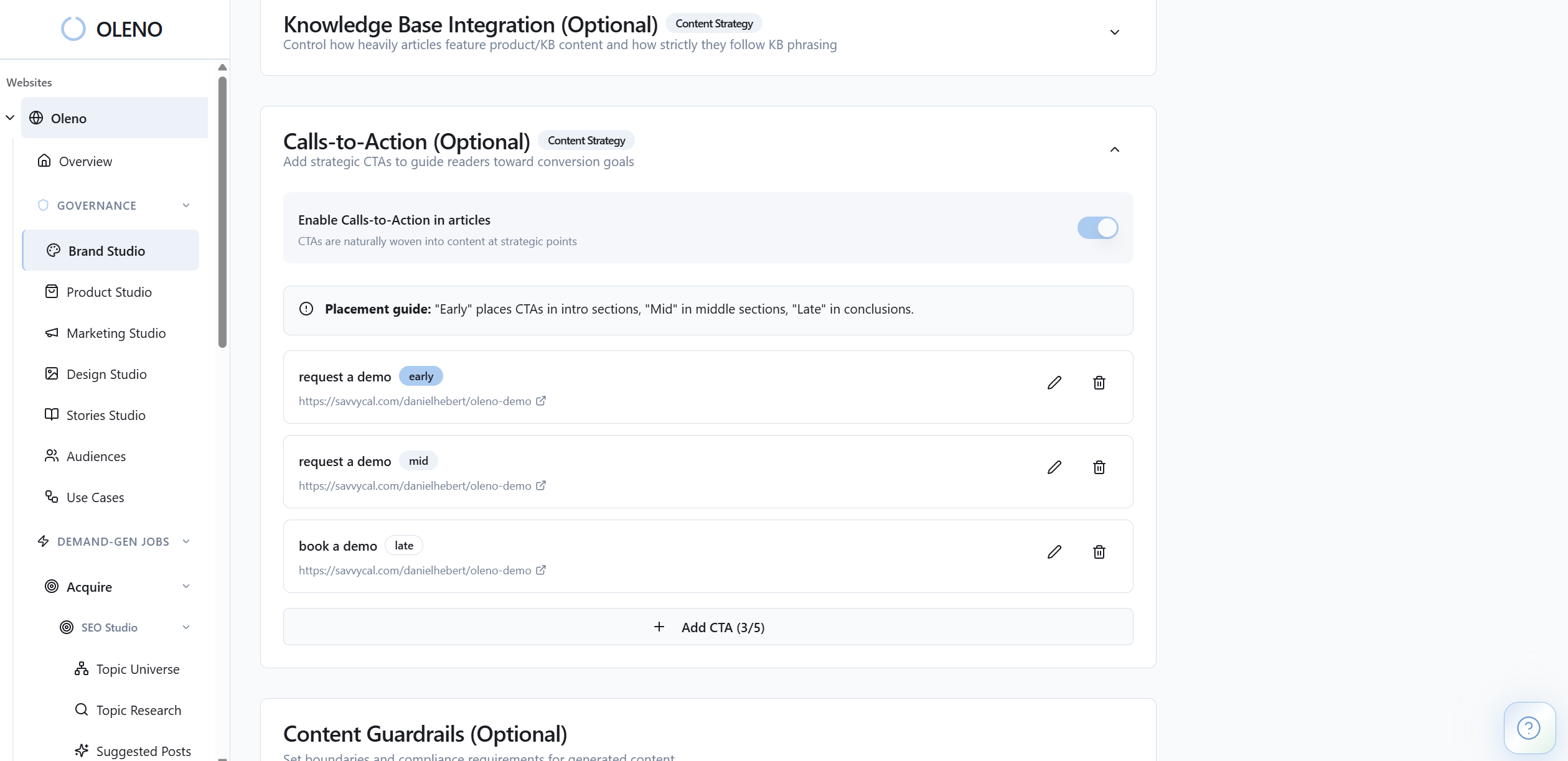
I’d argue this is one of the biggest hidden mistakes in B2B marketing buying. The right benchmark is CPUO: cost per usable output. For content, that means publishable assets that match positioning and buyer intent. For paid, that means traffic that can realistically convert, not just traffic that was inexpensive to buy.
A $400 draft that takes four hours of senior review may be more expensive than a $900 draft that needs minor edits. Same with paid. A lower CPC campaign that generates poor-fit demos can cost more than a pricier campaign with tighter audience fit.
Teams Overbuild Before They Validate The Entry Point
I’ve watched teams plan huge SEO clusters before they know which pain point actually opens deals. I’ve watched other teams spread paid budget across five personas before they know who converts. Same mistake. Too much surface area, not enough focus.
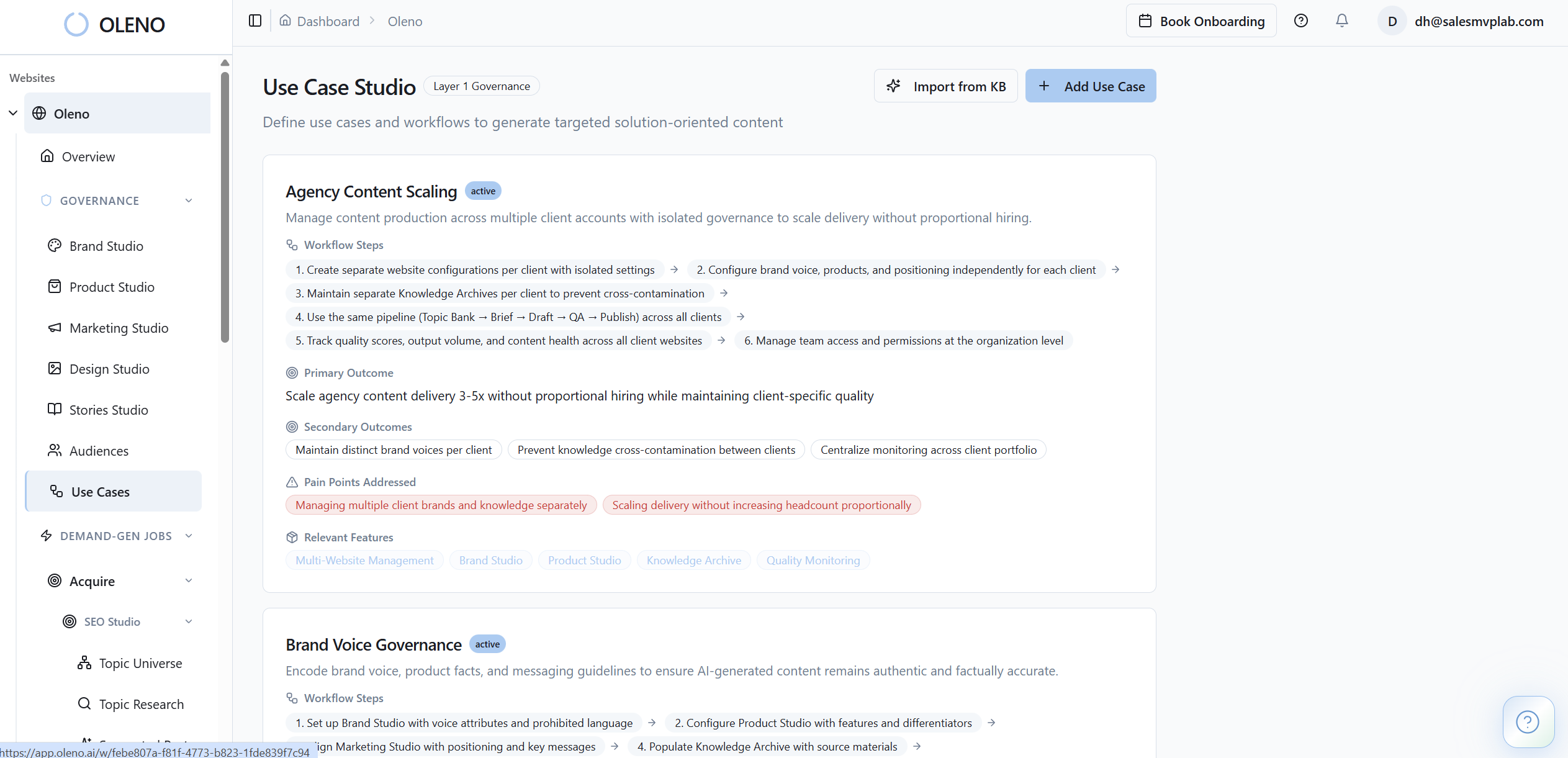
The better move is to find the entry point first. Which topic, pain, or trigger gets the strongest response from the right buyer? Once you know that, you can widen.
This matters because B2B buyers need a frame of reference. If you try to say everything at once, you blur the comparison in their mind. And a confused prospect usually doesn’t move.
Attribution Models Can Hide What’s Working
Multi-touch attribution sounds useful. Sometimes it is. Sometimes it gives every channel partial credit and nobody learns anything.
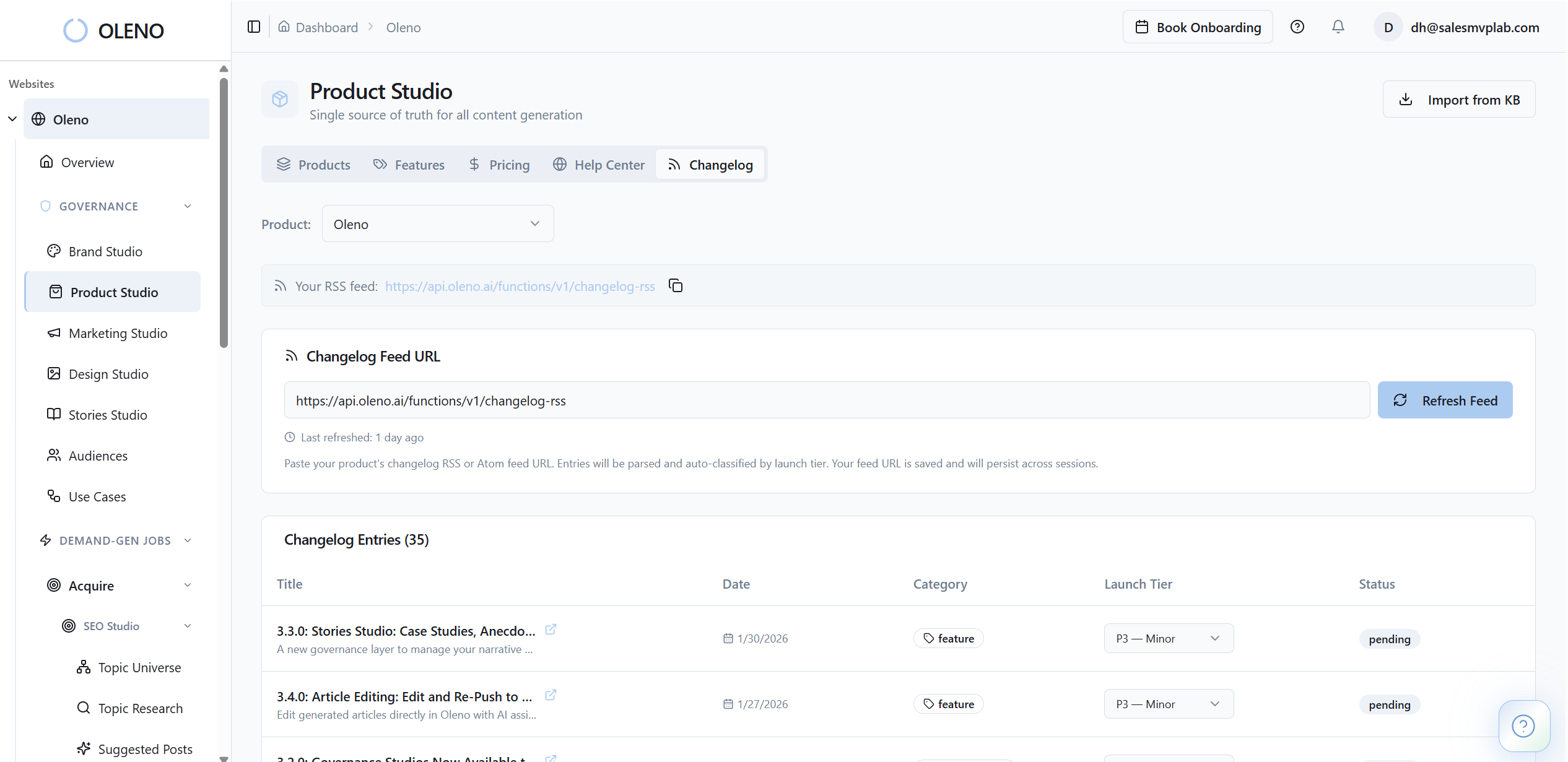
A fair concession here: you do need some shared measurement. You can’t just go on gut feel forever. But if your model is so broad that paid gets credit for branded search and SEO gets credit for deals driven by outbound follow-up, you’re not really evaluating channels. You’re blending them into mush.
Keep one hard rule. Every channel test needs a primary success metric and a secondary one. For paid, maybe pipeline meetings and cost per qualified opportunity. For organic, maybe non-branded impressions on target topics and influenced demo requests from those pages. Keep it tight.
A Practical Framework For Choosing Paid, Organic, Or Both
You don’t need a philosophical answer. You need a decision framework your team can repeat.
The Pace-Capacity-Compounding Framework Makes The Tradeoff Clear
This is the framework I’d use with a growth-stage SaaS team. Score each category red, yellow, or green.
| Dimension | Red | Yellow | Green |
|---|---|---|---|
| Pace | Need pipeline this month | Need signal this quarter | Can wait 6+ months |
| Capacity | No content system, high rework | Some process, inconsistent output | Repeatable publishing system |
| Compounding | Low topic depth value | Moderate long-tail value | Strong category search and education value |
If pace is red, paid gets the first call. If capacity is red, don’t go all-in on SEO authority yet. If compounding is green and capacity is at least yellow, organic deserves real investment.
Not complicated. But useful.
The 70-20-10 Split Works When The Answer Is “Both”
A lot of teams don’t need either-or. They need sequencing. One split that tends to reduce risk is:
- 70% into the channel that fits current revenue timing
- 20% into the channel you want to prove next
- 10% into experiments, messaging tests, or new audience angles
That gives you room to learn without pretending you have the team size of a much larger company. It also stops the quarterly reset problem, where every new leader or board conversation blows up the plan.
Vendor Evaluation Should Focus On Translation Loss
When you compare tools, agencies, or internal builds, ask questions that expose translation loss:
- How does strategy get carried into actual output?
- How many review cycles are normal before content or campaigns are usable?
- What has to live in one person’s head for this system to work?
- Can the team verify message accuracy before publish or launch?
- How long does setup take before the first usable output shows up?
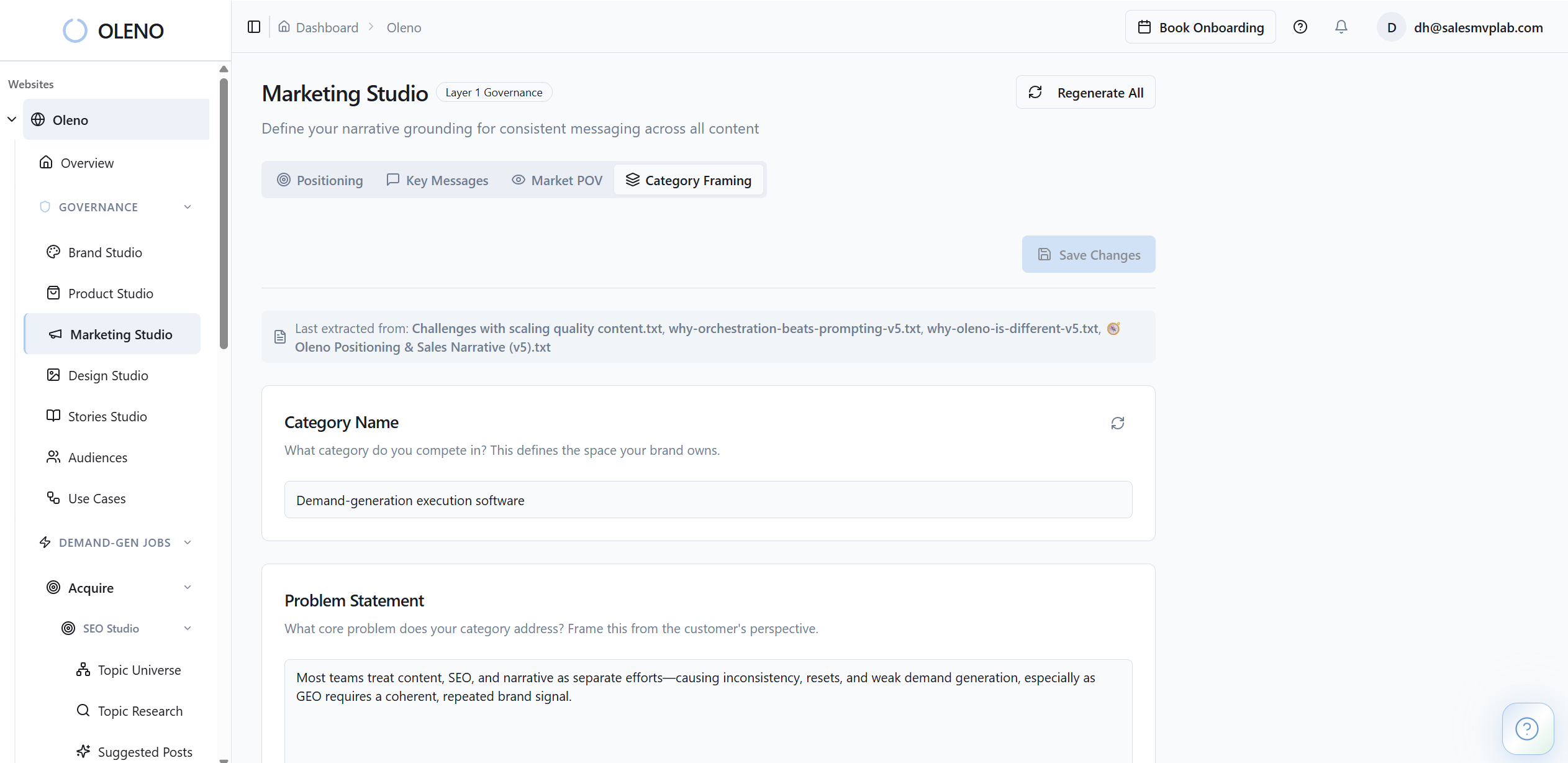
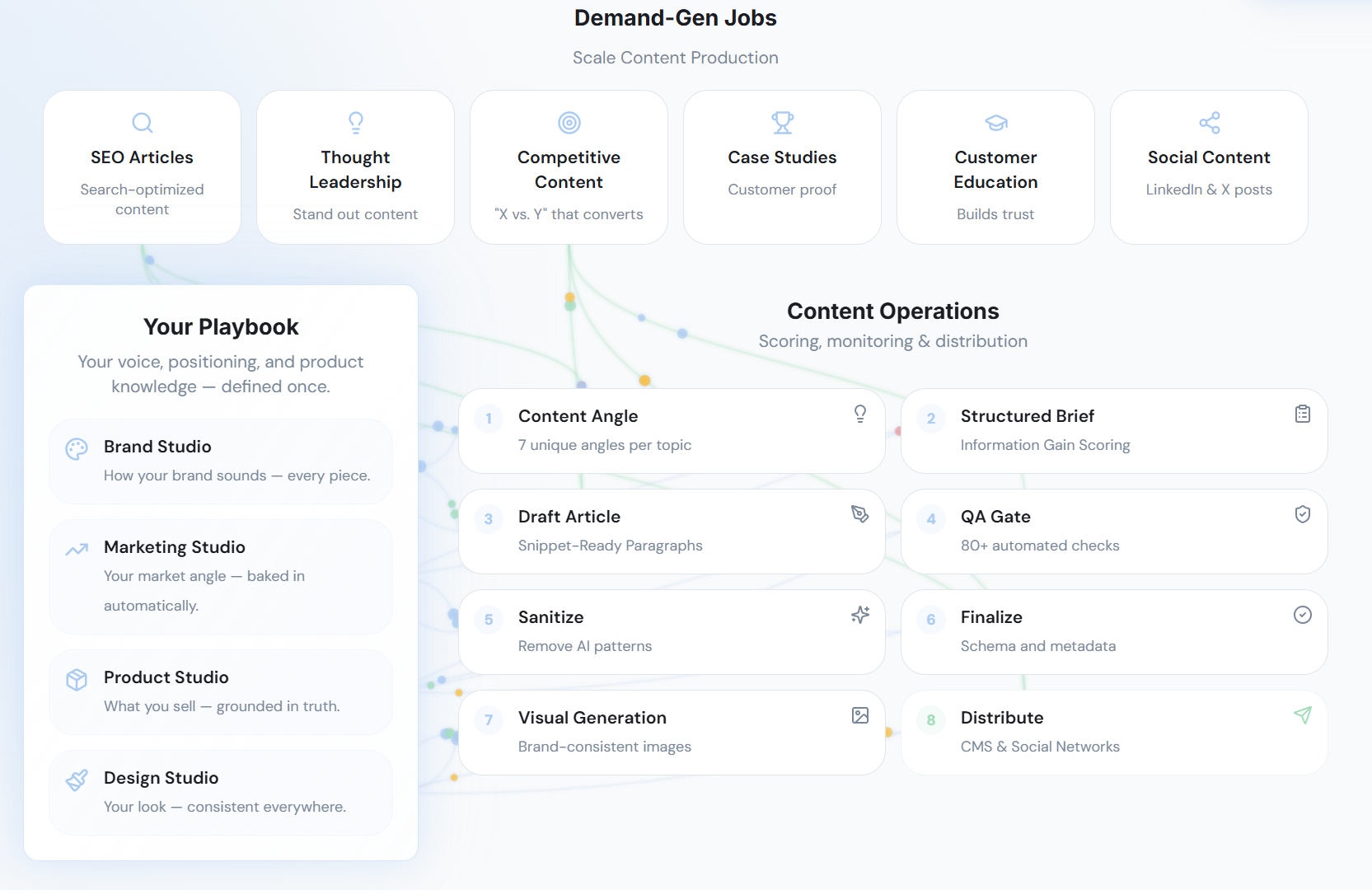
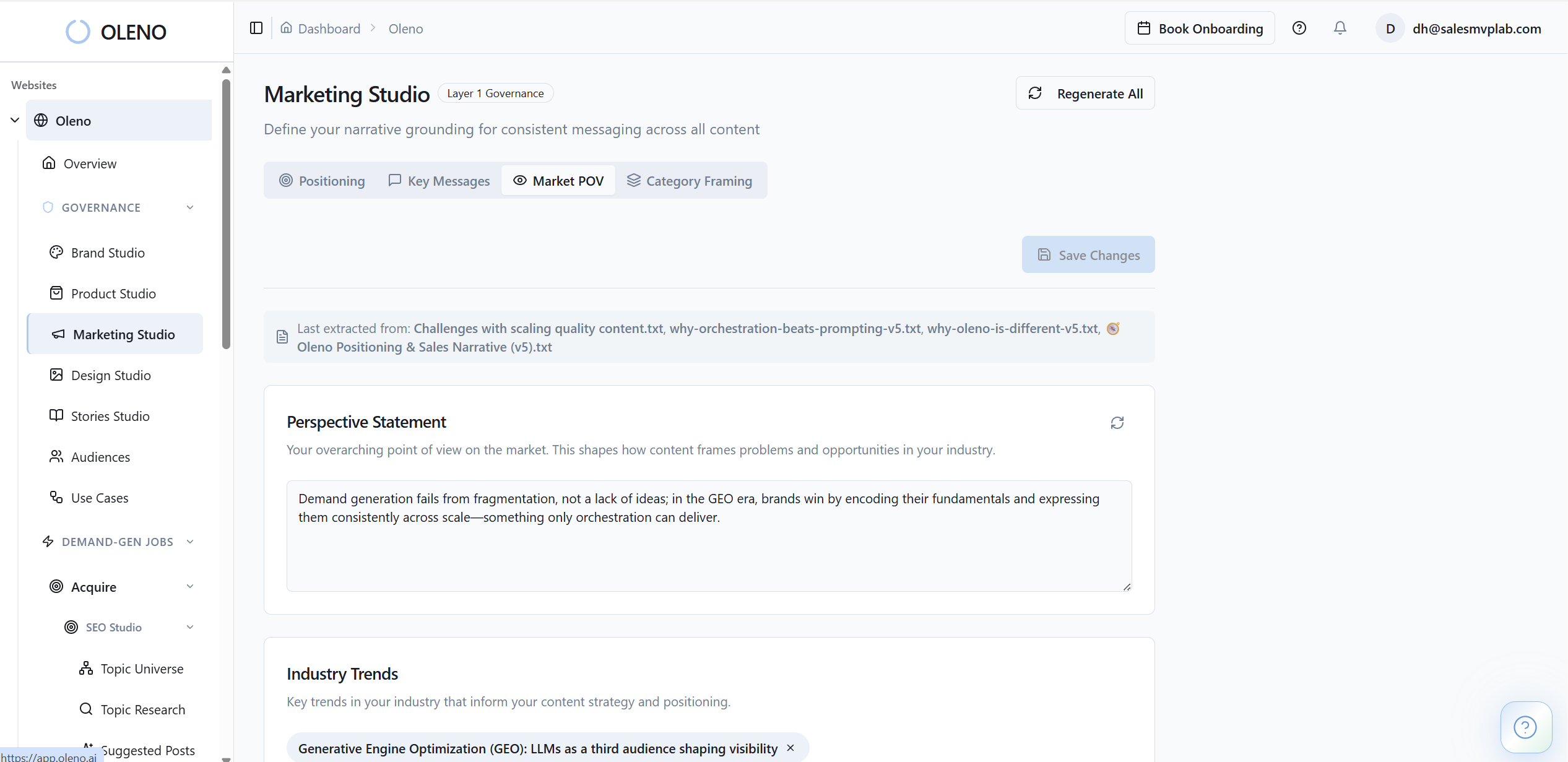
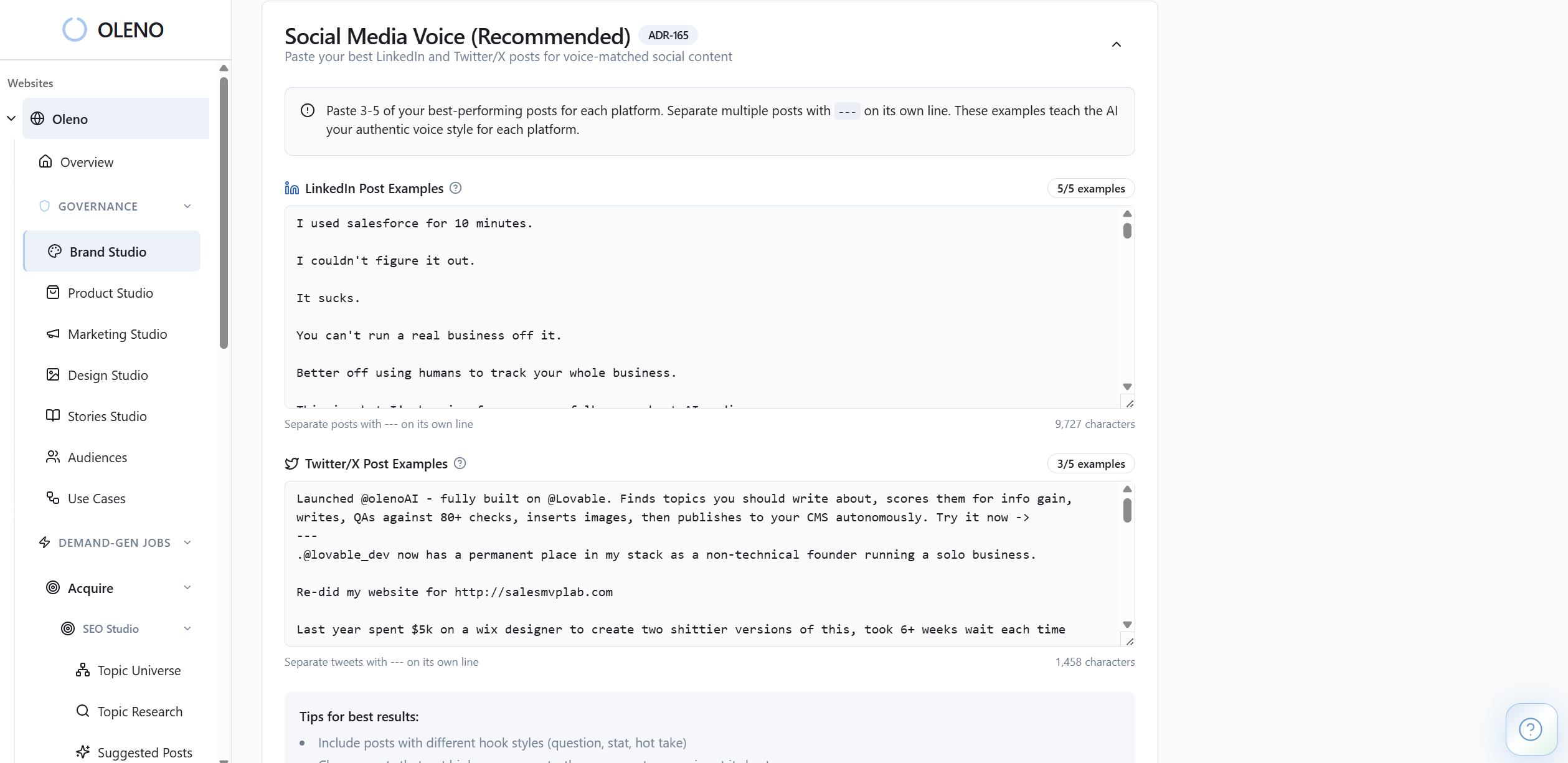
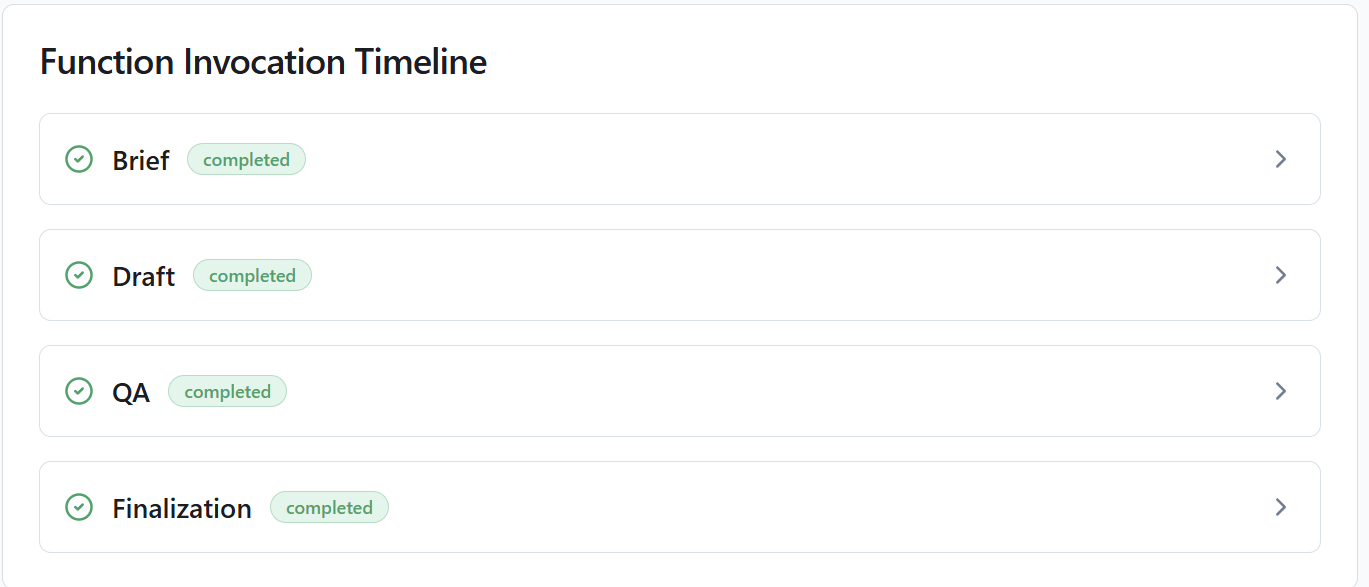
That’s where Oleno fits for teams that are stuck between strategy and execution. It gives teams a way to plan, generate, verify, and publish with more structure around brand voice, product truth, and use-case execution, especially when content volume has started to outrun human coordination. If you want to pressure-test that against your current process, book a demo.
Apply The Framework To Your Own Funnel
The next step is pretty simple. Map your revenue timing. Measure your editing tax. Score your current capacity honestly. Then decide whether paid demand gen, organic SEO authority, or a staged mix is the better fit for this season of the business.
For most lean B2B teams, the answer changes as the company changes. That’s normal. The mistake is treating the choice like ideology when it’s really an operating decision.
About Daniel Hebert
I'm the founder of Oleno, SalesMVP Lab, and yourLumira. Been working in B2B SaaS in both sales and marketing leadership for 13+ years. I specialize in building revenue engines from the ground up. Over the years, I've codified writing frameworks, which are now powering Oleno.
Frequently Asked Questions