How to choose a content generation platform

Most buyers pick content tools the same way they buy office chairs. They compare features and price, then hope it feels right. If you’re trying to figure out how to choose a content generation platform, that approach will fail. You’re not buying a writer. You’re choosing the engine that runs your demand gen, every week, without resets.
I learned this the hard way. When I ran big content programs, speed wasn’t the real constraint. Consistency was. The moment more people showed up, quality drifted, approvals stalled, context vanished, and the whole thing slowed to a crawl. A better editor or a faster AI didn’t fix that. A system did.
Key Takeaways:
- Choose a system, not a stack of features. Orchestration beats prompting.
- GEO changes the bar. Consistency across scale is what gets cited and surfaced.
- Start with governance. If voice and product truth aren’t enforced, quality will drift.
- Test execution, not demos. Run a one‑week proof with real topics and QA rules.
- Measure rework tax. If coordination drops and cadence holds, you picked right.
- Require extractable structure. Direct answers, definition blocks, and lists are non‑negotiable.
- Plan for distribution. Articles should promote into social without manual rewrite work.
Why Most Teams Choose the Wrong Content Generation Platform
Most teams pick a content platform by comparing AI writing speed, templates, and price, then regret it six months later. The right choice centers on orchestration, governance, and GEO‑ready structure that scales with more contributors. If the system can’t keep voice and cadence consistent, volume will create chaos.
Feature Checklists Hide the Real Work
Feature lists look impressive in a demo. They rarely reflect daily reality once content moves from idea to brief to draft to QA to publish. In practice, the work breaks when voice drifts, when product claims get fuzzy, and when handoffs multiply. I’ve seen teams “win” the feature bingo card, then lose weeks to rework.
What matters is whether the platform encodes how your company writes and what’s true about your product. If that isn’t enforced in briefs and checked in QA, every new piece adds risk. You don’t just lose time. You lose trust. Leaders stop believing the machine will ship on time, so they add reviewers, which slows everything further.
A platform should keep humans focused on judgment calls while the system handles repetition and guardrails. That’s the test that decides if it will hold up at 50, 500, or 5,000 pieces.
GEO Changes the Selection Criteria
Generative engines reward brands that state clear, repeatable truths across many pages. Humans read stories. Search engines crawl markup. LLMs synthesize patterns. If your content doesn’t open with direct answers, provide extractable lists, and repeat accurate product definitions, you’re invisible to the third audience.
Google’s AI Overviews are a visible signal that extraction has gone mainstream. When answers get assembled from multiple sources, the brand with the most consistent, citable structure wins. If your prospective platform treats structure as optional, you’ll miss that surface area. The price you pay is lower visibility and slower compounding over time. See how Google frames AI Overviews in their own words in the Google Search announcement.
The Real Problem With Content Generation Choices
The issue isn’t writing faster. The issue is that you don’t have an orchestration layer that keeps strategy, voice, product truth, and cadence intact as volume rises. Without that, you’ll scale output and still fail to scale demand. The result is more content and less confidence.
Symptoms vs Root Cause
Slow approvals, rewrites, and missed deadlines feel like production problems. They’re not. They’re system problems. The root cause is fragmentation. Strategy lives in a deck, voice rules in a doc, product claims in someone’s head, and topics in a spreadsheet. Nothing binds it together.
When those pieces aren’t synchronized, each article becomes a snowflake. Writers guess. Editors fix. Leaders fret. People add steps “to be safe,” and you create a parking lot instead of a pipeline. The result isn’t just a delay. It’s compounding waste that grows with every new contributor.
Why Prompt‑First Fails at Scale
Prompts produce output. Orchestration produces outcomes. Prompt‑first workflows push judgment back onto humans for voice, product accuracy, topic selection, QA, and publishing. That’s fine for one piece. It collapses across hundreds.
You’ll see three failure patterns fast. Tone drifts week to week. Claims wobble as product changes. Structure gets loose, which kills GEO signals. Teams then add reviewers to catch mistakes, which slows everything and spikes coordination cost. That’s not leverage. That’s debt.
The Cost of Choosing the Wrong Platform
Choosing the wrong platform costs far more than the subscription fee. You pay in rework hours, missed coverage, lost trust, and weaker visibility in generative search. Those costs stack quietly until they cap your growth.
Coordination Overhead Adds Up
Every manual handoff adds delay and risk. Writers guess. Editors rewrite. PMMs correct claims. Leaders fix tone. Multiply that by ten contributors and you’ve got a full day each week burned on coordination. Research from McKinsey shows generative AI can remove meaningful time from marketing tasks, but only when systems absorb the routine labor, not when humans babysit outputs. See the analysis in McKinsey’s generative AI report.
You also lose momentum. Launches slip. Campaigns drift. Performance data gets noisy because content isn’t comparable piece to piece. If the platform doesn’t reduce handoffs and enforce quality gates automatically, you’ll pay this tax forever.
- Extra reviewers to catch voice drift
- Slow approvals to validate claims
- Missed windows because drafts bounce between teams
Visibility Drops When Signals Are Inconsistent
GEO favors consistent, extractable patterns. If your platform doesn’t enforce direct answers, definition blocks, and scannable lists, your answers won’t get quoted. The algorithm won’t “hate” you. It will just miss you. HubSpot’s 2024 research points out that structured, useful content outperforms thin posts that chase keywords, which mirrors what LLMs now surface. The trend is clear in the HubSpot State of Marketing.
When you pick for speed alone, you risk trading a quick hit for a long, quiet fade. That’s an expensive mistake.
What It Feels Like When Content Ops Are Broken
When the system is broken, you can feel it in your week. The calendar looks full. Output still lags. Everyone works hard. You don’t see compounding results. That disconnect wears people down.
Late‑Night Edits Say The System Is Broken
If you’re rewriting intros at 10 pm because the tone is off, the issue isn’t your editor. It’s the missing guardrails upstream. I’ve been there. You tweak sentences, but you’re really patching a governance gap. Without voice rules applied in briefs and checked in QA, you’ll keep doing this forever.
People burn out on emergency fixes. You lose trust in the process. Leaders start to approve everything themselves, which creates a single point of failure and slows the line even more.
The Approval Chain Becomes A Parking Lot
When four stakeholders touch every draft, nothing moves. People ask for “small tweaks” that ripple through the piece. Timelines slip. Launches get cut. You don’t just lose speed. You lose nerve. Teams grow hesitant to ship, because each ship turns into a slog.
The worst part, in my view, is the hidden cost. Marketing stops learning. Fewer pieces make it to production, so your feedback loops dry up. That stalls strategy just when you need it most.
How to Choose a Content Generation Platform That Actually Scales
Choose the platform that operationalizes governance, enforces GEO‑ready structure, and runs an end‑to‑end pipeline with predictable quality. Don’t optimize for demo magic. Optimize for sustained cadence, low rework, and extractable answers that LLMs can cite.

Start With Governance, Then Test Execution
Document your voice rules, product truths, audiences, and use cases. Then require vendors to load those rules into a pilot and show how they hold under pressure. If they can’t apply governance at brief, draft, and QA, you’ll see drift in a week.
Then look at structure. Direct answers in the first sentence of each section. Clear definition blocks. Numbered steps where they belong. Lists that a bot or a human can skim. If the platform treats format as flair, not a requirement, GEO will pass you by.
Vendor Scorecard You Can Run In A Week
A clean evaluation doesn’t need a quarter. You can get signal in five business days with a tight plan.
Run this scorecard:
- Load voice, product claims, and audience notes into the system
- Pick five real topics across funnel stages
- Generate briefs, then drafts, without manual prompts
- Review QA outputs for voice and claim accuracy
- Measure rework time to reach publish‑ready
- Check structure for direct answers and extractable lists
- Publish one piece and repurpose it to social without a rewrite
If rework hours drop, cadence holds, and structure is consistent, you found leverage. If not, keep looking.
Stop drowning in rework. Start consistent output that compounds. Request a Demo
How Oleno Enables the New Approach
Oleno turns governance into execution, then keeps it honest with quality gates and operational control. You set the voice, product truth, audiences, and use cases once. The system applies those rules at brief, draft, QA, and publish so drift never sneaks in.

Governance That Keeps Voice And Truth Intact
Brand Studio encodes how you sound, from tone and rhythm to words you avoid. Product Studio centralizes approved features, boundaries, and claims so content stays accurate as your product evolves. Audience & Persona Targeting brings segment language and goals into each brief, so a Head of Content doesn’t read the same piece as an Enterprise CMO.
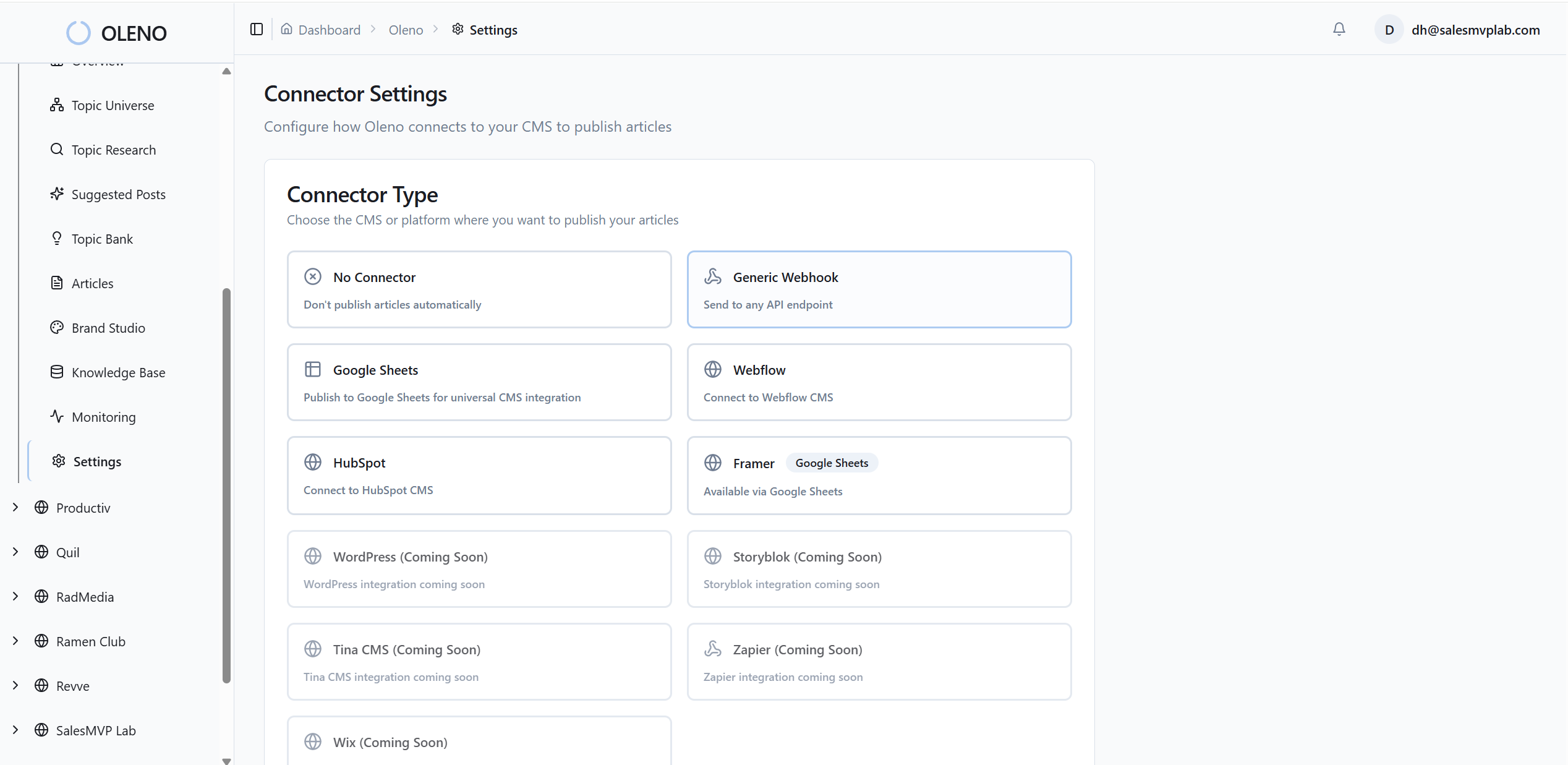
The payoff is simple. Writers and AI stop guessing. Oleno checks voice and product truth automatically before anything hits review. That cuts the rework tax and removes the late‑night “make it sound like us” edits that stall teams.
Execution And Control Without Extra Headcount
Programmatic SEO Studio discovers and organizes topics, then runs a locked structure so articles open with direct answers and include extractable lists. The Orchestrator maintains cadence by scheduling approved topics into weekly quotas. Quality Gate evaluates each draft for voice, structure, grounding, and clarity, then blocks or auto‑revises anything below the bar.
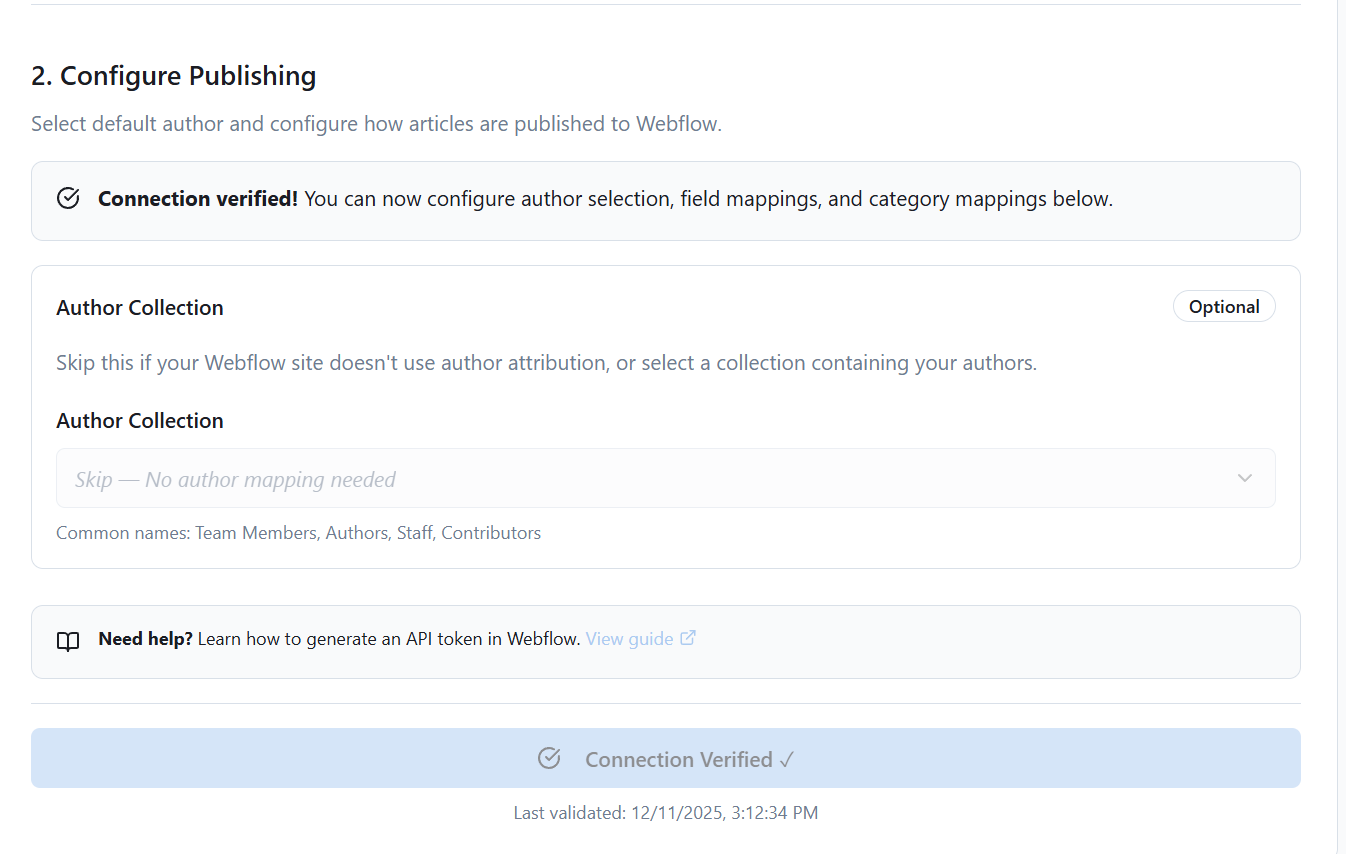
This is where GEO readiness becomes real. You get consistent, citable structure across volume, without babysitting prompts or adding reviewers. Leaders see output increase while review time shrinks.
- Bold cadence, predictable: Orchestrator maintains weekly quotas without manual shuffling
- Bold accuracy, enforced: Product Studio grounding prevents invented features or fuzzy claims
- Bold voice, consistent: Brand Studio and QA keep tone aligned across contributors
- Bold structure, extractable: Programmatic SEO Studio bakes direct answers and lists into every piece
Consistent, GEO‑ready output week after week. That’s what Oleno delivers. Book a Demo
Distribution And Visibility You Can Trust
Distribution & Social Planning ingests your articles and generates platform‑specific social posts you can approve and schedule. Executive Dashboard gives you the view you actually need: cadence, quality trends, and coverage gaps across audiences and products.
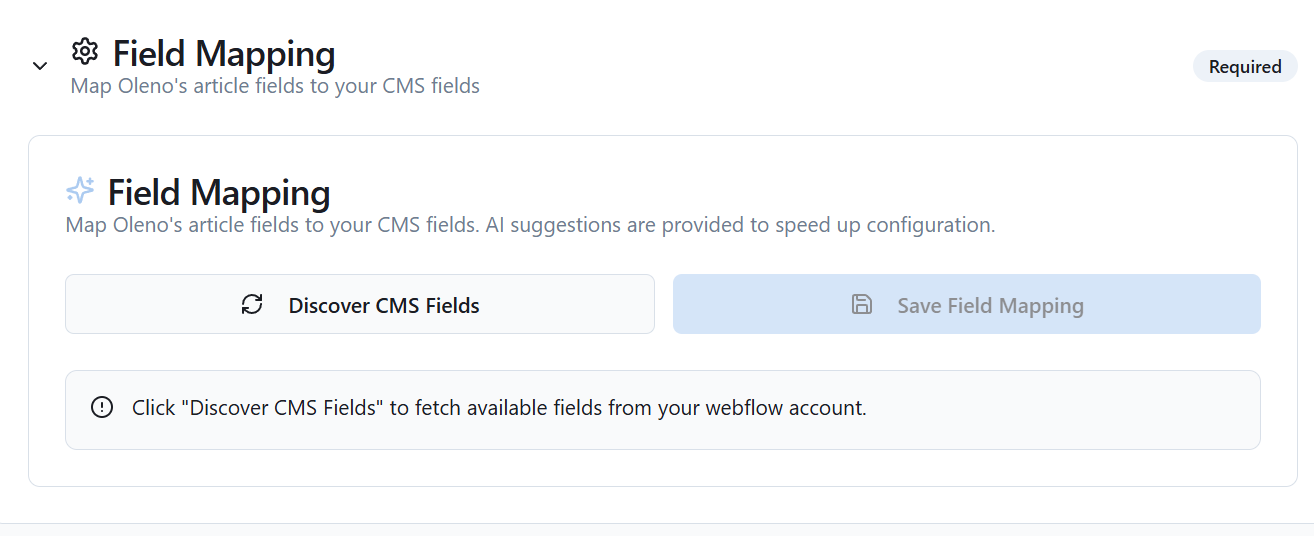
You don’t have to guess whether the system is working. You can see it. And you can correct course without calling a meeting.
Ready to see your governance run itself, not sit in a doc? Request a Demo
Conclusion
You don’t need a faster writer. You need a reliable system. If you’re debating how to choose a content generation platform, pick the one that encodes your fundamentals, enforces structure, and runs end to end without drama. That’s how you compound.
In my experience, teams that make this choice stop arguing about drafts and start shipping. GEO rewards that kind of consistency. Your buyers do too.
About Daniel Hebert
I'm the founder of Oleno, SalesMVP Lab, and yourLumira. Been working in B2B SaaS in both sales and marketing leadership for 13+ years. I specialize in building revenue engines from the ground up. Over the years, I've codified writing frameworks, which are now powering Oleno.
Frequently Asked Questions