How to Choose Claude or ChatGPT for B2B Content Marketing

If you've had frustrating rework on AI drafts this week, you're not choosing between two writing tools. You're choosing which kind of review headache your team wants to inherit.
For a B2B SaaS marketing team, the claude or chatgpt for content marketing decision matters because bad output doesn't just waste prompt time. It bleeds into campaign delays, narrative drift, and another round of edits from PMM, demand gen, content, and leadership.
I've seen this pattern before. Back when I was the only marketer on a SaaS team, I could write 3-4 solid posts a week because the context lived in my head. As soon as more people got involved, output slowed down, quality got fuzzier, and the review cycle got heavier. AI doesn't remove that problem by default. In a lot of teams, it just makes the first draft arrive faster.
Key Takeaways:
- Claude usually fits teams that care most about cleaner first drafts, stronger reasoning, and fewer obvious tone issues in long-form B2B content.
- ChatGPT usually fits teams that want broader workflow flexibility, faster experimentation, and access to a larger ecosystem of supporting tools.
- If your team has weak positioning, unclear audience definitions, or messy source material, both tools will produce rework within the first review cycle.
- The decision should be based on review burden, context handling, and repeatability across contributors, not on who writes the flashiest single paragraph.
- A 5-person marketing team that saves even 30 minutes of editing per asset can get back several hours a week. That's usually the real buying lens.
Why This Decision Gets Hard for B2B Teams Fast
The claude or chatgpt for content marketing question gets messy because most teams evaluate the demo, not the operating reality. A strong prompt in a clean sandbox is one thing. A real content team with PMM input, campaign needs, brand rules, product nuance, and three layers of review is another.
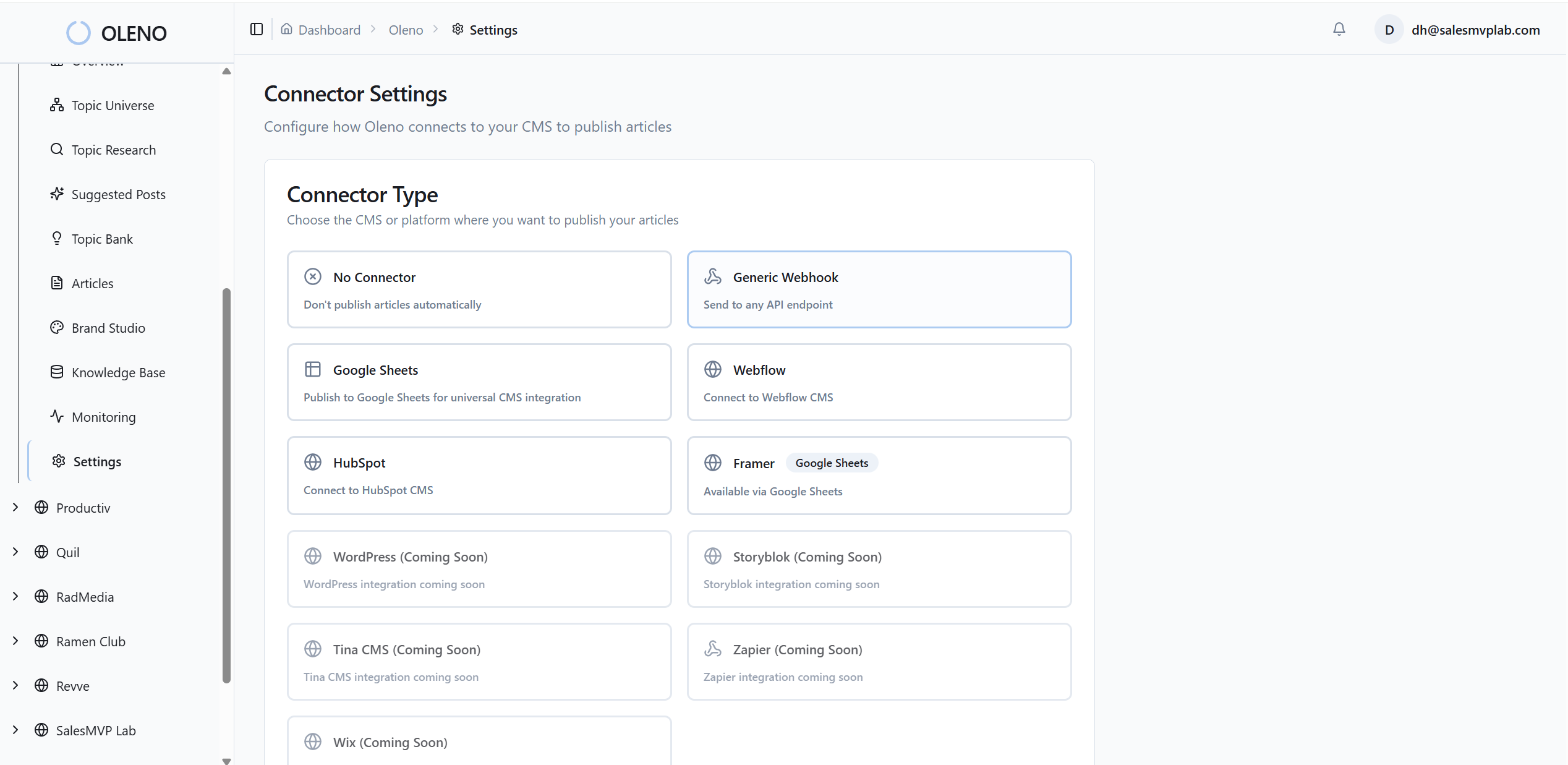
A lot of AI content decisions get framed like model-vs-model. I think that's too narrow. The real issue isn't which model sounds smartest in one session. It's whether your team can get consistent campaign-ready output from multiple people, across multiple content types, without rewriting half of it by hand.

Picture a demand gen manager on Tuesday at 4:30 pm. They need a webinar promo email, LinkedIn posts, a landing page draft, and supporting nurture copy before tomorrow's launch meeting. Product marketing sends positioning notes in one doc, sales wants pain points added from another, and the content lead says the draft feels off-message. That last 20% turns into 80% of the work. Sound familiar?
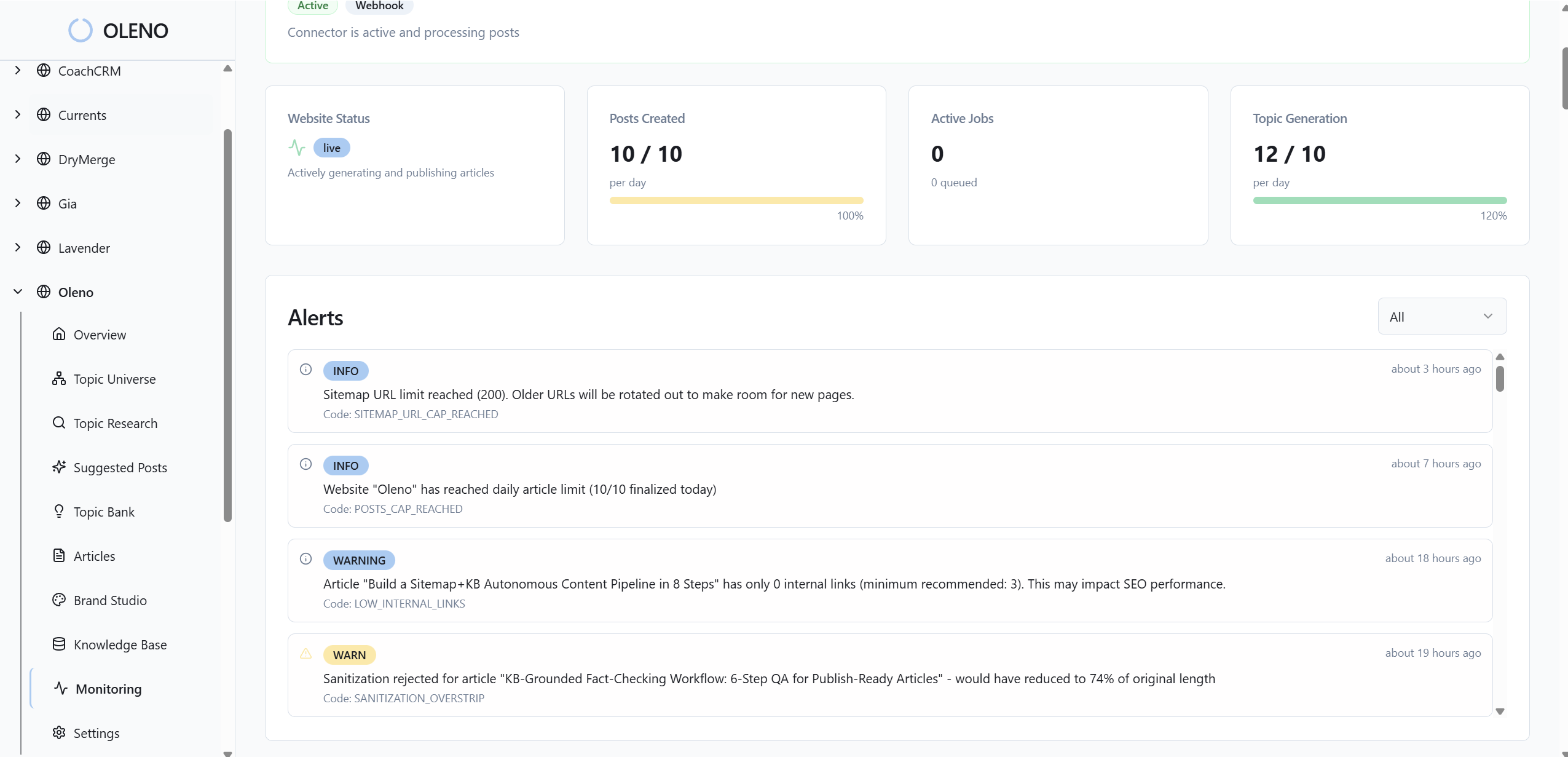
Manual review still carries the cost. Let's pretend your team creates 20 campaign assets a month, and each asset needs 45 minutes of cleanup because the AI draft missed audience nuance, overplayed claims, or drifted off message. That's 15 hours a month. Nearly two full workdays. And that's before the "can you make it sound more like us" round starts.
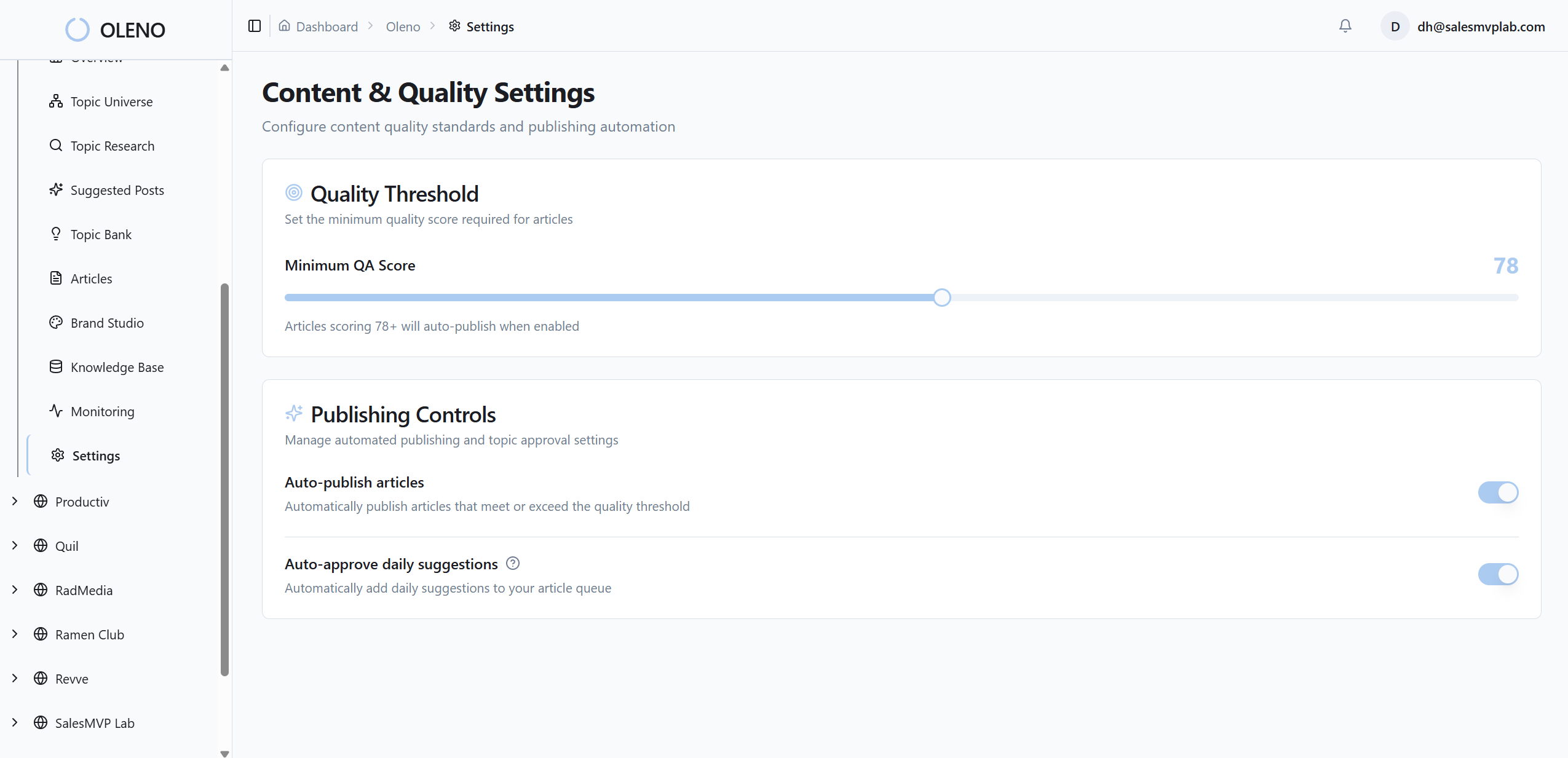
To see how this plays out in a real operating system, not just a prompt window, you can request a demo.
What Actually Matters More Than Model Preference
The buying criteria for B2B teams are usually not the criteria they start with. Most teams start with raw output quality. Fair enough. You do need a model that can write. But once two tools clear a certain bar, the differentiators shift.
Context Depth Usually Beats Raw Fluency
A model can sound polished and still be wrong for your market. That's the trap. B2B content needs more than decent sentence flow. It needs your category point of view, your positioning, your audience pain, your product boundaries, and your tone rules. Without that, the draft may read fine while still setting up painful edits.
I use the 4C test here: context, consistency, constraint handling, and correction load. If a tool gives you a strong-looking draft but misses two of those four, you'll pay for it in reviews. Every time.
Claude often gets picked because teams feel the writing is more grounded and less eager to over-answer. ChatGPT often gets picked because teams want broader workflow options and more flexibility around adjacent tasks. Neither reason is wrong. But if your team publishes category content or thought leadership, context retention matters more than clever phrasing.
There's a fair counterpoint here. Some teams don't need deep strategic nuance in every asset. If you're producing lighter campaign copy, repurposed snippets, or internal ideation, the broader flexibility can matter more than long-form discipline. That's valid. Still, once the asset touches positioning, product marketing, or executive narrative, context depth tends to show up as the winning filter.
Repeatability Across Contributors Is The Real Stress Test
One marketer getting good output proves very little. Five marketers getting good output from the same setup proves a lot. That's the Shift-From-Hero-to-System test, and it's the one most buying teams skip.
Back when I was writing everything myself, speed was fine because I had all the context in my head. Once more people joined, quality dropped because they didn't have that same mental model. AI introduces the exact same dynamic. If one strong operator can coax great drafts out of a model, but everyone else gets average work, you don't have a content engine. You have a prompt hero.
So ask a harder question: can your demand gen manager, PMM, content marketer, and founder all get usable output from the same system within two weeks? If not, the problem isn't talent. It's repeatability.
A useful threshold: if more than 30% of AI-generated drafts need structural rewriting before brand review, your setup isn't stable yet. It may still be useful, sure. But it's not dependable enough for a scaling team.
Review Burden Is The Hidden Cost Center
The draft is cheap. The review loop is where teams lose the plot. That sounds obvious, but buyers still underrate it.
I've watched teams get excited because an AI tool can generate a first draft in five minutes. Then they spend 60 minutes debating whether the message is accurate, whether the claims go too far, and whether the tone sounds like a generic software company. The output was fast. The system was slow.
Use the Two-Pass Rule. If a draft usually needs more than two meaningful review passes before it's safe to publish or route into campaign execution, the model is creating coordination overhead, not reducing it. A little cleanup is normal. Endless cleanup is a warning sign.
One more nuance. Some leaders will say, "That's fine, editing is still faster than writing from scratch." Sometimes that's true. But if senior people keep getting pulled into edits because the model doesn't understand your market, that savings disappears pretty quickly.
How To Evaluate Claude And ChatGPT Without Wasting A Month
A proper evaluation doesn't need to be long. It does need to be disciplined. Most teams can get to a pretty honest answer in 10 business days if they run the test the right way.
A 10-Day Pilot Reveals More Than A 1-Hour Demo
Run both tools against the same asset set for 10 business days. Not one prompt. Not one champion user. A real mix.
Use 6 assets minimum:
- A thought leadership article
- A product marketing page draft
- A webinar landing page
- A nurture email
- LinkedIn posts for repurposing
- A buyer enablement piece
Then score each draft on five dimensions:
- Strategic accuracy
- Audience fit
- Tone adherence
- Edit time
- Reusability across channels
This is where a lot of teams get surprised. The tool that wins the demo may lose the pilot because it creates too much correction work across asset types. We were surprised by this kind of pattern more than once in past content systems. The strongest single output and the strongest repeatable process are often different things.
Shared Prompt Inputs Expose The Real Gaps
You need controlled inputs or the test is useless. Give both tools the same source material: positioning notes, persona details, product definitions, voice guidelines, and one strong example asset. Then compare what breaks.
This is the Diagnostic Drift Check. If one tool consistently misses market nuance, overstates benefits, or collapses your point of view into generic SaaS language, you'll spot it quickly. If both do it, that's also valuable. It means your issue may be input quality, not model choice.
Use these self-assessment questions:
- Can the tool hold your "old way vs new way" narrative without flattening it?
- Does it distinguish audience pain by persona, or does it blur everyone together?
- Can it stay inside product boundaries, or does it invent things?
- Does the draft sound like your team, or like the internet?
That last one matters a lot for category content. LLM-cited content tends to be clearer and more direct when the structure is strong and the claims are grounded, which is one reason Google's own documentation keeps pushing people toward helpful, people-first content instead of search-first filler (Google Search Central).
Measure Edit Minutes, Not Just Output Quality
Most evaluations stop at "which draft did we like more?" That's way too soft. Measure editing time with a timer.
Track four numbers for each asset:
- Minutes to usable first draft
- Minutes to final draft
- Number of factual or positioning corrections
- Number of reviewer comments
Then calculate Review Load Ratio: Review Load Ratio = total edit minutes / generation minutes
If the ratio is above 6:1, the tool may still be useful for ideation, but it probably isn't ready to anchor your content workflow. If it's below 3:1 on multiple asset types, now you're getting somewhere.
And don't skip this part. The timer changes the conversation fast.
If you want to compare this against a more structured operating model for content creation, you can request a demo.
Common Mistakes Buyers Make In This Category
Buyers usually don't fail because they picked a terrible model. They fail because they evaluated the wrong layer of the problem.
The Flash Draft Bias Leads Teams Off Course
People love the draft that sounds smart in the first minute. Of course they do. But the first read can hide a lot of issues: soft claims, vague differentiation, weak audience mapping, and invented detail.
I call this the Flash Draft Bias. It rewards surface fluency over operational usefulness. For B2B teams, especially in SaaS, that usually backfires. The prettier draft is not always the safer one.
A fair concession here: if your use case is brainstorming angles, expanding outlines, or repackaging existing copy, flash matters more. You may not need a heavier evaluation lens. But if your content has to shape pipeline, category narrative, or buyer trust, surface quality is just the opening bid.
Teams Underestimate The Cost Of Missing Strategy Inputs
This is the big one. Most AI disappointment isn't really about AI writing quality. It's about missing GTM context.
I remember hearing April Dunford on a panel years ago, and one line stuck with me. Tactics without strategy are bad marketing. That's still the issue. A lot of content tools are built around channel tasks. They can generate posts, pages, emails, summaries. Fine. But they don't inherently know your market point of view, your enemy framing, your core differentiators, your use cases, or what your product doesn't do.
Without that, humans end up arguing with the draft. Then editing it. Then rewriting it. Then deciding they'd rather just do it themselves. That's why abandonment happens.
OpenAI's own prompting guidance points in the same direction, by the way. Better outputs depend heavily on clear instructions, examples, and reference text, not just the model itself (OpenAI Prompt Engineering Guide). Useful. But also revealing. The model can't compensate forever for missing strategic inputs.
Buyers Confuse Personal Preference With Team Fit
One leader likes Claude more. Another likes ChatGPT more. Fine. Personal preference matters a bit. But team fit matters more.
Your favorite interface is not the same thing as your team's repeatable workflow. One PMM might love the writing style of one tool, while a growth marketer values speed and flexibility in another. That's normal. The mistake is elevating one person's taste above team-wide performance.
So run the fit test by role:
- Demand gen: can they generate campaign-ready assets fast enough?
- PMM: can they preserve positioning and product nuance?
- Content: can they maintain quality without bloated edits?
- Leadership: can they trust the output enough to stop hovering?
If one tool wins for one person but loses for the team, that's not really a win.
A Practical Framework For Making The Call
You don't need a 20-tab procurement sheet for this. You need a framework your team can actually use. I'd use a weighted scorecard with one hard stop.
The 40-30-20-10 Scorecard Makes Trade-Offs Visible
Score both tools on four categories:
| Category | Weight | What To Measure |
|---|---|---|
| Context Handling | 40% | Strategic accuracy, audience nuance, product boundary discipline |
| Editing Efficiency | 30% | Time to final draft, reviewer comments, rewrite frequency |
| Team Repeatability | 20% | Cross-user consistency within 10 business days |
| Workflow Fit | 10% | Adoption ease, adjacent use flexibility, role coverage |
This weighting isn't universal. If you're a small team doing mostly campaign copy, you might increase workflow fit. If you're heavy on thought leadership and category creation, I'd keep context handling at 40% or even 50%.
Still, weighting forces honesty. Without it, the loudest opinion tends to win.
One Hard Stop Should Override The Final Score
Use one non-negotiable rule: if a tool repeatedly invents product details, overstates claims, or blurs audience segments in buyer-facing content, don't let it win on convenience.
That's the Trust Threshold. Miss it, and the final score doesn't matter.
Why so strict? Because buyer-facing B2B content compounds. A weak ad is annoying. A weak category page, thought leadership article, or buyer guide can create confusion across campaigns for months. Content is more like laying pipe than posting on social. If the routing is off, the leak shows up everywhere else.
I'd also set one implementation threshold: if the team can't produce stable output after 2 weeks of real use, assume the long-term rollout will be rougher than the pilot made it seem. Not impossible. Just rougher.
Your Decision Usually Comes Down To Two Honest Questions
By the end of the pilot, ask:
- Which tool gives us the lower rework tax on the content that matters most?
- Which tool can more people on the team use well without needing a specialist babysitter?
That's it. Not brand hype. Not social buzz. Not who won a one-off prompt duel.
For some teams, Claude will likely come out ahead because the drafts feel tighter and require fewer strategic corrections. For others, ChatGPT will likely make more sense because the workflow fit is broader and the team can use it across more tasks. There's a case for both. What matters is whether the choice reduces review drag and keeps your narrative intact.
How Oleno Fits Into A More Durable Decision
The claude or chatgpt for content marketing question is useful, but it's still one layer down from the real operating problem. Models generate words. Your team still needs a way to anchor those words in positioning, audience, product truth, and campaign execution.
Oleno fits at that system layer. The platform is built around planning, publishing, governance, use cases, and buyer enablement so teams can work from shared context instead of rebuilding it inside every prompt. That matters when you're trying to generate category content, campaign assets, and thought leadership without your message drifting every week.
In practice, that means a team can define audiences and personas, structure use cases, organize product and messaging inputs, and route content through a more consistent process. It doesn't remove the need for judgment. I wouldn't trust any system to do that. But it can reduce the frustrating rework that happens when every contributor starts from a blank box with partial context.
For scaling SaaS teams, that's usually the more durable move. Pick the model you prefer, sure. But put it inside a system that keeps your market story, product boundaries, and buyer context intact. If you want to see what that looks like in practice, book a demo.
About Daniel Hebert
I'm the founder of Oleno, SalesMVP Lab, and yourLumira. Been working in B2B SaaS in both sales and marketing leadership for 13+ years. I specialize in building revenue engines from the ground up. Over the years, I've codified writing frameworks, which are now powering Oleno.
Frequently Asked Questions