How to Evaluate Auditable Content Systems for Growth SaaS Teams

Waiting until legal asks for an audit trail is late. If you felt that headache this week, you're not alone. Growth SaaS teams usually don't lose control of content because writers are bad. They lose control because strategy, source material, edits, and publishing all live in different places.
When you're figuring out how growth SaaS teams keep content auditable, the real buying question isn't "can this tool generate content?" It's "can we prove where this came from, who changed it, and whether it still matches what we believe?" That's a very different evaluation.
I've seen this pattern up close. Small marketing teams usually have the strategy in their head, in a Notion doc, in an old deck, in a PMM brief, and in ten Slack threads. Then a freelancer, agency, or AI tool turns that into a draft. Then the review loop starts. And that's where the audit trail usually dies.
If you're trying to request a demo, that should come after you've got a clear view of what "auditable" actually means in practice.
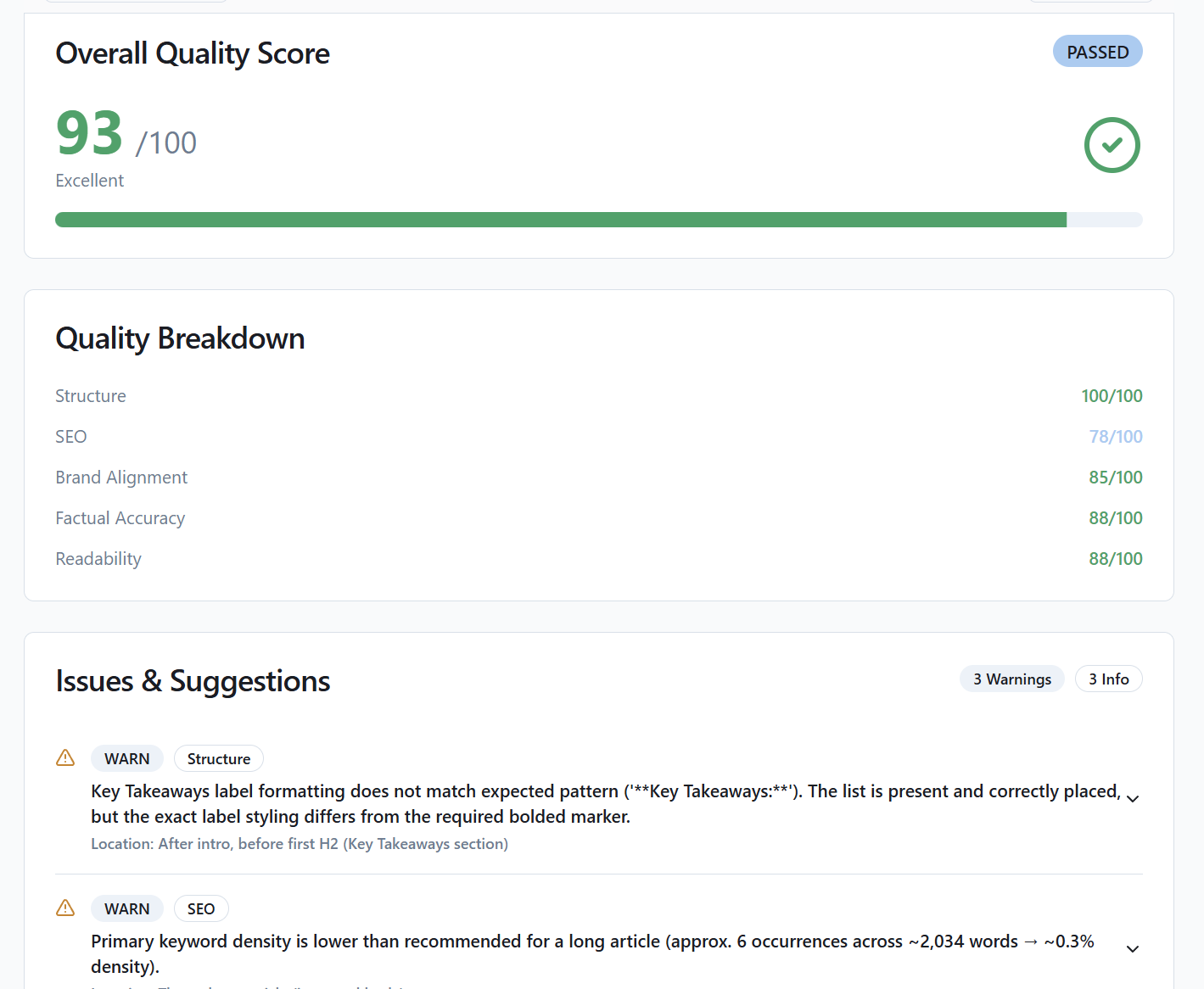
Key Takeaways:
- Auditable content means you can trace the source, review path, and publishing decision for each piece, not just store the final draft.
- If your team can't answer "where did this claim come from?" in under 5 minutes, your current process probably isn't auditable enough.
- The biggest buyer mistake is treating auditability as a compliance feature instead of a workflow design problem.
- For lean SaaS teams, the main evaluation criteria are source traceability, review accountability, version control, and publishing controls.
- A practical evaluation process usually takes 2 to 3 weeks if you're reviewing real workflows instead of just sitting through vendor demos.
Why Auditability Breaks First on Lean SaaS Teams
Auditability usually breaks when output starts rising faster than process maturity. A team can get away with loose docs and Slack approvals at 2 articles a month. At 12 articles, launch pages, comparison pages, FAQ updates, and sales assets, the same setup turns into guesswork.
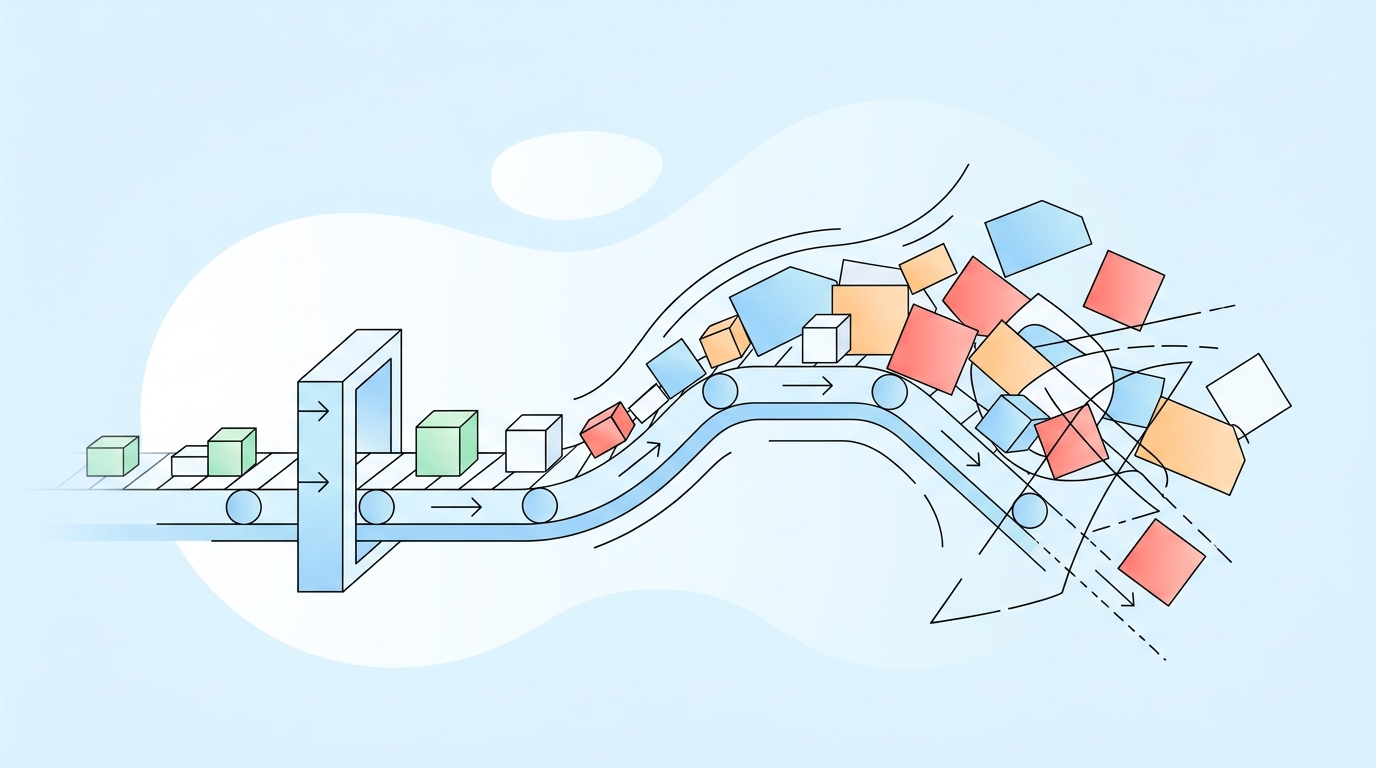
The problem buyers recognize is usually quality drift. A page goes live with an old product claim. A freelancer reuses outdated positioning. A founder asks where a number came from, and nobody knows. That's not just a writing issue. It's a systems issue.
Picture a Head of Marketing on a three-person SaaS team at 4:45 p.m. They're reviewing a launch article in Google Docs, checking an old Notion page for product messaging, DMing product for a fact check, and trying to remember whether legal already approved the wording on a competitor mention. The draft is due today. The writer did decent work. Still, the marketer is stuck doing detective work instead of approving with confidence. That's the frustrating rework people don't plan for.
There's a fair counterpoint here. Early-stage teams often don't need strict controls on day one. If you're publishing four founder-led posts a quarter, a lightweight process can work fine. The trouble starts when the company expects repeatable demand gen output from a process that still depends on memory and heroics. That's where auditability stops being a nice-to-have and starts becoming a real buying criterion.
What Buyers Should Actually Look for in an Auditable Content System
An auditable content system preserves the chain between source truth and published output. That's the core job. If a vendor mostly talks about draft speed, idea generation, or volume, you're hearing the wrong story for this use case.
Source Traceability Decides Whether Reviews Stay Short
If content can reference internal source material directly, review gets faster because the reviewer is validating claims, not reconstructing them. If it can't, every edit round becomes a scavenger hunt.
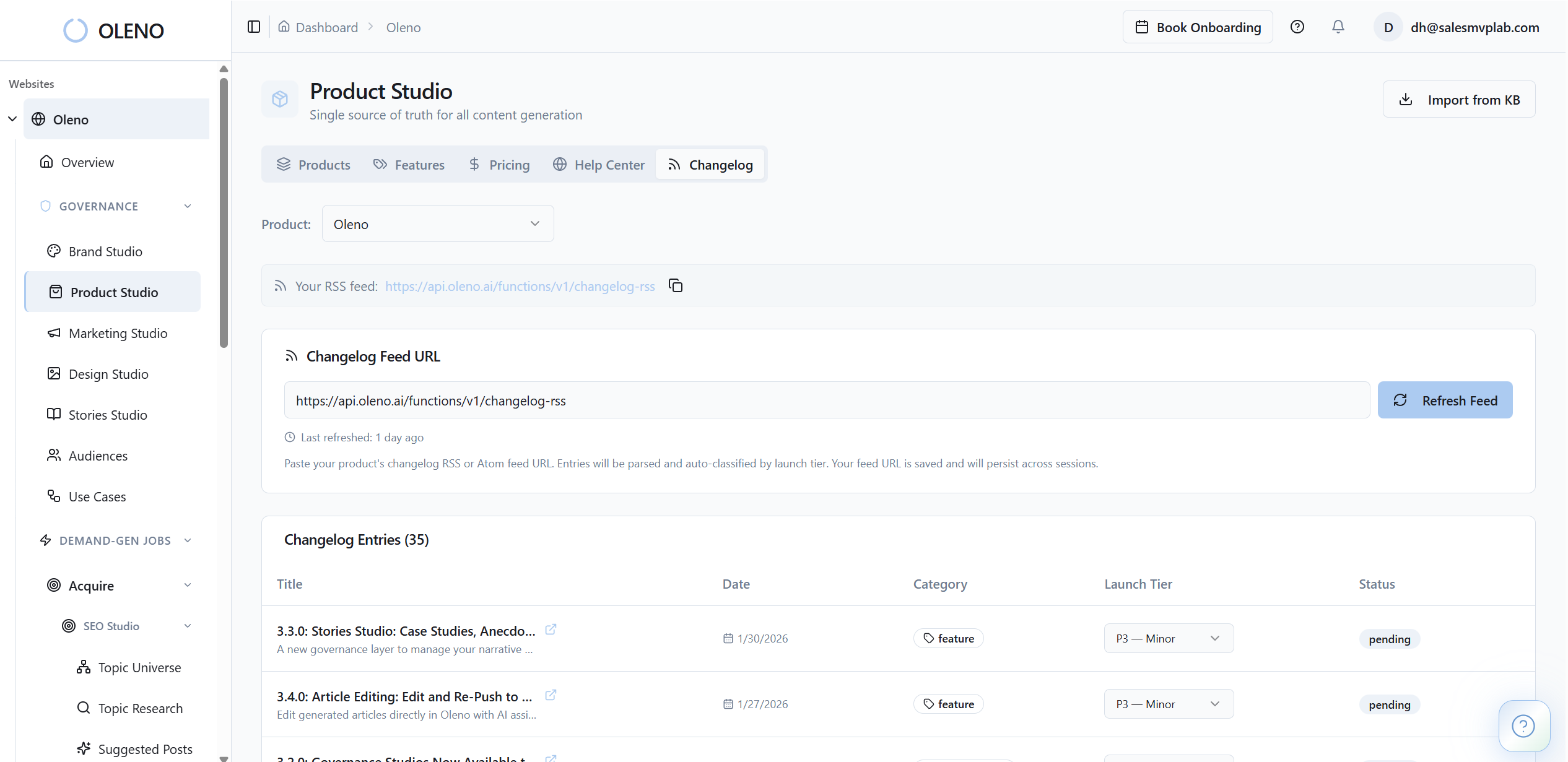
A simple test works here. Take one draft from your current workflow and ask four questions. What source supported this claim? Which version of the source was used? Who approved that source as current? Can a reviewer verify it without messaging three people? If you get "sort of" answers to two or more of those questions, you've got an auditability gap.
This matters more than teams think. Let's pretend your marketer spends 25 minutes per draft checking product facts, another 20 minutes checking positioning, and 15 minutes chasing context in Slack. At 16 pieces a month, that's 16 hours gone. Two working days. Not because writing took too long, but because trust in the draft was too low.
A lot of buyers underweight this because demos make everything look clean. Demos don't show the ugly middle. They don't show what happens when your pricing page changed last Tuesday and the brief didn't.
Review Accountability Is More Useful Than More Reviewers
Most teams try to fix auditability by adding reviewers. That usually makes latency worse before it improves accuracy. Once you go past two required approvers on standard marketing content, turnaround tends to slow hard unless responsibilities are very clear.
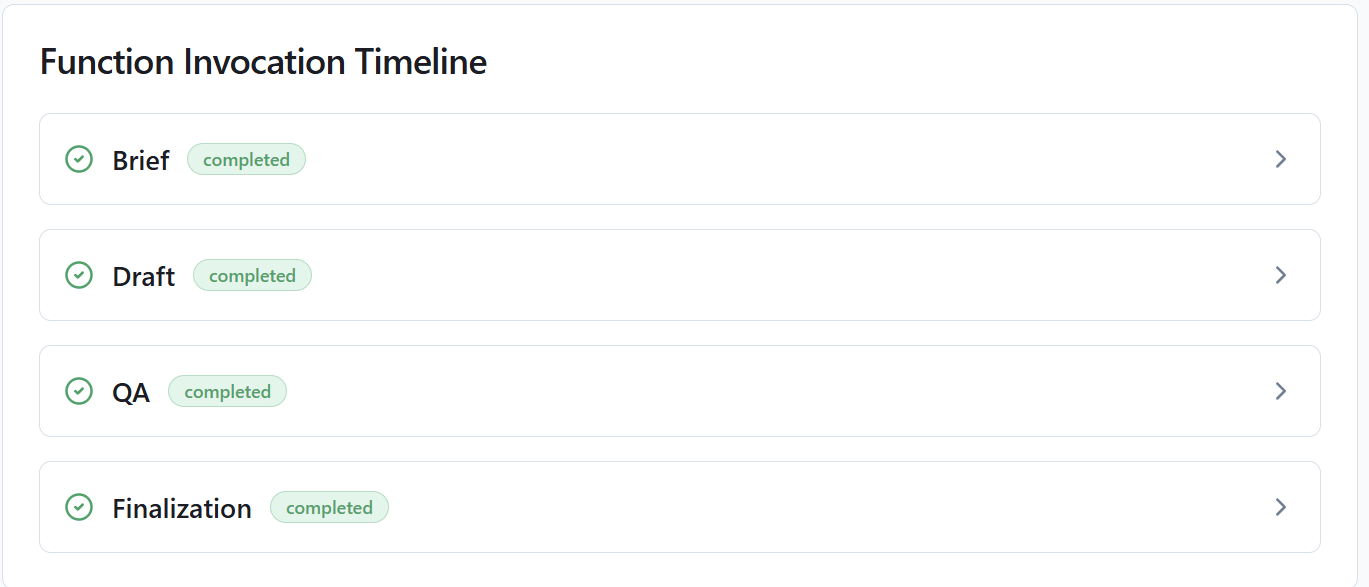
The better question is whether the system records who reviewed what, at which stage, and against which standard. Accountability beats reviewer count. If product reviews product truth, marketing reviews positioning, and publishing has a final controlled release step, you can usually defend the process later. If five people leave comments in a doc and nobody owns the final approval, you can't.
I've seen this a bunch. People think the risk is not enough review. A lot of the time, the real risk is muddy review. Everyone comments. Nobody decides.
There's nuance here too. Highly regulated categories may need more review steps. Fair enough. But even then, the buying test stays the same: can you map responsibility to a clear stage, or are you just layering human anxiety onto the workflow?
Version Control Matters More After the First Rewrite
Version control sounds boring until your team publishes from the wrong draft. Then it becomes urgent fast. The issue isn't just storing versions. It's knowing which draft reflects current messaging and what changed between versions.
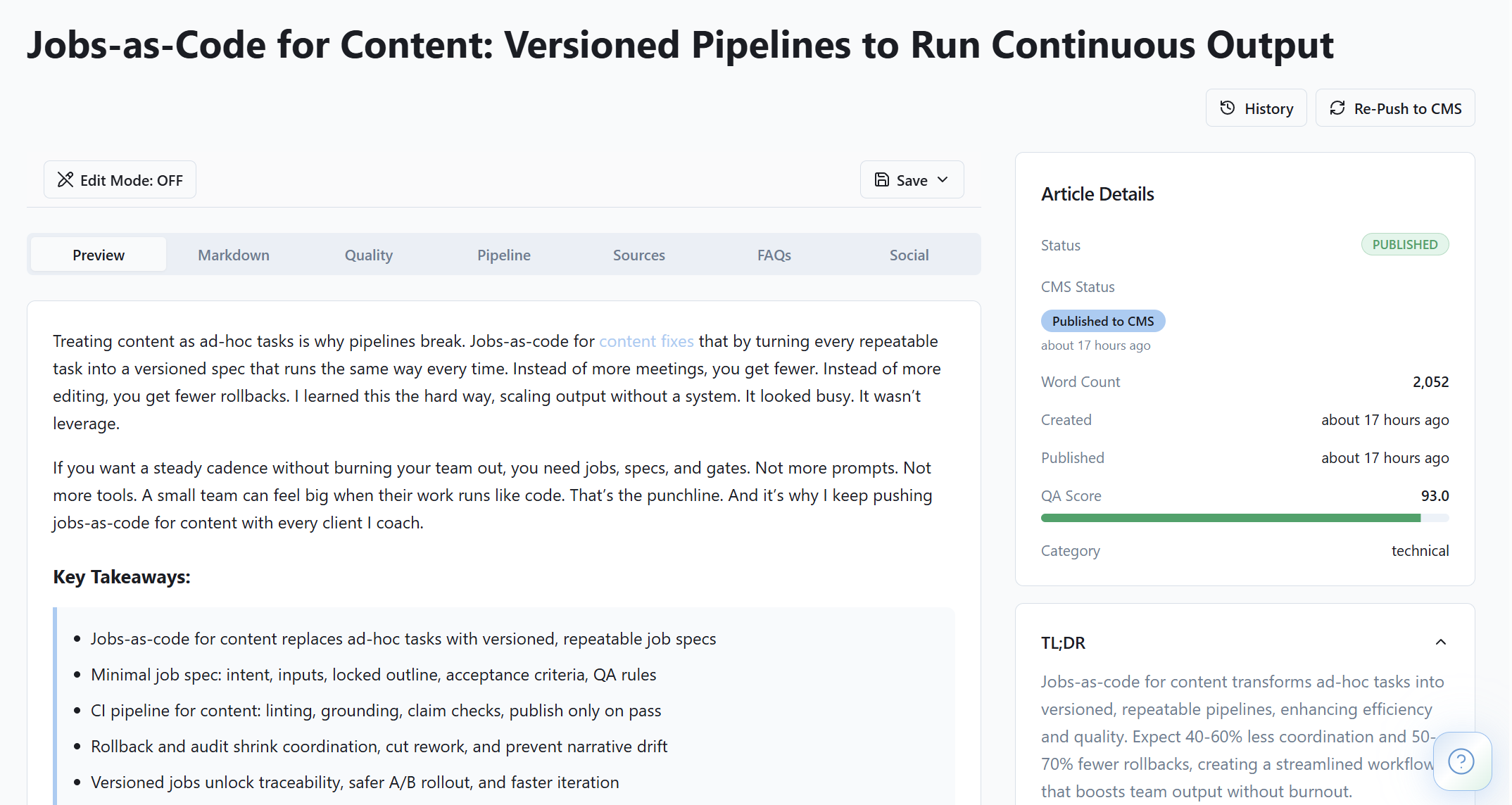
A clean evaluation question is this: if a product marketer updates positioning today, how long until every new draft reflects that update? If the answer is "once we remind everyone" or "after we update the brief template," that's weak control. If the answer is immediate for new work but not retroactive for already approved drafts, that's at least an honest boundary.
Think of it like a relay race where the baton keeps changing shape halfway through the handoff. The runner isn't the problem. The handoff is. Content auditability works the same way. Most bad output isn't born bad. It drifts during handoffs.
How to Evaluate Content Auditability Before You Buy
A real evaluation should pressure test the workflow, not the pitch. Buyers get in trouble when they judge from a polished draft alone. The draft matters, sure. But the audit trail around the draft matters more.
Start With a Red-Flag Check on Your Current Process
Before you compare vendors, diagnose your current setup. If you skip this, every vendor will sound good because the baseline is fuzzy.
Use this checklist on the last 10 pieces your team published:
- Can you identify the approved source material behind each core claim?
- Can you see who reviewed each piece before it went live?
- Can you tell which version introduced a risky or outdated statement?
- Can you verify why the final version was approved?
- Can a new team member understand the workflow in under 30 minutes?
If you answer "no" to three or more, your content process is operating on memory. That's workable at low volume. It gets risky once content becomes a pipeline channel.
Worth saying out loud: some teams don't want more structure because they're worried it'll slow down execution. That's a fair concern. Bad process does exactly that. But missing process doesn't remove work. It just moves the work into review, rework, and worry.
Run a Live Workflow Test, Not Just a Draft Test
A proper buying process should include one real content scenario. Not a fake one. Pick a launch article, comparison page, or FAQ update that uses current product claims and involves at least two reviewers.
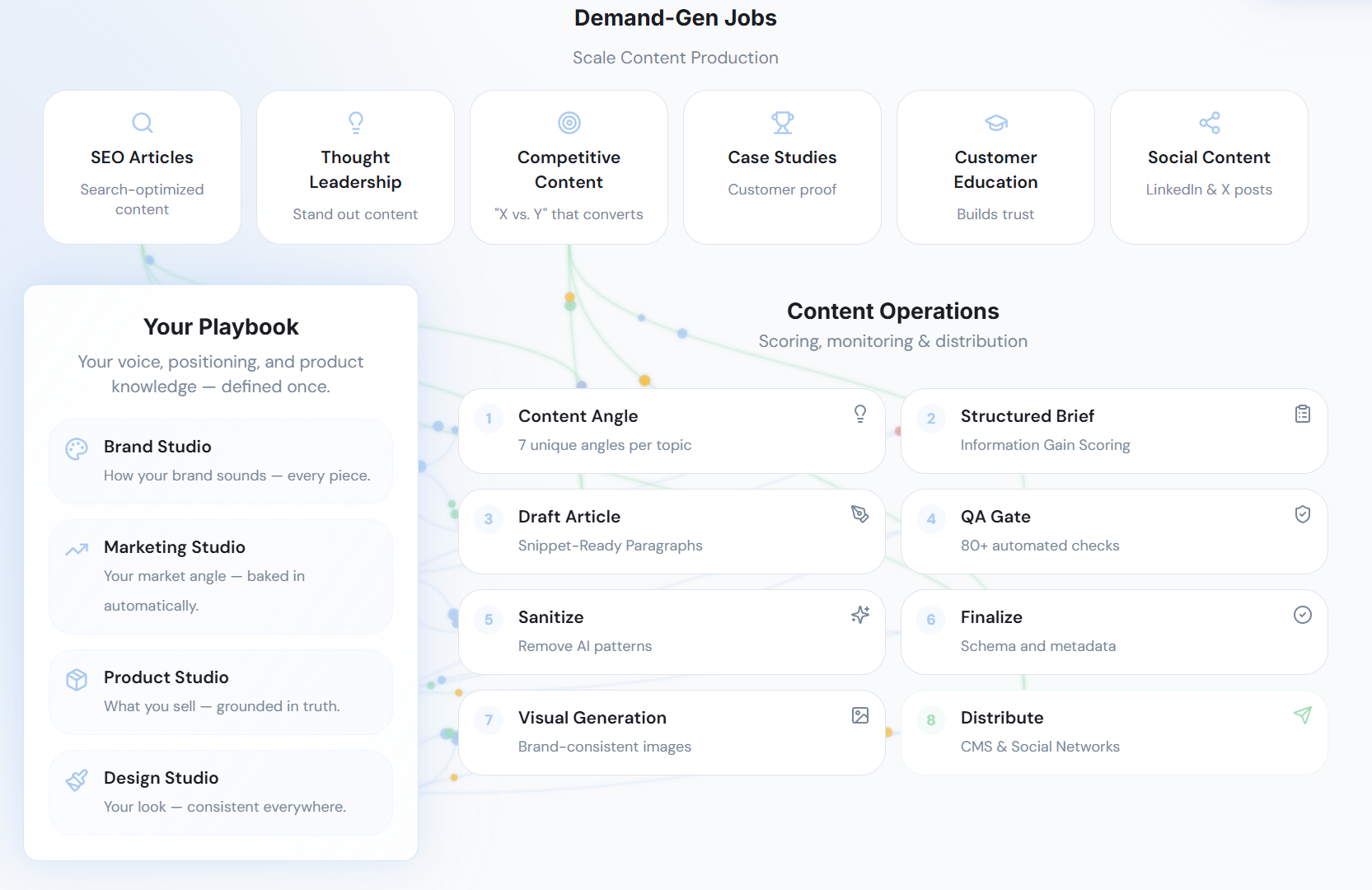
Then watch what happens. How is source material brought in? How does the system preserve context? How are edits tracked? What does approval actually look like? What happens before publishing? If the vendor can't show that with your kind of workflow, the polished output doesn't mean much.
I'd suggest a practical threshold here. If your team publishes 8 or more high-stakes assets a month, a live workflow test is mandatory. Below that, you might still do fine with a lighter review. Above that, the hidden cost of bad auditability compounds quickly because every piece creates another opportunity for drift.
You also want one ugly test. Feed it messy inputs. Old positioning doc. New PMM notes. A half-finished feature brief. See whether the process tightens the system or just generates faster confusion.
Some buyers want to shortcut this and go straight to price. I get it. Budgets are real. Still, price without workflow evidence is how teams end up paying twice.
If you want to pressure test this with your own workflow, the useful move is to request a demo around one live use case, not a generic tour.
Score Vendors on Four Criteria, Not Twenty
A long scorecard feels rigorous, but it usually hides indecision. For this category, four criteria carry most of the weight:
| Criteria | What To Verify | What Good Looks Like | Red Flag |
|---|---|---|---|
| Source Traceability | Can claims be tied back to approved source material? | Reviewers can verify claims without manual digging | Drafts rely on copy-pasted context and memory |
| Review Accountability | Can you see who reviewed what and when? | Clear stage ownership and approval path | Comments exist, but ownership is fuzzy |
| Version Control | Can you track what changed and which version is current? | Current version is obvious and changes are inspectable | Teams publish from duplicate drafts |
| Publishing Control | Can approved content move to publish without extra copy-paste risk? | Final handoff is controlled and visible | Final publish step happens outside the system with no trail |
Honestly, buyers often overcomplicate this. You don't need 27 line items unless procurement requires it. You need a short list tied to real failure points.
And yes, integrations matter. But in this use case, integration is secondary unless it affects auditability directly. A fancy connection that doesn't preserve accountability isn't doing much for you.
Common Buying Mistakes That Create More Audit Risk
Buyers don't usually choose chaos on purpose. They just optimize for the wrong signal. Then six weeks later, the team is buried in review comments and nobody trusts the output.
Fast Drafts Can Hide Slow Approval Cycles
A lot of tools look strong because they generate quickly. That part is real. The catch is what happens next. If draft speed rises but verification still happens manually in docs, your total cycle time may not improve much.
Let's pretend your old process took 6 hours end to end for one article, with 3 hours writing and 3 hours review. A new tool cuts writing to 45 minutes, which sounds great. But if review expands to 4 hours because trust dropped, you didn't solve the problem. You moved it.
This is the Editing Tax in plain English. The draft comes out fast, but the team pays for that speed later with more checking, more rewrites, and more second-guessing. Buyers should measure end-to-end cycle time, not just draft generation time.
One external benchmark worth looking at is how software delivery teams think about traceability and change control. The principle is similar: if you can't trace changes across the system, risk grows faster than speed gains. NIST makes this point clearly in its guidance on software supply chain security. Different category, same logic.
Auditability Fails When Strategy Lives Outside the Workflow
This is probably the biggest miss. Teams keep their best thinking in decks, docs, and people. Then they expect execution tools to somehow carry all that context forward.
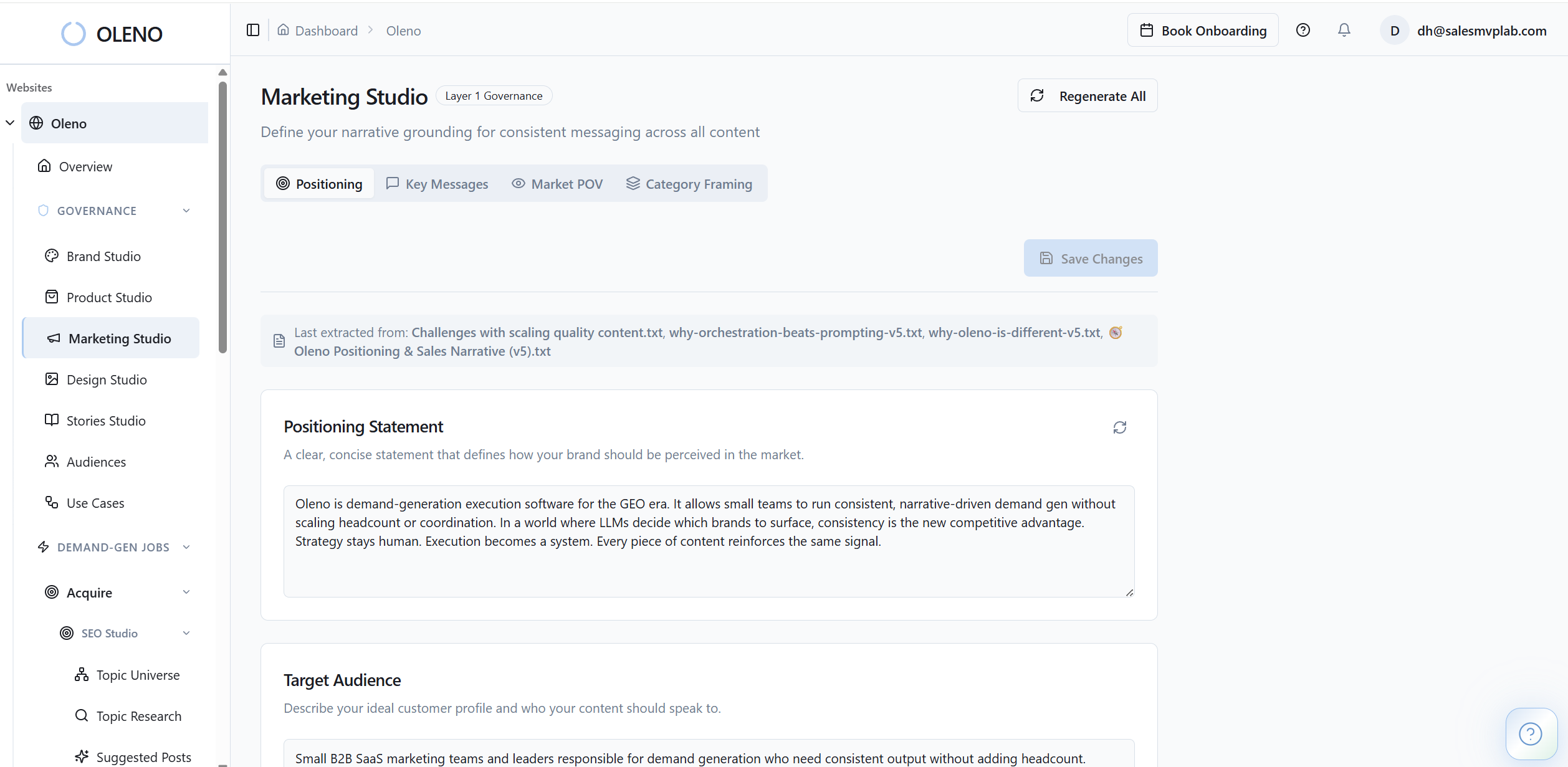
Back when I was running content teams, this was always the wall. I had the strategy in my head. The person writing didn't. So even good writers would miss nuance, not because they lacked talent, but because they lacked the full picture. Then I'd review, rewrite, and clean it up. That works for a while. It doesn't scale.
A buying question that cuts through the noise is simple: does the system bring strategy into the execution path, or does it still make your team translate strategy manually every time? If manual translation remains, auditability will stay patchy because context is still leaking at every handoff.
Google's own documentation on creating helpful, reliable, people-first content isn't about audit trails directly, but it reinforces the same operational point: reliable content comes from clear source expertise and consistent process, not just output volume.
Buyers Often Ignore the Publish Step Until It Bites Them
Teams spend most of their evaluation time on creation and review. Publishing gets treated like a small final step. That's a mistake. A lot can go wrong there.
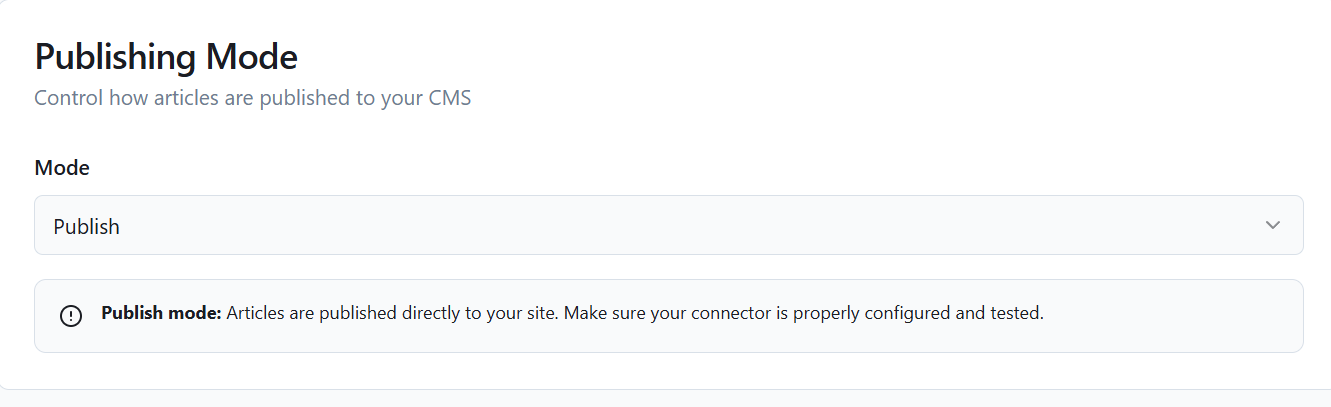
If approved copy still gets pasted manually into a CMS, formatted by hand, and adjusted on the fly, your audit trail breaks at the last mile. Even if the draft and approval path were clean, the published version may now be different from what was approved. That's a governance issue, sure, but more practically, it's a headache when someone asks what changed.
The evaluation rule I'd use is this: if the final published asset can differ from the approved asset without a visible record, your workflow isn't truly auditable. That's a bright line. Not the only one. But a useful one.
A Practical Decision Framework for Lean Marketing Teams
You don't need a giant committee to make a good decision here. You need a framework that reflects how your team actually works. For most growth SaaS teams, that means balancing control with speed and being honest about where the current process breaks.
A Three-Bucket Decision Usually Clarifies the Fit
Most buyers fall into one of three buckets:
| Your Situation | What It Usually Means | Buying Priority |
|---|---|---|
| Fewer than 4 high-stakes content assets per month | Manual process may still be tolerable | Focus on documentation discipline first |
| 4 to 12 high-stakes assets per month | Process gaps are starting to cost real time | Prioritize traceability and review accountability |
| 12 or more high-stakes assets per month | Audit risk and review drag compound fast | Prioritize system control across source, review, and publish |
This isn't rigid. Some teams with lower volume still need stricter controls because of category sensitivity or executive scrutiny. And some teams with higher volume can tolerate more looseness if the founder is still reviewing everything. Still, volume is a decent proxy. Once you cross 12 meaningful assets a month, the old habits usually stop holding up.
Use a Weighted Scorecard With a Hard Pass-Fail Layer
Not every criterion should be scored the same way. Some are nice to have. Some should block the deal.
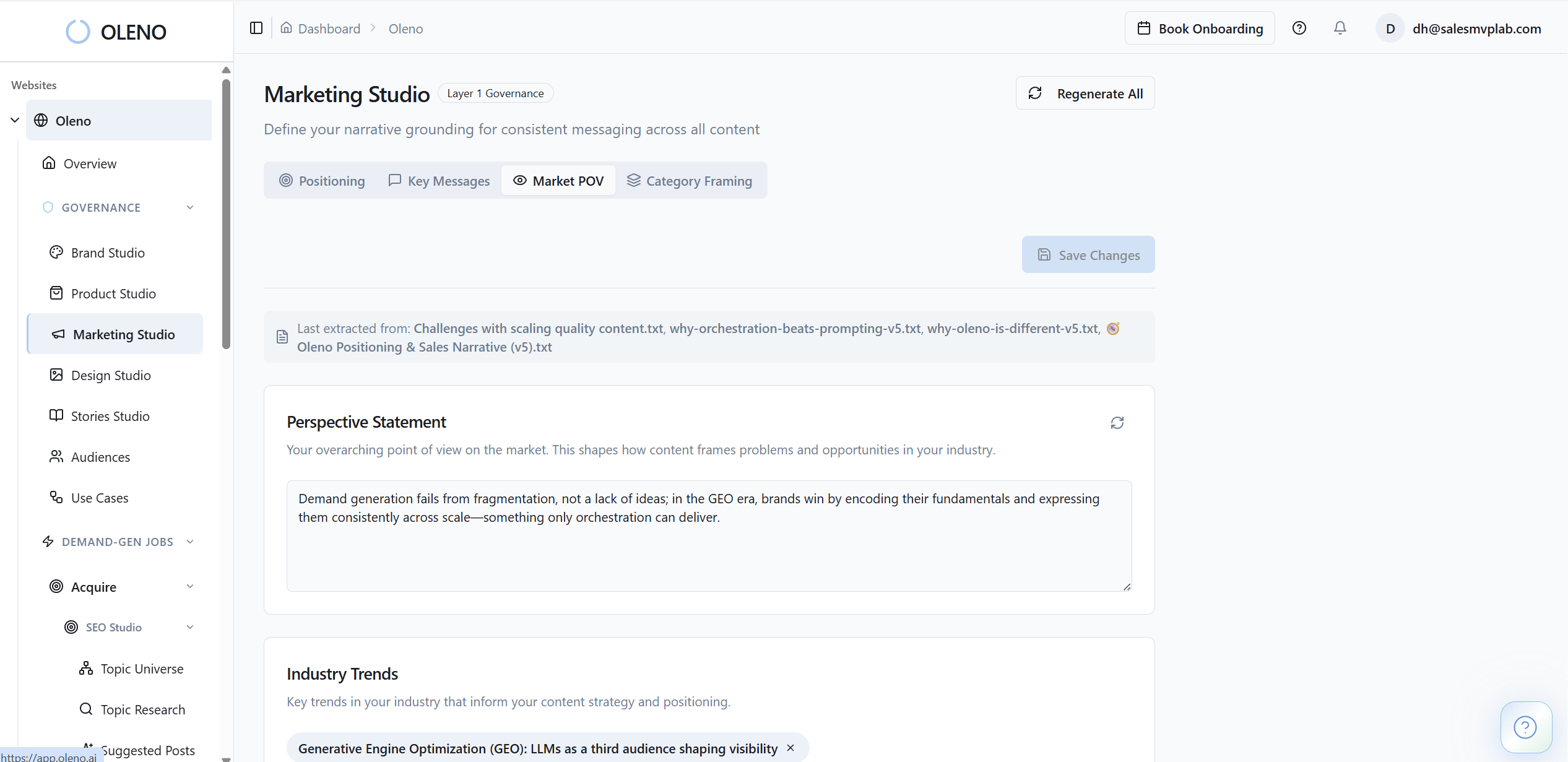
A practical approach is to score four core areas from 1 to 5, then add two pass-fail checks.
Weighted criteria:
- Source traceability, weighted at 30%
- Review accountability, weighted at 25%
- Version control, weighted at 20%
- Publishing control, weighted at 25%
Then apply two pass-fail checks:
- Can your team verify a claim's source in under 5 minutes?
- Can you show who approved the final version before publish?
If either answer is no after the workflow demo, I'd pause the evaluation. Not necessarily reject. Pause. Because the core requirement still isn't clear.
Short version: if you can't defend the process, you probably can't defend the content.
Where Oleno Fits If Auditability Is the Main Buying Need
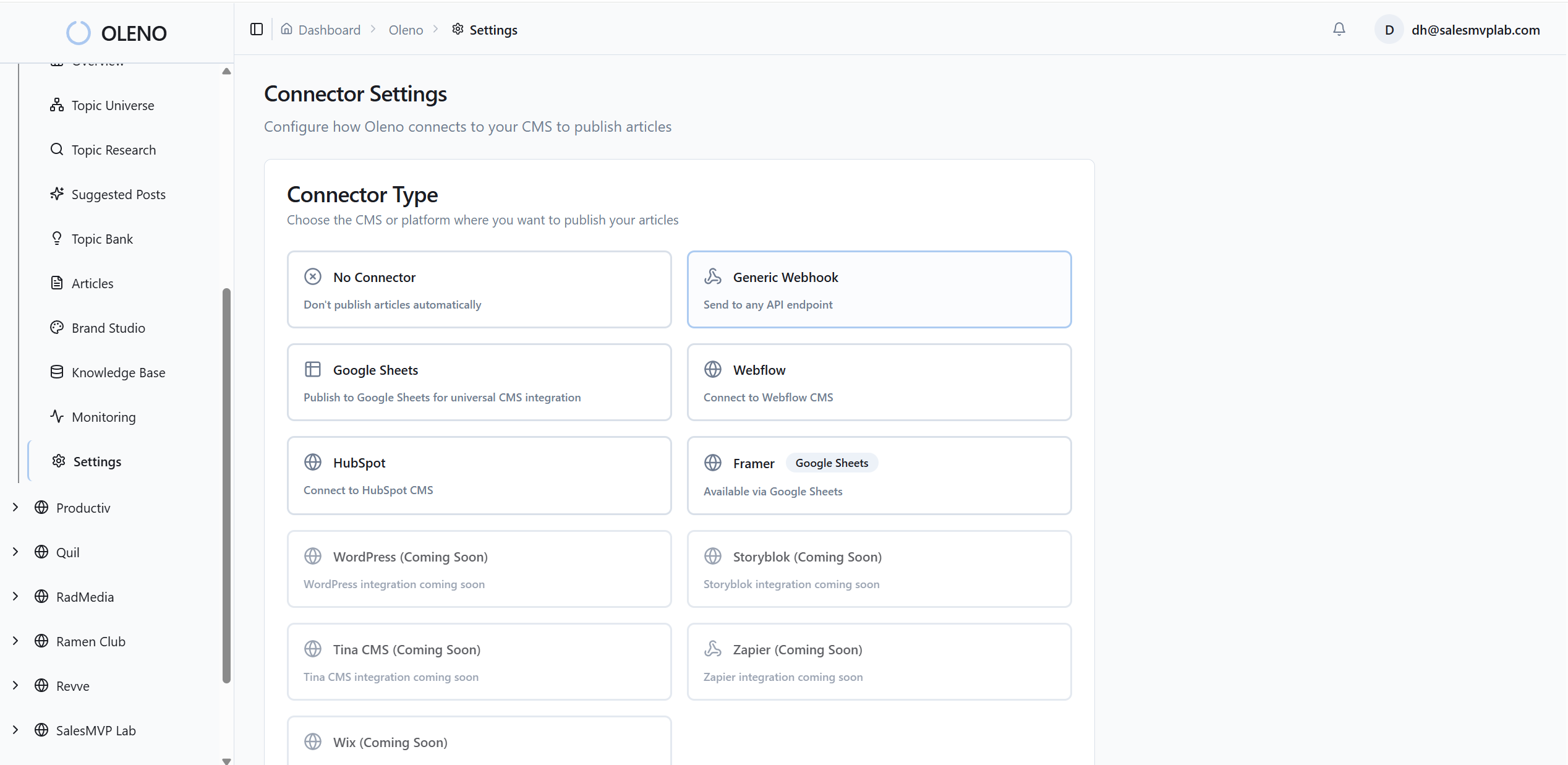
Oleno makes the most sense when your team isn't just looking for faster drafts. It's a fit when you're trying to keep strategy, source truth, execution, review, and publishing tied together closely enough that content stays inspectable.
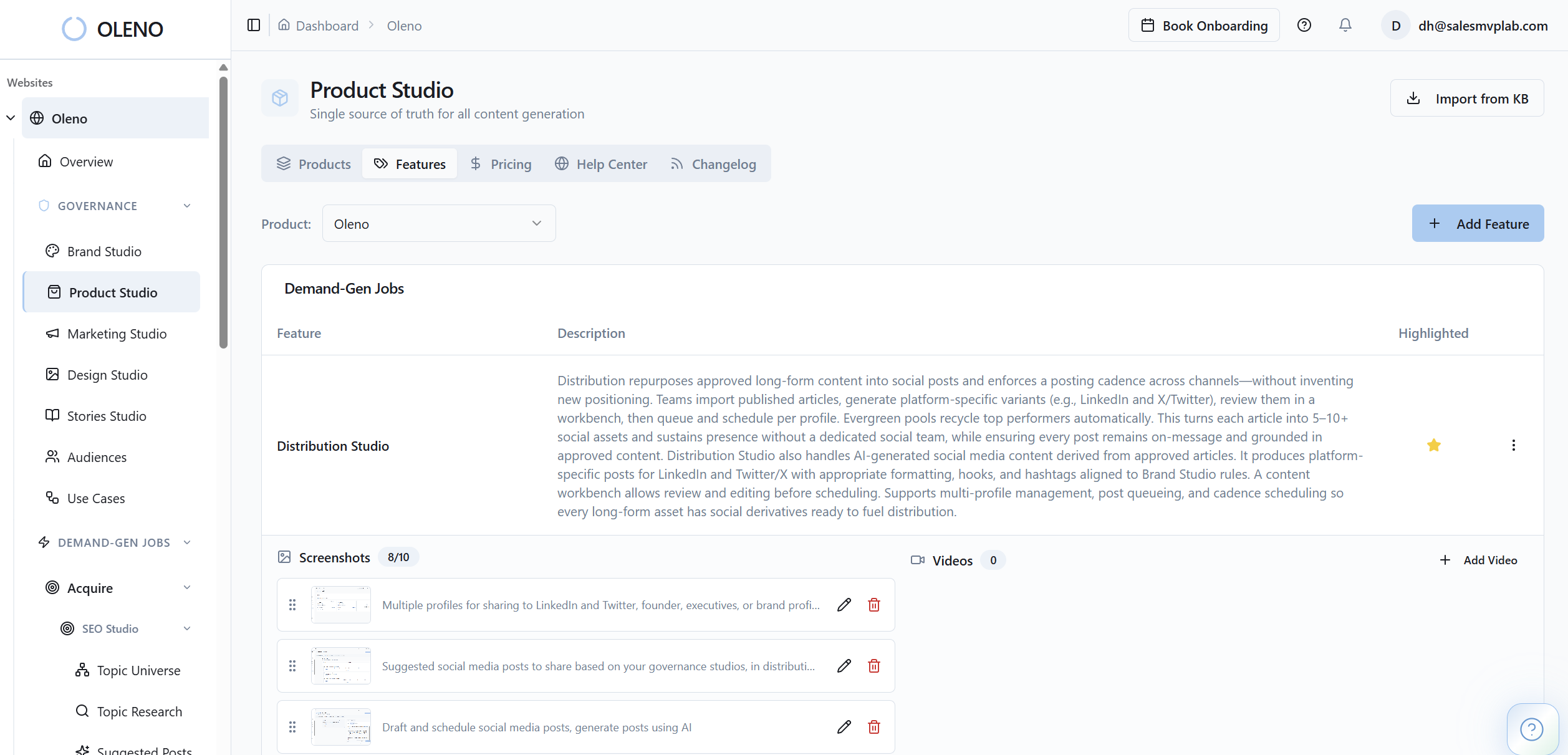
That's the key distinction. Some tools are fine for raw drafting or idea generation. That's valid. If your main problem is "we need words on a page," your evaluation may look different. But if your problem is "we need content we can verify, review, and publish without losing the thread," then the workflow matters more.
Based on the product direction described around planning, governance, jobs, publishing, and buyer enablement use cases, Oleno appears designed around that broader execution path rather than a single drafting moment. That's the right buying lens to use.
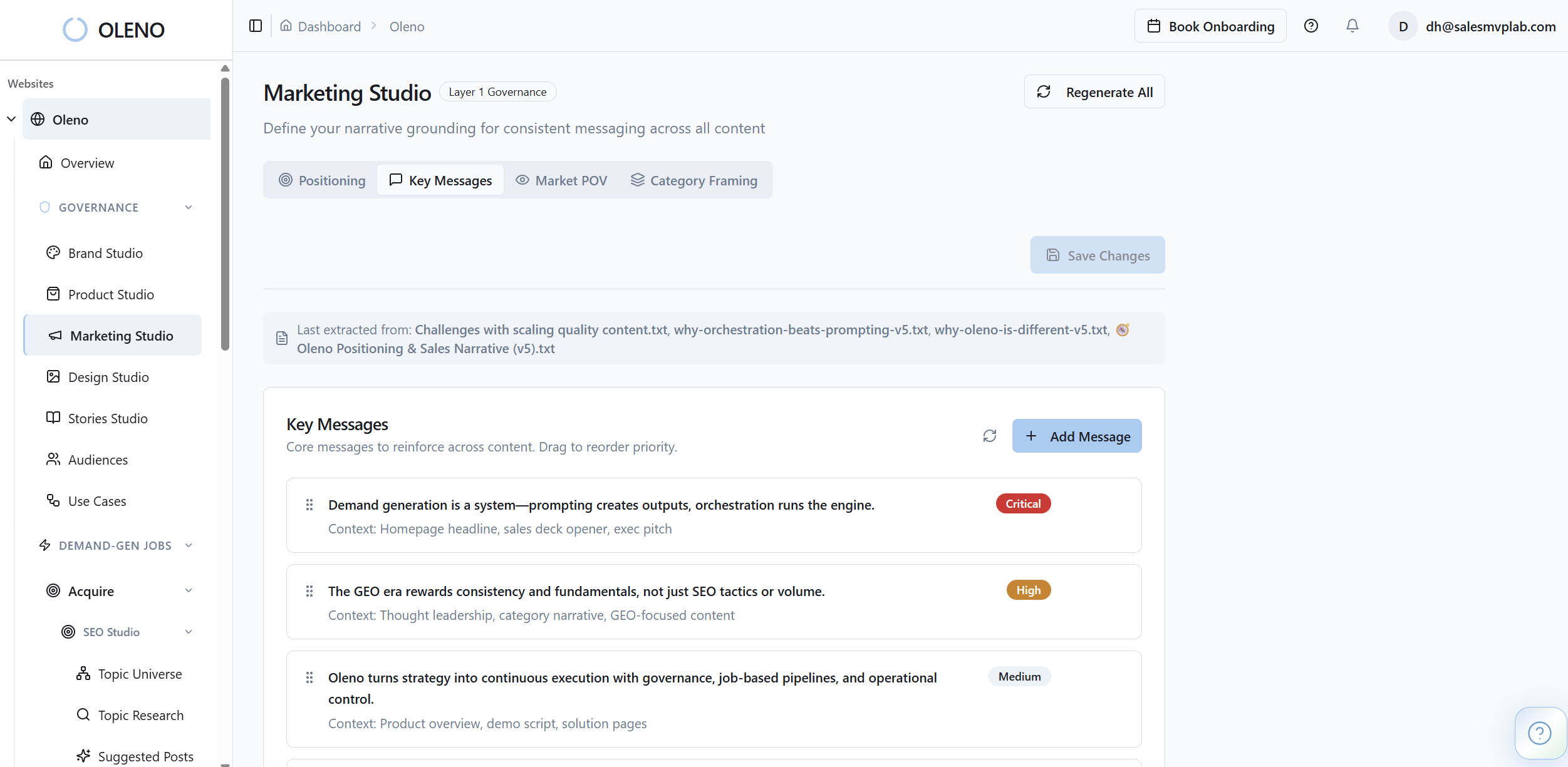
If you want to evaluate that against one real workflow, not a generic promise, you can book a demo and bring an actual content process into the conversation. That's usually where fit becomes obvious.
About Daniel Hebert
I'm the founder of Oleno, SalesMVP Lab, and yourLumira. Been working in B2B SaaS in both sales and marketing leadership for 13+ years. I specialize in building revenue engines from the ground up. Over the years, I've codified writing frameworks, which are now powering Oleno.
Frequently Asked Questions