Implement Information-Gain Workflows to Avoid Content Saturation
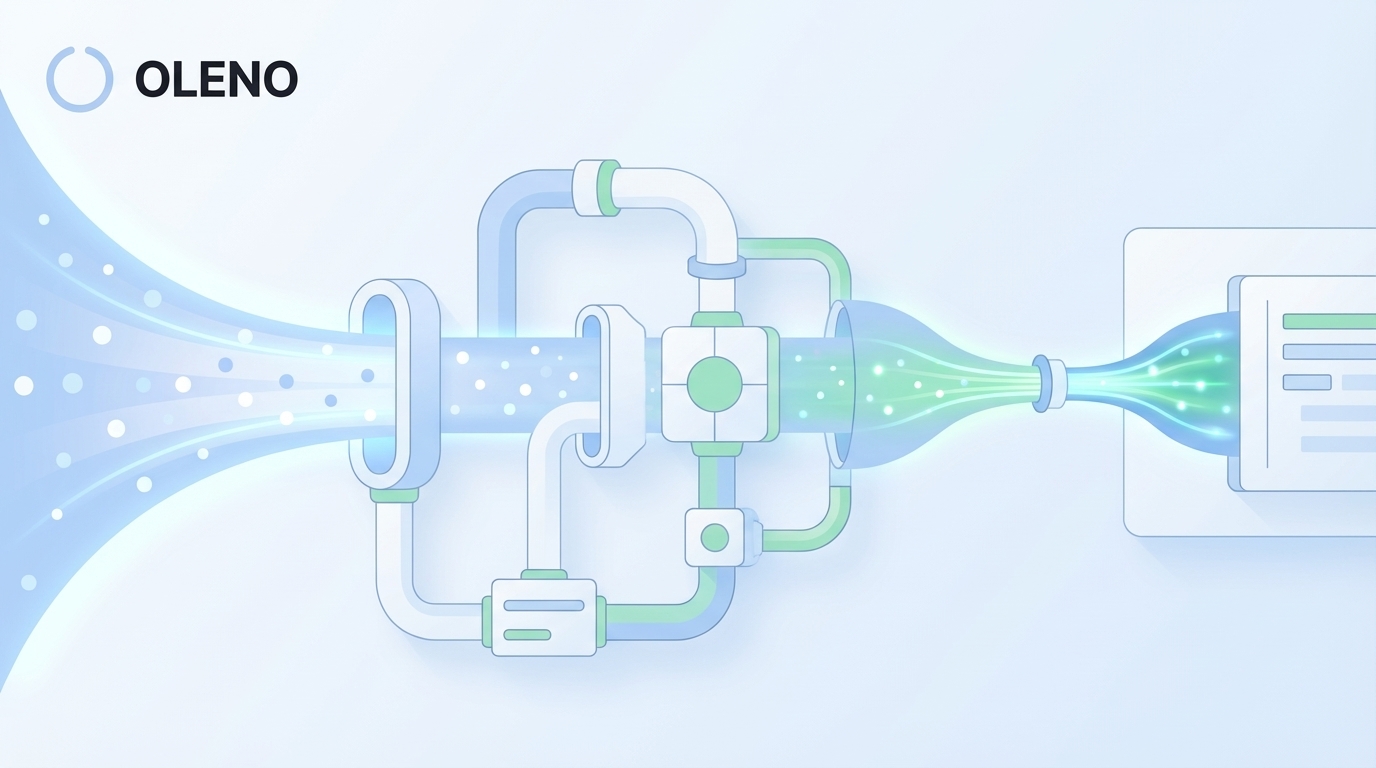
Most teams try to escape saturation by publishing more. I did that once. It worked… until it didn’t. At Steamfeed we scaled to 10,000+ pages and 120k monthly visitors because breadth and depth moved in lockstep. When we strayed from uniqueness, authority slipped. Not overnight. Quietly. Then the clean traffic curves got lumpy.
If you’ve felt that wobble, the fix isn’t more editing or a stricter style guide. It’s upstream. Treat information gain as a gate, not a vibe. If a new piece can’t add something your library doesn’t already have, it shouldn’t exist. That sounds harsh. It’s actually kind. To your funnels, your editors, and your future self who won’t be cleaning up cannibalization at 11 p.m.
Key Takeaways:
- Score information gain before briefing; block weak angles early
- Track cluster size, redundancy ratio, and freshness window to predict saturation
- Quantify the cost of repetition in hours lost, SEO drag, and LLM ambiguity
- Use cooldowns and editor overrides to keep exceptions intentional
- Ground every draft in your KB; enforce uniqueness with a QA gate
- Let the system publish idempotently so duplicates don’t slip through
- Use Oleno to operationalize these safeguards end to end without manual coordination
Why Publishing Without Information Gain Drains Authority
Publishing without information gain drains authority because it repeats what you’ve already said instead of adding something new. Overlap fragments internal links, splits attention, and weakens topical clarity over time. For example, two “how-to” posts that share examples will both underperform compared to one differentiated guide.

The vanity trap of volume without novelty
Volume feels like progress. It is—until it turns into repetition dressed up as productivity. I’ve seen teams “win” the week with five posts that echo last quarter’s angles. Clean dashboards, messy roadmap. The slow leak shows up months later as flatter growth and frustrating rework.
The real trap is structural. If your approval process doesn’t require proof of novelty, familiar angles slip through because they’re easy to green-light. No one is malicious. It’s just faster to say yes when an idea sounds right. The problem: sounding right and being net-new are different jobs. Your future SEO and LLM visibility depend on the second, not the first.
Treat information gain like a preflight checklist, not a “nice to have.” Build a rule that says: no brief moves forward until we can point to new evidence, examples, or explanations we haven’t published. A light gate today saves hours of rewrites later. If you want outside framing on information gain, the thinking from Animalz on information gain and Backlinko’s SEO guides nudges teams toward concrete uniqueness—useful, not gimmicky.
What is information gain in content and why should you care?
Information gain means your next page adds something your current library does not—facts, data, examples, or a sharper explanation. It’s not a clever hook. It’s measurable difference at the section level. When teams score this up front, they reduce cannibalization and keep clusters clean.
You should care because search engines and LLMs reward clarity. Clear clusters signal expertise. Redundant clusters signal indecision. Practically, information gain becomes a “can we publish this?” test. If you can’t point to net-new inputs, pause the idea or force a new angle. That pause feels like a slowdown. It’s not. It’s a compounding efficiency gain.
One more nuance. Novelty doesn’t always mean original data; it can be new organization or a missing step nobody’s explained well. The bar isn’t “never been said on the internet.” It’s “not already present in our own library and the immediate SERP.” Tools like Exploding Topics on information gain and MarketMuse’s content research have practical signals you can adapt into your scoring rubric.
Ready to skip theory and see a gate in action? You can push test ideas through an autonomous pipeline and see what clears. Try Generating 3 Free Test Articles Now.
The Real Root Cause Of Content Saturation
Content saturation usually comes from decisions made before writing starts. Teams approve topics without checking existing coverage, KB facts, and the current SERP. For example, two product-led “how-to” guides can slip through because the brief stage didn’t compare angles.

Why duplicate angles slip through your process
Most repetition is born at the idea stage, not during drafting. Calendar pressure rewards fast approvals. You pick a relevant topic, nod at intent, and push to brief. No one stops to ask, “Do we already have three pieces with this same skeleton?” Without a gate, your workflow quietly approves near-duplicates.
Here’s what’s really going on. “Topic sounds good” gets treated as “new angle,” and the difference matters. An idea can be valid and still add zero information to your library. I learned this the hard way when my team shipped two posts explaining the same framework with the same examples, three months apart. The second piece felt fresh to the writer. It wasn’t for the reader—or for search.
Push the fix upstream. Compare candidate angles to your Topic Universe and KB before anyone writes. If overlap crosses your threshold, block it or force a new angle. When the policy is clear, approvals speed up because the decision becomes objective. Fewer gut calls. Fewer “we’ll fix it in edit.”
How coverage metrics predict saturation earlier
A simple dashboard can predict saturation before the first draft. You don’t need enterprise software. Track three views: cluster size by intent, redundancy ratio by section, and a freshness window so refreshes are deliberate, not accidental. If redundancy rises as freshness shortens, you’re drifting into clone territory.
Cluster size by intent tells you where you’re heavy or light. Redundancy ratio catches copycat sections—the “Examples,” “FAQs,” or “Steps” that keep repeating across posts. A freshness window creates space. If you shipped a deep piece last month, maybe the next action is an update, not another page.
Don’t overcomplicate it. Pick thresholds, write them down, and make them boring. And if you want more nuance, the signal weighting ideas from Exploding Topics on information gain and the coverage-first patterns from MarketMuse’s content research are a solid starting point.
The Hidden Costs Of Repetition You Do Not See
Repetition burns hours, splits authority, and confuses systems that surface your content. Even slight overlap can create measurable drag across SEO and LLM surfaces. For example, two pages with 30 percent shared examples can dilute internal link equity and reduce snippet chances.
Engineering hours lost to rework and rewrites
Let’s pretend your team ships 20 posts a month and 25 percent overlap existing angles. That’s five posts of rework. If each costs six hours all-in—briefing, writing, editing, images, publishing—you just lost 30 hours to content that never had a chance. And that’s conservative.
The hidden part is the cascade. Editors still review. Designers still generate graphics. Someone pushes to the CMS. After you spot the cannibalization, you enter a second cycle: rewrite, redirect, re-link. That doubles the time tax. It’s the content version of re-implementing a feature after launch.
A small pre-brief gate would have caught most of it. One form. One score. One rule: if net-new inputs don’t clear the bar, this topic goes back to angle work. Even a crude 0–100 score forces better decisions, faster. You’ll spend the same energy, but on pages that can win.
The cascading impact on SEO, brand trust, and LLM visibility
Redundant content splits internal links and muddies your topical narrative. Search engines hesitate because your signals conflict. LLMs retrieve chunks with lower confidence when multiple pages look interchangeable. The result: fewer snippets, less quoteability, and readers who aren’t sure which guide is “the one.”
Brand trust takes a hit too. When a returning reader finds the same examples on different URLs, the message is, “We’re not organized.” That sounds harsh. It’s coachable. A QA gate that checks narrative uniqueness and KB grounding before publish shuts most of this drift down.
If you want to understand why retrieval precision matters, skim Anthropic’s research library on context and grounding. You don’t need to become a researcher. You just need to respect that redundant chunks make machines—and people—less confident in your answer.
Still dealing with cleanup cycles and manual dedupe rules? There’s a simpler way to turn uniqueness checks into policy instead of heroics. Try Using an Autonomous Content Engine for Always-On Publishing.
What It Feels Like When Your Pipeline Fills With Clones
Pipeline clones feel like déjà vu with a budget line. You hit publish, then realize it reads like last quarter’s post. Confidence dips, then morale. For example, a teammate Slacks an older link that uses the same three examples you just used.
When you hit publish and realize it reads like last quarter’s post
We’ve all done it. I’ve shipped something, felt good, then had a colleague drop a link from three months ago that hit the same points, in the same order, with the same proof. It’s a headache. You keep the post live because deleting feels worse than letting it simmer.
The dent isn’t just internal pride. The next time you pitch a page, stakeholders hesitate. “Didn’t we just write that?” Now you’re not only fixing the process—you’re rebuilding trust. A brief gate with information-gain scoring forces the hard conversation earlier, when it’s easier to change course.
Give yourself the out: “This angle doesn’t clear our novelty bar yet, so we’re pausing.” You’ll ship fewer clones and more useful updates. It won’t feel dramatic. It will feel steady. That’s the point.
The late-night scramble to unpublish a cannibalizing article
Here’s the other flavor. Rankings dip, and the culprit is two pages targeting the same query with overlapping sections. Now you’re rewriting headlines, merging content, redirecting, and pinging five people for approvals. It’s not fun. It’s avoidable.
Put a cooldown on saturated clusters and a threshold on uniqueness so only net-new briefs enter production. That way the decision to pause is automatic, not personal. You’ll still make exceptions. They’ll be documented. When exceptions are rare and rational, the drama falls away.
Write the rule. Live by it for 90 days. Watch the scramble rate drop. It’s not theoretical. It’s just a cleaner habit.
A Practical Workflow For Information-Gain Gating
Information-gain gating turns “be unique” into an operational checklist. Define coverage, score novelty, gate briefs with rules, and ground drafts in your KB and competitive view. For example, a 0–100 score with thresholds and cooldowns makes approvals objective, fast, and safer.
Define coverage and saturation metrics that matter now
Start small. Three fields in a sheet or your CMS are enough to see risk coming: cluster size by intent, redundancy ratio by section, and a freshness window in days. With those three, you can flag clusters where you’re repeating yourself and decide whether to update or add.
Cluster size by intent surfaces overinvestment. If you’re heavy on “how-to” and light on “frameworks,” you know where to aim next. Redundancy ratio is your smoke alarm. If “Examples” or “FAQs” sections keep copying each other across pages, you’re ringing it. Freshness prevents reflexive publishing when a targeted refresh would serve readers better.
Keep this operational. It’s a “Monday check,” not a quarterly project. When the fields are visible in your planning view, the team will make better calls by default.
- Cluster size by intent: small, medium, large
- Redundancy ratio: percent of overlapping sections
- Freshness window: days since last net-new or major refresh
Build an information-gain score you can compute in Sheets
A simple 0–100 score focuses conversation. Example weights you can start with: KB-backed facts (40), unique examples (25), external citations (20), SERP delta (15). Define SERP delta as subtopics or perspectives missing from the top results that you can credibly add.
Set thresholds to clarify outcomes. A promotion threshold of 70 moves to brief; a probation band of 60–69 requires editor override; below 60 goes back to angle work. This makes “no” a system decision, not a personal critique. Don’t overfit the weights on day one—iterate monthly.
Use known references to teach the team what “good” looks like. The framing from Exploding Topics on information gain and the signal mixes discussed on MarketMuse’s content research offer enough examples to calibrate your score without endless debate.
Gate briefs with cooldowns, overrides, and thresholds
Turn the score into policy. Build a pre-brief form that calculates the score and checks cluster cooldowns automatically. Write the rules in plain English and keep them tight. Example: If redundancy is high, enforce a 90-day cooldown unless the score exceeds 85 or an editor signs off with a rationale.
Add a decay rule for recent misses. If two posts in the cluster failed QA for repetition in the last 30 days, raise the threshold by five points temporarily. That’s not punishment; it’s protection. Overrides should be rare and documented—who approved, why it’s worth it, and what “new” we’re bringing.
This removes the guilt from saying no. The system says no unless the content is clearly net-new. Your team will thank you after the third avoided scramble.
- Default threshold: 70 to publish, 60–69 requires override
- High redundancy clusters: 90-day cooldown or score ≥85
- Recent repetition failures: temporary +5 threshold
Wire KB and competitive retrieval into dedupe and snippet-proofing
Your KB is the easiest way to enforce novelty. Query it for facts, narratives, and examples tied to the proposed angle. Compare to the last three in-cluster posts. If more than 30 percent of examples overlap, reject or force new evidence before moving forward.
Do a quick SERP skim with a purpose: list the subtopics and snippets you can beat with unique data or clearer steps. This isn’t a copycat exercise; it’s a “what’s missing that we can add?” check. If the answer is “not much,” your best move is a refresh, not a new page.
If your team wants prompts to structure that retrieval, the high-level guides in Anthropic’s research library are useful reading. You don’t need heavy tooling to start—just a consistent habit.
How Oleno Operationalizes Information-Gain Safeguards
Oleno operationalizes information-gain safeguards by embedding novelty checks, KB grounding, and deployment rules directly in the pipeline. It detects overlaps before briefing, blocks low-value topics, enforces a QA gate, and publishes idempotently. For example, duplicate-prone ideas are paused before anyone writes.
How Oleno detects overlap before briefing
Oleno analyzes your sitemap and knowledge base to detect gaps, overlap, and thin content before drafting begins. Topics that look redundant are blocked early, so you’re not cleaning up duplication after the fact. The angle is evaluated for differentiation and intent alignment, which reduces the chance of approving near-duplicates by accident.
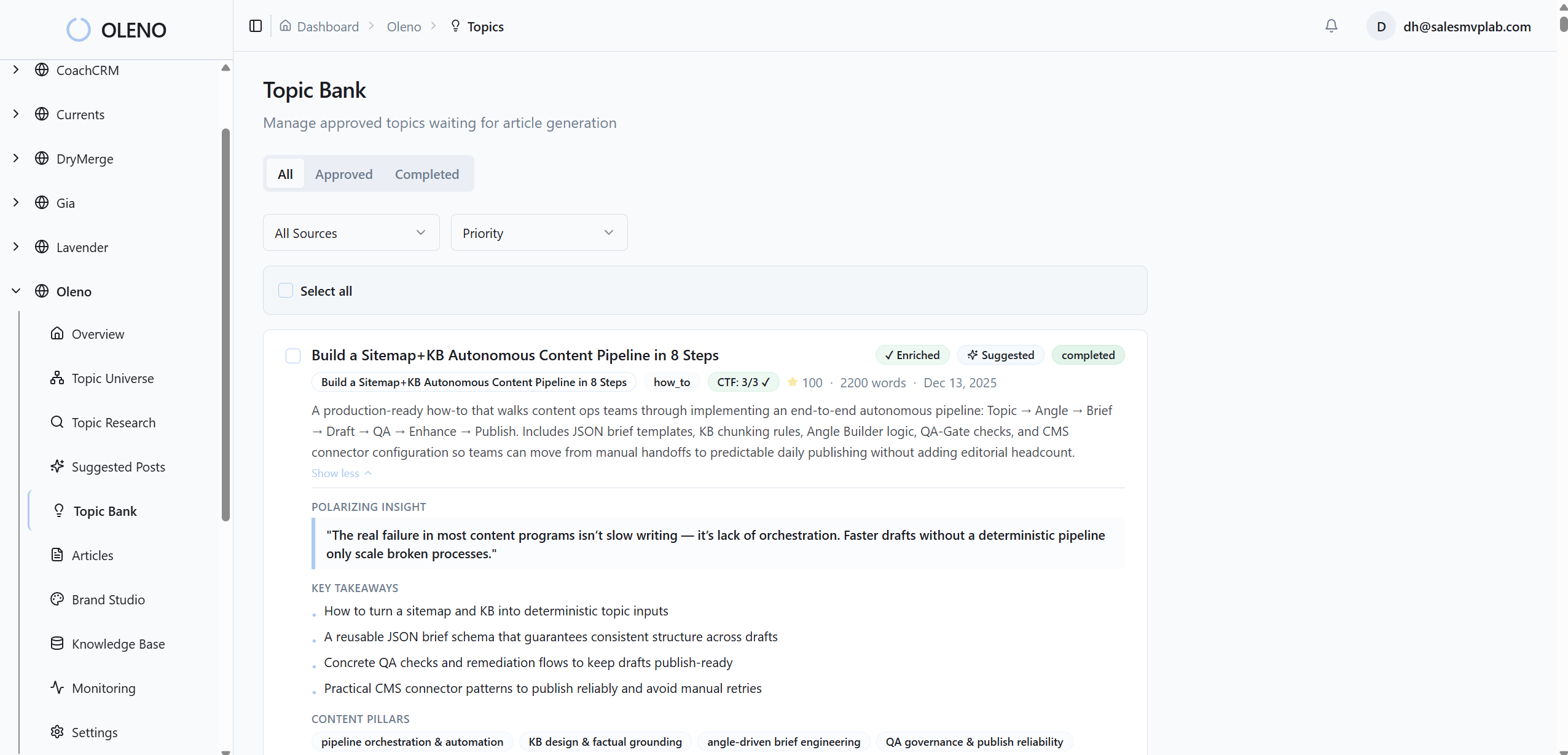
This matters because the cheapest time to avoid repetition is before anyone writes. I’ve lived the alternative—late edits, hard merges, and redirects. When detection is upstream, you get a cleaner topic list, and the brief stage becomes faster because the question isn’t “Is this good?” It’s “Is this new for us?”
As a result, the cluster stays coherent. Internal links concentrate around the strongest page. Team time moves from rework to research. Small shift, big compounding effect.
How Oleno blocks low information-gain topics
Differentiation is a gate in Oleno, not a suggestion. If a topic and angle can’t add unique value given your KB, the system prevents it from entering the brief. There’s no hero edit later to “save it.” If the system can’t find a safe way to differentiate, it pauses the topic for a better angle.
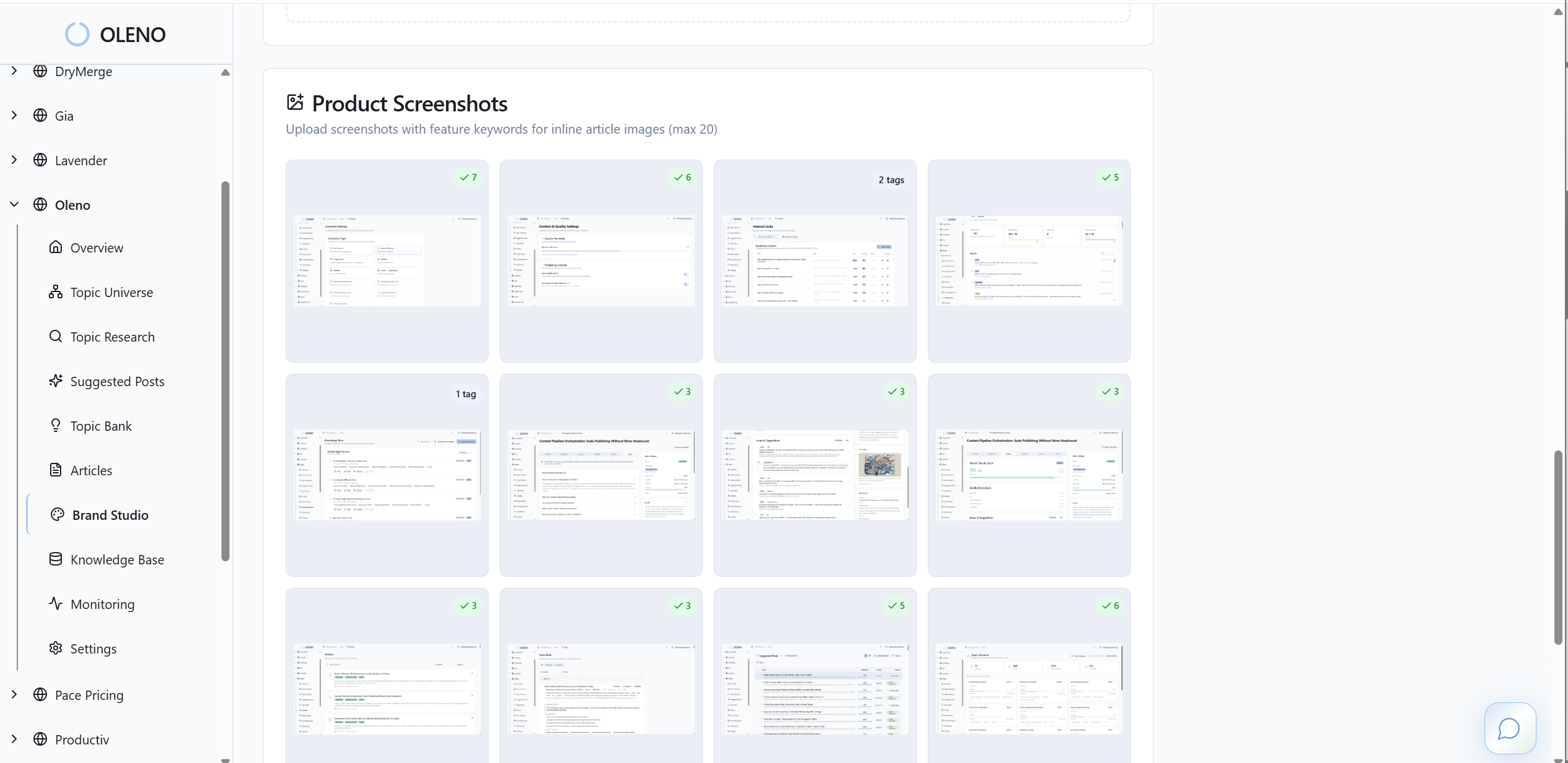
That pause is a feature. It nudges the team toward either deeper evidence or a smarter format rather than shipping another lookalike. Over time, this keeps your library sharp—fewer “same story, new title” posts, more credible additions that actually help the reader.
It’s also faster operationally. Clear blocks mean fewer meetings, fewer rewrites, and fewer soft approvals that become hard problems down the line.
How Oleno enforces quality with a QA gate
Every draft passes an automated QA gate that checks narrative structure, voice, clarity, SEO formatting, LLM readability, and KB grounding. Articles below threshold are revised and re-evaluated automatically. Publishing is blocked until the draft clears the bar—no exceptions, no “good enough.”
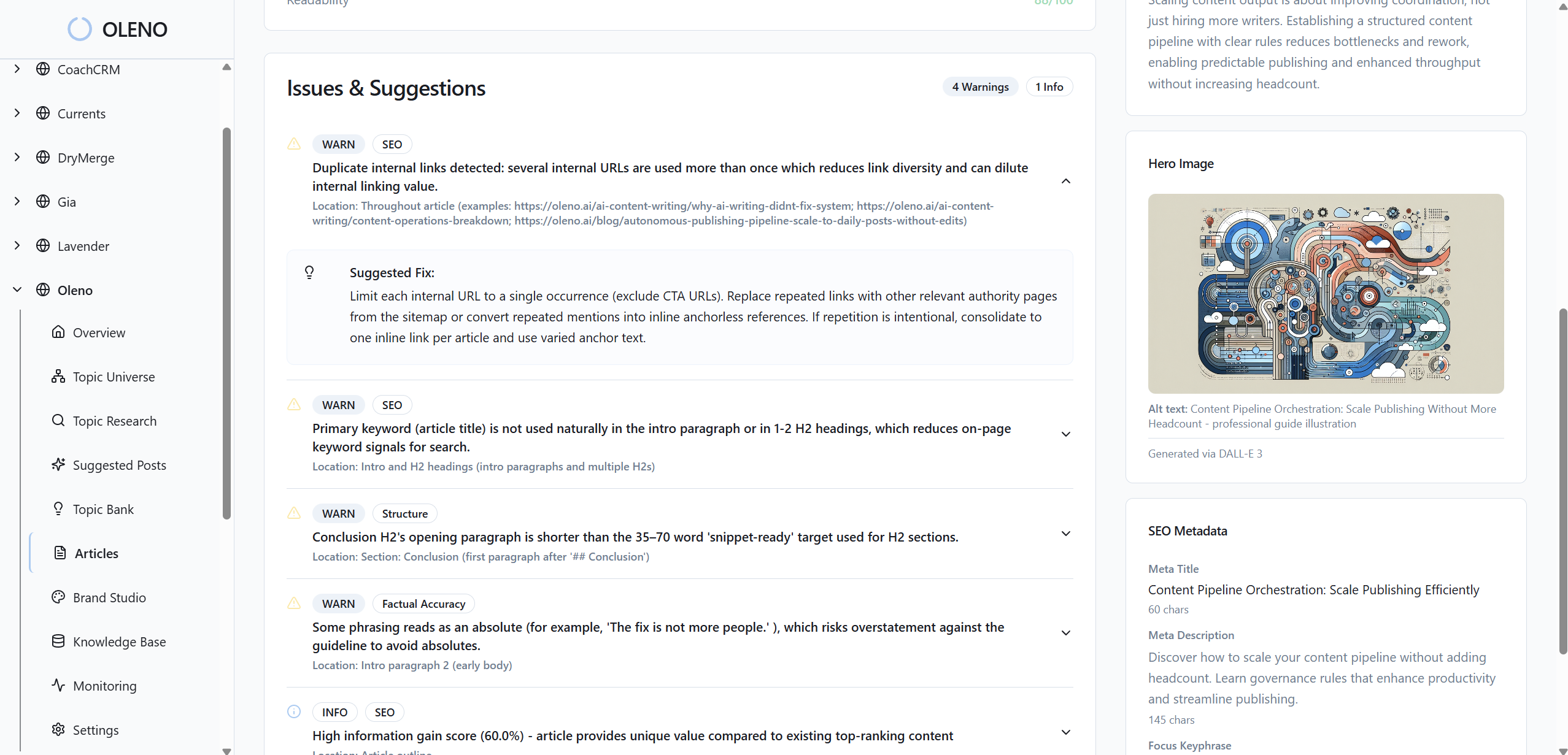
In practice, this catches the sneaky repetition—the sections that look different but rely on the same examples or unsupported claims. It also protects the voice and structure you’ve defined, so content feels consistent without manual policing. Editors get to focus on substance, not scaffolding.
When quality is enforced by code, you stop spending cycles on preventable issues. That time gets reinvested in research and differentiation—the two places it actually moves the needle.
How Oleno publishes safely without duplicates
When content is ready, Oleno publishes to your CMS with idempotent behavior to avoid duplicate posts. WordPress, Webflow, Storyblok, HubSpot, Framer—it connects directly. Cadence matches your daily quota, and the pipeline stays predictable. You’re not juggling handoffs or formatting.
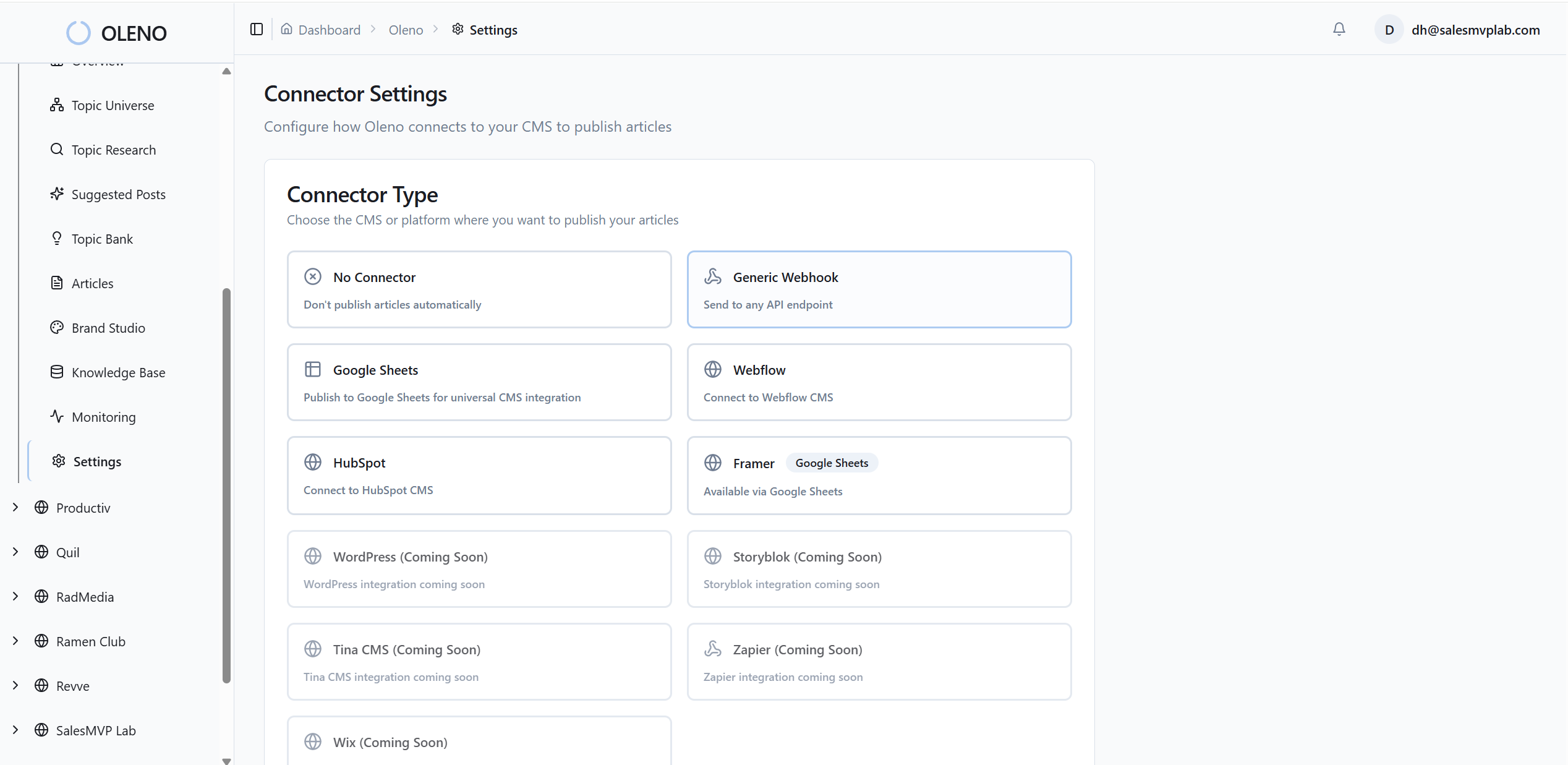
Idempotent publishing sounds technical. It’s simply “no double-post surprises.” If you’ve ever cleaned up duplicates after a CMS hiccup, you know the cost in lost trust and internal link confusion. Oleno removes that risk so clusters keep their shape.
The result is a steady, safe publishing rhythm. That’s what reduces saturation risk over time—not heroic sprints.
Conclusion
You don’t beat saturation with more hustle. You beat it with rules that protect novelty before a writer ever opens a doc. Score information gain. Gate briefs. Ground drafts in your KB. Publish idempotently. Do that, and you’ll spend less time on frustrating rework and more time producing pages worth citing.
Here’s the last mile. If you want the workflow without stitching a dozen tools together, Oleno runs it for you—discovery to publish, with novelty checks and QA built in. See how the system treats uniqueness as a gate, not a suggestion. Try Oleno for Free.
About Daniel Hebert
I'm the founder of Oleno, SalesMVP Lab, and yourLumira. Been working in B2B SaaS in both sales and marketing leadership for 13+ years. I specialize in building revenue engines from the ground up. Over the years, I've codified writing frameworks, which are now powering Oleno.
Frequently Asked Questions