International Content SEO: Localization Workflow Without Duplicate Pages

International expansion tempts teams into brute-force translation. It looks efficient on the roadmap. It isn’t in search. You multiply URLs without multiplying intent, and the index responds exactly how you’d expect: confusion, cannibalization, and slower recovery after every change.
I’ve made that call before—spin up pages first, fix signals later—when we were understaffed and under pressure. We shipped content faster, sure. We also spent the next month cleaning up duplicates, explaining dips to leadership, and rebuilding trust with engineers who were stuck debugging hreflang instead of shipping features. There’s a better path.
Here’s the shift: treat localization as a set of signals and choices, not a page factory. You earn new pages with proof of intent divergence. And you lock the technical layer before any copy leaves a draft.
Key Takeaways:
- Don’t translate everything; earn new pages when search intent and offers diverge
- Lock URL patterns, hreflang, and canonicals in templates before writing
- Consolidate where content is 80% identical; localize only the parts that differ
- Quantify risk windows; pilot templates to avoid costly rollback
- Use a system that enforces structure and metadata so duplicates never ship
Ready to skip theory and see a working system? Try this on a small slice first. Try Generating 3 Free Test Articles Now.
Why Translating Everything Tanks International SEO
Bulk translation creates duplicate signals that fragment authority and confuse crawlers. Search engines prefer clear canonical hierarchies, reciprocal hreflang, and distinct intent per URL, not a clone army with minor edits. One good global page beats ten thin variants with conflicting tags and messy sitemaps.

The duplication trap most teams fall into
Bulk translation feels like momentum because you can show progress in a spreadsheet. “We doubled the index.” Great. You also doubled the places you can make the same mistake. The usual failure pattern is simple: identical templates, identical angles, identical metadata, and only the nouns change. That’s not localization; that’s duplication.
The index isn’t fooled. Near-identical pages fight each other, and canonical hints turn into canonical coin flips when signals don’t align. I’ve watched global pages outrank local ones because of mismatched canonicals and missing reciprocal hreflang. Not fun. The fix takes longer than doing it right would have. It’s why practical guides stress clean canonicals and correct hreflang over page volume. See the baseline patterns in Contentful’s international SEO guide.
If you recognize phrases like “we’ll ship now and clean up later,” that’s your trap talking. Later rarely arrives on time. Meanwhile, you’re burning crawl budget on copies and delaying indexation of the pages that actually matter.
Do you really need a page per country?
Ask three questions before you spawn a locale: does search intent differ, do offers or compliance change, and will pricing or examples need real localization? If the answer is no, a single page with a language selector and precise hreflang might serve everyone better. Fewer pages. Clearer signals. Faster indexation.
This gets political quickly. Teams want “their” country page. Legal wants a country domain. Partnerships want local logos. I get it. But you can meet those needs without fragmenting your URLs. When things align—same product, same price, same use cases—share the page and localize interface elements, not the address. You’ll keep authority consolidated and your backlog manageable.
And when the answers turn into yes—regulatory differences, localized examples, region-specific testimonials—then you’ve earned the right to split. You’ll do it with purpose, not habit, and you’ll justify the complexity with performance, not preference.
Rethinking Localization As Signals And Choices, Not Bulk Pages
Localization succeeds when you treat it as a set of enforceable signals and deliberate content choices. Stable URL patterns, reciprocal hreflang, and self-referencing canonicals are the backbone. You add pages only when intent diverges, which keeps authority consolidated and maintenance sane.

What traditional advice misses
Most advice says translate everything and slap hreflang on top. That order is backwards. Signals are not a patch; they are the system. Get the address patterns and canonical rules right in templates first. Then decide what to translate or transcreate based on what searchers want and what you actually offer per market.
Here’s the nuance: you don’t “win” international by increasing page count. You win by aligning structure with intent. That’s why I like approaches that start with a tight technical base—consistent URL frameworks, locale-aware metadata—and layer content decisions on top. It’s boring. It’s also what works. For a practical rundown, study the clean-signal approach in SE Ranking’s SEO localization guide.
And yes, there are exceptions. ccTLDs can help brand trust in specific markets. But without localized links and team capacity to maintain multiple properties, subfolders usually carry less long-term risk. Choose complexity on purpose, not by default.
How to separate language, region, and market intent
Language is not a proxy for market. en-US and en-GB can share a page when the job-to-be-done is identical. Markets diverge when examples, measurements, regulations, or pricing differ enough to change how people search. That divergence drives the need for new pages. Not flags. Not translation quotas.
Work at the template level. Decide which elements localize (pricing blocks, examples, legal text) and which remain global (problem framing, feature explanations, core visuals). Codify the rules in your CMS templates, not one-off drafts. When we’ve taken this route, teams avoided the “1000 micro-variants” trap and shipped fewer, stronger pages.
One more practical note: document the decision logic. You’ll get asked “why no /de/?” Having a simple matrix—intent, offers, compliance, content delta—turns debates into decisions.
Where should your workflow start, URLs or content?
Start with the address. Always. Lock your URL strategy, implement hreflang and canonical rules in templates, and test with sample pages. Only then decide which sections need translation or transcreation. Content built on shaky signals creates messes that engineers have to clean up, and those cleanups delay actual growth.
This sequence feels slower upfront. It isn’t. It prevents the two biggest delays: retrofitting signals across hundreds of pages and digging out of duplicate clusters. When the technical layer is deterministic, you can scale content without wondering which variant will win the canonical lottery.
The Costs Of Getting International Signals Wrong
Bad signals create expensive, invisible drag on your roadmap. You lose engineering time to debugging, burn crawl budget on copies, and stretch your migration window from weeks to months. Most of that pain is avoidable with clean templates, reciprocal tags, and restraint on page count.
Engineering hours lost to hreflang debugging
Let’s pretend a 5-locale rollout misses reciprocal hreflang on 30% of templates. Engineers spend 20–40 hours tracing template logic, reviewing sitemaps, and nudging re-indexation. Product managers juggle these fixes with other releases. Content teams halt localization while they wait. That’s two to four weeks of momentum gone across functions.
The secondary cost is trust. Leadership starts asking if international was premature. Teams hedge on future changes. When we’ve been there, the postmortem reads the same: untested templates, inconsistent tag placement, and no pre-launch validation. A modest investment in template-level checks saves far more than it costs. For workflow guardrails that reduce rework, skim the best practices in Lokalise’s localization workflow guide.
Crawl budget wasted on near-duplicates
Imagine 2,000 URLs multiplied into 10,000 with minimal changes. If only 15% differ, you’re burning 85% of crawl on low-value pages. Your priority pages wait their turn as the crawler spins through copies. Canonical consolidation lags. Indexation drifts. And suddenly you’re explaining why “more pages” didn’t equal “more traffic.”
There’s also migration risk. Most sites see a 2–6 week volatility window after significant structural changes. If signals are clean—self-referencing canonicals, reciprocal hreflang, mapped redirects—you’ll usually see recovery trends by week three. If they aren’t, drift continues and the rollback conversation starts. Time is not the enemy. Conflicting signals are.
Still dealing with this manually and paying for rework every quarter? There’s a different way to operate. Try Using an Autonomous Content Engine for Always-On Publishing.
The Rollout Panic You Can Avoid
International changes create a predictable anxiety cycle: initial dip, executive questions, scramble for fixes. You can defuse it by diagnosing cannibalization quickly, communicating leading indicators, and defining objective rollback triggers before launch.
When your new domain cannibalizes the .com
Symptoms show up within a week: country pages ranking for global terms or the .com outranking local variants. The usual culprits are mismatched hreflang targets, missing self-referencing canonicals, or inconsistent language meta. The fix is straightforward: reciprocal hreflang pairs, self-referencing canonicals, and sitemap segmentation by locale to guide discovery.
I’ve seen teams chase link building when the problem was signals. Don’t. Fix the map first. Then monitor the right datapoints: correct hreflang counts in markup and sitemaps, decreasing duplicate clusters, and stable canonicalization on priority templates. It’s not glamorous work. It’s the work that gets you out of the hole.
The dip that rattles leadership and how to explain it
There’s often a dip after a structural change. Your job isn’t to deny it; it’s to frame it. Explain what’s controlled (URL patterns, reciprocals), what’s being watched daily (canonical stability, duplicate clusters), and the evaluation window. Share a simple risk table and a rollback threshold. Leaders handle variance better when they can see the plan.
If you need outside framing to align teams, point to common patterns in mature guidance. The playbooks emphasize clean technical signals, not page proliferation, as the stable base for growth. Here’s a compact refresher from Smartling’s international SEO best practices.
A Cleaner Localization Workflow That Prevents Duplicates
A reliable localization workflow starts with the address and signals, then layers content decisions. You default to consolidation, create new pages when intent demands them, and validate templates before you scale. The goal is boring predictability that keeps you out of rework.
Step 1: Pick a URL strategy and plan migration
Choose ccTLD, subdomain, or subfolder based on authority consolidation, legal requirements, and operational capacity. Most teams benefit from subfolders—simple, consolidated, and easier to maintain. Draft a migration checklist: mapping, 301s, self-referencing canonicals, segmented sitemaps per locale, and cache invalidation.
Pilot a low-risk section first. Validate logs and indexation behavior before you touch core templates. If your team is small, prioritize the templates that drive revenue and leave long-tail expansions for phase two. We learned this the hard way when we tried to move everything at once—“big bang” invites big cleanup.
Step 2: Implement hreflang and language signals correctly
Use ISO 639-1 language codes and 3166-1 region codes. Include reciprocal pairs, a self-reference, and x-default for global variants. Surface hreflang in both HTML link elements and XML sitemaps. For non-HTML assets, use HTTP Link headers. Keep language meta consistent with the hreflang you declare to avoid mixed signals.
Make it testable. Build a tiny harness that renders representative templates and validates hreflang pairs, canonical tags, and language meta. Don’t rely on spot checks in production. This is where engineering time is won or lost. A systematic check here prevents that costly “30% of templates were missing reciprocals” scenario later.
Step 3: Define canonicalization and content decisions
Set canonical rules per pattern. Identical translations should canonicalize to their own locale URL with mutual hreflang. Regional variants with 80% shared content should consolidate; localize the blocks that differ. Use a simple decision matrix: translate, transcreate, or consolidate. Make the choice at the template, not URL, level.
Then package the rest: locale-aware schema (inLanguage, regional business data where relevant), segmented sitemaps, and a light monitoring cadence in GA4 and GSC. Avoid robots blocks on localized paths. If you’re worried about index bloat, you’re not alone; we’ve all shipped paths that should have stayed unlisted. Get the rules in the template so they apply everywhere, every time. For a compact primer on the structural layer, see the coverage in Contentful’s guide.
How Oleno Turns Localization Rules Into Repeatable Execution
Oleno turns localization from “remember to do this” into “the system does this every time.” It decides what to write, locks structure, enforces quality, and publishes directly to your CMS with idempotent safeguards. The result isn’t more pages; it’s the right pages with the right signals, shipped on schedule.
Quality gates prevent duplicate content from shipping
Quality is a gate in Oleno, not a suggestion. Articles are scored for narrative order, clarity, brand voice, and knowledge-base grounding before publish. Repetitive or low-information drafts are revised automatically until they pass, and publishing is blocked if they don’t. You avoid clogging the index with thin variants because the system won’t let them through.
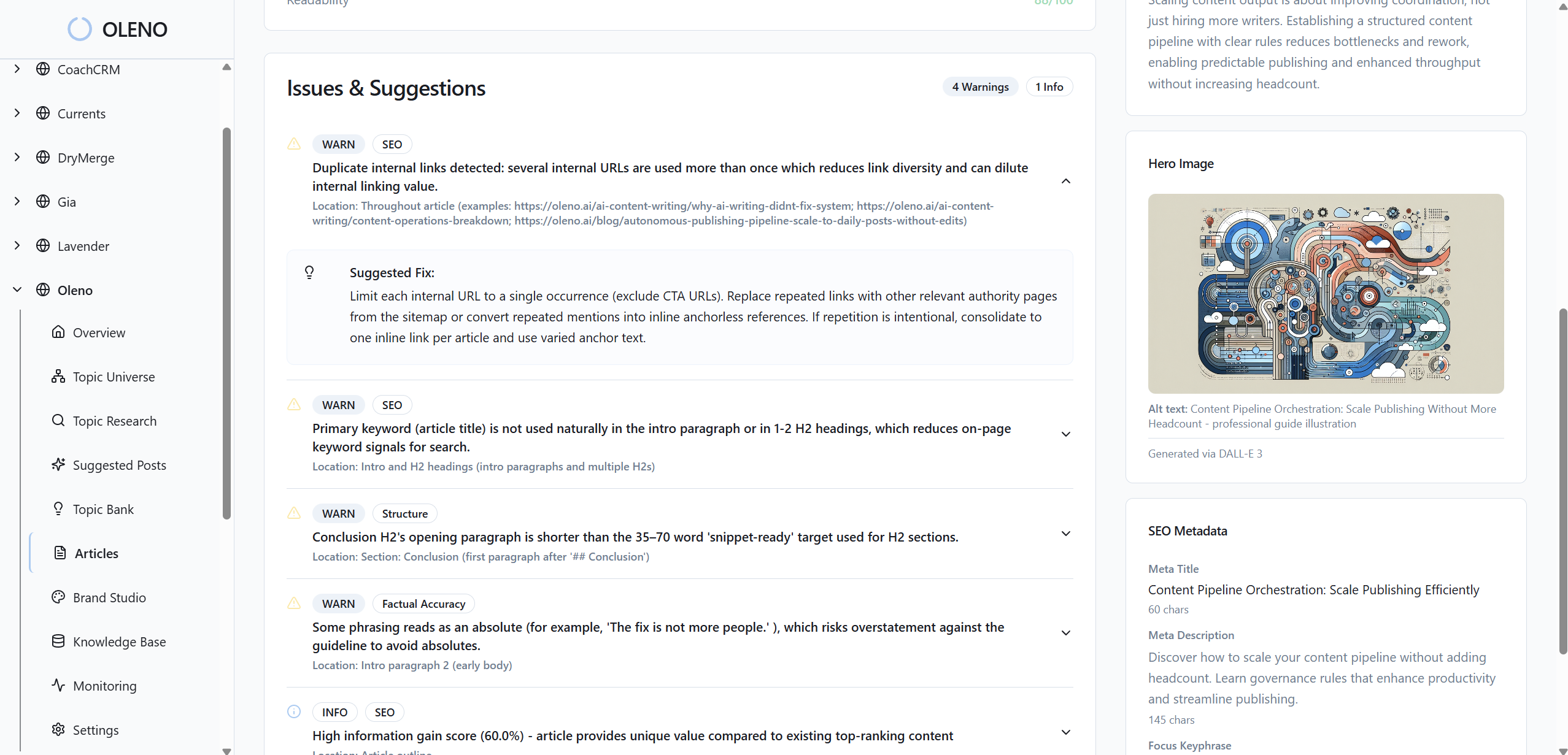
This matters internationally. When content is 80% shared, Oleno’s rules steer toward consolidation and localized sections rather than spawning a new URL. That reduces crawl waste and the post-launch rework that saps engineering time. It’s the guardrail we wished we had when we were triaging duplicates after a rushed rollout.
Publishing pipeline enforces metadata, canonical, and idempotent deploys
Oleno publishes directly to your CMS with consistent metadata and structured fields. Canonicals, title patterns, and locale-aware elements are set deterministically at publish time. Idempotent publishing prevents accidental duplicates or double-posts when templates are updated or deploys are retried.
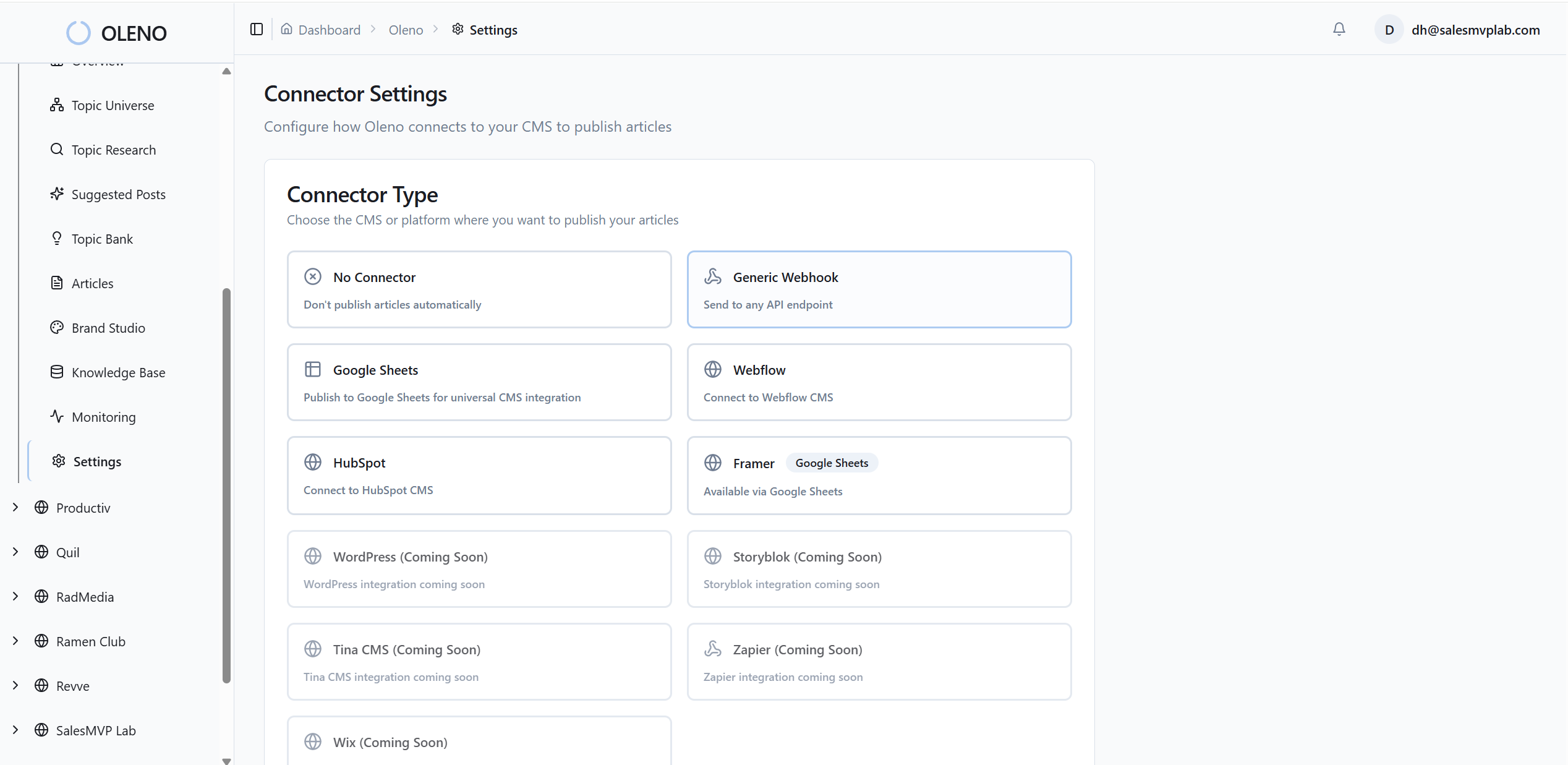
When you change rules, updates flow forward through templates instead of requiring manual page surgery across locales. That’s how you shrink the “migration risk window” back to weeks instead of months: one source of truth, enforced in code, and a pipeline that refuses to drift.
Topic Universe and knowledge rules guide translate versus transcreate
Oleno analyzes your site and knowledge base to determine what content should exist, then prevents overlap through its Topic Universe model. It picks topics that can be written safely, differentiates angles before writing, and blocks low-value briefs that add no information gain. In localization, that means new pages get created only when intent and offers justify them.
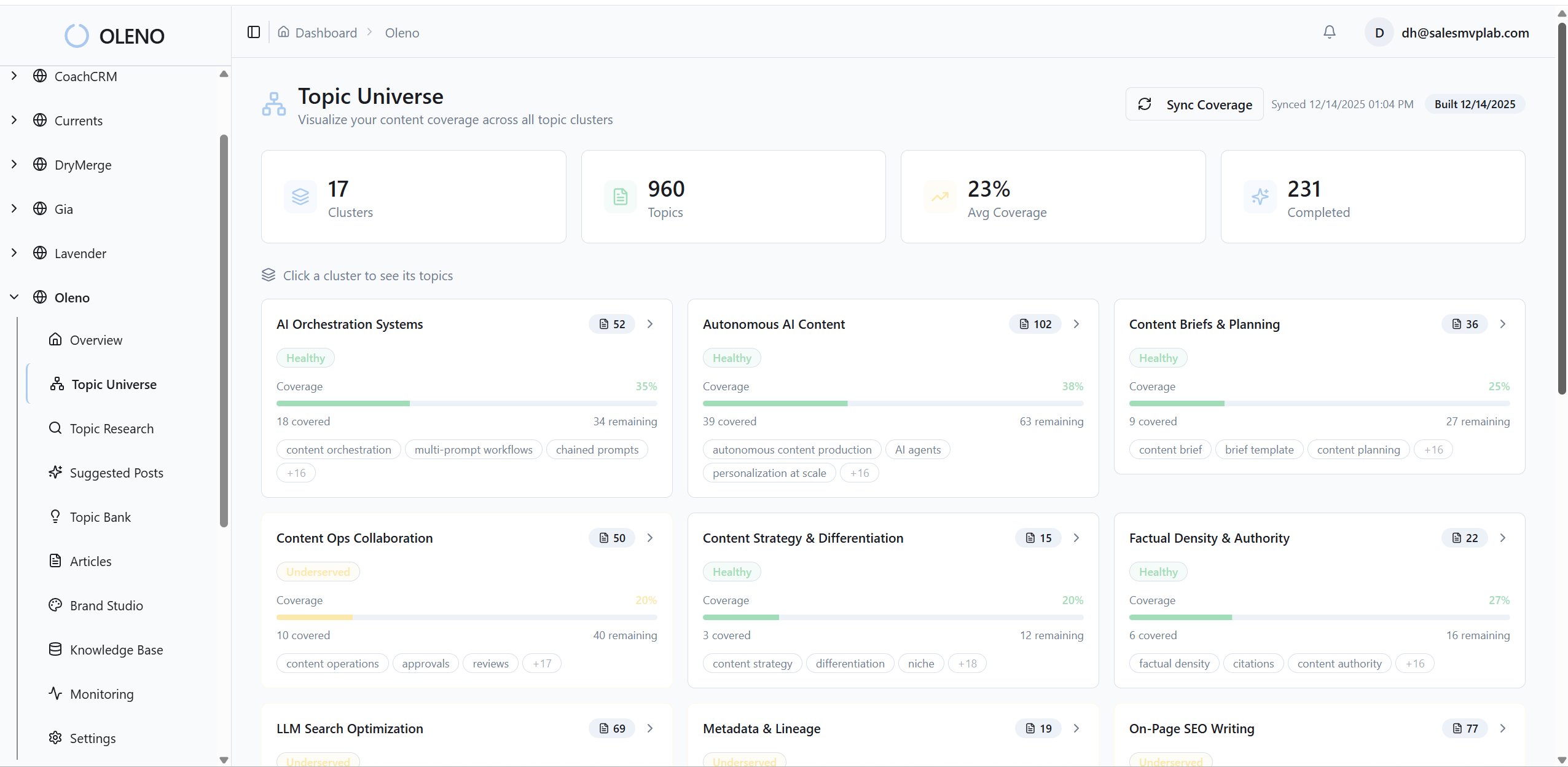
You keep authority consolidated by default and still meet local needs by localizing the blocks that truly change—pricing, examples, compliance notes. That’s the balance: fewer URLs, more relevance per market. Oleno enforces it without adding meetings or manual reviews.
If you want a safer way to scale this work without adding headcount, test the workflow on your own stack. Try Oleno For Free.
Conclusion
International SEO isn’t a translation project. It’s a system of signals and choices that either earns new pages or consolidates them. When you lock URL patterns, canonical rules, and hreflang in templates—and only then decide what to localize—you avoid the duplicate trap, the crawl tax, and the migration panic.
You can absolutely run this with discipline and spreadsheets. Or you can let a system do the remembering, enforcing, and publishing while your team focuses on market strategy and messaging. Either way, choose boringly consistent signals first. Then localize what actually changes. That’s how you grow without drowning in rework.
About Daniel Hebert
I'm the founder of Oleno, SalesMVP Lab, and yourLumira. Been working in B2B SaaS in both sales and marketing leadership for 13+ years. I specialize in building revenue engines from the ground up. Over the years, I've codified writing frameworks, which are now powering Oleno.
Frequently Asked Questions