Maintain Brand Voice in Localization: Playbook for Translating Tone

You can translate every word correctly and still ship a different brand. I’ve seen this. Team nails the terms, the nouns, the verbs. The voice, though, shifts. It sounds polite when you need energy. It sounds stiff when you meant precise. Launches slip into rework because everyone has a different picture of “our tone, in that market.”
Years ago, when I was building content engines the hard way, I learned a simple truth: if you don’t decide what must stay the same, local teams will decide for you. They’re not wrong. They’re just filling in gaps. That’s how voice drift creeps in, then compounds. You don’t notice right away. You feel it in weaker CTAs, unclear positioning, longer feedback loops.
The fix isn’t more approvals or heavier decks. It’s governance that travels. You lock the right pieces, let other pieces flex, and make the rules show up inside the work. No extra steps, no heroics, no five-person translations review committee.
Key Takeaways:
- Literal translation preserves words, not brand. Lock voice tokens and claims, let idioms and formality flex by market.
- Encode voice into the workflow. Tokens, taboo mappings, and claim rules must live in your CAT tools and briefs.
- Measure where drift costs you: conversion drops, rework time, missed windows, and claim risk.
- Onboard translators like partners. Show intent, share examples, run a short calibration.
- Use lightweight QA gates tied to tokens and claims, not vague “make it more us” notes.
- A governed execution system, like Oleno, applies voice and claim control at every step so speed doesn’t suffer.
Why Literal Translation Produces A Different Brand
Literal translation changes brand because tone and intent don’t travel one to one. Word-level accuracy misses cultural context, humor, and confidence cues that signal who you are. Teams that optimize for correctness without style guardrails publish content that reads fine, but not like them, which leads to drift and confusion.

The myth of accuracy equals consistency
Accuracy is table stakes. Consistency is the goal. Those aren’t the same. You can get a perfect sentence and the wrong signal, especially when a “friendly, direct” brand swings cold or overly formal in another language. Buyers pick up on that shift instantly. It feels off, and off lowers trust.
What’s tricky is you don’t catch this with a quick spot check. A product page might read okay in isolation. Then you look across five touchpoints, and the voice scatters. Email reads bubbly. Landing page reads corporate. Sales deck is somewhere in the middle. That’s drift. It happens when style rules are implied in English, but never encoded for other markets.
We’ve tested this in practice. When we push “correct” translations without voice tokens, teams spend two to three extra rounds debating word choice. Everyone means well, yet the edits are subjective. You end up slow and still inconsistent. That’s the double hit.
What gets lost when tone crosses cultures?
Intent gets fuzzy. A playful jab can read rude. A confident claim can read arrogant. Some markets reward brevity, others want more context. Your English guide probably nails traits in English situations. It rarely includes market-specific taboo phrases, or how humor should soften or sharpen. That’s where reasonable choices go sideways.
Translators shoulder this guesswork. They’re professionals, not mind readers. Without cultural intent notes, they make safe choices that land generic. Generic isn’t neutral, it dilutes your positioning. You stop sounding like the brand buyers chose in your home market.
Documenting what not to say matters too. False friends, idioms, and brand-internal catchphrases break fast across borders. A simple taboo mapping prevents avoidable misses. You’d be surprised how often a single word derails a post.
Why your English styleguide will not survive unchanged
Most guides were built for one audience. They list dos and don’ts, then leave gaps around what to lock and what to adapt. Reviewers fight the same battles each cycle. Someone invokes “brand,” someone else invokes “local nuance,” and the clock keeps ticking.
The fix is clarity. Define voice tokens as objects that either lock or flex. Taglines and legal claims lock. Idioms and formality flex by market. Add short intent notes per token, plus examples in the target language. People need to see it to apply it.
If you want a quick external gut check on brand voice fundamentals, skim Sprinklr’s guide to brand voice. Then tailor those concepts for each locale. General frameworks help, but your tokens and examples do the real work.
Ready to cut subjective edits on localized drafts? See how this looks inside a governed system. Request A Demo.
Define What Must Stay The Same And What Can Flex
Preserving voice across languages starts with a lock-versus-adapt list. Lock what defines your signature sound and legal boundaries. Allow adaptation where culture and context shape meaning. Write the decision tree down, and push it into the tools your translators already use to reduce debate and rework.

What should be locked versus adapted?
Start simple. Lock the things that, if altered, change who you are. Taglines, product names, regulated phrases, and claims with tight legal meaning live here. Lock core voice tokens too, like “confident, never boastful” or “plain language, no fluff.” These travel across markets and keep the spine intact.
Then define the flex zones. Humor, idioms, headline cadence, and formality will shift by market. Give translators explicit permission to adapt those. The decision rule is straightforward: protect the intent, not the exact phrase. You’ll get fewer “make it more us” notes and faster approvals.
Put it all in a one-page decision tree. When in doubt, people default to safety. Safety often means generic. A clear rule set gives translators the confidence to stay bold where it matters.
Encode voice tokens and cultural intent
Tokens work when they’re actionable. A token like “friendly, direct” means little without examples in the target language. Pair each token with two short “right” and “wrong” lines per locale. Add one sentence of intent, like “reduce risk of sounding dismissive” or “avoid forced enthusiasm.” This turns taste into shared standards.
Build a short taboo map per market too. False friends and off-key idioms waste time and goodwill. Keep the list small and precise. Think ten items, not a database. The goal is to prevent the predictable misses, not to cover everything.
Tools help, but clarity helps more. If a translator understands why a token matters, they’ll apply it in edge cases you didn’t anticipate. That’s how consistency survives scale.
Seed decisions into tools so they show up in drafts
If rules live in a PDF, they’re already late. Put tokens, terms, and claim rules inside the brief. Load glossaries and approved phrasing into your CAT and term base. Seed translation memory with preferred constructions so drafts start closer to on-brand, not miles away.
This cuts edit time and lowers subjectivity. An editor can reference the token by name, rather than rewrite a paragraph from scratch. Translators feel supported instead of corrected. Everyone moves faster.
If you want visual examples to model your guide format, browse Frontify’s brand guidelines examples. Then strip yours down to what translators actually use, not what looks pretty in a deck.
The Hidden Costs Of Voice Drift Across Markets
Voice drift hurts conversion, creates misfit pipeline, and slows launches through rework. It also increases legal risk when claims expand in translation. You feel it as busy work and timeline creep. Quantify it, and the cost is obvious, especially at launch.
Lost conversion and misfit leads
Let’s pretend you localize a launch into three markets. Traffic looks fine, yet demo rates slide 10 to 20 percent because the voice no longer signals who you’re for. That drop compounds. Sales spends more time qualifying leads that never fit. Pipelines look healthy, revenue lags.
Misfit leads have a real cost. AEs run more calls. Follow-ups drag. Your close rate dips, and everyone wonders if the campaign missed. It didn’t. The message did. Voice is the filter that attracts the right buyers and repels the wrong ones. When it blurs, your funnel gets muddy.
Teams often respond by producing more. More posts, more ads, more variants. Volume hides the real issue for a bit, then the numbers force a reset. Better to fix the filter.
Rework, reversals, and missed launch windows
Bad rules create downstream chaos. Editors rewrite. Legal reopens. Regional leads pause assets after social feedback. A two-week rollout stretches to five. Translation edit rates spike, sometimes doubling. Burnout follows.
You end up with a choice you don’t like. Push a “quick pass” and accept the risk, or delay and lose momentum. Neither is great. Clear tokens and claim rules upstream change the math. Drafts arrive closer to done. QA checks for the right things. Approvals move.
Subjective notes like “make it more us” are a signal. They mean your tokens aren’t encoded where the work happens.
Risk exposure when claims morph in translation
Claims that are safe in English can expand subtly. Comparative phrasing, absolutes, and performance language stretch in another language without anyone noticing. That invites uncomfortable reviews later. No one wants the 3 am Slack about a risky sentence already live.
You can lower this risk with a simple checklist and locked claims wording. Pair that with a pre-publish gate that flags comparative language and absolutes for a second look. It’s not heavy process. It’s a seatbelt.
If you’re formalizing how claims get checked, guidance like Acrolinx on defining tone of voice can help you frame rules that are clear and enforceable rather than vague.
When It Hurts: The Human Side Of Tone Misfires
Tone misfires stall deals, trigger public backlash, and burn out your best translators. You feel it in the room, not just in a dashboard. A single word can bend intent. Teams remember those misses longer than the wins.
The pitch that felt off to local buyers
You join a regional call. Deck says “friendly and direct.” The translated copy lands harsh. Prospects pull back. The AE loses the room even though the substance is strong. That moment sticks. The team loses confidence in the content, then avoids using it.
This isn’t a talent problem. It’s a systems problem. A short intent note and two examples in the target language would have steered the phrasing. Instead, the team did a live test on a prospect. No one wants that.
I’ve sat in those calls. You can feel the energy dip. Fixing tone afterward takes a lot more work than preventing the miss.
What happens when a single word triggers a backlash?
A social post uses a playful idiom that turns unserious in the market. Comments pile up. The region hits pause across channels. Suddenly every word needs sign-off. That adds one to two weeks to your cadence. Speed dies, trust erodes.
The saddest part is how avoidable it is. A ten-item taboo list, refreshed quarterly, would have blocked it. You don’t need a giant process. You need a simple guardrail at the right moment.
Once trust breaks, teams overcompensate. That slows everything, even the safe work.
Your translator is frustrated and you lose them
Translators want clarity, not creative tests. If tokens are vague and decisions aren’t codified, every job feels like trial by fire. They guess, then get fuzzy feedback. Morale drops, and you lose your best people.
Turn them into partners. Share intent. Offer two short calibration passages before real work. Talk choices. Once aligned, their output will save you weeks over a quarter. Treated well, your translators become a force multiplier for brand, not a bottleneck.
Honestly, the fastest way to speed up localization is to reduce guessing.
Run This Localization Voice Playbook
A practical localization voice playbook locks your identity, encodes intent, and builds lightweight checks into the flow. Do the thinking once, then let the system carry it. Aim for clarity over complexity so teams actually use it during real work.
Encode localization safe tokens and non translatable claims
Start by listing the voice tokens that define you. Mark each as lock or adapt. Lock tokens like “confident, never boastful” and “plain verbs, no fluff.” Document the exact phrasing for non translatable taglines, product names, and regulated claims. Add a one-line intent note per token so translators understand the why.
Keep this tight. One page beats a booklet. The goal is a living rule set that travels with the work, not a museum piece. If a token needs a paragraph to explain, it probably isn’t a good token. Tighten it until a smart translator can apply it without a meeting.
When stakeholders debate, point back to the lock-versus-adapt rule. It removes a lot of subjectivity from review.
Build a localization styleguide that travels
Create a short, in-the-tool guide. Include tone sliders per market, three good and bad examples per token in the target language, and a small taboo list. Add three to five context snippets that show where copy will live, like a product page section, an email CTA, and a social caption. Under six pages. No fluff.
Attach it to every brief. Import key terms into your term base so suggestions appear as people work. A guide hidden in a folder doesn’t guide anyone. It should be the first thing a translator sees and the last thing an editor checks against.
If you want patterns to copy, Lokalise has a useful primer on tone adaptation. See Lokalise on adapting tone for new markets, then adapt for your tokens and claims.
Onboard translators and integrate with your toolchain
Run a 45-minute onboarding for new translators. Cover tokens, glossary, claim rules, and the lock-versus-adapt decisions. Share a short calibration test with two passages. Discuss choices, don’t grade them. Align on intent and edge cases before deadlines hit.
Integrate this into the toolchain. Seed translation memory with approved phrasing. Add a simple comment macro like “use token: confident, never boastful” for tricky spots. Encourage translators to tag tokens when they make judgment calls, so editors see the reasoning instantly.
This tight loop pays for itself in a week. You’ll feel it in fewer review cycles and cleaner drafts.
QA and in market validation without slowing releases
Adopt a lightweight QA routine. Use a reviewer checklist tied to tokens and claims. Automate string checks for absolutes and comparative language where possible. Add a small scoring rubric to reduce “I just don’t like it” feedback. Keep it fast.
In market, run sentiment sampling on a small set, say 10 to 20 users or posts. Gate rollout if drift appears. Track three simple metrics over time: translation edit rate, time to publish, and a quarterly voice drift sample. Trends matter more than one-offs.
External frameworks can help shape these checks. Skim Frontify’s brand guidelines examples for structure ideas you can adapt to localization QA.
How Oleno Governs Localization Voice End To End
Oleno preserves brand voice across languages by encoding your rules once, then applying them at every step of execution. Voice tokens, banned terms, and safe claims live inside the system, not in a PDF. Drafts start on-brand, QA enforces standards, and publishing stays on cadence without manual policing.
Governed brand voice and claim control, applied everywhere
With Oleno, you define voice tokens, taboo terms, CTA patterns, and claim boundaries once. Those settings apply across jobs and markets so every draft begins inside your lane. Taglines and regulated phrasing remain locked, while locale-specific elements can flex. You reduce subjective editing and protect sensitive language as scale increases.
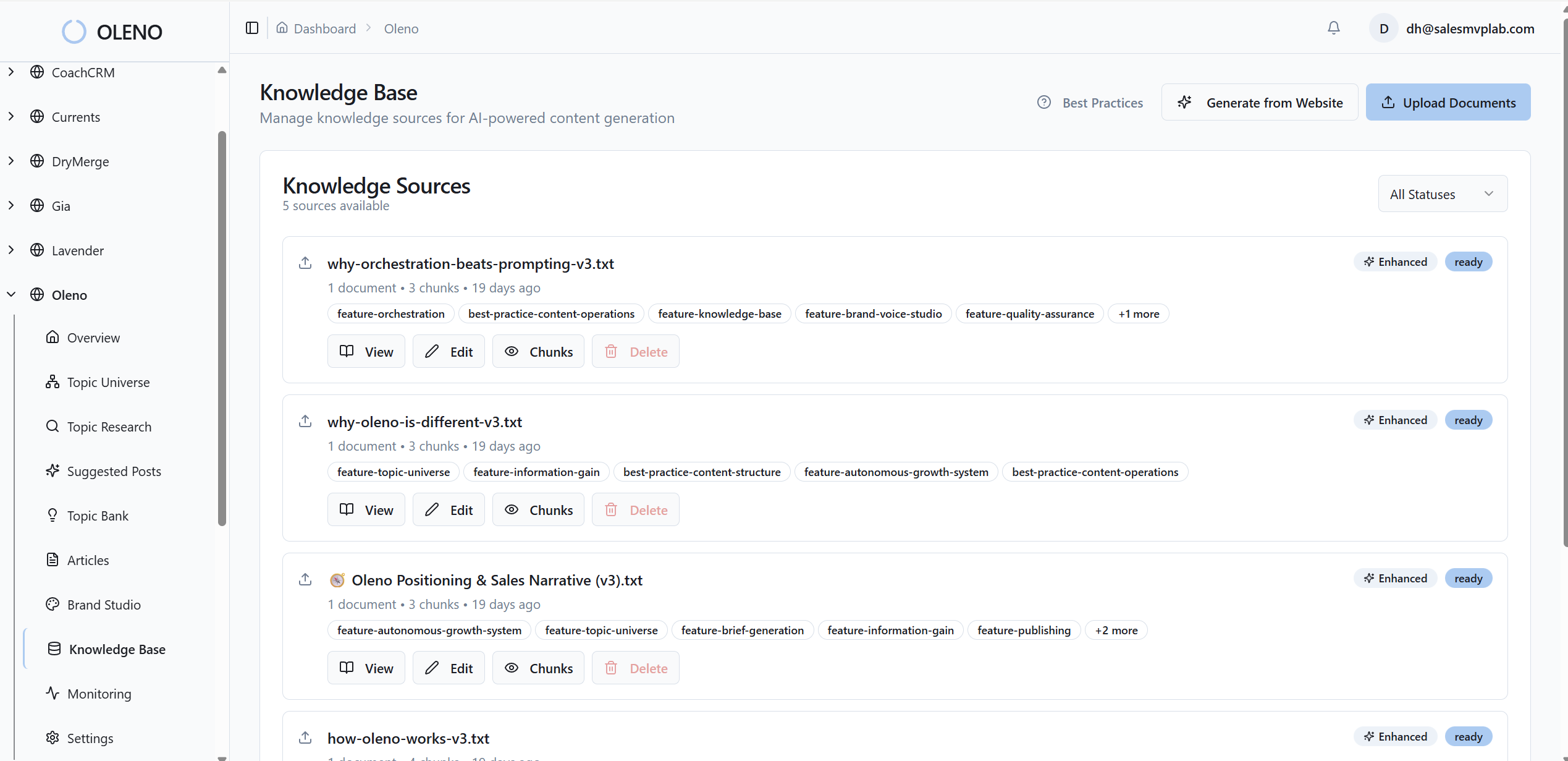
This is governance in practice, not in theory. Writers and translators see the rules in context while they work. They aren’t guessing, and you aren’t re-litigating the same decisions each cycle. That’s where speed comes from.
Over time, this consistency compounds. Your brand sounds like itself everywhere, not like five versions of itself.
QA gates and narrative checks before publish
Nothing ships in Oleno until it passes voice, clarity, accuracy, and narrative structure checks. If a draft fails, Oleno revises it against the rules until it meets the bar. These QA gates catch tone drift and risky phrasing early, so you don’t discover them in the wild or during a last-minute legal sprint.
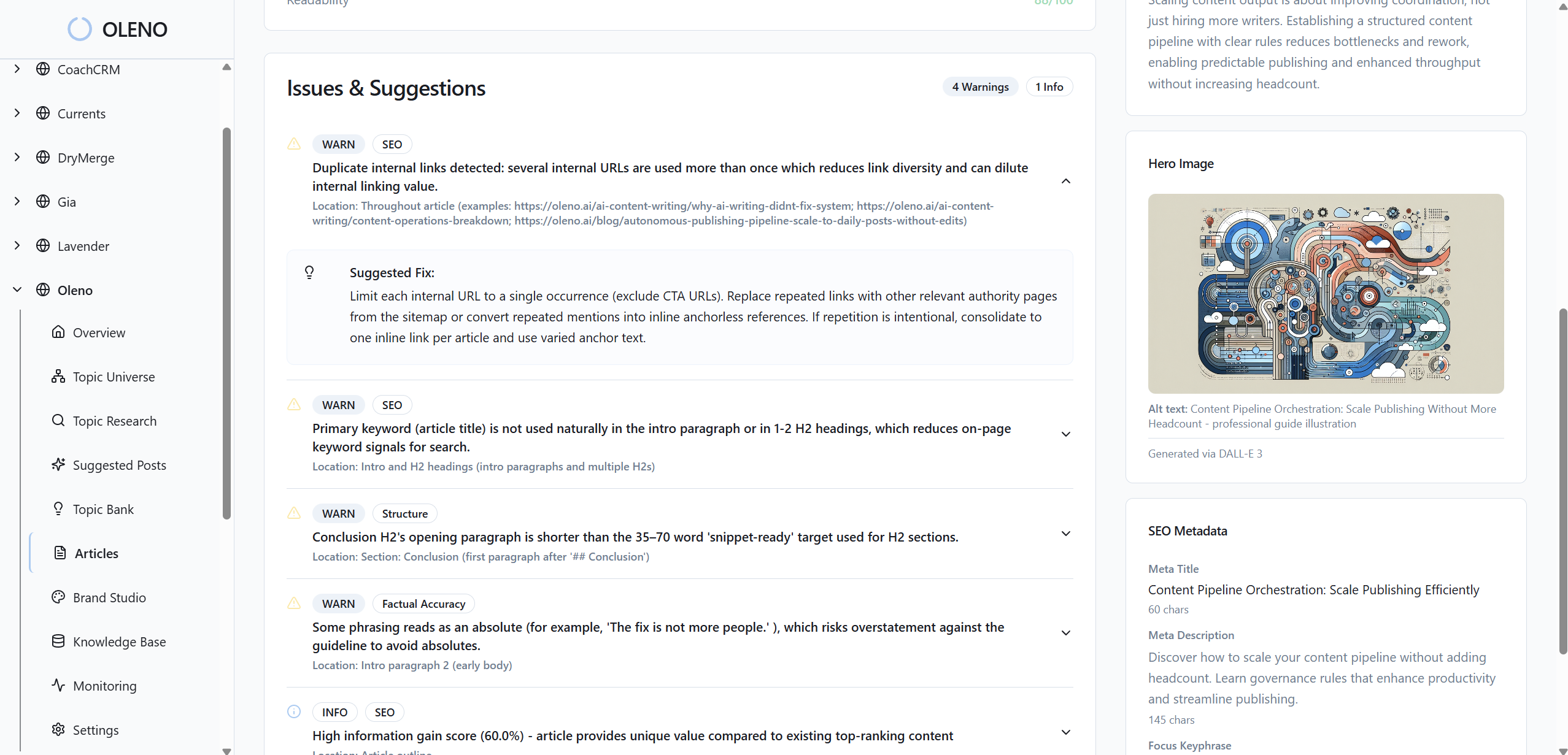
Quality enforcement replaces ad-hoc approvals. Editors focus on real edge cases rather than line-editing tone. Launch dates stop slipping because review became predictable. The entire pipeline benefits from a known quality floor.
You end up with fewer reversals, fewer “quick fixes,” and a steadier cadence.
Knowledge base grounding ties content to product truth
Oleno grounds generation in your governed knowledge base, not memory. Product facts, use cases, and approved language anchor every draft, which lowers the risk of claim inflation in translation. Regional content stays tied to what’s actually true about your product, not what sounds good in the moment.
This matters most when markets adapt examples or benefits. The system pulls from the same truth, so local teams don’t drift into overstated or ambiguous language. It’s guardrails without heavy process.
Accuracy and voice work together here. You want both.
Deterministic pipelines maintain speed and consistency
Oleno runs a predictable path from brief to publish with governance and QA applied at each stage. Discover, Angle, Brief, Draft, QA, Enhance, Visuals, Publish. The steps don’t change, the rules don’t get lost, and the cadence holds even when launches pile up or people get pulled into other work.
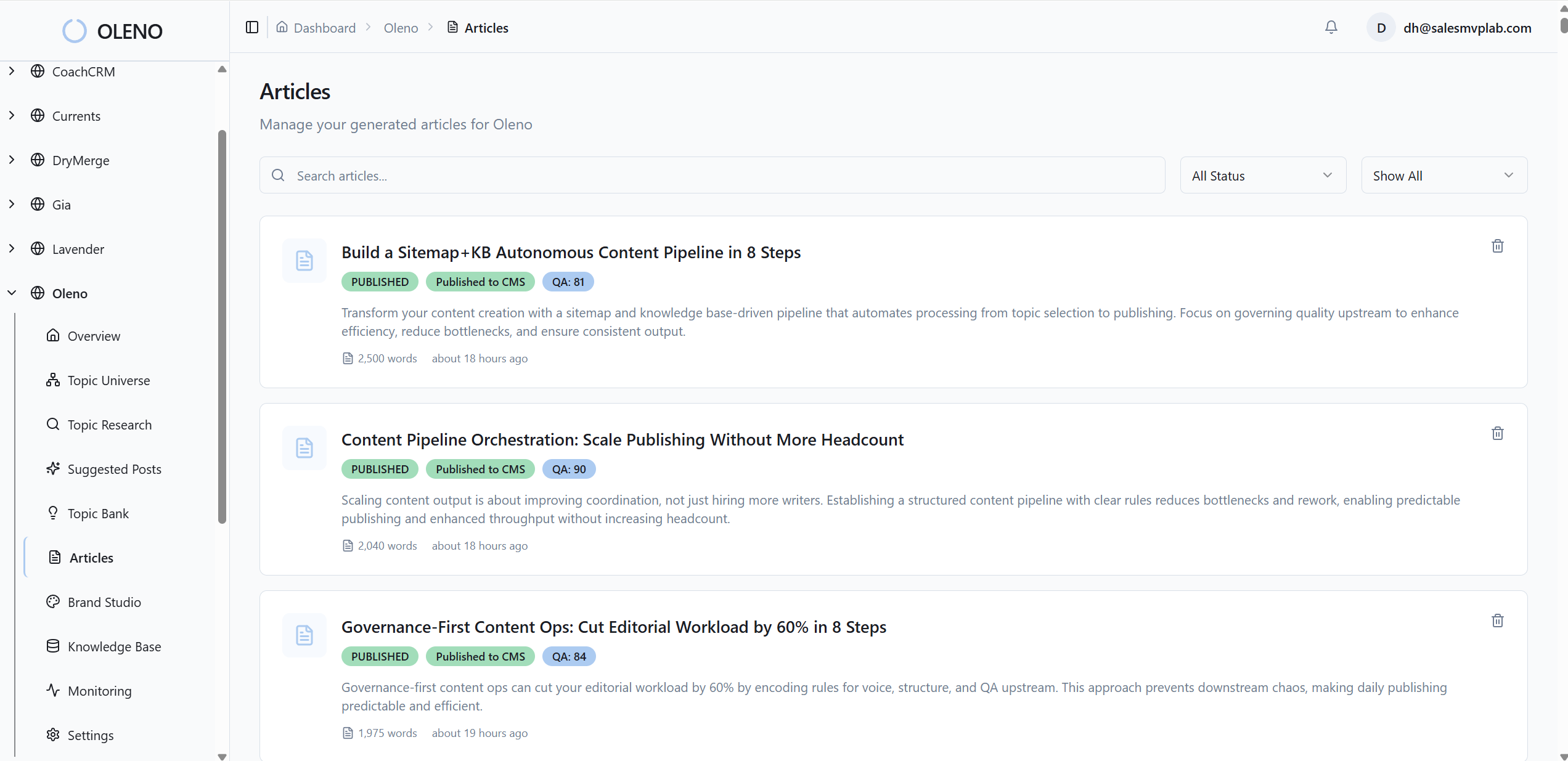
This is where small teams get leverage. You set the rules once, Oleno runs the work daily. Localization doesn’t become a special project, it becomes part of the system. Less coordination, less rework, more shipping.
Ready to preserve voice without slowing releases? See the governed workflow end to end. Request A Demo.
Conclusion
Literal translation is easy. Preserving brand voice across markets without killing speed takes better rules and a system that applies them. Decide what locks, codify intent with examples, put the rules in the tools, and keep QA lightweight. When you do this, tone survives context, claims stay safe, and launches stay on schedule.
I’ve pieced this together over years of shipping with small teams. Governance first, execution that doesn’t drift, and quality built into the pipeline. That’s how you keep sounding like you, in every language, while the calendar keeps moving.
About Daniel Hebert
I'm the founder of Oleno, SalesMVP Lab, and yourLumira. Been working in B2B SaaS in both sales and marketing leadership for 13+ years. I specialize in building revenue engines from the ground up. Over the years, I've codified writing frameworks, which are now powering Oleno.
Frequently Asked Questions