Oleno vs Surfer: Complete Comparison Guide

If you’re comparing Oleno vs Surfer, you’re probably not asking “which tool can generate words.” You’re asking something more practical: which one helps us ship consistently, without constant back-and-forth, score-chasing, and frustrating rework. That’s the lens I’ll use here, because it’s the lens most small B2B teams end up living in.
Oleno vs Surfer at a Glance: Which One Keeps You Publishing, Not Just Scoring?
Oleno tends to be the better fit when your bottleneck is consistent execution, not knowing what a “good SEO article” looks like. Surfer tends to be the better fit when you already have writers and you want tighter on-page alignment with what’s ranking in the SERPs. Put simply, this is publishing cadence versus optimization workflow.

| Criteria | Oleno | Surfer |
|---|---|---|
| Core approach | Governance-first system for consistent demand-gen content across the funnel | Data-driven on-page optimization with AI drafting and SERP analysis |
| Primary goal | Keep a small team shipping opinionated, consistent content on a steady cadence | Improve content’s on-page relevance and structure to match ranking pages |
| Governance & brand rules | Define voice, rules, allowed claims, and POV once; rules apply everywhere | Editor guidelines and scoring; governance depends on team process |
| Workflow model | Deterministic pipeline: Discover → Angle → Structure → Create → Validate → Publish | Edit-in-editor with live scores; research via SERP Analyzer and Planner (How to Use Surfer SEO) |
| Starting price | from $449/mo | $79/month billed annually (plan-dependent) (Surfer Pricing) |
| Best for | Small marketing teams prioritizing brand consistency and steady publishing | Writers and SEO teams optimizing drafts to align with SERP patterns (EntreResource Surfer Review) |
Who This Guide Is For
This guide is for B2B teams who publish for pipeline, not just traffic. You might be a head of marketing with one content person, or a founder still writing (or dictating) most of the narrative yourself. If your biggest pain is “we have ideas but we can’t ship,” you’re in the right place.
You might also be the opposite: you already ship, but rankings plateau, and you want a tighter on-page workflow. That’s where Surfer usually shows up.
Key Takeaways:
- Surfer is usually strongest when you want SERP-driven optimization and a live content score inside an editor (EntreResource Surfer Review).
- Oleno is usually strongest when you need a repeatable system to keep publishing consistently with brand and claim rules baked in.
- Pricing starts around $79/month annually for Surfer (Surfer Pricing) and from $449/mo for Oleno, but the real cost is time and coordination.
- If your team keeps rewriting the same things (voice, POV, “don’t say that”), governance-first workflows tend to reduce rework.
Why This Comparison Matters Right Now
This comparison matters because SEO teams are getting pulled in two directions: write faster, and also be more precise. Tools like Surfer help you optimize pages to match what’s already ranking, while systems like Oleno focus on keeping a small team shipping consistent demand-gen content across the funnel. If you pick the wrong one, you’ll feel it in throughput and rework.

Market Context: SEO Scores vs Steady Publishing
Surfer popularized a very specific workflow: research what’s ranking, draft in an editor, and aim for a score. That’s not a bad thing. It’s a helpful constraint, especially when you’re training writers or standardizing an SEO process across multiple contributors.
But a score is not a strategy.
Back in 2012 to 2016, I ran a website called Steamfeed. We peaked around 120k unique visitors a month. The reason wasn’t some secret optimization trick. It was volume plus quality, over a long time. We hit traffic spikes at 500 pages, then 1,000, then 2,500, 5,000, 10,000. Most pages got less than 100 views a month, but the compound effect was real because we covered depth and breadth.
That experience changes how you evaluate tools. You stop asking “can this help one article rank” and start asking “can this help us publish 50, 200, 500 articles without the wheels falling off.”
What To Evaluate Beyond Keyword Lists
A lot of teams evaluate SEO tools like they’re buying a calculator. Features. Scores. Reports. It feels objective.
The actual day-to-day is messy.
Here’s what usually matters more than people admit:
- Can you keep a cadence without heroic effort?
- Can you enforce a POV and brand voice without rewriting every draft?
- Can you stop publishing content that’s detached from the product narrative?
I saw this up close at Proposify. Content ranked incredibly well. Great writing, lots of personality, beautiful visuals. But some topics were miles away from the product. We helped sales teams send proposals and get e-signatures, yet we’d rank for things like managing SDR teams. Traffic came in, but it didn’t always connect back to why someone should care about the product. That’s a demand-gen problem, not an SEO scoring problem.
The Hidden Time Tax of Coordination and Rework
The expensive part of content isn’t the first draft. It’s everything that happens after.
Let’s pretend you’re a team of three. One marketer, a product person, and maybe a founder who reviews everything. You use a content editor workflow.
- Writer drafts.
- Editor asks for changes to match the score.
- Founder says it doesn’t sound like you.
- Product flags a claim that’s not quite right.
- Someone rewrites the intro three times.
That loop is a headache. It also destroys cadence.
And here’s the nuance: Surfer isn’t “causing” that. It’s just not designed to solve it. Surfer is primarily an optimization workflow (Content Editor, SERP Analyzer, Planner) built around helping you align content with ranking patterns (How to Use Surfer SEO). The governance layer still has to come from your team.
Surfer SEO Deep Dive
Surfer is usually a strong choice if your goal is to optimize content against SERP patterns using a live editor workflow. It’s built around researching ranking pages and translating that into on-page guidance like term usage, headings, and length. In practice, teams use it to tighten drafts and reduce “SEO guesswork” during writing (EntreResource Surfer Review).
Key Strengths
Surfer’s strongest value is that it gives you a clear, repeatable optimization loop. You don’t have to rely on one SEO person’s instincts. You can put a writer in the Content Editor and they’ll see the structure cues and optimization targets right there in the workflow (EntreResource Surfer Review).
Another real strength is that Surfer is not just “write a blog post.” It’s research and planning too. The SERP Analyzer and Planner are commonly used to understand what the current top pages are doing, then translate those patterns into content briefs or structures (How to Use Surfer SEO).
Surfer has also been leaning into AI search visibility and related capabilities over time, including AI Tracker and what they describe as coverage-related features in product updates (Surfer January 2025 Update). Whether those matter for you depends on how much you’re betting on AI answer engines as a traffic source.
Key strengths tend to look like this:
- Live Content Editor scoring and optimization workflow (EntreResource Surfer Review)
- SERP research features like SERP Analyzer and Planner (How to Use Surfer SEO)
- Product direction that includes AI Tracker and AI search visibility focus (Surfer January 2025 Update)
One interjection. If your team already writes well, Surfer can feel like a power tool.
Key Limitations
Surfer can become a “score chase” if you don’t have strong editorial leadership. The editor gives guidance, but it doesn’t decide what your company should sound like. If you let the optimization targets override judgment, you can end up with content that feels constrained, or a little too “same-y” across pages. That’s not a Surfer flaw as much as a workflow risk.
Another limitation is that Surfer mostly lives inside the optimize loop. Research, draft, score, revise. It doesn’t replace coordination across stakeholders. So if your pain is “we can’t get content out the door,” Surfer might make drafts more SEO-aligned, but it won’t necessarily cut the review cycles.
Also, pricing can become a factor as needs grow. Surfer’s pricing starts around $79/month billed annually, depending on plan, and plan inclusions can vary (Surfer Pricing). If you’re scaling usage, you’ll want to sanity check how that maps to your team’s publishing goals and seat needs.
Common limitations teams run into:
- Over-reliance on scoring can steer writing decisions if you don’t have governance and POV locked in (EntreResource Surfer Review)
- Still requires a team process for voice, claims, approvals, and shipping cadence
- Pricing may feel less friendly as you move beyond solo usage and need higher tiers (Surfer Pricing)
Pricing And Value Analysis
Surfer’s baseline price is listed from around $79/month when billed annually, with plan names and inclusions varying, so you should confirm what’s included for your use case (Surfer Pricing). On pure dollars, it’s in the “serious tool, not a toy” range, but still accessible for many teams.
The bigger question is value per hour saved.
If you already have writers producing content, Surfer can tighten the on-page optimization step and reduce SEO back-and-forth. It’s a good trade when your bottleneck is “we don’t know what Google expects” or “writers keep missing basic on-page structure.” The moment your bottleneck becomes stakeholder review, product accuracy, and brand voice consistency, the value calculation shifts.
How Oleno is Different: Surfer is built around in-editor optimization and SERP-driven guidance (How to Use Surfer SEO), which works well when you already have a strong writing process. Oleno starts by defining voice, POV, and quality rules up front, then runs a deterministic pipeline (Discover → Angle → Structure → Create → Validate → Publish) so you spend less time coordinating and rewriting.
Oleno Deep Dive
Oleno is typically the better fit when the real constraint is execution consistency, not generating drafts. It’s built as demand-generation execution software, with a governance layer (voice, POV, quality and safety rules) and an operational layer (deterministic pipelines, QA gates, publishing control, predictable cadence). In other words, it’s designed to keep work moving from idea to publish, without constant manual stitching.
Key Strengths
Oleno’s strength is the system, not a single feature. You define what “good” looks like once, then you run jobs that produce structured outputs tied to demand-gen needs (acquisition, education, comparison, product-led explanation, customer proof and reinforcement). That matters because most small teams don’t fail on creativity, they fail on coordination.
I’ve lived the “small team content chaos” thing more than once. At LevelJump, we were a team of three. CEO, VP Product, and me. I had to do marketing and sales and a bunch of other stuff. I didn’t have time to write. We tried the obvious hack: record videos with the CEO, transcribe them, ship posts faster. It helped with speed, but it missed the structure SEO needs, and we didn’t have a solid way to find topics with real search intent.
That’s basically what Oleno is built to fix. Not “write me an article.” It’s: decide what to say, decide how to say it, enforce rules, ship on cadence.
A few specific strengths, based on how it’s built:
- Governance layer to define market positioning, product POV, narrative frameworks, brand voice, and quality and safety rules once
- Job execution layer for demand-gen jobs across the funnel (acquisition, education, comparison, product-led explanation, customer proof)
- Operational layer with deterministic pipelines, QA gates, publishing control, visibility into what’s running, and predictable cadence
The other big one is grounding. Oleno writes from your proprietary knowledge base so content stays factually accurate and on-brand. That’s a practical response to a real problem: AI drafts that sound confident and are subtly wrong.
Known Trade-Offs
Oleno’s approach is structured. That’s the point. If your team loves improvisational, blank-page writing, or you want to tweak every paragraph manually, you may feel constrained at first.
It also relies heavily on the quality of your knowledge base. If your internal docs are thin, outdated, or full of contradictions, you’re going to surface that problem quickly. I don’t see that as a negative, but it is a trade-off. The system can’t manufacture product truth.
And one more: Oleno is not positioned as an analytics suite. If your buying criteria is “I want one tool to do everything including reporting,” you’ll likely still pair it with whatever measurement stack you already use.
Pricing And Value Analysis
Oleno starts at from $449/mo (SEO + Social). The more useful way to think about the cost is what it replaces.
Before AI, scaling content meant hiring lots of freelance writers, an agency, or building a big internal team. That also meant coordination cost. Briefs, edits, rewrites, approvals, publishing steps. Now, one strategic writer can produce what an entire agency could at a higher quality for less than 10% of the cost. That’s not a guarantee for every team, but it’s a real shift in the economics if you have structure and rules.
The value tends to show up when:
- You’re a small team and shipping cadence is the goal
- You need consistent POV and claims across a growing volume of content
- You’re tired of prompt tinkering and “rewrite this in our voice” loops
Why Choose Oleno for Demand-Gen Content
You choose Oleno when you want a demand-gen system that runs end to end, not a tool that improves one step. It’s built around three layers (governance, job execution, operational) so voice, POV, and quality rules stay consistent while output keeps shipping. The practical difference is less coordination overhead and fewer cycles of “fix the structure, fix the claim, fix the voice” in every draft.
Before we get into the decision checklist, here’s the comprehensive comparison grid so you can see the trade-offs in one place.
| Attribute | Oleno | Surfer | Notes |
|---|---|---|---|
| Brand voice and writing rules | Define tone, preferred terms, words to avoid, CTA rules, structure | Content Editor guidance and suggestions (Surfer Content Editor) | Oleno enforces brand rules by design; Surfer guides optimization in-editor |
| Positioning & market POV | Set key messages, category framing, and the point of view | Topic research and SERP-driven structure (How to Use Surfer SEO) | Oleno encodes your POV so output is opinionated, not generic |
| Execution pipeline | Discover → Angle → Structure → Create → Validate → Publish | Research → Draft/Optimize → Score → Revise (EntreResource Surfer Review) | Oleno emphasizes deterministic flow; Surfer emphasizes real-time scoring |
| Consistency at scale | Rules apply everywhere automatically | Team process-dependent | Helps reduce drift as output volume grows |
| Cadence and coordination | Keeps shipping; doesn’t depend on constant coordination | Manual planning and scheduling | Useful where small teams juggle multiple responsibilities |
| On-page optimization | Validate step checks against defined rules | Live content score, terms, headings, length guidance (How to Use Surfer SEO) | Surfer shines for score-based optimization |
| SERP analysis | Not a core focus | SERP Analyzer, Planner, Audit (How to Use Surfer SEO) | Surfer’s strength for ranking-page pattern insights |
| AI search visibility features | Not a core focus | AI Tracker, coverage-related features (varies by plan) (Surfer January 2025 Update) | Per Surfer updates; confirm plan details |
| Content types | Demand-gen jobs across the funnel (acquire, educate, compare, product-led explanation, customer proof) | SEO-focused articles and optimized pages (Surfer Content Editor) | Different emphasis: funnel programs vs SERP alignment |
| Governance scope | Voice, claims, product truths, visuals | Optimization guidance | Prevents off-brand or unapproved claims |
| Team fit | Small teams that need consistency without adding more headcount | Writers and SEO specialists optimizing for SERPs | Choose based on workflow preference |
| Starting price | from $449/mo | $79/month billed annually (Surfer Pricing) | Check current pricing pages for plan inclusions |
If you want to see how a governance-first pipeline would behave on your own topics, you can Request a demo now. It’s the fastest way to make the comparison real.
Core Differentiators That Emerged In Testing
The core difference is that Surfer is optimized for improving a draft, while Oleno is optimized for running a system.
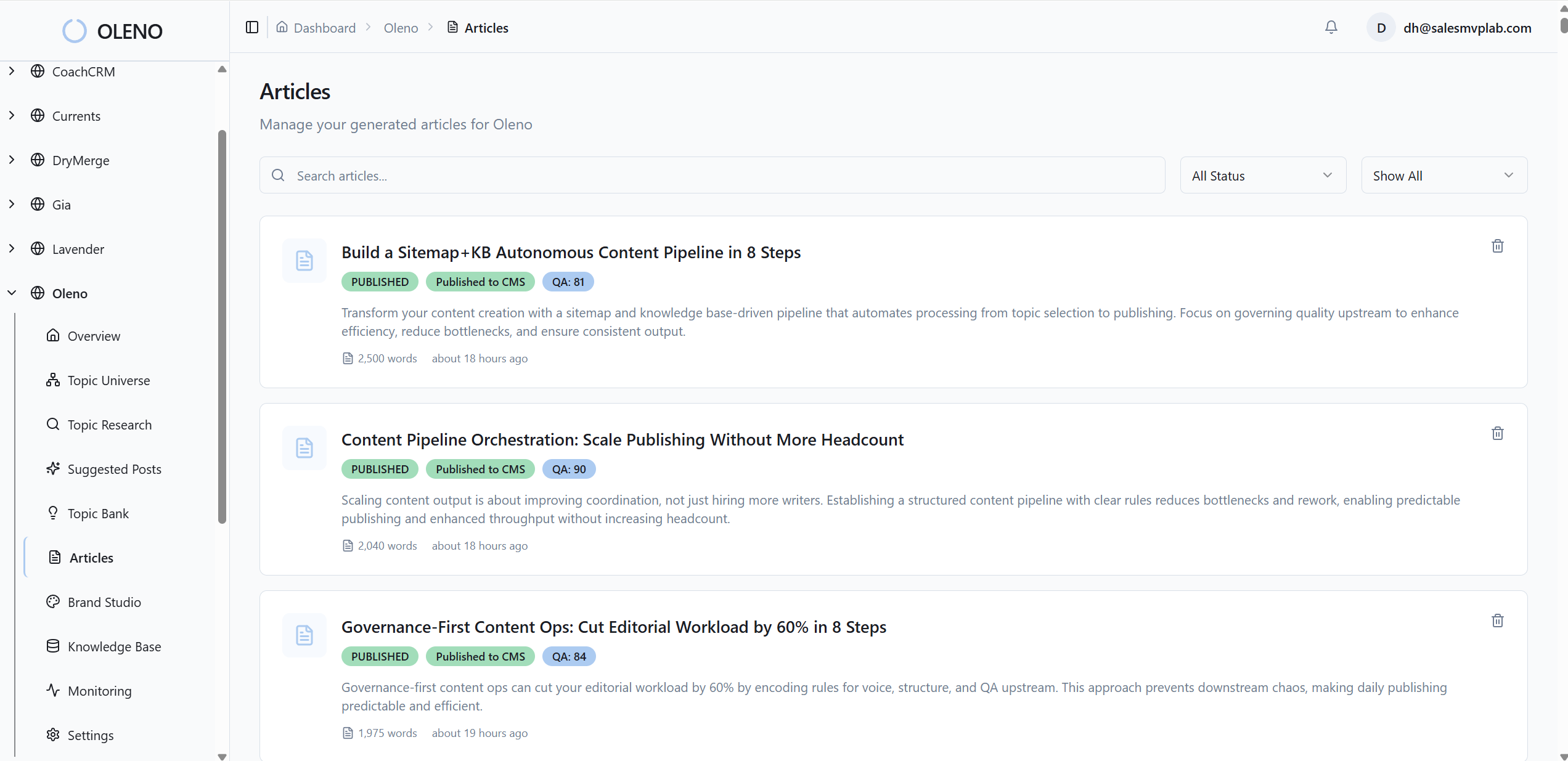
Surfer does a good job of making SEO requirements legible to writers. Live scoring, term guidance, headings, content length, SERP analysis, planning, that whole loop is clear in their workflow explanations (How to Use Surfer SEO). If you’re in a team where the writer says “just tell me what to do,” Surfer can reduce confusion.
Oleno, on the other hand, is built around the stuff that usually breaks at scale:
- You define narrative, voice, product knowledge, and rules once.
- You select the demand-gen jobs you want to run.
- The system executes through deterministic pipelines with QA gates and publishing control.
That “define once, enforce everywhere” approach changes the rework dynamic. Instead of reviewing every draft for the same issues, you push those rules into the system.
And I’ll be honest, this is where my bias comes from. At PostBeyond I could crank out 3 to 4 high-quality posts per week as a solo marketer because I had a structured writing framework in my head. As soon as we hired, quality dropped and timelines stretched, because the writer didn’t have all the context I had. The solution wasn’t “try harder.” It was structure and rules.
Getting Started And Fit Checklist
Oleno tends to be a fit when you want demand-gen output that compounds, and you don’t want the process to reset every quarter. Surfer tends to be a fit when you want to train and standardize on-page SEO optimization with a clear scoring mechanism.
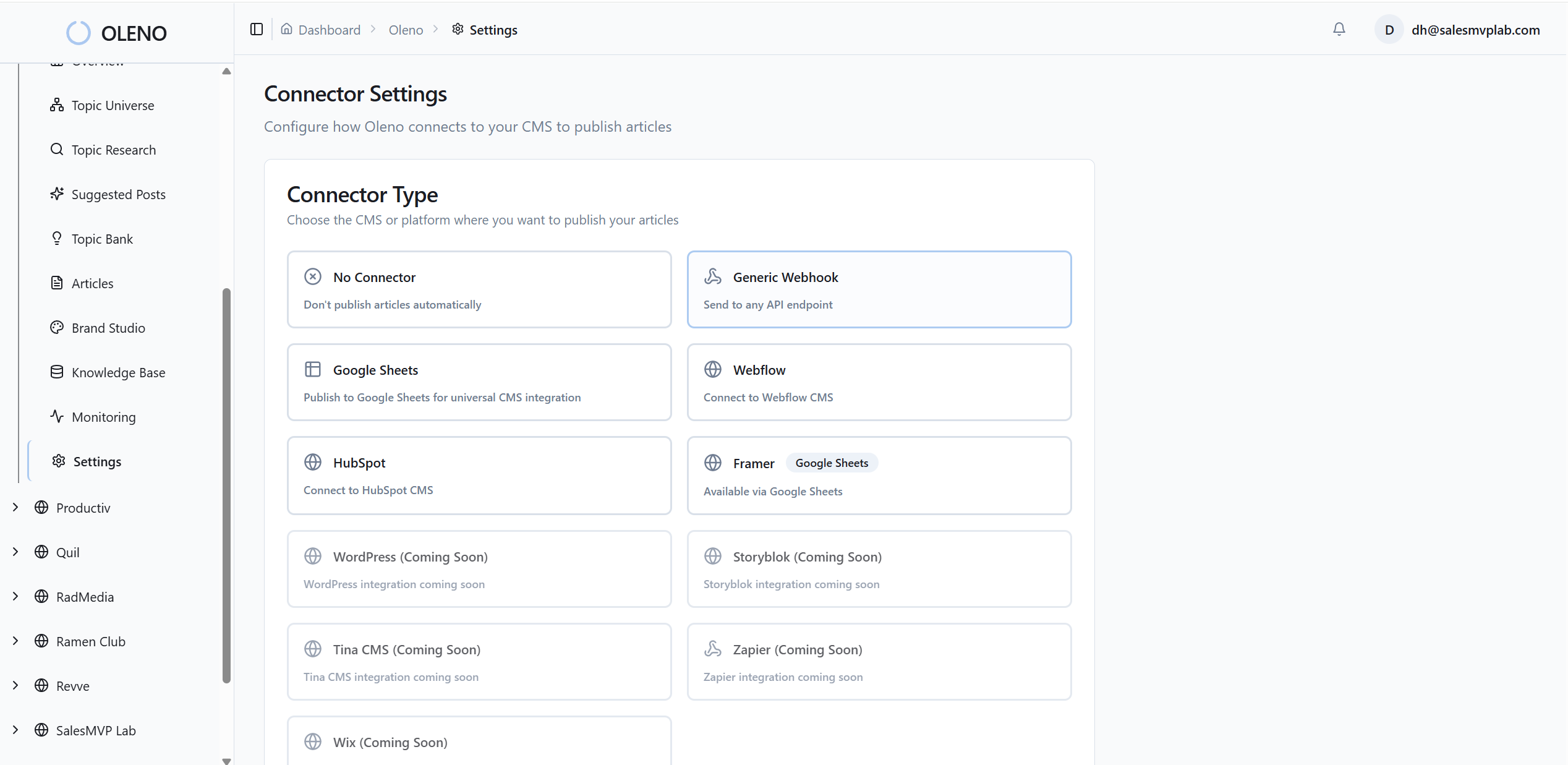
Here’s a practical fit checklist you can use:
You’ll usually lean Surfer if:
- You have writers, but on-page SEO is inconsistent
- You want SERP analysis and content scoring as the center of your workflow (EntreResource Surfer Review)
- You’re optimizing existing content and want structured guidance (How to Use Surfer SEO)
You’ll usually lean Oleno if:
- Your biggest bottleneck is “we can’t keep publishing consistently”
- Brand voice, claims, and POV drift is causing constant rewrites
- You want a system that runs demand-gen jobs across the funnel, not only SEO blog posts
If you’re in the middle, that’s common. A lot of teams are. In that case, I’d decide based on the most expensive constraint in your process right now. Not the one that’s easiest to measure.
Conclusion: Choosing Between An Optimization Tool And A Publishing System
Surfer is a solid choice when you want SERP-driven optimization, a live Content Editor workflow, and structured guidance to improve on-page relevance (How to Use Surfer SEO). Oleno is a strong choice when your bigger issue is end-to-end execution: consistent voice, consistent POV, fewer review loops, and a predictable publishing cadence that compounds over time.
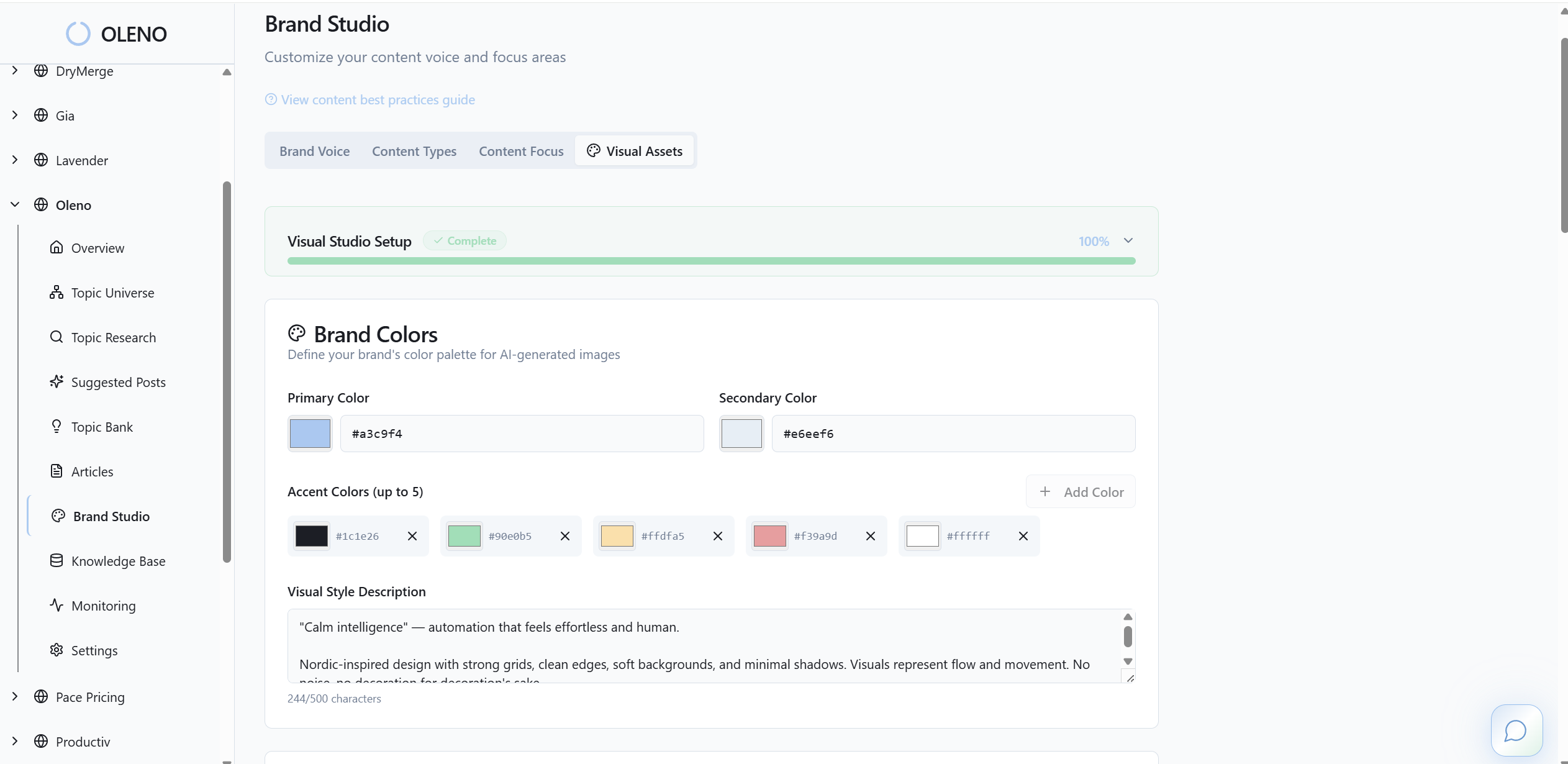
If you’re evaluating for a small team, I’d keep it simple. Ask one question: where do we lose most of our time, optimizing drafts or coordinating everything around them?
Ready to test the difference in your own workflow? You can try using an autonomous content engine for always-on publishing. or, if you just want to get hands-on quickly, Request a demo.
At the end of the day, you don’t need more tools that create activity. You need a system that ships.
About Daniel Hebert
I'm the founder of Oleno, SalesMVP Lab, and yourLumira. Been working in B2B SaaS in both sales and marketing leadership for 13+ years. I specialize in building revenue engines from the ground up. Over the years, I've codified writing frameworks, which are now powering Oleno.
Frequently Asked Questions