Original Research Playbook: Create Benchmarks That Win Press & Links

Most thought leadership gets a quick skim, a polite nod, then fades. Benchmarks do the opposite. An original research playbook gives small teams a way to publish defensible data on a steady beat, earn real links and press, and watch authority climb. I’ve run both paths. The data path wins, every time.
You do not need a giant budget to make it work. You need a clear question, clean inputs, a repeatable method, and a distribution cadence that never stalls. If you nail those, the work compounds month after month. And if you miss them, you burn time, lose trust, and wonder why pitches fall flat.
Key Takeaways:
- Pick a question tied to your category narrative, then lock definitions before you collect a single row of data
- Keep inputs clean, sample transparent, and methods reproducible to avoid credibility gaps that kill coverage
- Plan distribution on day one, not launch day, so partners, PR, and sales are ready to amplify
- Turn one dataset into many assets, then refresh on a reliable drumbeat to keep earning links
- Track a simple KPI set, backlinks and press mentions and organic lift, with a clear refresh cadence
Why the Original Research Playbook Beats Opinion Content
Opinion posts fade because they rely on persuasion. Benchmarks stick because they rely on evidence that others can cite. Editors, analysts, and peers reward transparent methods, reproducible queries, and public sources, which is why a repeatable playbook outperforms hot takes for links, press, and lasting authority.
The authority gap your competitors are missing
Most companies chase thought leadership through opinion. It feels fun, it feels fast, and it sometimes lands. The problem is it rarely earns citations from people who stake their reputation on facts. Reporters and curators look for confidence signals, not vibes, and they can smell weak data or fuzzy claims. I learned that the hard way earlier in my career and corrected fast.
Credibility shows up in small details. Clear definitions, consistent sampling, and transparent methods that others can check. When your study includes a downloadable CSV and a plain-language methodology, you lower the risk for the person quoting you. That is why the same brand keeps getting picked up again and again, while a louder brand gets ignored. Evidence beats charisma in the long run.
What editors trust most is simple: a real number with context and a clear path to reproduction. If you can show the exact query you ran or reference a public source, your quote moves from “interesting” to “usable.” The return is compounding. One study earns a few links. A quarterly rhythm earns dozens, then press, then inbound references from other researchers.
- Credibility signals that win pickup:
- Transparent methods and reproducible queries
- Public sources or auditable surveys
- Downloadable data with clear definitions
What publishers actually say yes to
Publishers say yes to fresh data with a clear arc, tied to a timely beat they already cover. They say no to vague surveys with leading questions and soft claims that fall apart under light scrutiny. If you want a higher acceptance rate, align your angle with how they frame stories, not how you pitch products.
I like to study editorial patterns before writing the brief. Which metrics do they quote? What timeframes do they reference? Where are they skeptical? Reports like the Muck Rack State of Journalism and the Cision State of the Media Report make this obvious. You will see it in the questions they ask and the formats they prefer.
Give them counterintuitive findings with guardrails. Lead with one stat, clarify the boundary conditions, then explain why it matters for their beat. Keep charts clean. Add one quote they can lift. The less work you make for an editor, the more likely your study gets used.
- Publisher-friendly framing patterns:
- One stat, one implication, one quote
- Timely angles connected to ongoing coverage
- Charts that are legible at a glance
The Hidden Reason Most Benchmarks Fail to Earn Authority
Benchmarks fail because inputs are messy and distribution is an afterthought. Small sins in sampling, definitions, and wording create noisy data that editors will not touch. Then teams launch with no partner plan or outreach rhythm, so the study fades before it finds an audience.
Flawed inputs, flawed outcomes
Bad inputs ruin good intentions. Tiny, biased samples, vague questions, and muddy definitions make results that look impressive in a deck and collapse in the wild. If you would not bet a paycheck on the number, do not pitch it to a reporter who bets their reputation on accuracy.
A fast diagnostic helps. Is the sample large enough for the claim? Are the questions neutral, not leading? Do definitions stay consistent across cuts? If you are doing survey work, use plain language, limit the length, and pilot with a small group. Method basics are not glamorous, but they save you from angry replies and public corrections. The trust you protect today earns you pickups later.
Start with transparency. Publish your methodology in simple terms, list your sample size, share the exact timeframe, and define each metric in one sentence. When in doubt, borrow from established standards. Guides from the Pew Research Center methodology team are gold for sanity checks.
- Quick input checklist:
- Neutral question wording and consistent definitions
- Adequate sample size for the claim you want to make
- Timeframe and source labeled on every chart
Distribution is an afterthought
Strong studies still disappear when distribution shows up late. You need a plan before you collect data, not after you hit publish. Partners, PR, sales, and social should know the angle and the date, so they can carry the story the moment it lands. Otherwise you waste the peak attention window.
I like to write the outreach one-pager while designing the brief. Headlines, 3 key stats, the main chart, and a quote from an internal expert. Then I map a short list of partner brands or creators who benefit from sharing the data. If they are baked into the method or the angle, they are far more likely to amplify. It is hard to ignore a stat that proves your audience right.
Treat distribution like part of the method. Plan the announcement date, embargoes if needed, which channels get which assets, and who follows up with which lists. Folding this into the brief prevents last-minute flailing that kills momentum.
- Distribution essentials to lock early:
- Angle and headlines, mapped to target outlets
- Partner shortlist with clear benefit to amplify
- Asset pack for PR, sales, and social teams
The Cost of Skipping an Original Research Playbook
Skipping a research playbook wastes hours and money, then stalls authority growth. Opinion-only content has low acceptance rates, weak link velocity, and high rewrite costs, which drags pipeline and makes leadership question spend. A playbook converts that chaos into a steady engine for links and mentions.
The measurable downside of guesswork
Guesswork looks busy but rarely moves the metrics that matter. You can crank out posts and still fail to earn citations, which means you miss the compounding effect of backlinks and press. That is the real cost. Not just the content budget. The missed authority you could have banked.
Translate it to numbers. If your team spends 30 hours on a piece that earns zero links and no notable mentions, that is pure waste. Multiply that across a quarter, and you are staring at dozens of hours lost, plus a pipeline gap that sales will feel later. Editors ignore you once, then twice, then instinct sets in. Your pitches go to archive.
A research rhythm flips those odds. Even a modest benchmark with transparent methods can earn a handful of links and a couple of mentions. That small base compounds into more invitations, more quotes, and better cold outreach results. Authority makes everything cheaper.
- Costs you can quantify:
- Hours spent per piece versus links and mentions earned
- Acceptance rate by pitch type
- Link velocity trend over 90 days
Why “one big study per year” is the wrong bet
Annual mega reports feel strategic. They also create long idle periods where your brand disappears from coverage. Most teams over-invest in the one big piece and under-invest in the drumbeat, which is where authority is actually built. Consistency beats spectacle.
I prefer a small, repeatable study released monthly or quarterly. You can still roll up highlights each quarter and publish a strong annual summary, but the cadence keeps you in-market. Reporters remember names they see often. Audiences trust signals they see again and again. You never want to be the brand that shows up once, then vanishes until next year.
The counterintuitive part is that smaller studies often perform better in outreach. One sharp stat with a defined boundary is easier to place than a 60-page omnibus. Your team can produce more, learn faster, and recycle insights into sales enablement and social without burning out.
- Cadence plan that compounds:
- Monthly micro-benchmarks with one crisp angle
- Quarterly rollups for larger narratives
- Annual synthesis anchored in a year of signals
What It Feels Like When Thought Leadership Relies on Gut Feel
Gut-feel thought leadership creates stress and doubt. You chase approvals, ship soft metrics, and send pitches that never land. Morale dips, leadership patience wears thin, and the team starts to question whether content even works. A simple research playbook resets all of that.

The emotional tax on small teams
You know the drill. Last-minute rewrites because a claim feels risky. Endless threads about whether a headline is strong enough. Soft goals that are hard to defend. It is not just the time cost. It is the steady erosion of confidence that hurts the most. I have felt that, and I never want to go back.
Leaders hate vague updates. Teams hate unclear targets. When everyone is guessing, people hold their breath at launch and hope. Hope is not a strategy. A playbook pulls that guesswork out. You define what success looks like, then you watch it show up in dashboards. That alone reduces tension across marketing, PR, and sales.
What changes is the mood in the room. You move from apologizing for misses to walking in with pickups, links, and a chart that shows trend lines moving up and to the right. People lean in again. That confidence spreads.
- Emotional wins that matter:
- Fewer late-night rewrites and approvals
- Clearer targets for PR and content
- Rising momentum that people can feel
How confidence returns with real data
Confidence comes from seeing your claims hold up in the wild. Sales adopts talk tracks pulled straight from your findings. PR follows up with editors using a stat that landed last week. Leadership stops asking if content is working because the mentions and backlinks are visible on screen.
I like to frame it simply. One dataset, many assets, one refresh plan. The team can see the machine working, and the numbers back it up. You do not argue about taste. You look at coverage and links and keep the drumbeat steady. Relief replaces anxiety, and that is priceless.
Once the rhythm clicks, everything else gets easier. Partners say yes faster. Cold outreach warms up. Social posts hit because they carry proof. Your brand voice tightens because you are not stretching to fill space. You are reporting on the market you serve.
- Signals that restore trust:
- Consistent links from relevant domains
- Mentions in outlets your buyers read
- Sales usage of your stats in live deals
Design Your Original Research Playbook, Step by Step
An effective original research playbook picks a durable problem, defines a repeatable signal, collects data cleanly, and packages one dataset into many assets. The whole point is repeatability. Small teams can run this monthly or quarterly without blowing up their week.
Pick a durable problem and a repeatable signal
Start with a problem your market cares about every quarter, not a once-a-year novelty. Choose a signal you can measure without heavy spend, like pricing pages, job postings, release notes, or anonymized product telemetry you already own. I like signals that keep updating on their own so you can rerun with minimal effort.
Write a one-page brief before any data work. Lock the definitions, sample frame, timeframe, and how you will cut the data. Add a short paragraph on the narrative angle and the two or three audiences you need to serve. If you cannot explain your method in plain English, you are not ready to collect. Resist the urge to overcomplicate.
Keep scope tight for version one. You can always add dimensions next cycle. The win is a study you can rerun with the same method so trend lines emerge and trust builds over time. That is what editors, partners, and buyers will anchor on.
- Good signals for small teams:
- Public pages you can scrape or monitor
- Product usage metrics you can anonymize
- Third-party datasets that are stable over time
How do you collect data on a tight budget?
Use public sources, small survey panels, and freemium tools. If you run surveys, cap at 12 questions, pilot with 20 people, and fix confusing wording before scaling. Publish your sample size, your timeframe, and basic margin-of-error notes. Transparency beats bravado every time.
I like practical tools that reduce friction. A sample size calculator helps you avoid over- or under-shooting. Clear codebooks prevent drift in labeling and cuts. Save your queries in a shared doc so re-runs are quick. The goal is simple, governed repeatability. Not a hero project that burns a month.
When in doubt, keep the method conservative and the claims precise. You will earn more trust by saying less with clarity. If you need a quick resource, the SurveyMonkey sample size calculator is handy for planning.
- Define the frame, population, and timeframe in one paragraph
- Pilot the instrument, then fix wording before scaling
- Label everything in a codebook you can hand to a teammate
- Save queries so you can rerun and compare next cycle
Turn raw data into a story editors can use
Lead with three findings, each with one stat, one clean chart, and one implication. Keep visuals simple, label sources, and include a downloadable CSV. Then add a short methodology section in plain language. That is enough to pass the credibility test and make your findings easy to quote.
Write your outreach one-pager like a mini press kit. A headline option for each finding. Two pull quotes. One paragraph on why the trend matters now. Include the embargo or publish date, and give a contact for follow-ups. Reporters and newsletter curators will thank you for doing their job for them.
Think ahead to repurposing. The best studies turn into sales one-pagers, social threads, webinar talking points, and product marketing decks. Plan those derivatives while you write, not after you ship. This is how one dataset fuels a month of content without extra thrash.
- Packaging checklist:
- Three findings with chart and implication
- CSV download and plain-language method
- One-pager with headlines, quotes, and date
Ready to turn this into a reliable engine instead of a one-off? Stop guessing and start compounding with a pilot benchmark. Request a Demo
How Oleno Operationalizes Your Original Research Playbook
Oleno turns your research playbook into an operational system. Governance locks voice, claims, and visuals. Jobs generate briefs and drafts. Operations publish assets, track QA, and measure pickups. What used to require hero work becomes a repeatable workflow small teams can run on schedule.
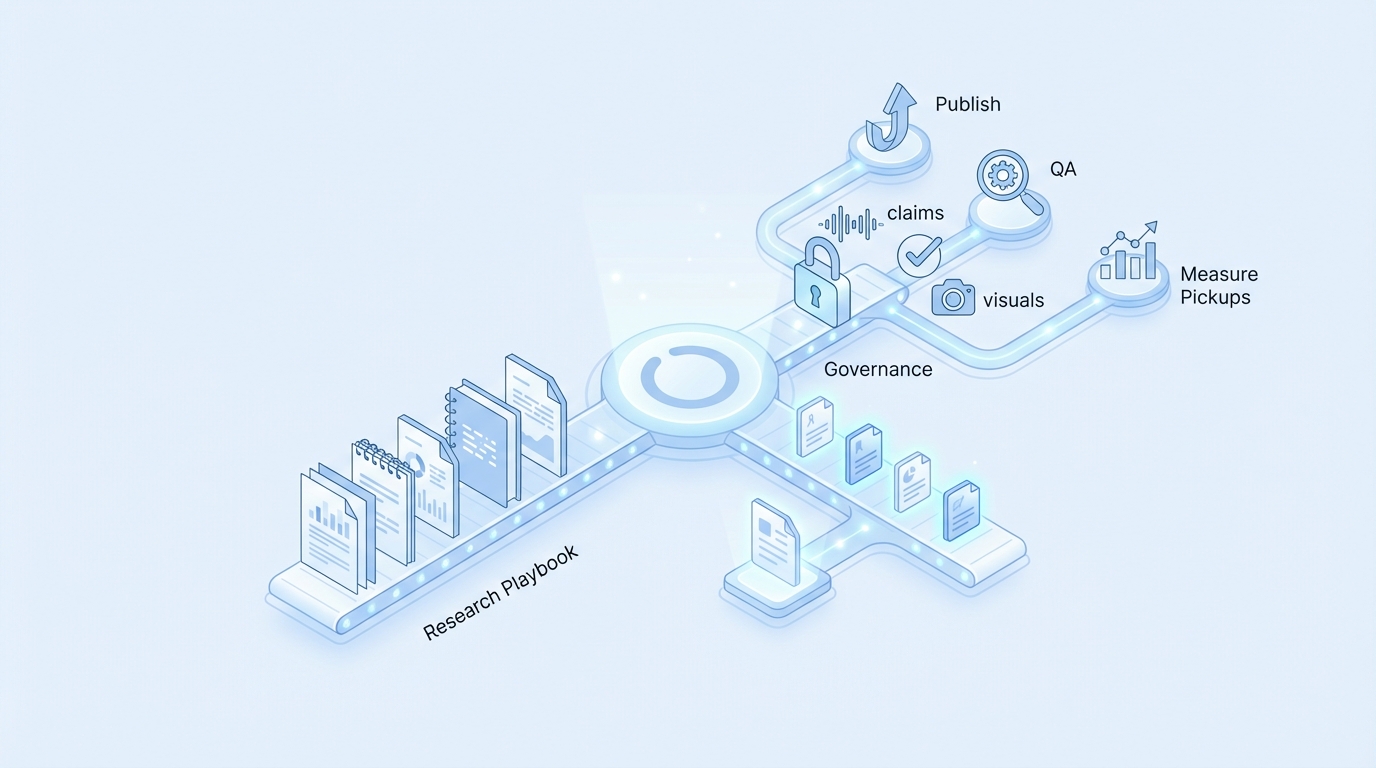
Governance that prevents bad data and off-brand visuals
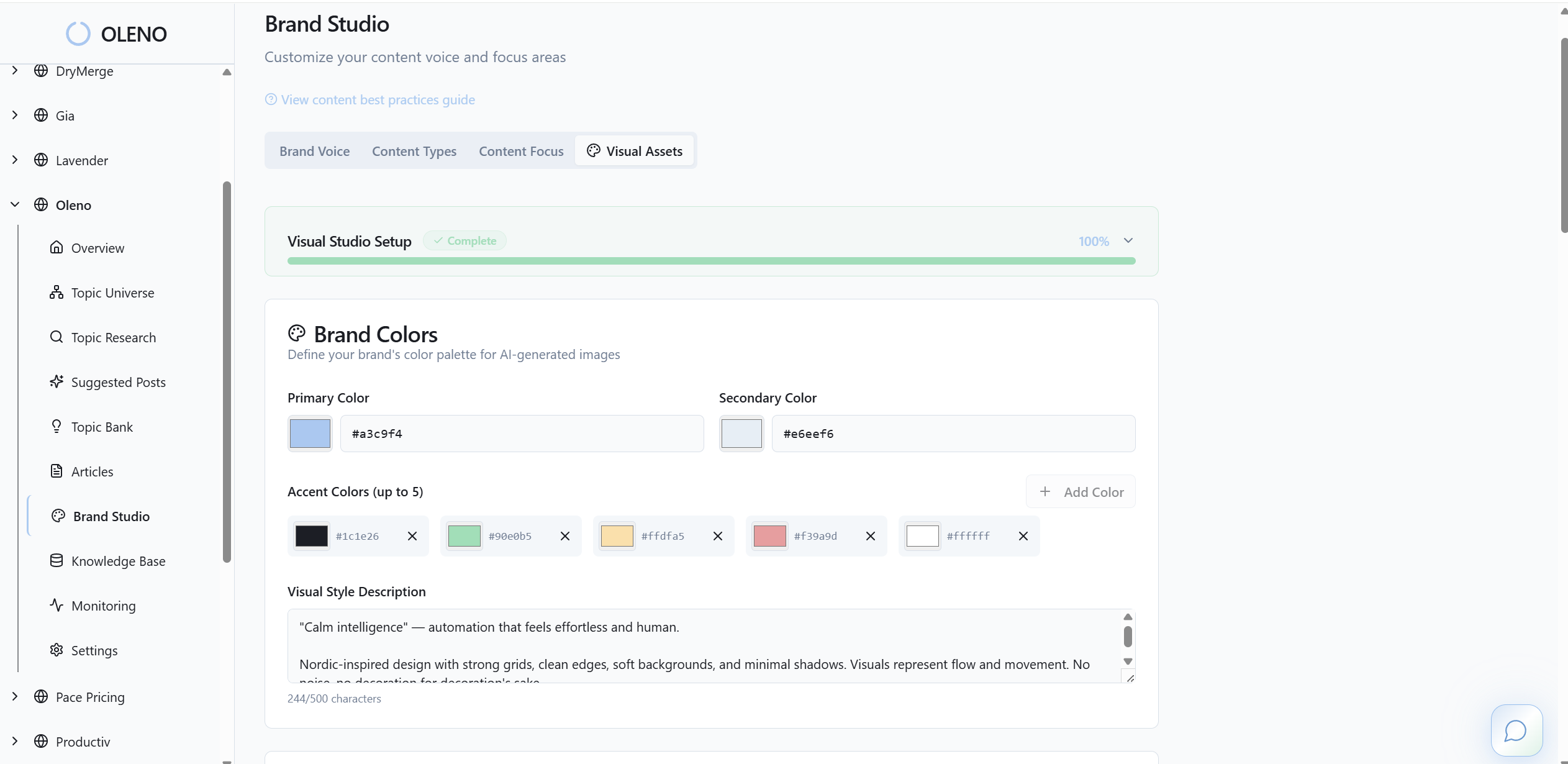
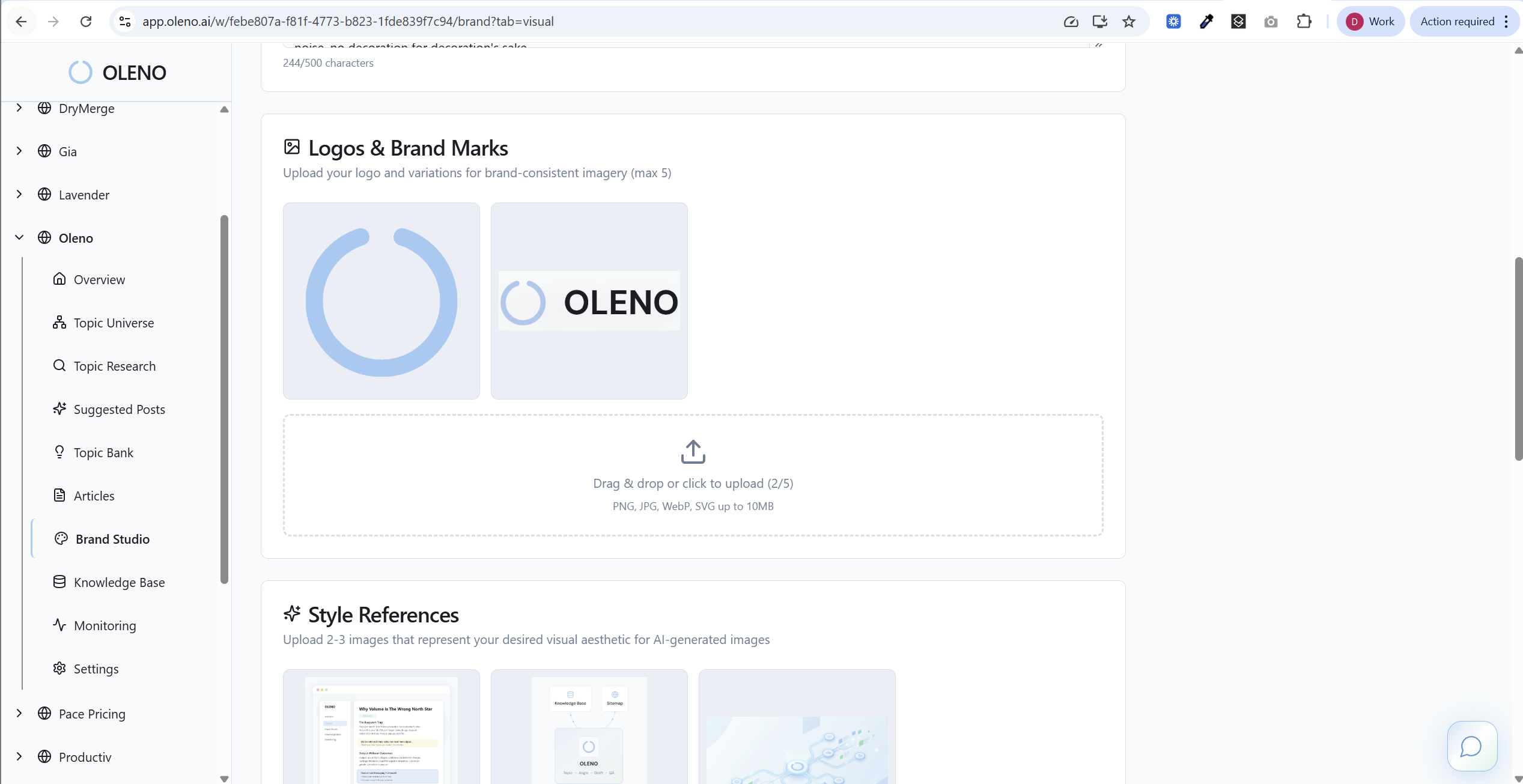
Oleno’s Brand, Marketing, and Product Studios keep everything aligned before a single chart gets made. You define voice, preferred terms, claims you can use, and boundaries you will not cross. You also lock visual identity, so charts look like your brand without designers jumping in on every asset. That removes rework and keeps trust intact.
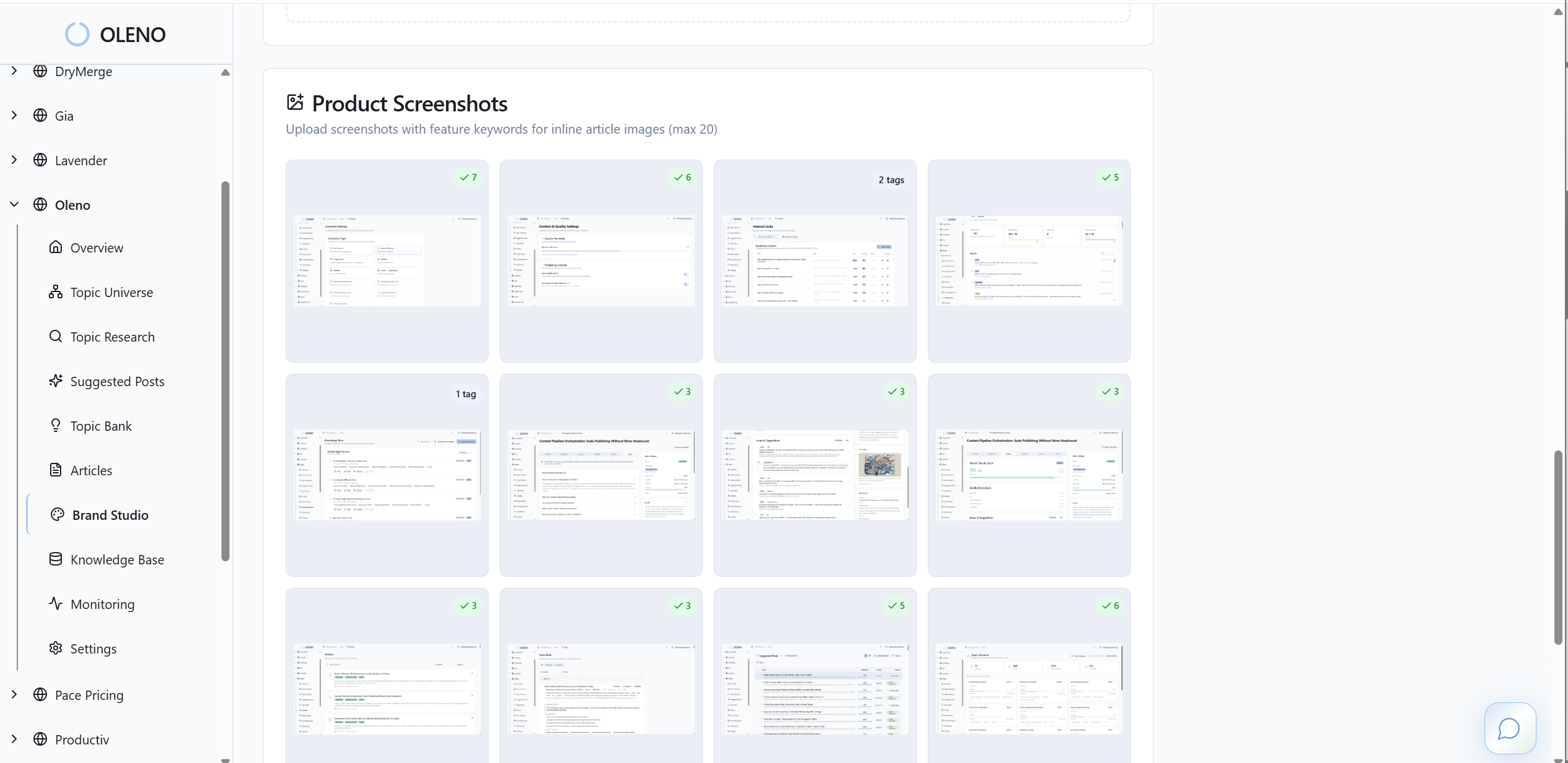
Approved product descriptions and rules stop inflated stats or invented features from slipping into copy. The studios act like guardrails for the whole pipeline. Your method stays plain, your claims stay safe, and your visuals look right across report pages, social images, and media kits. Editors notice that kind of consistency, and so do buyers.
When teams adopt this, reviews shrink from days to hours because you are not debating fundamentals. You are reviewing the story, not fixing basics. That is a direct answer to the earlier waste we covered, the long approval loops and credibility misses.
- Governance outcomes you feel:
- Fewer rewrites and faster approvals
- Consistent voice and visuals across all assets
- Claims that are accurate, safe, and defensible
From brief to publish with tracked QA and variations
Oleno generates research briefs from your governance rules, then produces draft reports with snippet-ready sections, embedded methodology notes, and clean charts. Audience variations come with it, so PR, sales, and social all get versions tuned to their readers. You are not copying and pasting across docs all week.
I like how the system handles the busywork. It packages PR summaries, email blurbs, and social cutdowns in the same run, then routes everything through a lightweight QA pass. Writers polish, approvers review, and one click ships to your CMS. Time from findings to publish drops sharply, and coordination risk falls with it.
The best part is the cadence. Because briefs and derivatives are structured, you can run the same study next month with minor tweaks. Trend lines appear. Authority compounds. What used to take a team a week now takes a few focused hours.
3x faster time to publish compared to manual stitching is common once governance is in place. That is not magic. It is structure doing the heavy lifting. Want to see that workflow in action? Request a Demo
Measurement that proves links, press, and compounding impact
Oleno’s measurement layer tracks referring domains, citation velocity, and outlet categories, then maps those to pipeline views like first touch and assist. You can see which angles earn links, which outlets keep citing you, and where to double down next cycle. No more guessing which posts actually moved the needle.
Dashboards highlight which partners amplified, which assets performed, and what to adjust in the next brief. Tie this back to the costs we covered earlier, the hours lost to rewrites and the weak acceptance rates. With a visible lift in links and mentions, leadership confidence returns and budgets get easier to defend.
If you want an external gut-check on link basics, the overview of backlink stats from Ahrefs is a useful companion for planning targets. Pair that with your own dashboards, and you have a clean way to show progress month over month.
- Metrics to watch in Oleno:
- New referring domains and link velocity by 30 and 90 days
- Mentions by outlet category and audience fit
- Conversion influence from research-driven content
Before you ship the next opinion piece that fizzles, try one benchmark with full governance, production, and measurement handled for you. Oleno’s research workflow does the heavy lifting so your team can focus on the story. Book a Demo
Conclusion
If you take one thing from this, make it a drumbeat. A simple, defensible research rhythm beats opinion content for links and press, and it is well within reach for small teams. Define a durable question, collect cleanly, package clearly, and ship on schedule.
Set a target and measure it. Ten or more quality backlinks and one to two press mentions within three months, plus a 15 to 25 percent organic lift for your target clusters over six months. That is how you know your original research playbook is working. Then keep going. The compounding starts faster than you think.
About Daniel Hebert
I'm the founder of Oleno, SalesMVP Lab, and yourLumira. Been working in B2B SaaS in both sales and marketing leadership for 13+ years. I specialize in building revenue engines from the ground up. Over the years, I've codified writing frameworks, which are now powering Oleno.
Frequently Asked Questions