Prove Generative AI ROI: 30–90 Day Productivity Playbook

Most AI pilots show speed, not value. If you want to prove generative ai roi, stop counting drafts and start measuring hours you actually get back and what those hours produce. That’s the only thing your CFO cares about. I learned that the hard way, staring at a pile of “faster” content with zero impact on pipeline.
When I run experiments now, I treat AI like an ops change, not a toy. Define the workflow. Instrument every handoff. Track editor hours before and after. Tie the saved time to output and pipeline signals. If you can’t make that story crisp in 30 to 90 days, you don’t have ROI. You have activity.
Key Takeaways:
- Prove ROI with hours saved per published asset, not draft speed
- Run a 30 to 90 day controlled test on one high‑volume workflow
- Instrument time, error rates, and pipeline signals from day one
- Set clear decision thresholds to scale, tweak, or roll back
- Pair quality gates with time tracking to avoid false positives
- Keep scope tight so your signal isn’t buried in noise
Why Most AI Pilots Fail to Prove Generative AI ROI
Most AI pilots fail to prove generative AI ROI because they measure output volume instead of time reclaimed and downstream results. Faster drafts feel great, but they hide the real cost drivers like review cycles, rewrites, and approvals. If you don’t track those, you can’t see productivity or impact.
Teams chase novelty over proof. They test ten workflows at once, then wonder why the data is mush. I’ve done that. Looked impressive on a slide, didn’t change a single budget line. The mistake is common: you assume faster text equals cheaper content. It rarely does. The bottleneck lives in coordination, quality, and rework. That’s where ROI is won or lost.
Speed Gains Without Business Gains
Draft speed is the loudest signal, but it’s the least useful. Your real cost sits in handoffs, clarifications, and QA. If your process needs three human reviews to hit voice and accuracy, faster drafting won’t fix the bill. It just pushes work downstream where it’s harder to see and pricier to fix.
I’ve watched teams cheer when first drafts came back in minutes. Then spend two days fixing tone, facts, and structure. That’s not leverage. That’s a tax. Unless you measure editor hours per published piece, you’ll miss this. And you’ll claim wins that evaporate the second you look at payroll.
After you anchor to hours saved per published asset, you can layer secondary signals. Error rates, factual corrections, and cycle times matter because they create drag. Cut drag, you create room for more output that actually ships, not just drafts that look clever.
- Bad signals: draft count, word count, “AI usage”
- Good signals: editor hours per article, factual corrections needed, review cycles per piece
- Great signals: time to publish from brief, assets moved to live per week, pipeline touches per asset
Draft Count vs. Decision Clarity
Executives don’t fund pretty dashboards. They fund clear decisions. If your pilot can’t answer a simple question, did we save 30 to 50 percent of editor time per live article without hurting quality, you’ve got noise. I’ve had to own that in front of a CEO. Not fun.
Decision clarity means scoping tight, defining “done,” and locking the yardstick before you start. No shifting targets. No cherry-picked anecdotes. Put the burden of proof on the workflow, not on opinions. When the numbers show up the same every week, you’re ready to ask for money.
Stop Measuring Drafts, Start Measuring Time: The ROI Reframe
Proving ROI starts by redefining success as time reclaimed per published asset and the incremental pipeline that time enables. Output speed is a side effect, not the goal. If the pilot doesn’t reduce human hours and keep quality stable, it failed, no matter how fast the drafts appeared.
This reframes where you look for waste. You’re not fighting slow writers. You’re fighting missing context, brand drift, and manual QA that grinds everything to a halt. The cause isn’t creative ability. It’s lack of governance and repeatable execution. Fix that and speed shows up where it matters: review, accuracy, and publishing.
Define “Done” as Hours Saved
“Done” is not a draft in Google Docs. “Done” is live in the CMS with the right structure, links, and metadata. Measure to that finish line. Count every minute it takes to cross it. If you stop at draft, you’ll undercount the ugly parts: reviews, rewrites, formatting, and last‑mile checks.
Make the unit of analysis small and repeatable. One workflow, one content type, one audience. Then log editor hours per piece across four states: brief, draft review, fact/voice fixes, publish. Watch where the time piles up. That’s where AI either pays rent or burns it.
- Track time by stage: brief, draft review, corrections, final publish
- Tag issues: voice misalignment, factual fix, structural fix, formatting
- Set a pass bar: e.g., two or fewer corrections categories per piece
Pipeline Signals Beat Vanity Metrics
Traffic and impressions are lagging and often noisy. Tie your reclaimed hours to assets that touch pipeline, even if it’s early signals. Form fills, demo requests, content‑assisted opps, and sourced pipeline give you a business thread. Even a directional lift beats a vague “content is up.”
I’m not pretending attribution is perfect. It isn’t. Still, you can be consistent. Pick two or three touch metrics you trust and apply them to the same content type during the test. The goal isn’t courtroom‑grade proof. It’s a confident, repeatable pattern.
- Choose signals you can observe weekly
- Apply them to the exact assets in scope
- Compare to a 4 to 8 week baseline, then the 30 to 90 day pilot window
What It Costs When You Can’t Prove Generative AI ROI
Failing to prove generative AI ROI wastes budget through hidden rework, longer cycle times, and quality debt that takes months to unwind. The cost isn’t just cash. You lose trust. Once leadership loses confidence, every future request gets harder, even if the tech improves.
Look at the time sink. Editors stuck rewriting brand voice from scratch. PMMs policing product facts manually. Marketers formatting content twice because structure drifts. That’s not a tooling problem. That’s a system problem. And it compounds every week you let it slide.
Time Waste You Can Actually Count
The hours are visible if you force them into the open. Manual review of voice and facts, hand‑built briefs, and off‑brand drafts add up quickly. Research from McKinsey’s 2023 generative AI report points to large productivity upside, but only when companies redesign workflows, not just add tools.
On small teams, the impact lands on the same few people. Nights vanish to cleanup work that software could prevent. That’s the hidden bill. If an editor spends three hours fixing preventable issues on every article, you’re lighting budget on fire. And you’re delaying the next piece that could drive pipeline, especially when evaluating prove generative ai roi.
- Manual brief assembly: duplicated research, inconsistent inputs
- Voice fixes: tone, rhythm, banned words, call‑to‑action style
- Fact checks: product claims, feature names, pricing references
- Formatting: headings, snippet‑ready openings, links, schema fields
Quality Debt That Kills ROI
Quality debt sneaks in when you scale without guardrails. Off‑voice content confuses readers. Sloppy facts erode trust. Inconsistent structure means you miss AI citations and search features. Each problem forces more human review later. That is the opposite of leverage.
A simple rule helps: if quality isn’t enforced by the system, you pay for it with people. Studies like Gartner’s AI value measurement guidance echo this pattern. You need clarity on outcomes and controls on the process, or your “savings” never hit the ledger.
What This Feels Like Inside a Small Marketing Team
It feels like you’re sprinting in sand. Drafts keep showing up, but your editors are drowning. Your PMM is Slacking you about invented features. Your CMS has three versions of the same post because structure drifted. By Friday, the team is exhausted and nothing truly shipped.

You start questioning your judgment. Maybe AI just isn’t for us. Maybe we picked the wrong use case. I’ve had that moment. The truth is less dramatic. You tried to scale without a system. You optimized for speed, then paid for it in rework. That’s fixable, but not with another clever prompt.
Late Nights Chasing Approvals
Approvals stall when trust is low. Leaders get jumpy when tone is off, or a claim feels risky. So they add more reviewers. Every new reviewer adds days. Your calendar fills with “quick look” meetings that are anything but quick. By the time you publish, the moment passed.
The human cost matters. Burnout sneaks up. Creativity dips. People avoid hard projects because they associate them with pain. You can’t run demand gen in that state. People need wins that feel earned, not lucky. That starts with a process they trust.
The Anxiety of “Is This Worth It?”
Doubt grows when the scoreboard is fuzzy. If you can’t show hours saved and assets shipped, you’ll hesitate to push. Leaders feel that hesitation. Then budgets freeze. It becomes a spiral. I’ve seen teams pull the plug on pilots right before the system was about to click.
The antidote is simple, not easy. Make success painfully clear. Track hours to live publish. Enforce quality early, not at the end. Then celebrate boring, repeatable wins. Confidence returns when people see a pattern that keeps holding.
A 30 to 90 Day Plan to Actually Prove Generative AI ROI
You can prove generative AI ROI in 30 to 90 days by scoping one workflow, locking metrics, and enforcing quality from the start. Choose a high‑volume asset with clear business value, instrument time to publish, and commit to a weekly cadence. Keep everything else out of scope.
Pick something like programmatic articles or product‑led explainers where quantity matters and structure repeats. Document the current process, then strip handoffs you don’t need. Add guardrails for voice and product facts on day one. Then run the play the same way every week. Consistency beats heroics.
Scope a Narrow, High‑Volume Workflow
Choose one content type, one audience, and one channel. The tighter the definition, the cleaner your data. If you try to fix everything, you’ll fix nothing. Leaders don’t need a tour of your ambition. They need a crisp before‑and‑after story.
Baseline two to four weeks of the old way. Count editor hours to live publish, number of review cycles, and corrections per piece. Then lock your targets for the pilot. Set a weekly quota that forces the system to work under light pressure, not lab conditions.
- Pick asset type and audience you can repeat
- Baseline time and corrections for 2 to 4 weeks
- Lock targets and define “done” as live publish
- Commit to a weekly quota you can sustain This is particularly relevant for prove generative ai roi.
Instrument the Work Like an Ops Person
Act like you’re tuning a factory, not chasing a muse. Time tracking is boring, but it’s the only way to know if you’re winning. Tag every correction so you can see which problems the system should catch next. When you fix a root cause, throughput jumps without extra hours.
Pair productivity with quality. Open every piece the same way with a snippet‑ready paragraph so you can capture AI citations and search features. Keep product claims anchored to approved language. Use structured headings that answer questions directly. You’ll feel the difference within two weeks.
- Required metrics: editor hours per live asset, review cycles, corrections by type
- Outcome signals: weekly assets published, sourced or assisted pipeline touches
- Quality guardrails: voice alignment, product claim accuracy, snippet‑ready openings
Ready to stop guessing and start proving it? Request a Demo
How Oleno Makes the New Way Easier to Run and Verify for Prove generative ai roi
You can run that plan manually, but it’s slow and brittle. Oleno bakes the guardrails and the cadence into the work so quality and speed move together. Governance carries your voice, POV, and product truth into every brief and draft, and the Quality Gate blocks anything that drifts.

Brand Studio keeps tone, rhythm, and vocabulary consistent as volume rises, so editors stop line‑editing voice. Product Studio loads approved features and boundaries into drafts, which cuts factual rewrites and risk. Knowledge Archive grounds content in real sources you control, reducing research time and hallucinations. Paired together, those three remove most of the rework you counted in your baseline.
Orchestrator and Topic Universe keep the pipeline full and paced to your weekly targets. Programmatic SEO Studio executes a locked-outline pipeline for acquisition content, so on-page SEO structure stays consistent at scale. Article Editor makes surgical fixes fast, and CMS Publishing pushes finished pieces live without copy‑paste. The net effect is fewer manual steps and fewer surprises between draft and live.
Quality Gate ties it back to the costs you saw earlier. Voice alignment is scored, product claims get checked, and structure is validated before your team wastes hours. That is where review time shrinks and cadence holds. Oleno doesn’t chase novelty. It makes the new way repeatable.
Seeing 30 to 50 percent fewer editor hours per live article is the goal many teams set. Oleno is built to make that outcome predictable by enforcing the rules at each step instead of asking humans to remember them. When the guardrails live in the system, your wins stop depending on who worked that week.
Prove it in your environment, not mine. Request a Demo
Governance and Quality Gates Do the Policing
With Oleno, you define voice and claims once, then the system applies them at brief, draft, and QA. Brand Studio prevents off‑voice drafts from hitting review. Product Studio stops invented features from slipping in. Knowledge Archive feeds real context into the writing. Quality Gate checks all three before an editor touches it.
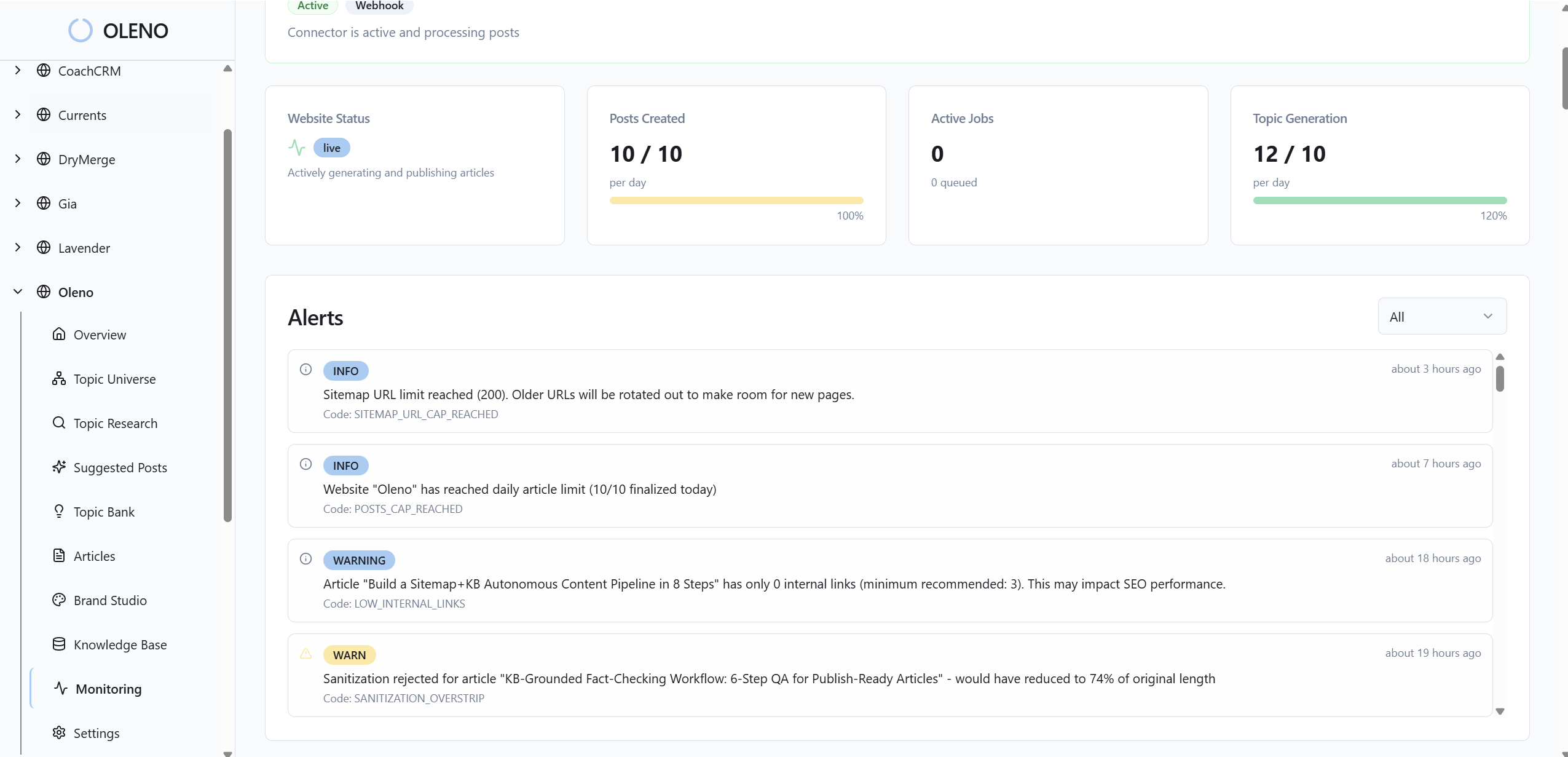
Editors stop doing the same cleanup over and over. The review pile gets lighter, and the feedback is about story, not syntax. That’s the productivity lift you’re trying to measure. It shows up in your time logs first, then in your weekly publish count.
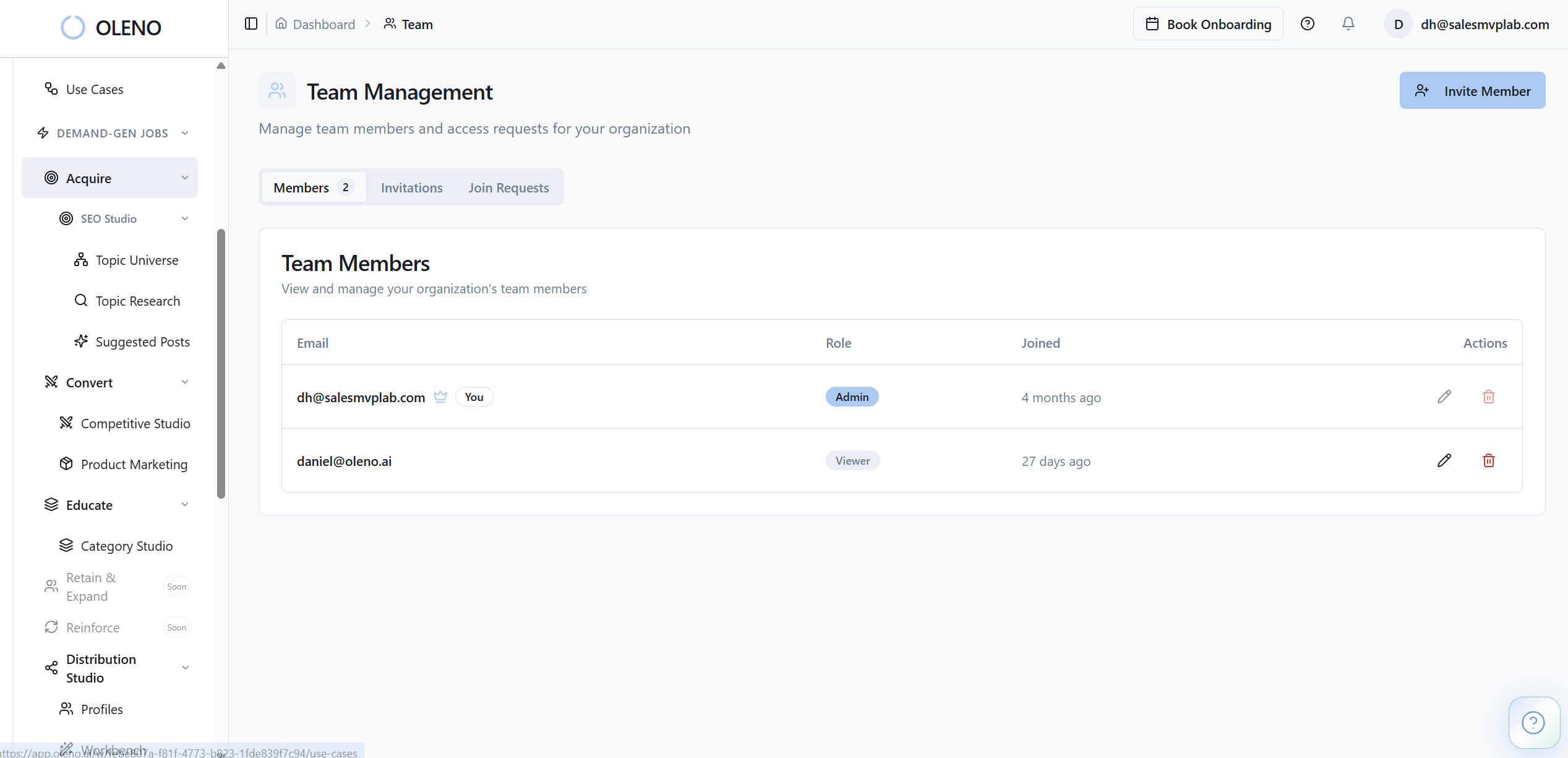
- Brand Studio: voice rules and exemplars enforced
- Product Studio: approved claims, boundaries, and use cases
- Knowledge Archive: real sources retrieved at draft time
- Quality Gate: multi‑dimensional checks before review
Orchestration and Studios Turn Belief Into Measured Output
Strategy is still human. Execution becomes a system. Orchestrator keeps cadence without meetings. Topic Universe ensures you always have prioritized items ready. Programmatic SEO Studio produces publish‑ready, search‑optimized articles through a locked-outline pipeline. Article Editor and CMS Publishing close the loop quickly.
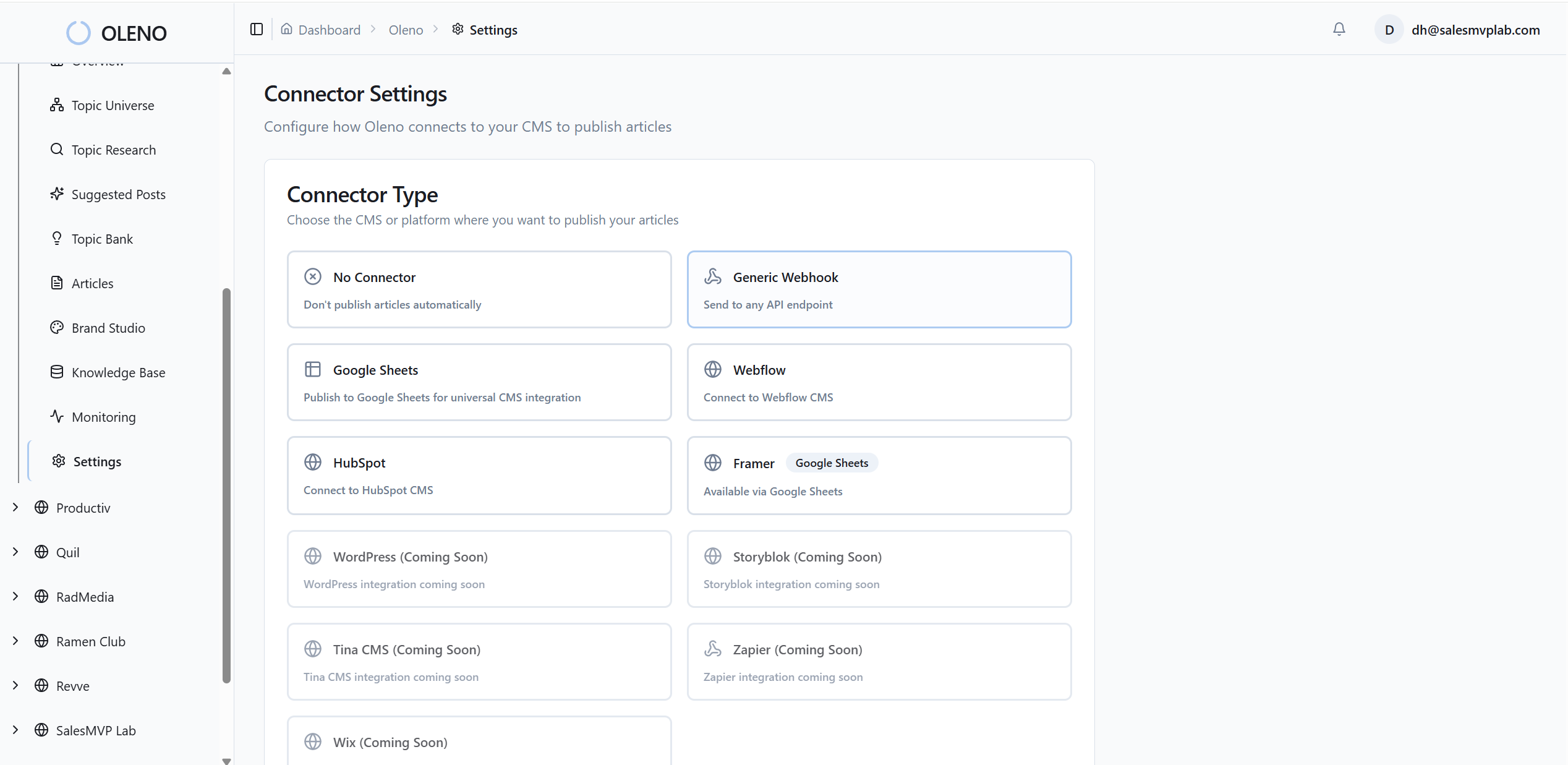
That’s how the earlier costs flip. Less time in review. Fewer factual fixes. More live assets per week. When those numbers hold for a month or two, the budget conversation gets easy. You’re not asking for faith. You’re showing proof.
Want to see the pipeline in action with your topics and voice? Book a Demo
Conclusion
If you want to prove generative AI ROI, don’t run a toy demo. Run an ops test. One workflow, tight scope, clean instrumentation, and hard guardrails on voice and product truth. Measure hours to live publish, not draft speed. Tie saved time to assets shipped and early pipeline signals.
Do that for 30 to 90 days and set real decision gates. Scale if you hit the bar, tweak if you’re close, roll back if you miss. The win isn’t faster words. It’s a system that keeps quality high while your editor hours drop. That’s the story finance buys, and the one that keeps compounding. For years.
References:
- McKinsey’s 2023 generative AI report
- MIT Sloan Management Review on measuring AI ROI
- Gartner’s AI value measurement guidance
About Daniel Hebert
I'm the founder of Oleno, SalesMVP Lab, and yourLumira. Been working in B2B SaaS in both sales and marketing leadership for 13+ years. I specialize in building revenue engines from the ground up. Over the years, I've codified writing frameworks, which are now powering Oleno.
Frequently Asked Questions