SLOs & Error Budgets for Continuous Content Pipelines
Quality gets treated like a thumbs-up or thumbs-down in most content teams. Ship it or don’t. But when you’re publishing daily, quality is a service level, not a vibe. It’s availability. Freshness. Accuracy. Voice consistency. On a schedule you can defend when sales and product are watching. Ask me how I learned that the hard way.
Back when I ran a 100k+ monthly-visitor site, we grew on volume and POV. When I moved into SaaS, I felt the other side. We could write great stuff, but drift crept in, publish windows slipped, and the fixes piled up. Not because people were sloppy. Because the system wasn’t designed to keep promises at scale.
Key Takeaways:
- Treat content quality like a service with measurable SLOs, not a pass/fail review
- Define a few SLIs tied to user experience and set realistic SLO targets
- Use error budgets and burn policies to move fast without chaos
- Instrument each gate in the pipeline; sample live content to catch drift
- Assign ownership, escalation, and pre-approved responses before incidents hit
If you’d rather skip theory and see it work in practice, you can Try Generating 3 Free Test Articles Now.
Stop Treating Quality As Binary, Start Running It As A Service
Quality for content pipelines isn’t binary; it’s a set of service levels you commit to and uphold. Think publish success rate, grounded accuracy rate, and cadence adherence over a time window. This mirrors how SRE teams define SLOs, as in Google’s SRE book on Service Level Objectives, but applied to editorial reality.
The Hidden Failure Modes In Content Pipelines
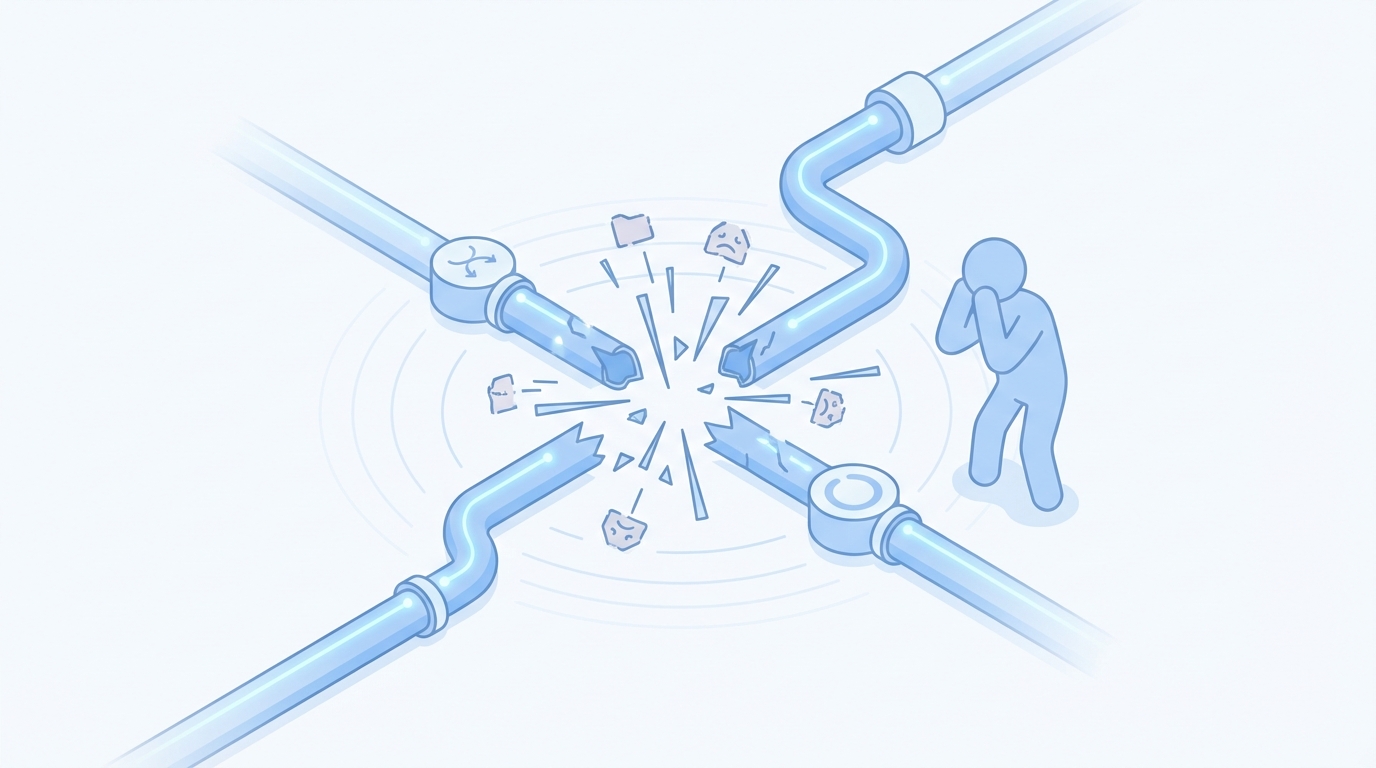
Most teams don’t notice when quality fails quietly. Schema changes break structured data. Two posts collide on the same topic. A claim strays from product truth. The CMS publishes twice. Or a refresh misses its window, and rankings bleed. None of this screams. It just erodes trust, over and over.
When you trace it back, failures originate at every layer, upstream inputs, drafting, QA, visuals, CMS, distribution. A single miss in grounding can trigger support escalations or a sales headache. A duplicate topic confuses buyers and cannibalizes traffic. The fix is being explicit. Define what “met” and “unmet” look like for each dimension so nothing relies on vibes.
From there, document checks at each gate and codify the boundary conditions. This isn’t about being rigid. It’s about removing ambiguity where ambiguity creates rework. You’ll ship with more confidence because you know what you’re promising and what triggers a block.
Why Manual Reviews Create False Confidence At Scale
Reviews help. Until they don’t. When volume climbs, reviewers become bottlenecks who still miss drift because judgment varies day to day. The pain is familiar: frustrating rework, inconsistent edits, urgent “can you take a look?” pings that break focus. And defects still slip through.
The move is to convert pass/fail judgments into rules. Voice and tone checks. Narrative structure constraints. Grounding and claim control. Schema validation and duplication protection. Let the pipeline block or route revisions automatically. Humans stay on strategy and exceptions, work only they should do. The system owns enforcement.
The bonus is consistency. The same checks fire on Monday at 9 a.m. and Friday at 4 p.m., regardless of who’s on review duty. Less drift, fewer surprises, and a higher baseline.
What Is An SLO For Content And Why Now?
An SLO is a target for the level of service your content system provides over a period. For example, 99.5% publish success per 30 days. 97% QA pass on first attempt. 99% grounded citations across published pieces in the window. Not perfection, commitments you can meet.
SLOs turn quality from opinion into an operating contract. With AI and daily publishing, you need clarity or you’ll run hot, miss windows, and apologize later. Without a target, you can’t set an error budget. Without a budget, you can’t decide how fast to go without guessing. SLOs give you the language to make tradeoffs intentionally.
Content Reliability Fails Because Signals Lack Commitments
Content reliability fails when teams collect signals but never convert them into operating commitments. Output counts and traffic are nice, but they don’t express reliability. Reliability is “did we meet the service we promised over the window?” That means SLIs, SLOs, and policies, not checklists. See Dynatrace’s SLO basics for clean definitions.
What Traditional Approaches Miss
Most teams watch activity metrics, skim a QA checklist, and call it control. The gap is this: no target, no budget, no consequence. If QA pass rate dips or duplicates sneak in, what happens? Usually nothing until the pain becomes visible. By then, you’ve burned time and trust.
Bridge the gap by deciding on a few SLIs that reflect user experience. Pick targets that reflect risk appetite, not aspirational perfect scores you’ll ignore. Clarify scope, SLOs cover the pipeline service, not any single article. Measure over monthly or weekly windows where trends matter. That framing makes quality manageable, not subjective.
Dashboards then serve a purpose: they show burn against target, ownership, and next actions. Without that, dashboards are just screensavers with charts.
Who Owns Reliability In Your Content System?
Reliability can’t live in a shared inbox. Assign a service owner who stewards SLOs, reviews burn, and triggers playbooks. Editorial owns truth. Ops owns delivery. Both own the SLO. Ownership isn’t about blame; it’s about authority to act before problems grow.
Write down escalation rules. When the budget burns faster than policy allows, who pulls the throttle? Who pauses risky categories? Who communicates to sales or leadership? Make it visible. Weekly reviews with simple budget views keep commitments top of mind and stop drift from becoming culture.
The Cost Of Drift, Rework, And Missed Cadence Adds Up Fast
The cost of drift and missed cadence compounds. Minutes turn into hours, then into momentum loss. An error budget gives you early warning and a lever to adjust speed. Without it, you’ll either overreact with freezes or underreact and drift into debt. Neither helps pipeline.
Hours Lost To Rework And Rollbacks
Let’s pretend you publish 80 articles this month. If 10% fail post-publish checks and each rollback costs 45 minutes across writer and ops, you just lost 6 hours. On paper, small. In reality, it’s worse. Context switching doubles the pain. Reputation cleanup adds more. That’s a day you won’t get back.
Now layer in the ripple effects. Teams slow down because they don’t trust the pipeline. Review queues swell. Launch content gets squeezed to make room for fixes. SLO discipline reduces unplanned work and improves first-pass publish success, creating room for actual improvements instead of firefighting.
Over a quarter, those saved hours become meaningful. Not because you worked harder. Because you reduced avoidable churn in the system.
Burn Rate Risk That Sneaks Up On Small Teams
If your monthly error budget allows 12 failed publishes, burning 6 in week one should trigger action. A fast burn rate isn’t catastrophic, it’s feedback. Throttle high-risk categories, raise strictness on grounding checks, or increase sampling temporarily. The point is to protect cadence while you course-correct.
Without burn tracking, you find the breach at month end. Too late. Build weekly budgets from monthly targets so you can respond faster. Policies shouldn’t be theoretical. They should be pre-approved plays you can run on Tuesday afternoon, not a five-person meeting next week. For a practical view on burn, see Nobl9’s guide to error budgets.
Still dealing with preventable rollbacks and last-minute freezes? This is exactly where an autonomous engine helps. Try Using An Autonomous Content Engine For Always-On Publishing.
The Human Toll When The Pipeline Breaks
Pipeline failures aren’t just metrics. They’re human stress. A grounding miss that reaches a big customer. A schema change that breaks fifty pages overnight. These moments are inevitable; panic doesn’t have to be. Error budgets and playbooks are as much about protecting people as protecting metrics.
When Your Biggest Customer Quotes An Inaccurate Post
You feel it in your stomach. Sales pings. Product chimes in. Trust takes a hit. Apologizing is necessary, but insufficient. The durable fix is upstream: grounding rules, banned claims, and a QA gate that blocks untrusted assertions until they’re verified. When it slips through, incident templates accelerate the response so the next hour isn’t chaos.
Codifying a small set of “red line” checks reduces the odds of repeat pain. It also builds credibility with sales: you’re not waving at quality; you’re enforcing it. That changes the conversation from “please be careful” to “here’s how we protect you.”
What If Mistakes Had A Budget And A Plan?
This is the mental shift. Mistakes are expected within bounds. You “spend” the budget on learning and speed, not chaos. When burn runs hot, you pull pre-agreed levers, raise strictness, throttle specific job types, focus revisions into a queue. Confidence returns because you’re acting from policy, not emotion.
And you get better. Post-incident reviews feed back into rules and guardrails. Not a blame session. A design session. That’s how reliability improves without killing velocity. For cultural context on this approach, the philosophy in the Google SRE book’s error budget model is worth adopting, even if you adapt the mechanics.
SLOs And Error Budgets For Continuous Content Pipelines
SLOs and error budgets make content reliability actionable by translating quality into targets and policies. Start small: define a few SLIs, set baseline-backed targets, and agree on what happens when budgets burn. Tools help, but clarity wins first. For alerting patterns, study Honeycomb on SLOs and burn alerts.
Define Measurable Content SLOs That Matter
Pick a short list of SLIs tied to user experience: publish success rate, QA pass on first attempt, grounded accuracy rate, and freshness compliance for scheduled updates. Use 30-day windows and straight math, percent of publishes that pass all gates on first attempt. Keep it boring. Boring scales.
Set realistic targets based on baseline data. If QA first-pass sits at 92% today, jumping to 99% tomorrow is fantasy. Move to 95% with clear rules and sampling, then ratchet. Limit to three primary SLOs to start. Expanding is easy; rolling back erodes credibility.
Write the calculation and scope in one sentence under each SLO. No room for interpretation. Everyone should be able to explain it in a hallway chat.
Set Error Budgets And Burn Policies That Guide Action
Your error budget is 100% minus the SLO target. Translate that into allowed monthly incidents per class, like up to 10 failed QA gates or 3 grounding violations. Tie each class to a response policy with thresholds: fast burn triggers immediate throttles, moderate burn increases sampling, slow burn prompts audits. Document owners.
Pre-approve response options so decisions are fast and consistent. The goal isn’t to eliminate mistakes; it’s to keep them inside bounds and extract learning. Error budgets give you a language to trade speed for reliability on demand, without guesswork.
Monitor And Alert With Metrics, Sampling, And Simple Dashboards
Instrument the pipeline at each gate: duplication protection, schema validation, grounding checks, QA pass, and publish success. Roll metrics up into weekly budget views, not a cluttered wall of charts. Add statistical sampling on live content to catch issues QA might miss. Size samples by risk and volume so you’re efficient.
Make alerts budget-centric, not noisy. “Weekly burn is 2x normal” is useful. “Five validation errors” is trivia without context. Keep status reviews short and focused on decisions: what moved, why, and what lever you’re pulling next.
How Oleno Turns SLOs Into Daily Operating Rules
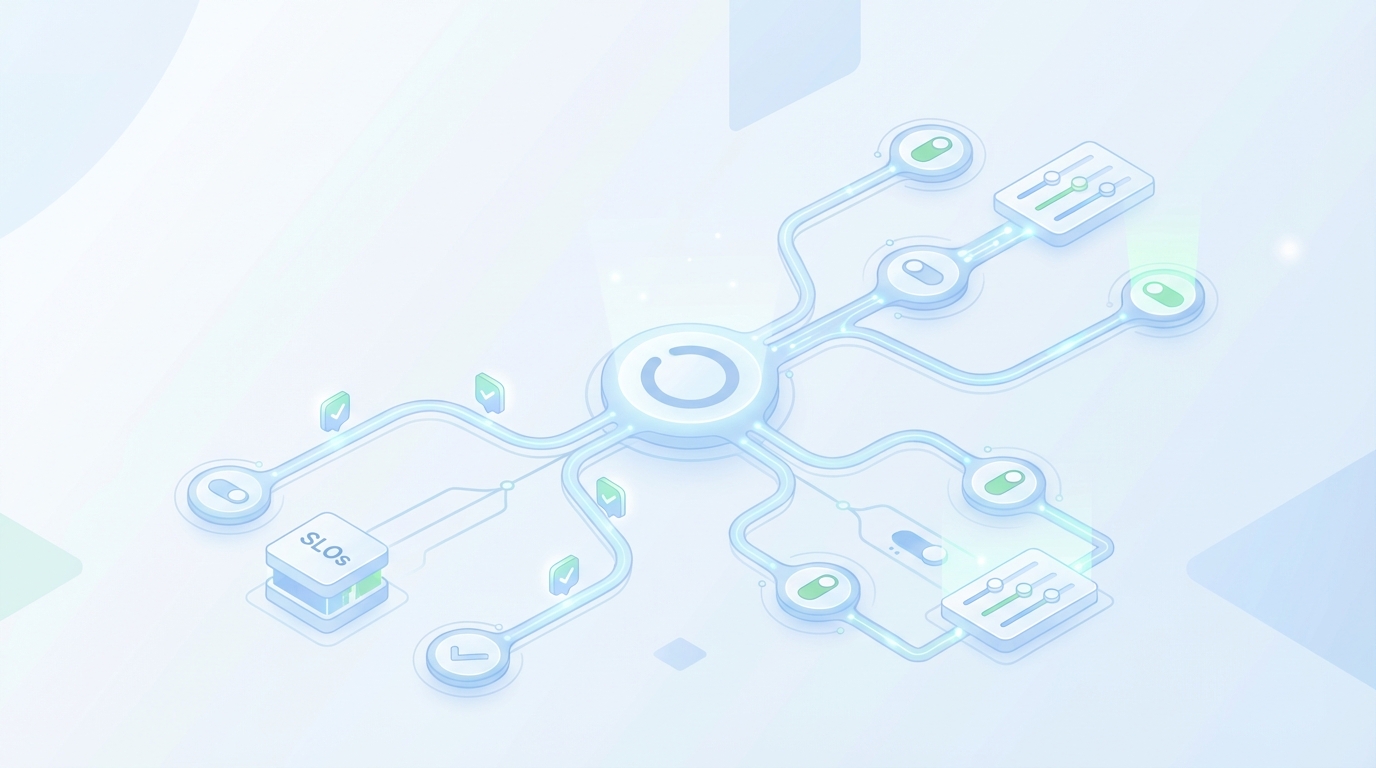
Oleno turns SLOs into an everyday discipline by encoding governance as checks, running a deterministic pipeline, and giving you levers when budgets run hot. You set the rules once. The system enforces them every day. That’s how small teams operate with steady cadence and fewer surprises.
Governance Encoded As QA Gates That Block Bad Output
Oleno enforces voice, narrative structure, clarity, repetition control, grounding, and accuracy as pre-publish checks. Nothing ships until it passes. Those gates directly support SLOs like QA first-pass rate and grounded accuracy, because recurring edits become rules and rules don’t forget on Fridays.
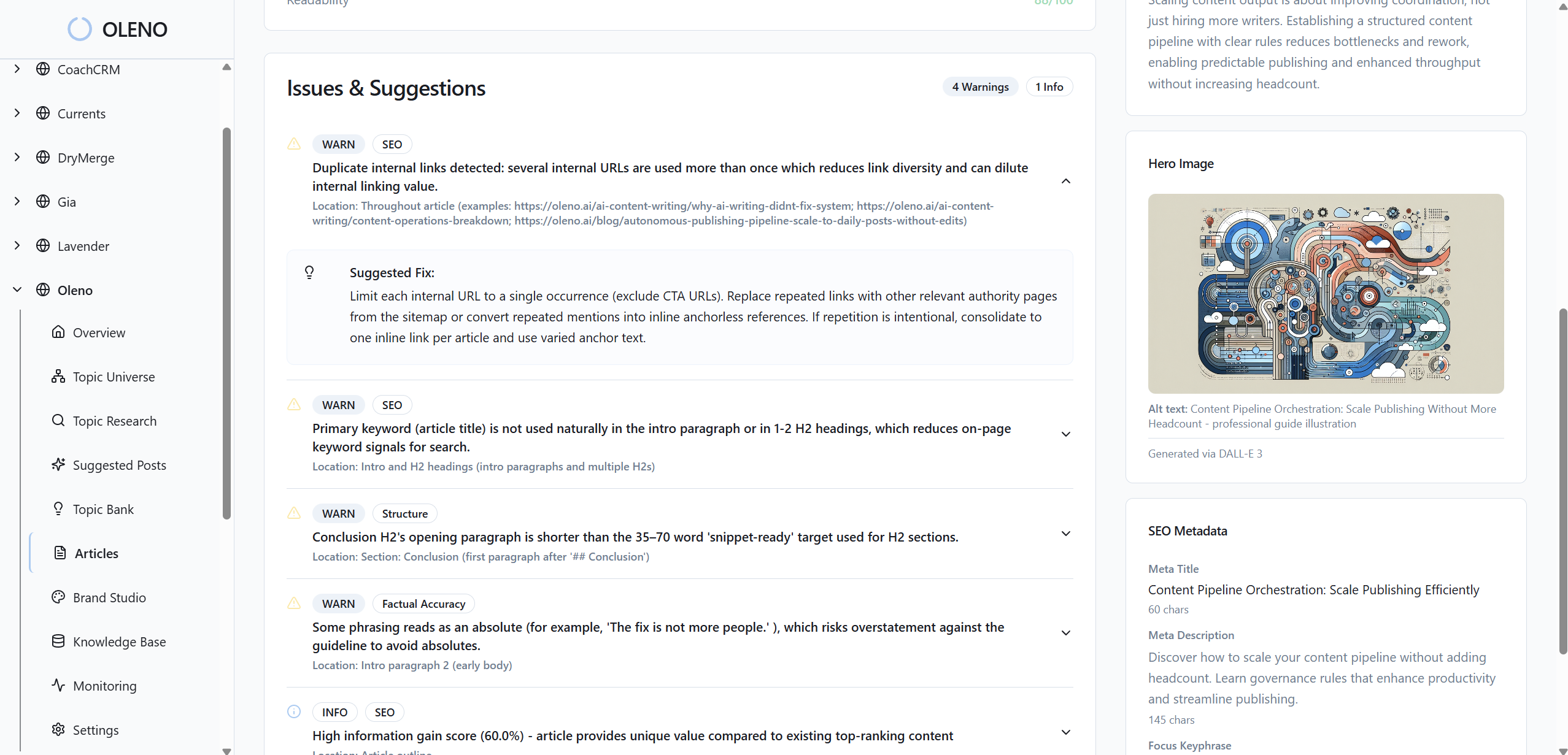
Beyond blocking, Oleno routes revision work back into the flow so people aren’t chasing scattered comments. Over time, the number of public rollbacks drops, and the percentage of content that clears on the first attempt rises. Less rework. Less anxiety. More focus on the story.
Deterministic Pipeline And Publishing Control To Raise Availability
Content moves through a consistent flow: Discover → Angle → Brief → Draft → QA → Enhance → Visuals → Publish. Oleno integrates with your CMS for draft or live publishing and uses idempotent safeguards to avoid duplicates. That reliability boosts your publish success SLO because errors get caught early and retries are clean.
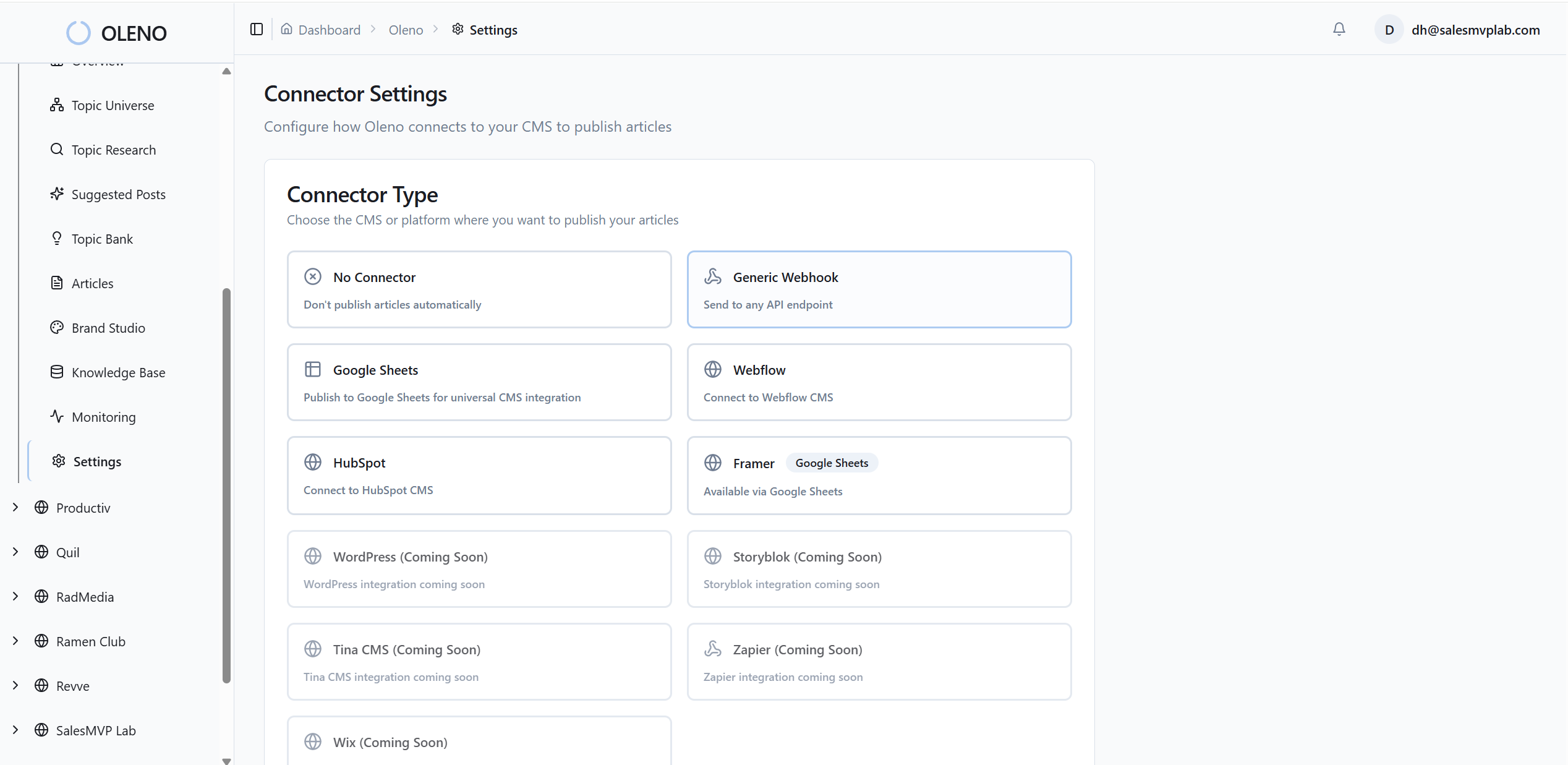
System health signals surface quality trends and common failure patterns. Sampling adds a second line of defense, so you catch drift before it becomes a theme. When a class starts burning fast, you can raise strictness on specific checks or temporarily throttle a job type, say, pause programmatic pages while thought leadership continues. Protect the whole by isolating the risky part.
Interjection. You’re still in control. Oleno replaces coordination, not strategy.
Here’s the practical difference. Without automated gates and publishing control, you burn hours on preventable rework and scramble during incidents. With Oleno, the same SLOs become levers you can actually pull, tighten checks, reroute revisions, or adjust cadence, without freezing the entire pipeline.
If you’re ready to see that system-level control, Try Oleno For Free. Most teams see steadier cadence in week one because the enforcement finally matches the intent.
Conclusion
You can’t edit your way to reliable content at scale. You need service levels, budgets, and a system that keeps promises when volume climbs. Define a few SLIs, set targets you’ll actually uphold, and give yourself pre-agreed levers for when burn runs hot. Then let the machines enforce structure while your team focuses on story. That’s how cadence survives and trust compounds.
About Daniel Hebert
I'm the founder of Oleno, SalesMVP Lab, and yourLumira. Been working in B2B SaaS in both sales and marketing leadership for 13+ years. I specialize in building revenue engines from the ground up. Over the years, I've codified writing frameworks, which are now powering Oleno.
Frequently Asked Questions