Version-Controlled AI Writing: Git Workflow for Editorial Teams
Treating AI drafts like they’re final is the fastest way to ding your brand and introduce risk. Version-controlled AI writing flips the script by giving you a repo, clear rules, and checks before anything ships. Think Git and CI for content, so voice stays tight and claims stay true.
I learned this the hard way. Speed felt great—right up until we had to unpublish and apologize. The cost wasn’t the typo. It was the lost trust and the Slack pile-on that followed. Once we started treating content like code, drift dropped, reviews got faster, and incidents almost disappeared.
Key Takeaways:
- Treat AI drafts like code, not posts—you can review, revert, and prove provenance on demand
- Make version-controlled AI writing your default so brand, claims, and structure are enforced automatically
- Build a content repo that stores briefs, drafts, and metadata with auditable history
- Run CI checks for voice, prohibited claims, factual grounding, and structure before human review
- Use branches and staging to block accidental publishes and enable safe rollbacks
- Connect your knowledge base so claims are checked against governed truth, not vague memory
- Hand off ownership cleanly with an ops checklist that maps roles, gates, and rollback steps
AI Drafts Need Version Control, Not More Review
Version-controlled workflows prevent brand drift and compliance mistakes before you ever start editing. The rules live in the system, checks run automatically, and you ship only what passes. Think branches, pull requests, and CI—applied to content instead of code.
Why “Final-First” AI Workflows Drift
Most teams ship AI drafts like they’re almost done. Edits pile up in comments. Someone approves under pressure. A week later, tone feels off and two facts are wrong. Now you’re fixing live content and explaining what went wrong. The real mistake was skipping a system that forces checks before eyeballs.
In code, you’d never push straight to main. You open a branch. You run tests. You request a review with context and a diff. Content needs the same behavior. When AI is involved, variation increases and small deviations compound quickly. Without version control, you can’t isolate the change that introduced risk, which means you can’t learn or prevent repeat errors.
Teams often say they’ll “just be more careful.” That promise collapses under deadlines. The fix is upstream. Make drift impossible to ship by default. Put rules, examples, and hard blocks in the path so reviewers catch narrative conflicts instead of commas.
What Engineering Already Solved That Marketing Ignores
Engineers solved coordination with branches, reviews, and tests decades ago. The concepts map cleanly to content. Branch equals draft. Pull request equals editorial review. CI equals automated checks for voice, claims, and structure. Main equals live.
The benefit isn’t only safety. It’s speed with confidence. Shallow reviews disappear when the system catches basics. Editors focus on clarity, flow, and relevance. You get fewer meetings and stronger output. Counterintuitive at first: add structure to move faster. Then you see throughput go up as rework goes down.
If you want a refresher on branching discipline, the official Git branching model shows why small, focused branches keep teams sane. Content is no different. Keep changes small, review quickly, merge with confidence.
The Root Problem: No Source of Truth for AI Writing
The core issue isn’t AI output quality—it’s missing governance and provenance. Without a defined source of truth, writers and models guess, reviewers chase ghosts, and no one can prove where a claim came from. That’s how brand drift and compliance risk sneak in.
Symptoms You Blame, Causes You Miss
You blame freelancers, agencies, or the model when voice sounds generic. The cause is lack of explicit voice rules and examples bound to every brief and draft. You blame speed pressure when a claim goes too far. The cause is no allowlist of approved statements or boundaries for product capabilities.
You blame “editorial bottlenecks” for slow time to publish. The cause is reviews happening without automated checks, so humans spend cycles on preventable issues. You blame “we need better prompts.” The cause is treating each piece like a one-off rather than part of a governed system that repeats.
Fix the upstream inputs and you remove most downstream pain. Put voice, POV, and product truth in machine-readable form. Store them where the work happens. Require them to be applied before anyone starts editing. If the model never sees the right rules, why expect the right output?
What A Content Source Of Truth Actually Looks Like
A real source of truth is boring and strict. Voice guidelines are rules, not vibes—with preferred terms, terms to avoid, and exemplar paragraphs. Market POV is captured as explicit message pillars and allowed angles. Product truth is an allowlist and denylist of claims, use cases, and pricing notes.
All of it is accessible during briefing and drafting, not buried in Google Drive. All of it is checked at QA time against what was produced. If a claim is outside the allowlist, it fails the build. If a phrase violates the voice rules, it fails the build. No debate. Fix it or don’t ship.
Wire this into your flow and you create leverage. New contributors get productive without hand-holding. AI outputs stay inside the rails. Reviews focus on judgment calls that actually need humans.
The Hidden Cost of Skipping Version-Controlled AI Writing
Skipping version control and CI checks looks faster until you measure the fallout. You pay in rework hours, incident cleanups, brand confusion, and lost trust. Minutes saved at draft time multiply into days lost later.
Time, Money, And Brand Risk You Can Measure
Count the real cost. Each manual review cycle that catches voice and structure issues burns 20 to 30 minutes. Multiply by three reviewers and two passes. You just lost two hours on problems a machine could flag. Add the 60 to 90 minutes it takes to chase a product manager for claim approval when nothing was grounded to begin with, especially when evaluating version-controlled ai writing.
Incidents cost more. Unpublishing, rewriting, and explaining a bad claim is at least half a day across marketing, product, and leadership. If you publish four times a week, one incident a month is common without guardrails. That’s a full workday lost, plus erosion of trust that never shows up on a dashboard.
Now zoom out. Inconsistent voice dilutes positioning, which slows conversion. You won’t notice it in a week. You feel it in a quarter. Pipeline slips a few points. Sales feedback gets sharper. The fix wasn’t more content. It was fewer mistakes earlier.
Incident Patterns We See Repeated
The same failures repeat. Voice drift from one line in the intro that sets the wrong tone. Overstated product claims that started as “just an example” in a draft. Misaligned CTAs that promise something your product doesn’t do. Formatting that breaks your CMS template and ships ugly.
None of those should reach a human reviewer. A rule can catch them. A test can block them. If an item fails, send it back to draft with a clear reason. Reviewers stop playing detective and start acting like editors again.
If you want a quick primer on automating checks, the GitHub Actions documentation shows how code teams run tests on every change. The pattern carries over. Run content checks on every draft update. Fail fast. Move on.
What It Feels Like When Governance Breaks for Version-controlled ai writing
You feel it in your calendar first. Then in your gut. Slack pings stack up, reviews stall, and your team works late fixing small mistakes that never should have shipped. Confidence drops fast when the floor keeps moving.
The Human Toll You Don’t Put In Dashboards
People get tired of arguing about voice and claims. Writers feel policed. Editors feel ignored. Product rolls their eyes at “marketing again.” Leaders get impatient and start micromanaging because they don’t trust the system.
You can feel momentum drain. Creativity doesn’t die from constraints. It dies from unclear constraints. Give your team a stable floor and they’ll push harder on ideas. Keep the floor moving and they play not to lose.
What surprised me most was how fast morale improved once rules lived in the workflow. Fewer gotchas. Fewer last-minute rewrites. Fewer weekend edits before a launch. People did better work because they weren’t cleaning up preventable messes.
Why Leaders Lose Trust Fast
Leaders need one thing from content: predictability. Not perfection. Predictability. When posts slip or publish with errors, they see risk. When messaging drifts, they see wasted spend. When you can’t explain where a claim came from, they see chaos.
Version-controlled AI writing restores predictability. You can show the rules applied, the checks passed, and the diff between versions. You can roll back without drama. You can prove that a controversial line was grounded in approved language—or fix it instantly.
Trust compounds when incidents drop. So does speed. People stop hovering because the system proves it has guardrails.
How To Run Version-Controlled AI Writing With Git-Style Discipline
Adopt three moves: structure your repo, enforce CI checks, and control promotion between stages. Start small and get value in weeks. The goal is simple—make the system do the boring parts every time so humans spend time on judgment and story.
Repository Structure For Content Ops
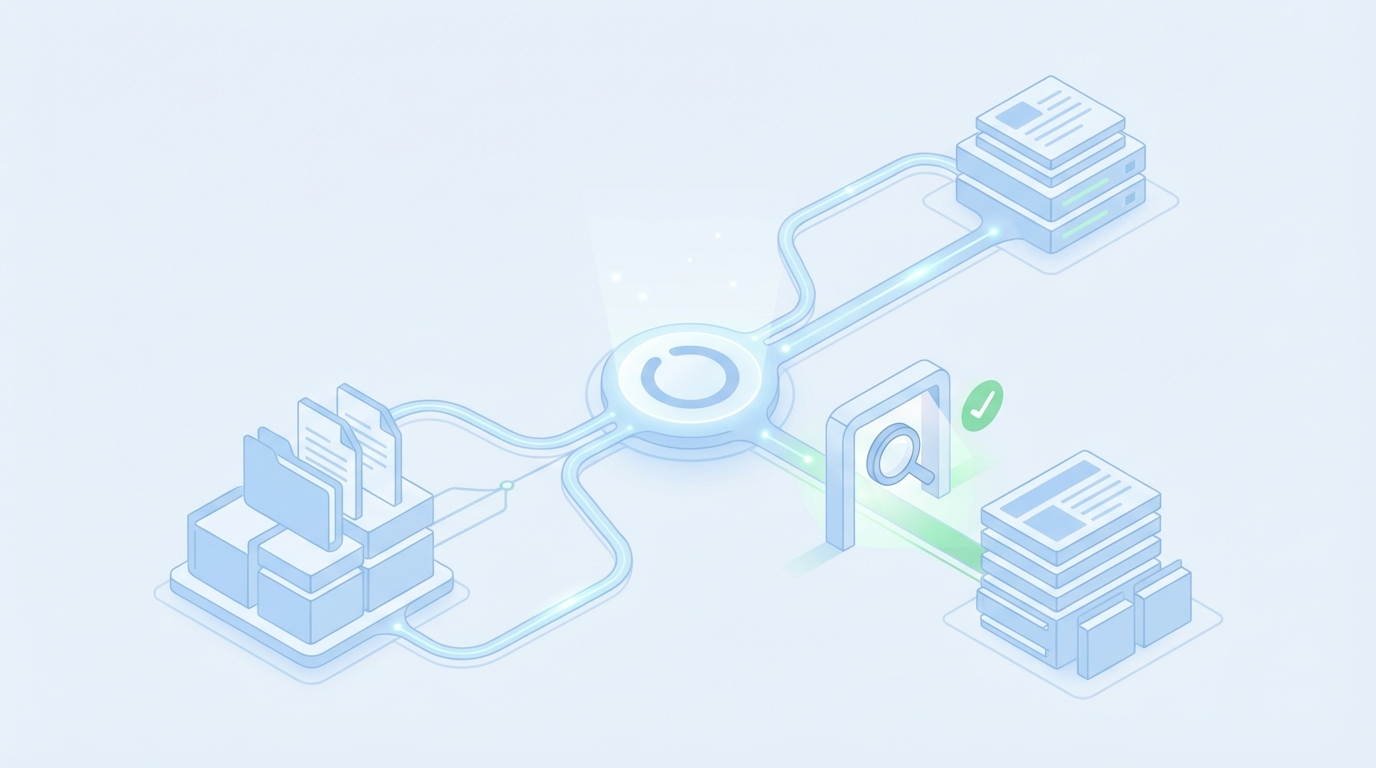
Treat content like a product. Create a repo with folders for briefs, drafts, images, and metadata. Store audience, persona, and use-case tags with each piece so variants are intentional, not random. Keep an approvals log so you can answer who approved what, and when.
Use branches to isolate work. New topic, new branch. Significant rewrite, new branch. Keep changes bite-sized so reviews are fast. Merge only after checks pass. Protect your main branch so nothing goes live without gates. Feels strict on day one; liberating by day ten.
Attach voice exemplars and message pillars to the brief so every draft pulls from the same rules. If your team needs a quick refresher on CI versus CD, the Atlassian CI/CD guide lays out why integration checks catch issues early while delivery gates control release.
Practical starter moves:
- Create /briefs, /drafts, /media, /metadata folders and a simple approvals.md
- Add a brief.yaml template with audience, POV, claims, sources, and voice examples
- Enable branch protection on main; require status checks to pass before merge
CI Checks That Block Bad Publishes
Write checks that catch the expensive mistakes early. Start with voice alignment, prohibited terms, and structure compliance. Add approved-claims validation so product boundaries are respected. Add basic SEO and LLM readability checks so your content is citable and clear, especially when evaluating version-controlled ai writing.
Then add provenance. Every factual line that references product, pricing, or capability should map to a governed source. If it can’t be traced, it fails. Keep a minimum grounding threshold so fluffy paragraphs don’t sneak through. People will still edit, but they’ll edit good drafts, not broken ones.
Promotion rules matter too. Draft to staging requires checks to pass. Staging to live requires human sign-off plus a final smoke check. If something breaks post-publish, roll back to the last good version in seconds. No drama when you have control.
Ready to run a Git-style editorial pipeline without building it yourself? Request a Demo.
How Oleno Enforces CI-Grade Governance For AI Writing
Oleno makes version-controlled AI writing practical for small teams by encoding rules once, checking every draft against governed truth, and blocking publish until quality passes. You get engineering-grade guardrails for content without hiring more editors or babysitting AI outputs.
Governance Encoded Once
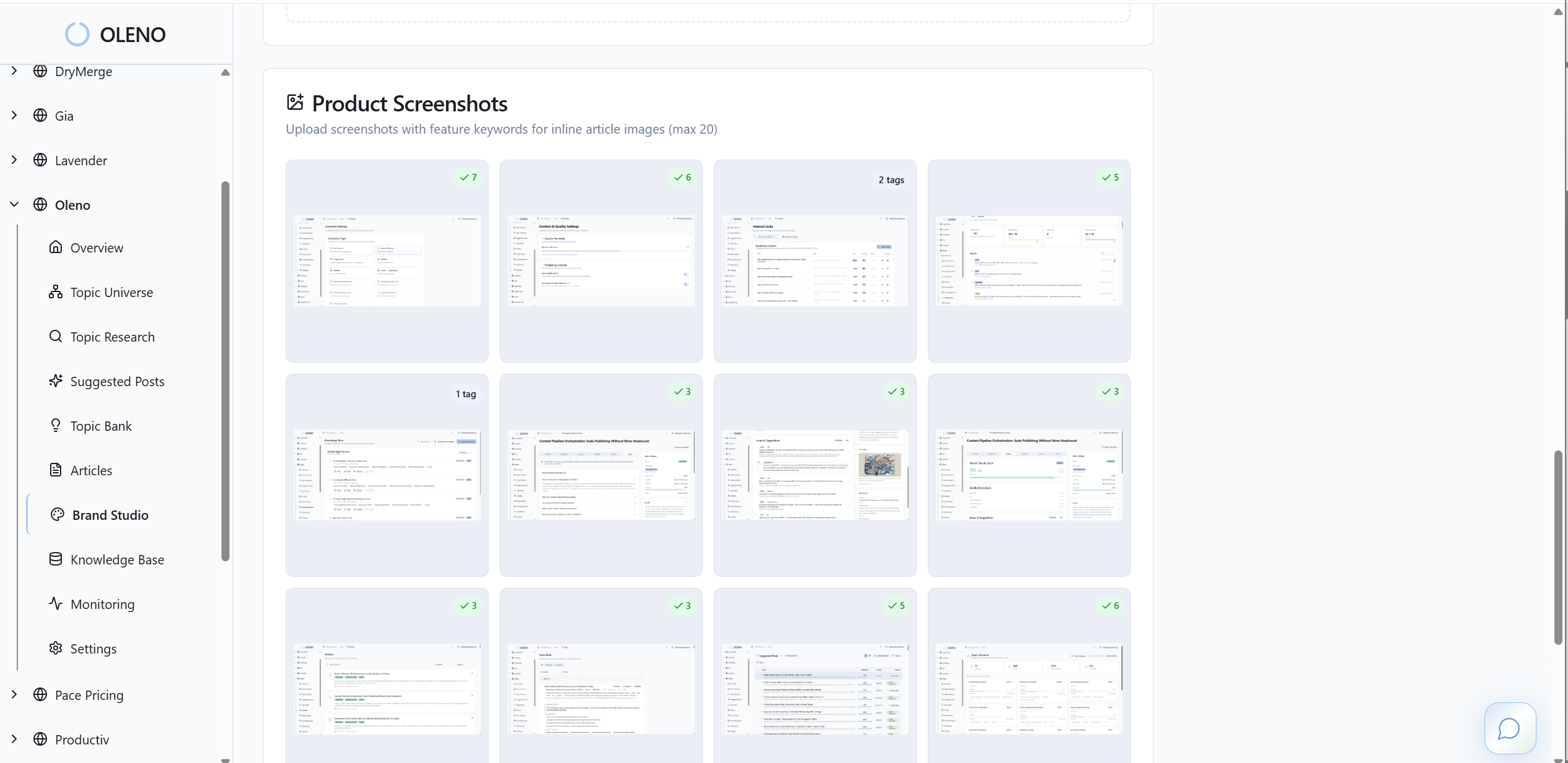
Brand Studio captures tone, preferred and prohibited terms, CTA style, and structural constraints so every draft starts in your voice, not generic. Marketing Studio encodes your point of view and message pillars so angles align with your narrative instead of drifting toward safe, forgettable takes. Product Studio locks in approved descriptions and claim boundaries so no one overstretches what your product does.
Because governance is machine-readable, Oleno injects it during Brief and Draft. You’re not relying on memory or a style guide link. The rules shape output before a human ever sees it. That reduces review cycles and raises the quality floor without slowing cadence.
Oleno is built for small teams, so setup focuses on the essentials. Get the voice right. Make your POV explicit. Define what product claims are allowed. As you scale, those same rules carry across SEO, competitive, and product education content without translation loss.
Quality Gate And Grounding
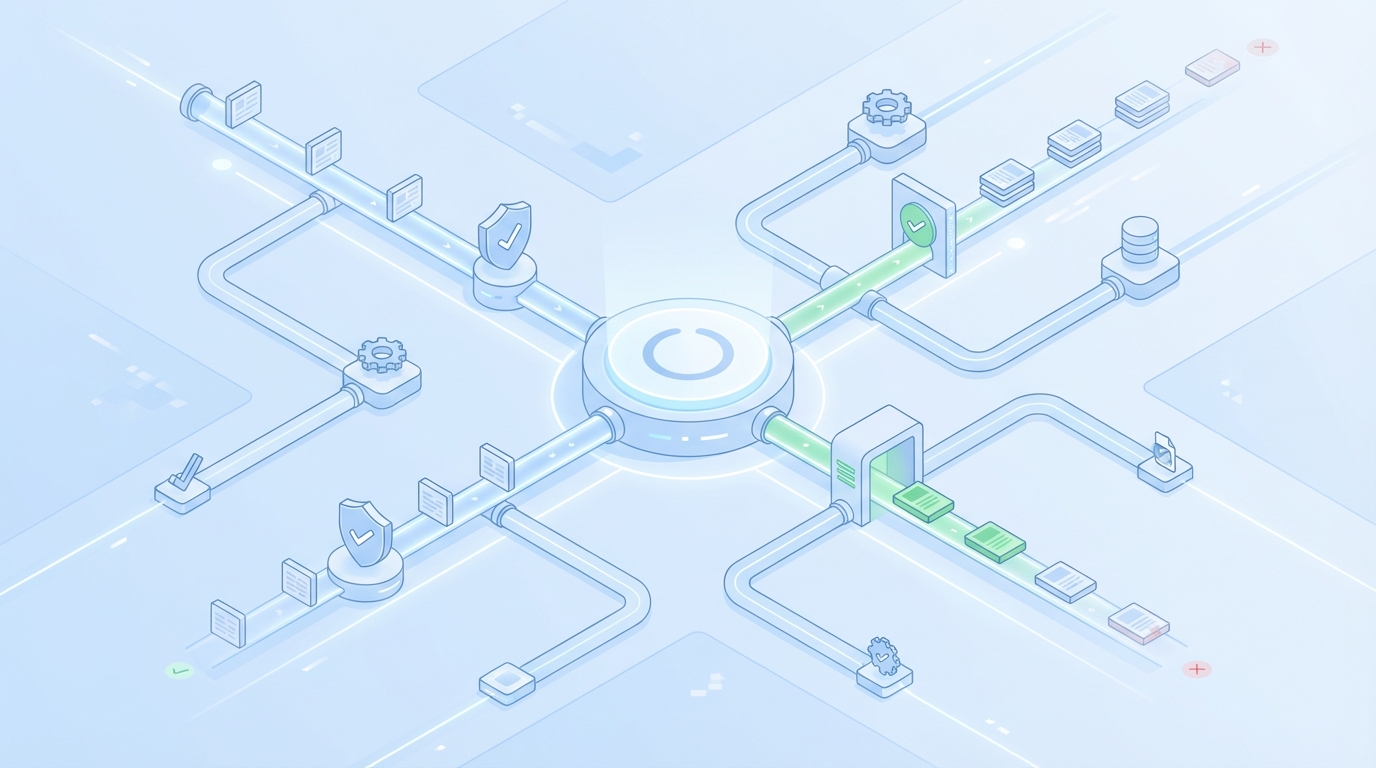
Oleno’s QA gate blocks anything that fails voice alignment, narrative structure, clarity, repetition, or grounding checks. The Knowledge Archive anchors claims to your approved docs, help articles, customer stories, and competitive intel. If a line can’t be tied back to governed truth, it’s flagged and fixed before review.
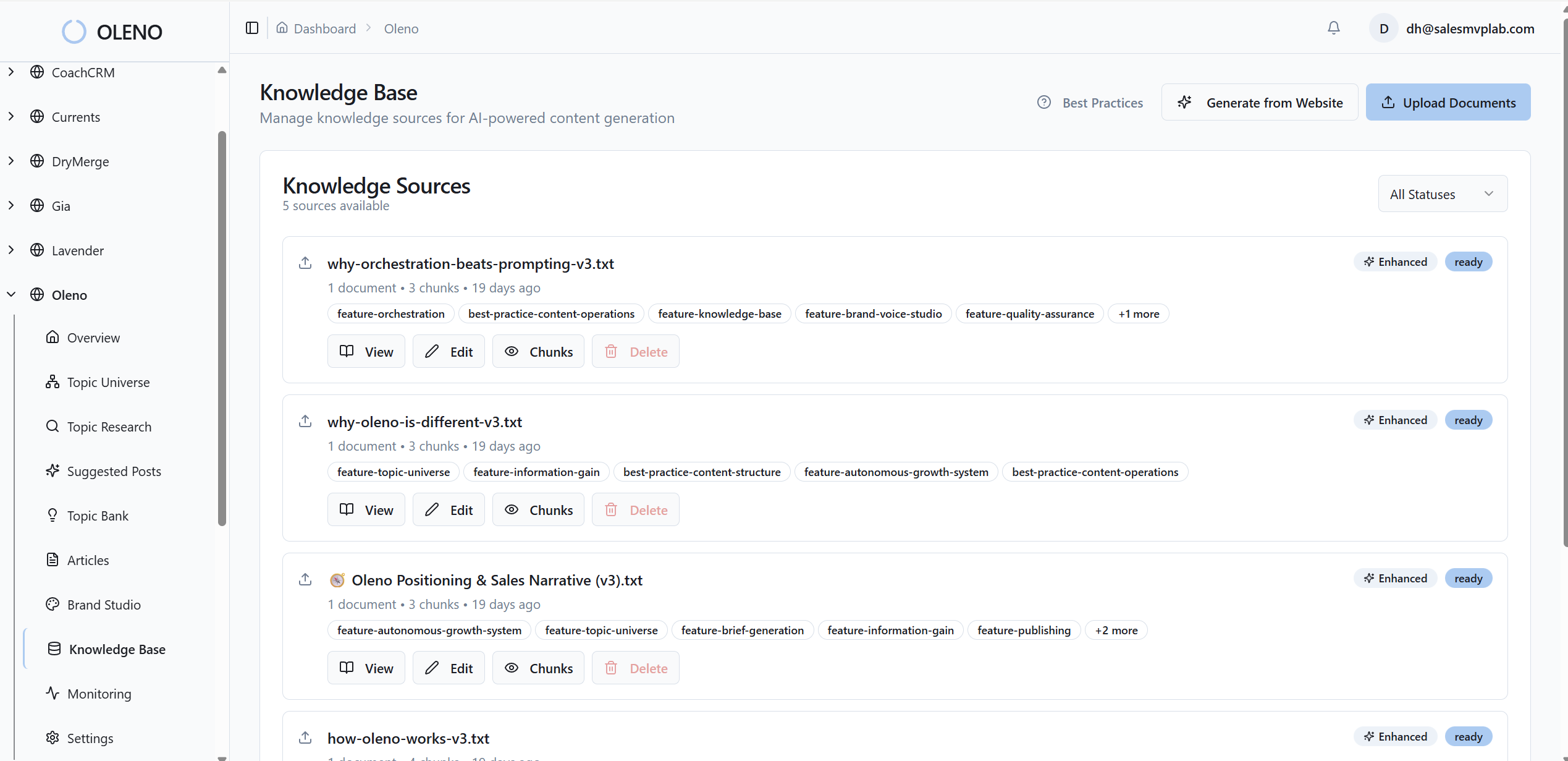
This is where incidents drop. Earlier, we talked about two-hour manual review cycles and monthly cleanups. With Oleno, basic issues get auto-fixed or rejected upstream, so editors focus on substance. Teams report big cuts in dispute-resolution time because the system can show where a claim came from—or that it never should have shipped.
When drafts are ready, CMS Publishing pushes approved content to WordPress, Webflow, HubSpot, and more as draft or live. Publishing checks prevent duplicates and keep cadence steady while your team works on the next brief. Measurement & System Health tracks cadence and quality trends so you can spot bottlenecks early and keep the engine running.
Fewer incidents and faster reviews. That’s what Oleno aims to deliver. Request a Demo.
Publishing And Oversight
Distribution turns approved long-form content into social posts with hooks that match each platform. No new narratives—just faithful variants that keep your presence active without context switching. Stories Studio helps leadership inject real anecdotes so POV content feels lived-in, not canned.
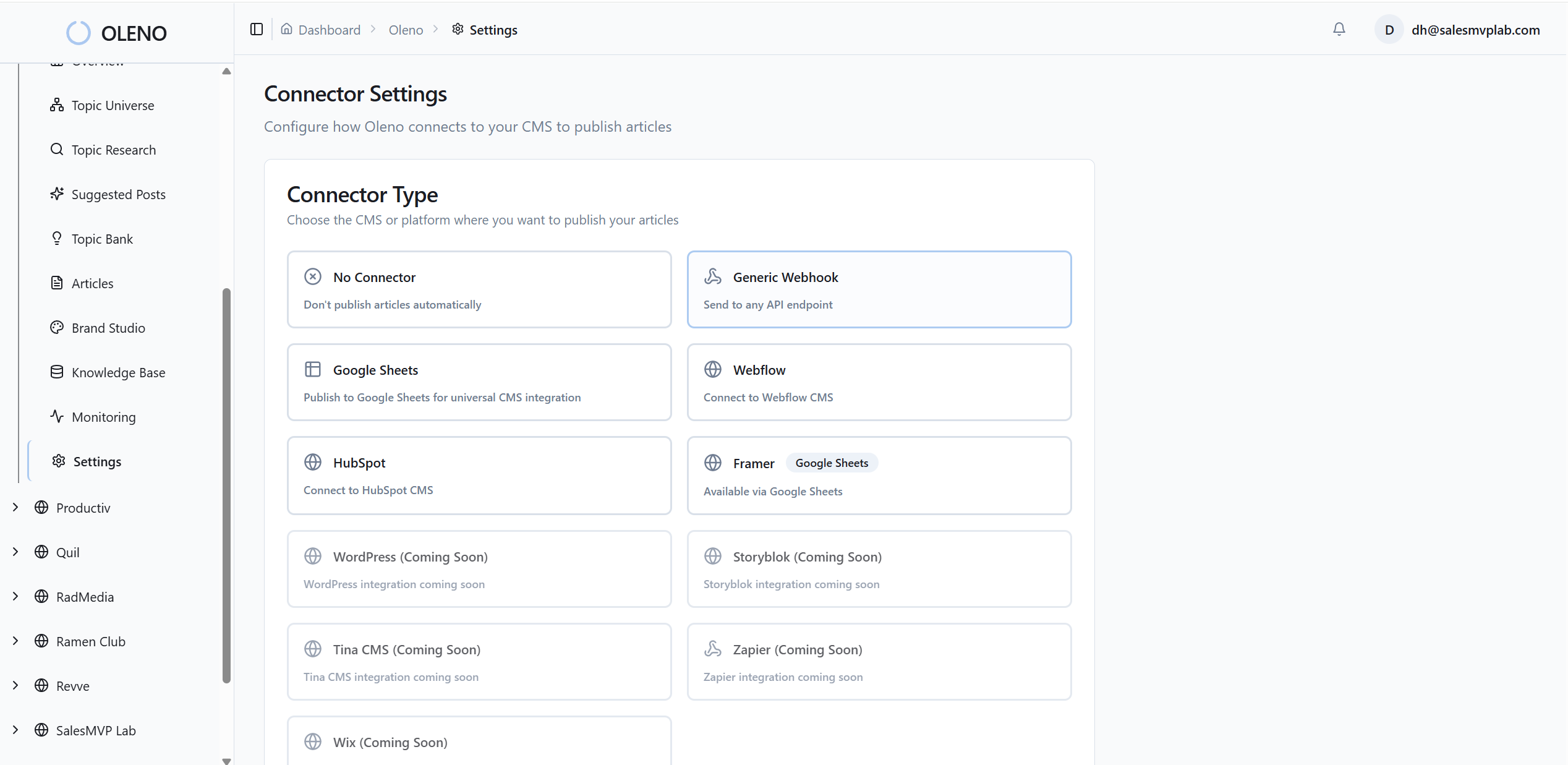
The Variation Layer adapts pieces for specific audiences and personas without duplicating manual work. That keeps messaging tight while expanding coverage. The net effect is a system that runs even when priorities shift. Content keeps shipping. Quality holds. Leaders see control instead of risk.
Oleno won’t invent your strategy. It executes it. When governance, grounding, QA, and publishing work together, you get the benefits of version-controlled AI writing without wiring the whole stack yourself.
Before you wrap this up, want to see the QA gate and Knowledge Archive catch risky claims in real time? Book a Demo.
The Payoff Of Version-Controlled AI Writing In 6 to 8 Weeks
Stand this up in phases and see impact fast. Start with governed voice and product claims. Add grounding and a QA gate. Introduce branch and promotion rules. Within two months, you’ll see fewer incidents, faster reviews, and clearer ownership.
The real win is trust. People stop hovering when they trust the floor. Editors do real edits. Leaders get predictability. And you get a library that compounds instead of resetting every quarter. That’s the shift from activity to a demand-gen system that holds.
About Daniel Hebert
I'm the founder of Oleno, SalesMVP Lab, and yourLumira. Been working in B2B SaaS in both sales and marketing leadership for 13+ years. I specialize in building revenue engines from the ground up. Over the years, I've codified writing frameworks, which are now powering Oleno.
Frequently Asked Questions