What Marketing Agencies Should Look For When Buying Oleno

What Marketing Agencies Should Look For When Buying Oleno
What marketing agencies should do before buying Oleno is pretty straightforward, even if the decision itself doesn’t always feel that way. You’re not really buying software. You’re buying a shot at less rework, cleaner client separation, and a delivery model that doesn’t get shakier every time you add another account. That’s the lens I’d use. Because when agencies get this wrong, they don’t just waste budget. They burn margin, time, and trust.
A bad buying decision hurts fast. The demo looks clean. The workflow sounds smart. Then 90 days later the team is still fixing voice drift, still pulling senior people into review, still working around the tool instead of through it. That’s usually when the original question gets more specific: what marketing agencies should actually be checking before they commit.
If you’re evaluating Oleno, the job is to figure out whether it fits how your agency really works. Not on a perfect day. On a Wednesday when briefs are messy, clients are picky, and the team is moving too fast.
Key Takeaways:
- What marketing agencies should evaluate first is margin impact, client voice control, and onboarding speed, not surface-level output.
- A weak buying decision can create more QA work instead of less.
- The biggest issue is usually whether each client account stays distinct in process, context, and quality standards.
- If review loops don’t shrink within 30 to 60 days, the spend gets harder to defend.
- What marketing agencies should test is one real workflow before rolling anything out across the full client book.
When Agency Delivery Starts Breaking Down
Agency delivery usually breaks long before anyone says it out loud. It starts with tiny delays, extra review passes, vague feedback, and more context trapped in senior people’s heads. Then one day the team realizes output hasn’t really gone up at all. Only coordination has.

That’s the real issue. It’s not just writing speed. It’s the pileup of context switching, QA checks, feedback loops, and all the client nuance that never quite makes it into a brief.
I’ve seen this a lot. Early on, agencies can push through it. A strong content lead knows the accounts, knows the tone, knows where drafts usually go sideways. Fine. But once the client mix grows, that breaks. New writers miss subtle positioning. Editors spend too much time cleaning up things that should’ve been caught upstream. Account leads become traffic controllers.
Let’s say your agency manages 12 B2B clients and each publishes 4 pieces a month. That’s 48 assets. If every piece needs just 30 extra minutes of senior review because the brief was light or the voice drifted, that’s 24 senior hours gone every month. Not a small thing. That’s margin leaking out in plain sight.
And agencies misread this all the time. They think they need more freelancers. Or stricter QA. Or one more approval layer. Sometimes that buys a little time. Usually it just adds more drag.
More Work Often Means More Rework
More client work should create more throughput. In a lot of agencies, it creates more rework instead. That happens when the system relies on memory, heroics, and a few people who somehow just know how each client thinks.
One strategist remembers the founder’s tone. One editor knows the phrases to avoid. One account manager catches references that will annoy the client. That setup can work for a while. Then it doesn’t.
You feel it before you measure it. Turnaround stretches. Writers ask more questions. Reviews get longer. Clients say, “This doesn’t quite sound like us,” which is usually a polite way of saying the thread got lost.
The Real Cost Is Context Switching
The hidden cost is context switching, and agencies pay it constantly. Your team doesn’t live inside one brand. They bounce from cybersecurity to fintech to HR software in the same day. Every jump has a reset cost, and that cost usually gets ignored when people talk about buying software.
That’s why what marketing agencies should focus on isn’t surface-level speed. It’s whether a system can hold client context in a way the team can actually use. If not, the confusion is still there. It just has a shinier interface.
What Marketing Agencies Should Actually Evaluate First
What marketing agencies should care about first is control. Not control in a rigid, bureaucratic way. Agency control. Can you keep clients distinct? Can you protect quality without dragging senior people into every draft? Can you grow output without making delivery more fragile?
A lot of evaluations go sideways because teams start with visible output. How fast can it generate? How much can it publish? How polished does the demo look? Fair questions. Just not the first ones I’d ask.
I’d start with the stuff that protects the business model.
Client Separation Matters More Than Raw Output
Agencies do not get judged on volume alone. They get judged on whether Client A sounds like Client A and Client B sounds like Client B. Once those lines blur, trust starts slipping fast.
A platform in this category needs isolated account context, clear production boundaries, and review flows that don’t mix one client’s standards with another’s. If your team already worries about cross-account confusion, don’t treat that like a small ops issue. It’s a buying issue.
Margin Comes From Fewer Review Loops
For most agencies, margin improvement comes from reducing review load more than from generating faster first drafts. That’s the part people miss because draft speed is easier to show in a demo.
But if drafts still need heavy intervention, the gain is thin. Sometimes fake, honestly.
Reducing two review rounds to one can matter more than cutting draft time in half. If strategists and editors spend less time correcting preventable issues, that’s where the business case gets real.
Onboarding Should Feel Lighter, Not Heavier
A new system should make onboarding new clients easier to repeat. Not heavier. Not more dependent on one senior person doing setup gymnastics every single time.
You want to know how voice, priorities, and working rules get captured, reviewed, and applied in production. If that path feels fuzzy, adoption gets stuck. Fast.
Usability Beats Another Oversight Layer
Most agencies already have enough oversight. They have trackers, review docs, calls, comments, and Slack threads flying around all day. They do not need one more system that only adds another place to check.
What marketing agencies should look for is a usable workflow. Something the team will actually open under deadline pressure. Something that helps quality instead of creating more admin.
In plain English, I’d look for:
- Clear separation between client accounts and account-specific context
- A practical way to reduce repeat review comments
- Faster ramp time for new writers and editors
- A workflow the account team won’t avoid
- Enough structure to verify quality before work hits the client
That gets overlooked all the time. Buying committees tend to overvalue what looks impressive in a walkthrough and undervalue what survives a normal week.
Discover how Oleno can support a real agency workflow before you commit.
How To Evaluate Oleno In A Real Agency Workflow
If you want a clean answer, run one real client workflow through Oleno from intake to review. That’s it. That’s the fastest way to see if there’s real fit. Abstract demos hide the messy parts, and the messy parts are exactly where agencies either save time or lose it.
I would not evaluate this in broad hypothetical mode. Use a live account with actual complexity. One with a distinct voice, real stakeholder feedback, and enough delivery pressure to expose weak spots.
A practical evaluation process usually has four parts.
Use One Representative Client, Not Your Easiest One
A single client pilot tells you more than a broad demo because it forces the platform to deal with the actual mess. You’ll see where context gets captured well, where handoffs get fuzzy, and where review still depends on tribal knowledge.
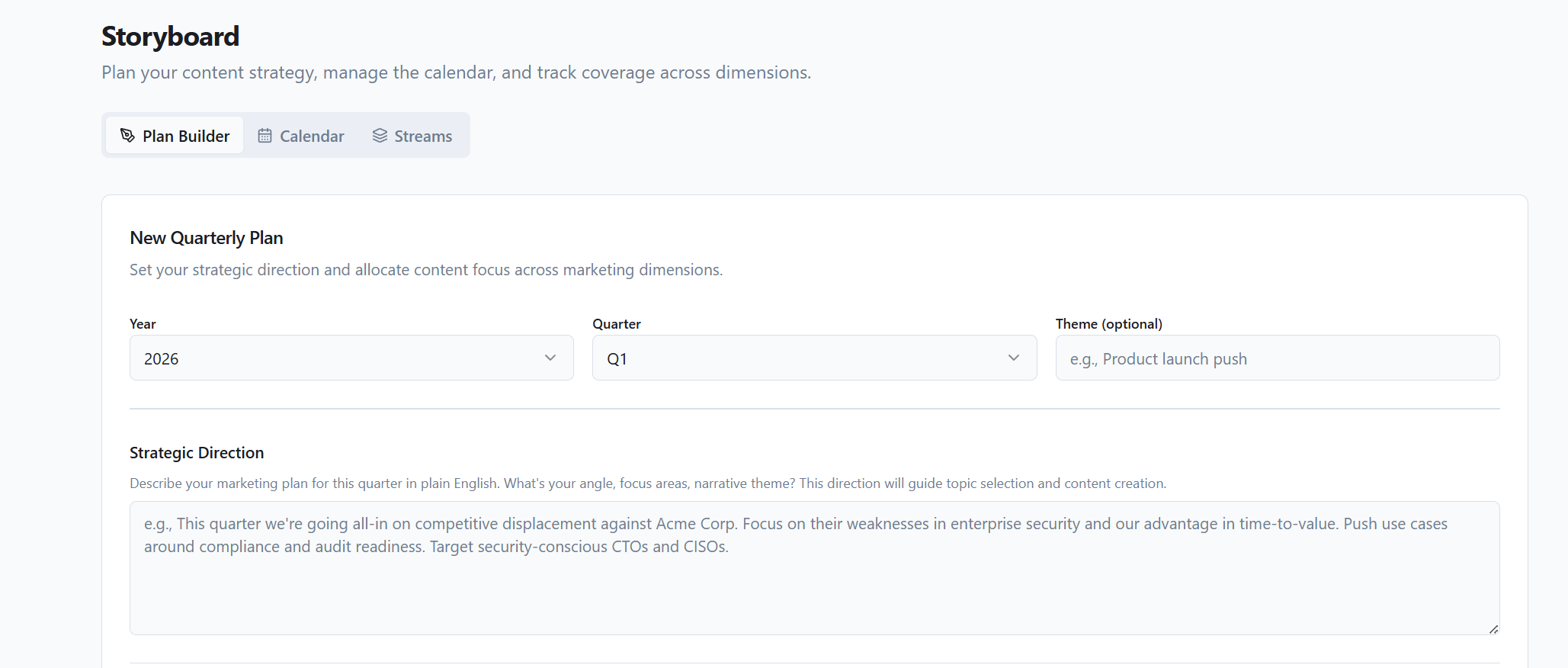
For the pilot, pick an account with:
- A clear voice difference from other clients
- Existing review friction or approval drag
- Enough content volume to expose bottlenecks
- A delivery team willing to give honest feedback
Not your cleanest account. Your most representative one.
Track Time, Rework, And Reviewer Load
What marketing agencies should measure is not just output. Measure time, rework, and reviewer load. Those are the numbers that affect agency economics.
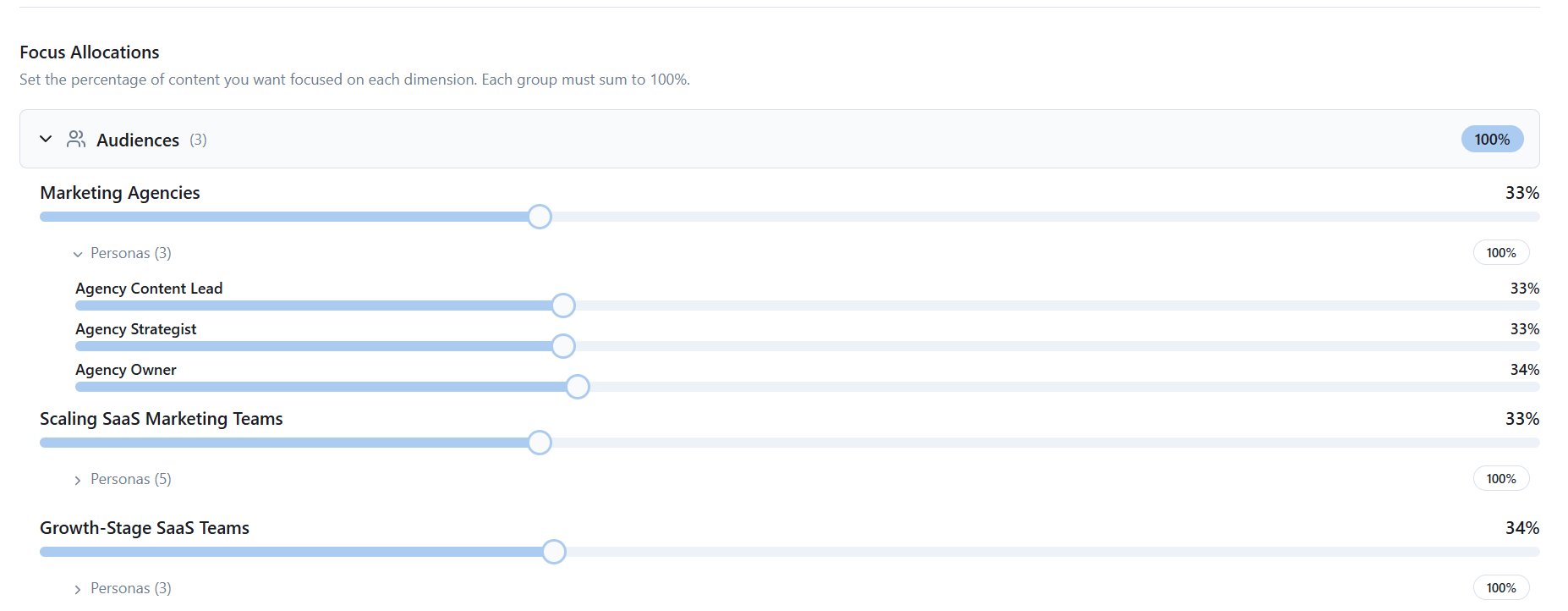
You do not need a giant scoring model to start. You need a few honest comparisons.
Track things like:
- Time from brief to draft
- Senior reviewer time per asset
- Number of revision rounds before client delivery
- Time needed to onboard a new contributor
- Whether final output stays aligned to client standards
If you can, compare across two or three cycles. One week can be misleading. Repetition tells the truth.
Include Delivery People In The Buying Team
Leadership should be involved. Obviously. But leadership alone is not enough. The people who live in the workflow every day need a voice here too.
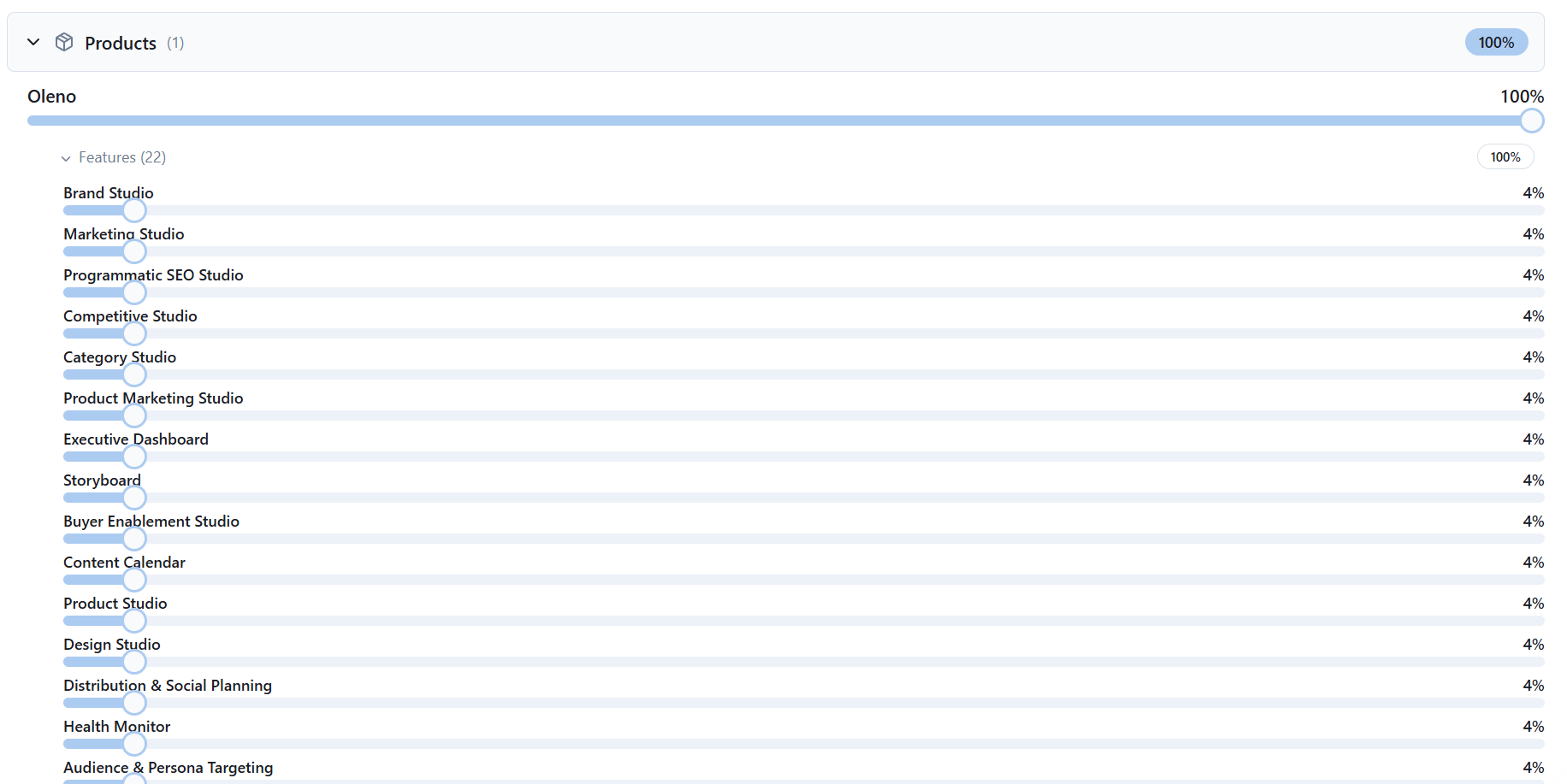
Account directors care about client confidence. Content leads care about quality control. Writers and editors care about usability when deadlines are tight. You need all of that in the room.
And honestly, if everyone agrees too fast, I’d assume the evaluation stayed too shallow.
Common Buying Mistakes Agencies Make
The mistakes are usually predictable. Agencies buy for promise instead of fit. They evaluate the clean path instead of the messy one. They underestimate how much margin disappears through rework. Then they wonder why adoption gets weird a month later.
Some of this happens because the team is just tired. Fair enough. The current process is messy, everyone wants relief, and a polished demo can feel like a decision. Still a mistake.
Buying For Volume Instead Of Complexity Backfires
Agency work is rarely uniform. The challenge usually isn’t producing one more asset. It’s producing the right asset for the right client without pulling half the team into review.
A platform can look great on a simple sample and still struggle when the account has layered feedback, niche positioning, or fussy stakeholders. That’s why complex accounts belong in the evaluation early, not later.
Software Won’t Fix A Broken Process By Itself
This one matters. If your agency has unclear brief ownership, inconsistent review criteria, or no real definition of done, software is not going to magically clean that up.
It might help. It might add structure. But if nobody agrees on what quality looks like, the same arguments will just happen in a new tool.
Ignoring Onboarding Burden Creates Adoption Risk
The first 30, 60, and 90 days matter more than most teams think. If setup depends too heavily on senior people hand-holding every account, every contributor, and every rule, energy drops fast.
That’s where partial adoption starts. Then avoidance. Then abandonment.
Skipping Client-Facing Risk Leaves You Exposed
Internal efficiency doesn’t matter much if output quality slips in front of clients. Ask the uncomfortable question early: if the system misses nuance on a high-stakes account, who catches it, how late, and at what cost?
That’s not fear-based. That’s just responsible evaluation.
A Simple Framework For Deciding What Marketing Agencies Should Buy
If you want a practical framework, keep it simple. What marketing agencies should use is a scorecard tied to how they actually operate, not some fantasy workflow nobody runs in real life.
I’d use five criteria and weight them based on the pain you already feel most.
| Criteria | What To Ask | Why It Matters | Suggested Weight |
|---|---|---|---|
| Client Voice Control | Can each client maintain distinct standards and output quality? | Protects trust and reduces revision risk | 25% |
| Review Load Reduction | Does the system reduce senior review time over repeated cycles? | Direct impact on margin | 25% |
| Onboarding Repeatability | Can new client accounts and contributors ramp quickly? | Supports growth without proportional hiring | 20% |
| Workflow Fit | Does it fit the agency’s real delivery model? | Improves adoption odds | 15% |
| Operational Visibility | Can the team verify progress and quality clearly? | Reduces surprises and delivery risk | 15% |
Score each line from 1 to 5 after a pilot. Then compare the total against your current process, not some idealized future state. That makes the discussion a lot more honest.
A lightweight checklist helps too:
- Run one representative client account through the process
- Involve content, account, and leadership stakeholders
- Measure review time before and after
- Track revision count across multiple assets
- Document onboarding effort for a new contributor
And ask one blunt question at the end: if we buy this, will the delivery team actually want to use it next month?
That question catches a lot.
Start testing Oleno against your actual delivery process and see where review time drops.
Applying The Framework To Oleno
This is where a lot of teams overcomplicate things. Applying the framework to Oleno should be simple. Test whether it supports repeatable agency delivery. Don’t just ask whether it looks smart in isolation.
Agencies do not buy software for a demo moment. They buy it for the next hundred deliverables.
Oleno is positioned around demand gen execution and more consistent narrative-driven production. For some agencies, that’s very relevant. Especially if the goal is to increase output without increasing coordination overhead at the same pace.
But relevance is not the same thing as fit. What marketing agencies should do here is verify whether Oleno works for their client mix, their review model, and their actual quality bar.
A fair final pass looks like this:
- Take one live client workflow
- Score it against the framework above
- Compare reviewer time, revision loops, and onboarding burden
- Pressure test the result with the team that will use it daily
If the pattern still looks strong after that, great. Now you have a grounded reason to move forward.
Oleno should earn the decision through that process. Not skip it.
Ready to see how agencies are evaluating Oleno with live workflows? Get started with a tailored demo.
Conclusion
At the end of the day, what marketing agencies should buy is the system that makes delivery more repeatable without making quality shakier. That’s the whole game.
If Oleno helps your team protect client voice, cut review load, and onboard new work without piling more pressure on senior people, then it’s worth serious consideration. If it can’t do that inside one real workflow, no demo is going to save the case.
Keep the evaluation practical. Use a real client. Measure the right things. Involve the people doing the work. That’s usually enough to tell you what you need to know.
About Daniel Hebert
I'm the founder of Oleno, SalesMVP Lab, and yourLumira. Been working in B2B SaaS in both sales and marketing leadership for 13+ years. I specialize in building revenue engines from the ground up. Over the years, I've codified writing frameworks, which are now powering Oleno.
Frequently Asked Questions