Why Faster Writing Won’t Grow Your SaaS — Systems Will (A Contrarian Playbook)
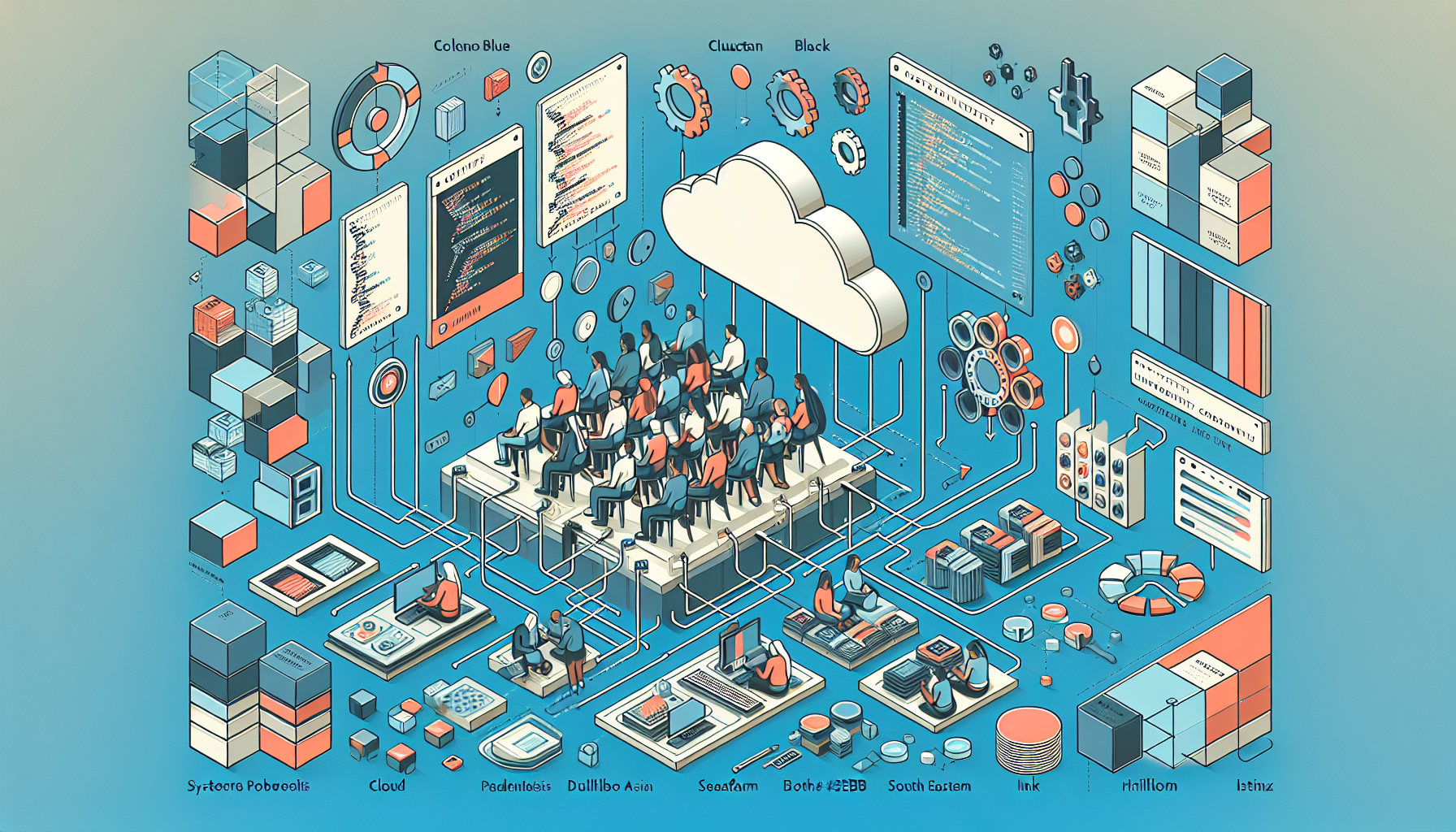
SaaS teams rarely fail because they cannot produce words. They stall because the work that gets content into the world is scattered across tools, people, and ad-hoc rules. Speeding up drafts feels productive, yet the queue still swells, reviews pile up, and publishing slips.
The fix is not more typing. It is building a governed pipeline that turns inputs into finished, on-brand articles every day. When you encode voice, knowledge, structure, and publishing rules into the workflow itself, you stop managing exceptions and start shipping consistently.
Key Takeaways:
- Replace “drafts per day” with one metric: publish velocity that you can hold week after week
- Encode recurring edits as rules in Brand Studio and your Knowledge Base to eliminate rework
- Run a deterministic chain from topic to publish so quality and cadence do not depend on heroics
- Push decisions upstream with a strong angle model and QA before humans ever review
- Use an enhancement layer to handle TL;DR, schema, alt text, and internal links automatically
- Budget shifts from variable edits to durable configuration cut coordination effort dramatically
Why Chasing Faster Writing Stalls SaaS Growth
Speed without orchestration creates rework
Most teams think “faster drafts” equals growth. But the time sink is not typing, it is the upstream choices and downstream fixes the team still coordinates by hand. Audit a month of work and separate topic selection, angle building, briefing, drafting, QA, and publishing. You will find the “fast draft” shaved minutes while the rest of the pipeline still consumed days. The gap is a system problem, not a writing problem. See how ai writing limits compound when coordination is missing.
Take a hard look at where edits repeat. If tone and phrasing get rewritten in every draft, that is a missing rule. If facts drift from product truth, that is a missing Knowledge Base hook. Convert repeated fixes into non-negotiables the pipeline applies, not reminders buried in comments. The goal is fewer manual cycles, not faster first drafts.
Draft velocity vs publish velocity
Draft velocity rewards activity. Publish velocity rewards outcomes. Define one number, the count of on-brand, accurate, fully published posts per week. Then work backward: how many topics approved, how many briefs finalized, what QA checks enforced. When a step is fuzzy, cadence wobbles. Stability first, speed second.
A simple board helps reveal friction. Track work across these stages:
- Topic and angle
- Brief and draft
- QA and publish
Cap how much can sit in each stage. Work-in-progress limits force flow discipline and make weak links obvious, often brief quality or missing KB grounding. Fix those rules before raising throughput. The result is publish velocity you can hold without late-night heroics.
Where headcount actually goes
Role-by-role time maps expose the real cost. Content leads juggle prioritization and approvals. PMMs check product accuracy. Editors tune voice. Ops teams push to the CMS. Most of this is coordination, not writing. Each new tool or freelancer adds a context tax unless shared rules exist for voice, structure, and facts.
Track the re-review loop for two weeks. If drafts bounce for the same issues, your system is not teaching the right constraints. Fix the template that creates the draft rather than the person who receives it. That is how you scale output without scaling chaos.
Curious what this looks like in practice? Try generating 3 free test articles now. Try generating 3 free test articles now.
The Real Bottleneck Is Coordination, Not Copy
Map your pipeline end to end
Draw the real sequence: topic, angle, brief, draft, QA, enhancement, image, publish. Label the owner and the artifact for each handoff. If your map begins at “draft,” you are already missing the work that protects speed and quality.
Push decisions forward. Where do you approve the angle? Where are claims required to cite the Knowledge Base? Where does voice enforcement live? These gates prevent last-minute rewrites. The more upstream the decision, the fewer loops downstream. Teams that adopt a fixed pipeline understand why content orchestration always beats “faster drafting.”
Turn edits into rules
Pull your last twenty edits and group them into voice, phrasing, banned terms, structure, and product claims. Encode these in Brand Studio and the Knowledge Base so every future draft inherits them. If a note will apply again, it is a rule, not feedback.
When you keep flagging “explain feature X this way,” put that into the angle and brief. Drafts then arrive compliant by default. Refresh your rules monthly, addressing what kept slipping. Small upstream corrections compound across all future output.
Govern upstream, not downstream
Make the angle do more work. A strong angle sets context, gap, intent, motivation, tension, brand POV, and demand link. Loose angles make wandering drafts. Invest here, and you will cut editorial time dramatically.
Enforce a minimum QA score before any human reads a draft. Check structure, voice alignment, KB accuracy, and narrative completeness. If the draft fails, fix it automatically. Humans should handle exceptions, not first-pass quality. Require internal links and metadata before publish begins. Structure is a habit, not an afterthought.
Ready to eliminate status-chasing and rework loops? Try using an autonomous content engine for always-on publishing. Try using an autonomous content engine for always-on publishing.
The Hidden Costs Of Manual Content Operations
Let’s pretend: the weekly cost model
Imagine you publish five posts per week. Each one consumes 1.5 hours for topic and angle, one hour for the brief, two hours for drafting, 1.5 hours for edits, thirty minutes for QA, and thirty minutes for CMS work. That is roughly seven hours per post, thirty-five hours per week. At a blended ninety dollars per hour, you burn three thousand one hundred fifty dollars weekly, more than twelve thousand per month. And that is before rework. This is why modern teams move to autonomous content systems.
If thirty percent of drafts bounce for voice or facts, add an hour per post. Now you are at forty-two hours per week and over fifteen thousand dollars per month. Variance compounds the pain. Two posts slip. Two roll over. One becomes a rush job. Cost is not just money, it is volatility that makes planning and sales enablement harder.
Coordination tax across tools
List your stack. Docs, task manager, SEO plugin, CMS, image tool, messaging. Count the handoffs per post. Each adds delay and introduces error risk. Wherever a step can be deterministic, embed it in the pipeline or reduce touchpoints.
Quantify the pings. Every “quick check” in Slack costs about fifteen minutes of context reload. Five pings per post means more than an hour lost. Set rules that remove the need for pings: standardized briefs, KB citations, approved phrasing, and automatic formatting.
Risk costs: inconsistency and errors
Brand drift is a hidden tax. If tone and claims vary post to post, you pay for escalations and rewrites. Lock these into Brand Studio so every draft aligns. Guard against hallucinations by requiring KB support for product statements. If a fact cannot be grounded in your KB, remove it or add the source.
Reduce last-mile surprises by forcing metadata, internal links, and schema to be added automatically after QA. When deadlines hit, you will not scramble to complete formatting tasks by hand.
What It Feels Like When Your Team Hits A Wall
The treadmill effect
Everything is “almost done.” Drafts sit in review. Edits balloon. Anxiety about daily cadence creeps in. That is what happens when decisions live downstream. Move them up, starting with the angle and brief. Drafts will arrive cleaner, and the treadmill slows.
Adding more writers or tools without reducing variability makes coordination effort grow faster than output. Pause and fix predictability first. Add capacity after you stabilize the pipeline, not before.
Frustration signals to watch
- Frequent “quick edits” for voice or phrasing keeps showing up in comments
- Constant status pings because nobody shares one clear pipeline view
- QA driven by vibes rather than checks for structure, voice, KB claims, and narrative completeness
Replace these signals with governed rules, a single pipeline view, and pass or fail gates before human review. Your team will spend less time asking for updates and more time approving work that is already on brand.
A short story from your week
Monday brings three drafts. One needs tone work, one misses a product nuance, one lacks internal links. You spend the afternoon editing instead of planning. Tuesday repeats. By Friday, two posts ship and you feel behind. Next week will look the same, unless the rules change.
Now picture upstream governance. Topics pre-approved. Angles locked by a seven-part model. Briefs that specify claims which must cite the Knowledge Base. Drafts clear QA before you ever see them. You approve topics and set cadence. The system runs, and you manage configuration, not edits.
The Autonomous Content Operations Model
Inputs you control
Set your Brand Studio. Define tone, phrasing, structure, rhythm, and banned language. These rules apply at angle, brief, draft, and QA. Update them monthly based on recurring edits you want eliminated.
Build your Knowledge Base. Upload product docs, pages, guides, and examples. Mark critical claims and preferred phrasing. Tune strictness and emphasis so drafts stay factual without sounding mechanical.
Choose a daily cadence you can hold. Approve topics or let suggested posts fill the queue. Your job is to specify constraints. The pipeline handles execution.
A governed pipeline
Use a deterministic chain that never changes: topic, angle, brief, draft, QA, enhancement, image, publish. No freelancing steps. Determinism reduces variance and makes quality predictable.
Angle first. Apply a seven-step angle that covers context, gap, intent, motivation, tension, brand POV, and demand link. The angle is the instruction manual for the draft, so do not skip it. Then enforce QA before any human review. Score for structure, voice alignment, KB accuracy, narrative completeness, and SEO or LLM formatting. If a draft fails, iterate automatically until it passes.
Safety nets that prevent drift
Add an enhancement layer after QA. Remove AI-speak, refine rhythm, create a TL;DR, add schema, set alt text, and insert internal links. These steps are not optional extras. They prevent last-mile churn and missed opportunities.
Use internal logs for reliability so the system can retry work when a publish attempt fails. You do not need dashboards to get predictability. You need deterministic behavior and retry logic. Keep publishing direct to your CMS, including media, metadata, schema, and automatic retries for transient errors. Let the pipeline finish what it starts.
Want to see 80% of your coordination pain disappear with a single change in operating model? Try using an autonomous content engine for always-on publishing. Try using an autonomous content engine for always-on publishing.
How Oleno Automates The Entire Pipeline
What Oleno runs for you
Remember the eight-step coordination burden you keep managing. Oleno runs that pipeline automatically. It executes sitemap and Knowledge Base analysis for suggested posts, daily topic discovery, a seven-step angle builder, structured briefs, and draft generation grounded in your Brand Studio and KB. QA-Gate enforces voice, structure, accuracy, and narrative order, then the enhancement layer handles TL;DR, schema, alt text, and internal links. Publishing goes straight to your CMS with retries and scheduling so daily cadence spreads cleanly across the day.
Every article follows the same Sales Narrative Framework, so your content teaches with consistent structure at scale. If you want a deeper view of this operating model, the guide on ai content writing breaks down the full approach.
What you still control
You control the levers that matter. Brand Studio sets tone and phrasing. The Knowledge Base grounds claims and defines preferred language. You approve topics and set posting volume. Configuration replaces coordination, and small upstream changes improve all downstream output without more meetings.
You set cadence from one to twenty-four posts per day. Oleno distributes jobs evenly, handles media and metadata, and retries on temporary CMS errors. Reorder the topic queue when priorities shift, and the pipeline adapts without rewriting how the work gets done.
How to reallocate budget
Shift dollars from variable headcount to durable configuration. Invest in Brand Studio rules, Knowledge Base curation, and QA thresholds. These one-time efforts pay back every week by reducing manual edits and coordination.
Consolidate tooling into a governed pipeline that includes topic discovery, brief generation, drafting, QA, enhancement, and publishing. You eliminate glue work, slash pings, and cut error rates. Keep a small editorial layer for exceptions and high-stakes assets. The system handles everything else.
Try seeing this end to end in your own environment. Try Oleno for free. Try Oleno for free.
Conclusion
Faster writing does not create growth. A system that runs itself does. When you encode voice, facts, structure, and publishing into a deterministic pipeline, you trade guesswork for flow, and “almost done” becomes “published today.” That is the shift from editing to configuration and from heroic effort to predictable output.
Oleno makes this operating model practical by running the entire pipeline while you manage the inputs. Set your cadence once. Turn recurring edits into rules. Ground claims in your Knowledge Base. The rest becomes routine, and growth follows a schedule instead of a scramble.
About Daniel Hebert
I'm the founder of Oleno, SalesMVP Lab, and yourLumira. Been working in B2B SaaS in both sales and marketing leadership for 13+ years. I specialize in building revenue engines from the ground up. Over the years, I've codified writing frameworks, which are now powering Oleno.
Frequently Asked Questions