Internal Linking Audit Playbook: Fix Crawl Equity Leaks & Boost Rankings
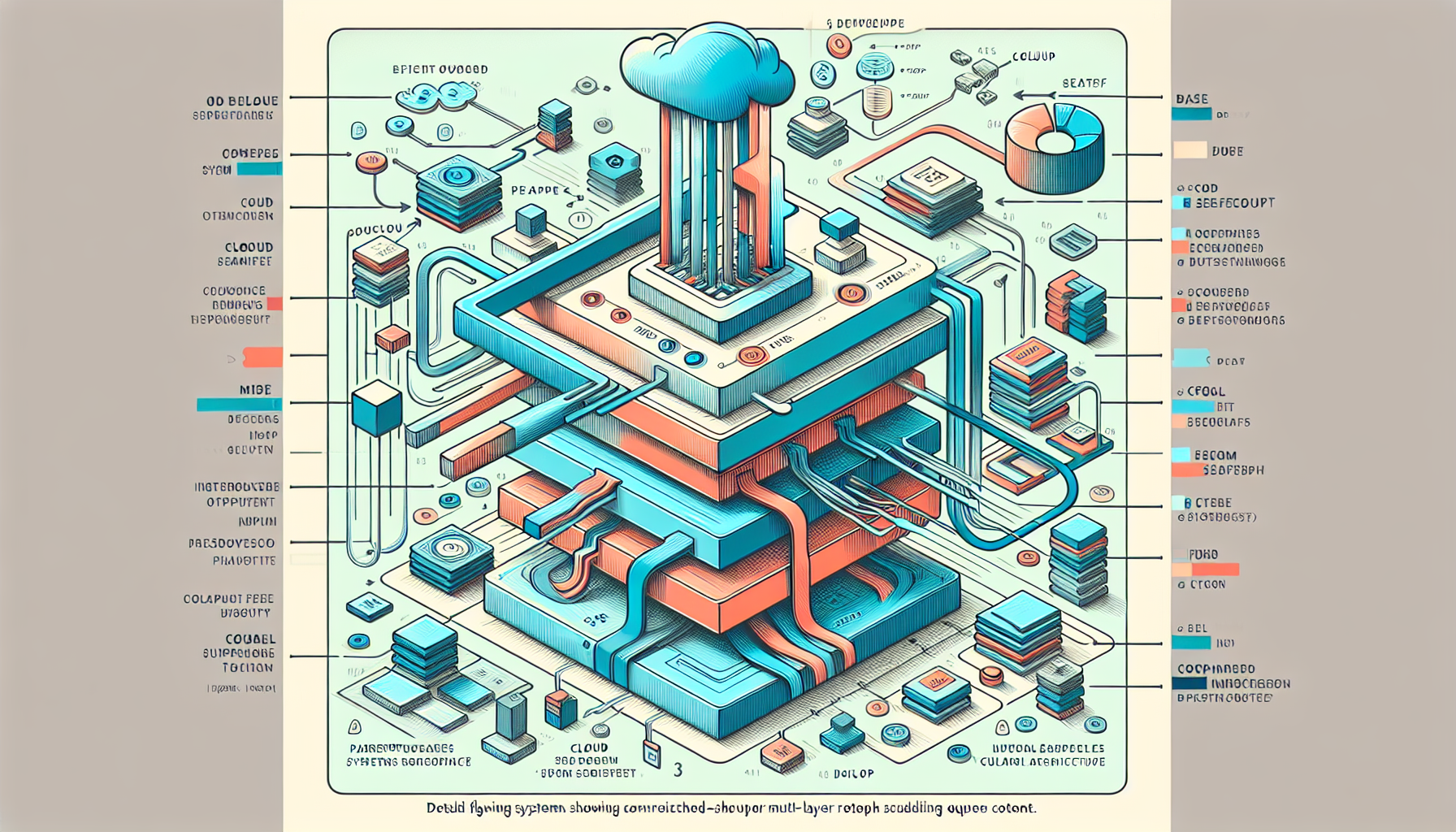
Most teams think internal linking is editorial cleanup. Add a couple links, move on. The truth is harsher: internal links decide what gets seen. Not just what gets written. Crawl equity is a system, not a vibe. If your graph is weak, great pages stay invisible.
You can feel it in the data. New posts take weeks to show up. Index coverage jumps around. Rankings stall even when you publish more. That is not a content problem. That is a link architecture problem that starves bots of clean paths and clear context.
Key Takeaways:
- Generate a usable internal link graph from crawler exports, then build the few reports that actually matter
- Follow a repeatable checklist that flags crawl equity leaks: orphans, weak hubs, chains, and anchor text gaps
- Use a simple prioritization matrix that focuses fixes where impact and speed intersect
- Apply proven implementation patterns for contextual links, hub pages, redirects, and canonical corrections
- Monitor a weekly signal set, validate wins with crawl and index coverage, and keep a tight cadence
Why Internal Links Decide What Gets Seen, Not Just What Gets Written
The quiet technical debt hiding in your link architecture
Most sites carry silent link debt. Pages sit at depth four or five with two template links and zero context. They rarely index, they never rank. You can publish 20 posts this month or fix five internal links into your highest intent hub. Which one moves the needle faster? The links. Because they control discovery, crawl frequency, and topical flow. If you want to understand why your best pieces are invisible, start with visibility and discoverability, not volume.
Signals that expose internal link health
Watch the signals that matter, then act:
- Crawl stats: percentage of URLs discovered, average crawl depth by section, and discovery latency in days
- Internal links: inlinks per URL, body links versus template links, and anchor text diversity by hub
- Index coverage: ratio of “Crawled, currently not indexed,” “Discovered, not indexed,” and stable “Indexed” Pair Google Search Console with crawler exports. “Crawled but not indexed” often maps to depth greater than three, thin anchors, and weak hub support. A category hub with 30 meaningful internal links wins. A deep product detail with two footer links loses. Treat the site like a weighted graph, not a flat list.
The Real Problem: Your Site Is A Link Graph With Flows, Not A Flat Sitemap
Map the graph: nodes, edges, and weights
Think in simple terms. Pages are nodes. Links are edges. Edge weight comes from where the link lives, how prominent it is, and how aligned the anchor is to the target topic. That graph explains crawl equity flow better than any sitemap. Pull the data you can replicate tomorrow:
- Internal link list: from, to, anchor, location hint, status
- Inlinks per URL: total count, body versus template, unique referring pages
- Depth and indexability: crawl depth, status code, canonical target, robots state Not every link counts the same. Header nav links provide broad reach, breadcrumbs add structure, and body links carry strong topical context. Use pragmatic weights. Body links are the workhorse, breadcrumbs are the backbone, nav is the safety net. For structural guardrails on hubs and anchors, lean on content structure guidance.
From editorial choices to systems thinking
Hubs consolidate authority. Spokes capture long tail. Bridges connect silos. Those are system levers, not copy edits. Quick diagnostic: list your top ten money pages. Count unique referring pages and how many of those links live in body copy. If the ratio skews to template links, you lack contextual support. Menus are political, not strategic. The primary control surface is curated body links and hub layout.
The Hidden Cost Of Crawl Equity Leaks You Cannot See In Analytics
Orphans and weak hubs: where traffic quietly dies
Orphans are pages with no internal inlinks. Weak hubs are hubs that do not receive or send enough contextual links to hold a topic together. Let’s pretend you have 120 orphan support articles. Each could drive 200 visits a month if indexed. That is 24,000 visits left on the table, every month. Even at a 1 percent lead rate and a modest conversion value, the leakage is not small. Weak hubs do similar damage. Template links alone rarely rescue depth four pages. Healthy hubs have body links in and out, reciprocal spoke connections, and anchors that sound like the query the page should win.
Redirect chains and canonical mistakes that drain equity
Chains waste crawl budget and dilute signals. Two hops are bad, three are worse. If 15 percent of your top paths chain, bots bounce and users follow. Flatten to one hop at most, zero if you can. Canonicals must point to the final, indexable URL. Checklist:
- Export all 3xx chains, sorted by traffic or revenue potential
- Replace internal source links to the final target URL
- Update canonicals on both source and target to match the final URL
- Re-crawl key sections, verify 200 status, and confirm the rendered canonical One nuance. Canonical consolidation can be correct, or it can hide cannibalization. Spot check with rankings and intent to avoid masking a better-performing variant.
When You Are Drowning In Fixes, Clarity Beats More Tools
The operational pain is real
I have been there. We shipped a bunch of posts, watched nothing move, then argued about adding more nav links. It did not help. What helped was a simple queue, ranked by impact, and a weekly working session. Five blocked pages, two contextual links each, repeat. Small, surgical wins build trust, then bigger architectural changes get approved.
A quick story to normalize the struggle
You ship 50 posts. Rankings stay flat. Panic sets in. Two hours later, a quick audit finds 90 orphans and five weak hubs. Two weeks after adding contextual links and cleaning five chains, discovery spikes and coverage stabilizes. You are not behind. You are under-linked. The problem is structural, not creative. The fix is boring and repeatable, which is exactly what you need.
A Better Way To Audit Internal Links Like A Production System
Map your internal link graph efficiently
Start with the data pull. Full crawl, plus Search Console coverage. Export:
- Internal links CSV: from_url, to_url, anchor_text, link_location, status
- Inlinks per URL: url, total_inlinks, body_inlinks, template_inlinks, unique_referrers
- Depth and coverage: url, crawl_depth, http_status, canonical, robots, index_state Normalize URLs. Lowercase host and path, strip trailing slashes consistently, drop tracking parameters, and canonicalize http/https to one scheme. Join on normalized URL. Derive simple indicators: body_inlinks count, discovery_latency in days, depth, and an orphan flag. Those four metrics become your health panel.
Curious what this looks like in practice? Try generating 3 free test articles now.
Detect the leaks with clear rules
Use crisp if-then logic:
- Orphans: no inlinks in crawl and not in sitemap equals critical
- Weak hubs: fewer than 8 contextual inlinks, or spokes without reciprocal hub links
- Chains: any path with 2 or more hops is a must-fix
- Canonicals: canonical points to a non-indexable page, or self-referential loops on hub templates Triage with a simple severity model. Red: high potential pages with indexability risk. Yellow: medium potential with linking gaps. Green: healthy. Group fixes into batches that can ship cleanly, and use batching changes to cut coordination cost.
Implement patterns that move the needle
Contextual links first. Add 2 to 3 body links from top traffic pages into underlinked hubs and spokes, with descriptive anchors. Do use task-language anchors that match intent. Do not use “click here” or brand-only text. Template changes next. Strengthen breadcrumbs and category modules that surface hubs at depth two, keep nav lean, optimize for relevance over volume, and validate across device types. Then flatten chains and correct canonicals. Re-test response codes and rendered canonicals after deploy. Close with a quick depth scan to confirm you pulled priority URLs into the top three levels.
Ready to turn this audit into a repeatable workflow? Try using an autonomous content engine for always-on publishing.
How Oleno Operationalizes The Internal Linking Audit
Visibility Engine: map, score, and surface leaks automatically
Oleno’s Visibility Engine ingests crawler exports and Search Console coverage, then maps depth, discovery latency, and link coverage in one place. You get orphan detection, weak hub identification, and a clean view of equity flow by hub. Configurable rules mirror the playbook, so red and yellow flags match your thresholds. Saved views support weekly working sessions, and alerts flag regressions after you ship fixes. This is fewer tabs, faster truth, and less headache for the team.
Publishing Pipeline: ship contextual links and template updates safely
Oleno’s Publishing Pipeline turns your prioritized list into batches. Add contextual link edits, breadcrumbs, and nav blocks, then run them through approvals and QA gating. Stage rollouts to reduce risk, with clear rollback options if anything surprises you. The same pipeline handles redirect and canonical corrections at scale, then verifies responses after deploy. Content and engineering coordinate in one flow. Less thrash. More results.
Brand Intelligence: smarter contextual link suggestions
Oleno’s Brand Intelligence proposes semantically aligned anchors and targets, guided by your brand vocabulary and topical intent. Editors approve, tune, and push the batch into Publishing Pipeline. Example: for a “rate limiting” hub, the system surfaces anchors like “adaptive rate limits,” “token bucket strategy,” and “429 retry patterns,” and it pairs them with the right spokes. The output reads like you wrote it, only faster, with consistent topical alignment.
Measurement loop: verify, learn, and scale
Oleno closes the loop with consolidated reporting. Coverage trends, depth shifts, discovery latency, and ranking changes by hub live in one place. Use it to run a simple rhythm: map Monday, ship Wednesday, measure Friday. Then repeat. When the leaks are closed, move into proactive hub creation and automated linking recommendations. For teams that want ongoing proofs, lean on coverage monitoring to track improvement without building ad hoc dashboards.
Stop wasting hours on manual checks. Try Oleno for free.
Conclusion
Internal links decide what gets seen. That is the game. Treat your site as a link graph. Map it, detect leaks with simple rules, prioritize by impact, and ship in clean batches. Anchor your fixes in body links, healthy hubs, flat redirects, and correct canonicals. Then measure the few signals that matter every week.
Do this and the pattern is predictable. Discovery gets faster. Index coverage stabilizes. Rankings lift on the pages that pay the bills. You gain leverage and control, not just more content. Generated automatically by Oleno.
About Daniel Hebert
I'm the founder of Oleno, SalesMVP Lab, and yourLumira. Been working in B2B SaaS in both sales and marketing leadership for 13+ years. I specialize in building revenue engines from the ground up. Over the years, I've codified writing frameworks, which are now powering Oleno.
Frequently Asked Questions